「太平洋への転換から緑の革命へ: 気候変化を最大脅威と見なして」

huffington post japan

ハフイントン  ポスト

2013年05月30日

太平洋への転換から緑の革命へ:

気候変化を最大脅威と見なして

中国、内モンゴル自治区ダーラートァチーのさわやかにペンキが塗られた農家の後ろ側には、緩やかに続く低い丘が広がり、平野では牛や羊達がのんびりと牧草を食べている。しかし、農家の西側に向かって100メーターほど歩いて行くと、このような田園風景の現実とは、かけ離れた風景に出くわす。すぐ目の届くところまで限りなく広がる砂の波、生命の兆しが全く感じられないクブチ砂漠だ。

気候変化がもたらした凶悪な産物であるクブチ砂漠は、今でも800キロメートル離れた北京に向かって容赦なく東に進んでいる。仮に砂漠の東進をこのままにしておくと、近い将来、中国の首都である北京ですら占領されるだろう。アメリカのワシントンでは、まだクブチ砂漠が見えないが、砂漠の砂は強い風に乗って北京、ソウルはもちろんのこと、一部はアメリカの東海岸まで移動している。

砂漠化は人類の暮らしを深刻に脅かしており、全ての大陸で砂漠は少しずつより速い速度で広がっている。1970年代初期に西アフリカのサハラ地域がそうだったように、アメリカも1920年代、大平原に吹き寄せたほこりの暴風で多くの命と財産損失を被った。アジア、アフリカ、オーストラリア、アメリカ全域に数百万人、最大で数十億人の環境難民をもたらすなど、気候変化による砂漠化は新しい次元の脅威となっている。  ブルキナファソでは、広がる砂漠により全体の人口の6分の1がすでに難民に転落し、国連環境計画(UNEP)によれば拡大していく砂漠によって、全世界が支払わなければならない費用が年間420億ドルに達すると述べている。

広がりを見せる砂漠は枯れていく海と溶けていく極地氷河、地球上の動植物の減少とともに、私達の知らない世界をつくりあげている。もしかするとNASAの火星探査ロボット、キュリオシティから送られてきた写真の中の痩せこけた土地の風景は、私達の悲劇的な未来の短編なのかもしれない。

しかしワシントンのシンクタンクのウェブサイトでは、砂漠化が世界の終末の前触れだという事実に気づきにくい。ブルッキングス研究所(民主党に近い)のウェブサイトでは「ミサイル」というキーワードを検索した際、1,380件の検索結果が表示されるが、「砂漠化」を検索すると、24件に過ぎなかった。ヘリテージ財団(共和党に近い)のウェブサイトでは「ミサイル」に関して2,966件、「砂漠化」に関してはわずか3件の検索結果だった。

砂漠化の脅威はすでに数多くの人達の命を奪い取り、これから数十年以内により多くの人達の命を奪っていくように思われる。しかし、一部の命を狙うテロリズムやミサイル攻撃といった安全保障の脅威ほど、大きい関心や支援が得られていない状況だ。

砂漠化は、食糧不足と新種の疾病から生物権、重要動植物の絶滅に至るまで、人類の絶滅を予告する数十あまりの環境問題の中の一つに過ぎない。しかし、私たちの目の前に迫ってくる安全保障の威嚇に立ち向かうために必要な技術、対応戦略、そして長期的ビジョンの準備の一歩ですらまだ踏み出せていない状況だ。私たちが所有する空母とミサイル、サイバー戦争はこのような脅威を前に、まるでタンクとヘリコプターに立ち向かう木の棒と小石のように無力な物である。

人類が今世紀を超えて生き残りたいと思うなら、今一度安全保障についての認識を根本的に変えなければならない。軍に従事する人達は軍事力に関して完全に新しい視覚で受け入れなければならない。また、アメリカをはじめ全世界の軍隊は、砂漠の拡大を食い止め、海を生き返らせ、現代の破壊的な産業システムを真の意味で新しく持続可能な経済に変えるため、最小50%以上の予算を出さなければならない。

このような計画の出発点として、最もふさわしい場所はオバマ大統領が称賛する「太平洋への中心軸転換」の革新、まさに東アジア地域だ。この地域で転換を施行しなければ、砂漠の砂と上昇する海水面がすぐに私たちのすべてを飲みこみ、横取りするだろう。

■アジアの環境的重要なチャレンジ

世界経済のエンジンとして少しずつ、その役割がより大きくなる東アジアは地域政治の世界標準をつくっている。研究、文化、生産、そして政府と行政府の規範樹立領域で中国、韓国、日本とロシア東部はグローバルリーダーシップを日に日に高め、東アジアは今が絶好の時期である。

しかし、このような太平洋の世紀を原点に戻そうとする二つの不安な動向が存在する。一つ目は、この地域の持続可能な成長に反する急速な経済発展と即時的な生産活動は砂漠の拡大、淡水供給の減少、環境破壊を代価に使い捨て製品の使用と盲目的な消費文化の原因となった。

二つ目に、東アジア地域の猛烈な軍事費支出の増加は地域の将来の展望を脅かす要因である。中国の軍事費支出は2012年に11%増加し、初めて1,000億ドルを超え、2013年は 10.7%増加でやや速度や減ったが、相変わらず早いペースで軍国化が進んでいる。 最近の尖閣諸島にかかわる紛争を考えると、2014年にまた大幅に上がる恐れもある。中国の二桁引き上げは、隣国の軍事費予算の引き上げを圧迫した。

2013年に韓国は軍事費を4.2%、34兆3453億ウォンに引き上げたことについて不満を持っている政治家が多く、もっと引き上げるべきと主張している。ストックホルム国際平和研究所(SIPRI)によれば、日本は軍事費の支出をGDPの1%限度に維持してきたにもかかわらず、軍事費支出国で世界6位に上った。このような支出はただでさえ東南アジアや、中央アジアに拡散する軍事力競争をより一層刺激している。でも2014年から日本が国防予算を11年ぶりに引き上げ、今年は0.8%上昇して4兆7,538億円になりそうである。

このすべての支出は全世界の軍備化の先頭であるアメリカの莫大な軍事費と関連付けられる。現在、アメリカ議会は大統領が要求した予算より30億ドル多い6,070億ドルの軍事費予算を考慮しており、アメリカは国防領域で悪循環の方向へともたらした。アメリカの国防総省は同盟国がアメリカの武器を購入し、互いに運営体系を維持しようと同盟国の軍事費支出増加をそそのかしている。しかし、同盟国にとって負債減少政策の一環で自分たちの予算削減を考慮することでさえ負担が大きい。結局アメリカはどんな方法を使っても同盟国が軍事費により多くの支援金を出させようと圧迫しており、これは該当地域の軍備競争をもたらすことになる。

ヨーロッパの政治家達は100年前、平和に統合されたヨーロッパ大陸を夢見た。しかし、土地、資源、歴史をめぐる紛争と増える軍事費が組み合わさり、恐ろしい世界大戦を二度ももたらした。仮にアジアの指導者達が現在のような軍備競争に制約をかけなければ、いくら平和的共存について美辞麗句を述べようと東アジアはヨーロッパと類似した結果を受け入れなければならない。

■緑色転換(グリーン転換)

環境の脅威と増加する軍事費支出という困難な状況の中で、東アジアと全世界はこれから進む方向を設定しなければならない。しかし、ことによると、このような二つの困難は他の方向へ転換する方法もある。仮に統合した東アジアの全ての利害関係者達が’安全保障’に関する懸念を再定義し、環境の脅威について優先的に注目すれば各軍隊間の協力を潤滑油として共存に向かって新しい模範をつくりだすことができる。

中国の有名な863計画(科学技術発展に関する重要プロジェクト)、オバマ行政府のグリーン・ニューディール政策、韓国・李明博政府の緑色投資などすべての国で環境問題に関する支出が次第に増えてきている。しかし、これだけでは不足だ。ここには必ず軍事領域での大幅な減収が伴わなければならない。これから10年間、中国、日本、韓国、アメリカなどアジアの他の国家が環境安全保障に対応するために必ず軍事支出の方向を転換しなければならない。そして、一時は地上戦とミサイル攻撃を計画していた将軍達も互いの間で緊密な協力を基盤に新しい脅威に立ち向かうため再び訓練を受けなければならない。

1930年代アメリカの環境キャンペーンの一環として、軍事教育を活用したアメリカ民間支援保存団は東アジア地域の新しい協力のモデルになることができるだろう。国際的NGOである韓国の未来の森はクブチ地域の砂漠化を阻止するために韓国と中国の若者達によって構成された「緑色戦争(グリーン戦争)」のための植樹チームを結成した。クォン・ビョンヒョン前駐中大使率いる未来の森の植樹造林と土壌保存活動には現地住民も共に参加した。

また、これらの国家が実践しなければならないまず初めの段階が、緑色転換フォーラムの開催である。関連国は、このフォーラムで環境問題とこれに対処するために必要な資源、全ての国が確実に同意できる基準値を示し透明な軍事費支出についての枠組みを作らなければならない。

その次の段階は、もう少し難易度が高い。現軍事体制の各部分を再造成するために体系的な公式の導入が必要になる。すなわち海軍は主に海洋保護と復旧問題を扱い、空軍は大気と排気ガスに対して責任を取り、陸軍は土地と森を管理しなければならない。また、海兵隊は複合的な環境問題を取り扱い、情報機関は全世界の環境状態を体系的にモニタリングする必要がある。これから10年の間に中国、日本、韓国、アメリカだけでなく他の様々な国の軍事費予算の中で50%以上は環境保護と生態系復元に使用される見込みとなるべきだ。

ひとまず、軍事計画と研究の焦点が変われば、以前では夢にすぎなかった規模の協力が可能になる。仮に、私達の敵が気候変化だとすれば、米・中・日・韓、四カ国間の緊密な協力が可能になり、このことは非常に重要なことである。

各国家として、そして国際社会の一員として、私達はこのまま軍事力を通して安全保障を追求し、自滅の道に向かうか、あるいはグローバル経済危機と気候変化、核拡散など私達に投げかけられた問題について対処していくか選択の岐路にいる。

そして敵は今私達の目の前まで来ている。その敵の気配に注目するのか、あるいはこれから目を逸らすのか?
(この記事は「Foreign Policy in Focus」に掲載された記事の翻訳版です)
“PYONGYANG’S SELF-CONFIDENCE IS INCREASING” by Asia Institute’s senior associate Markku Heiskanen

The Asia Institute’s senior associate Markku Heiskanen spoke with Finland’s leading journal Suomen Kuvalehti  about his insights into the current Korean crisis.


“PYONGYANG’S SELF-CONFIDENCE IS INCREASING”

Interview with Markku Heiskanen

Senior Associate

The Asia Institute in Finland’s leading journal

Suomen Kuvalehti

March 15, 2013.


“Sanctions lead nowhere,” says North Korea expert Markku Heiskanen

By Susan Heikkinen

Suomen Kuvalehti

“North Korea abrogated the Armistice Agreement of 1953 with South Korea this time. How serious is this crisis?”

Markku Heiskanen

“The rhetoric North Korea is using is in line with what we have seen already for years and decades. This crisis is not terribly serious at the moment, but there is a difference of degree compared with previous ones. The further North Korea’s nuclear and rocket programs advance, the more self-confidence it will have and the more it will flex its muscles.”


Full text


“The Green Climate Fund in Songdo: Will Korea be the Key Player in a New Global Economy?” Pastreich’s article in the Hankyoreh

The Hankyoreh


The Green Climate Fund in Songdo: Will Korea be the Key Player in a New Global Economy?

Emanuel Pastreich

April 14, 2013

Korea‘s success in luring the Green Climate Fund to Songdo International City confirms its increasing importance in the fields of finance and international relations. The selection of Songdo, an experimental city combining the best of Korean technology, global business acumen and cultural creativity, also hints at the appeal of Korean innovation and the potential to create a financial center in an age within which the economy moves according to different axes.

Interestingly, although Koreans were rightfully proud of this decision, there has been little discussion about the long-term implications of the new-born Green Climate Fund setting up shop in Korea for the nation’s global role.

The Green Climate Fund is just starting, but it is broadly perceived to have the potential to serve an institution that is as critical to the world economy, if not more so, than any other part of the Bretton Woods System.

When the World Bank was established in 1944 for the purpose of alleviating poverty, there was no awareness of the threat of climate change for human civilization, or its profound impact on developing societies. But Green Climate Fund is an institution that takes climate change head on, not just as a small part of its operations as is the case with the World Bank‘s “green bonds.” When this global institution dedicated to funding projects in the developing world for adaptation to ecological challenges and climate change mitigation sets up shop in Songdo over the year, it could become the core of a new green economic cluster. That cluster could formulate global responses to unprecedented climatic threats that go beyond our simplistic assumptions about nation states and economic growth.

Read more

Monumenta Nipponica Review by Peter Flueckiger

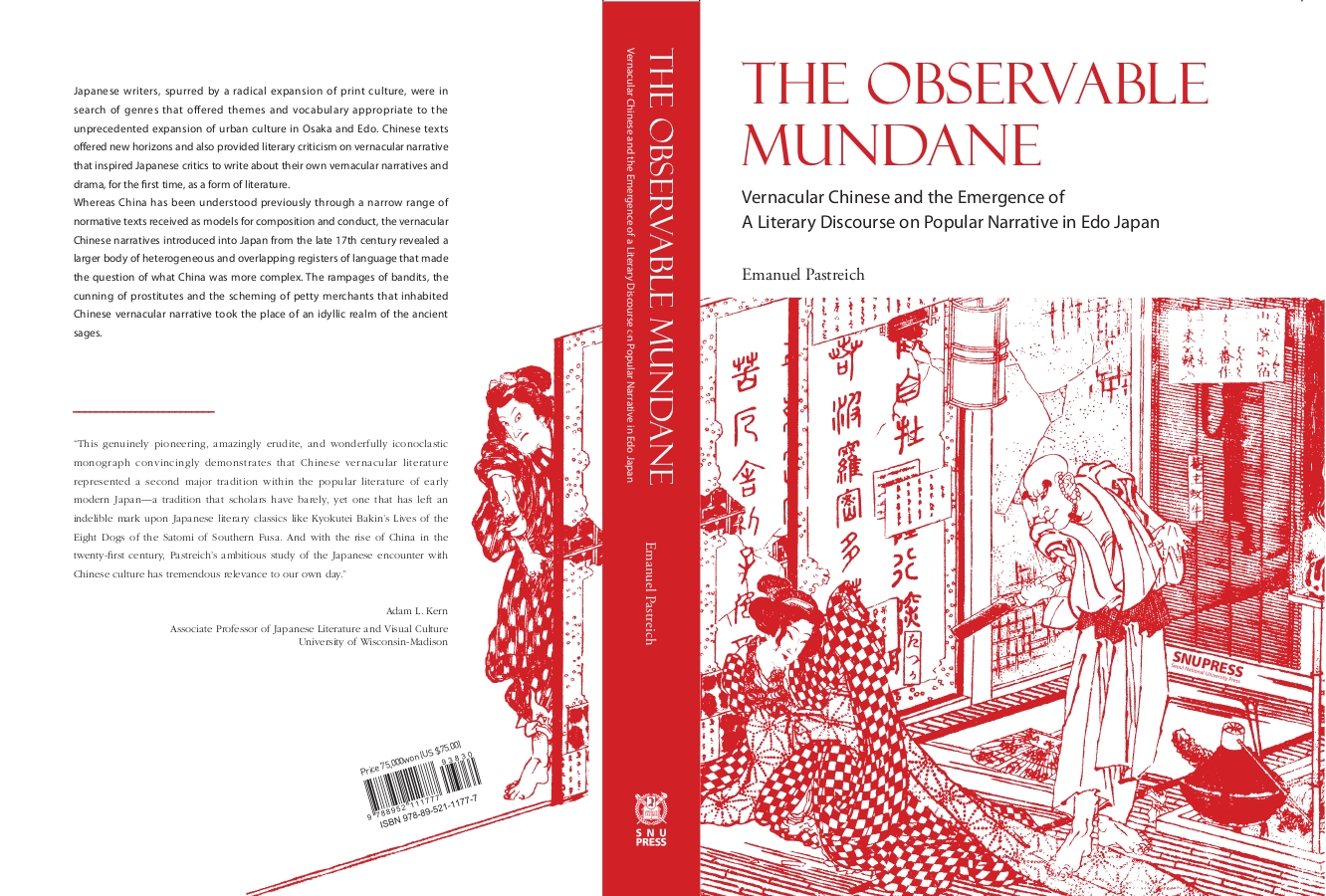
The March 2013 edition of Monumenta Nipponica includes a review of my book The Observable Mundane: Vernacular Chinese and the Emergence f a Literary Discourse on Popular Narrative in Edo Japan (Seoul National University Press) by Peter Flueckiger of Pomona College. I think the review is quite thoughtful and points out the  major problematic in my study of the status of Chinese vernacular narrative within the intellectual discourse of the Edo period.

the observable mundane (1)

MN review of Pastreich’s Visible Mundane Flueckiger

A tribute to my mother Marie Louise Rouff

I would like to pay tribute to my mother Marie Louise Rouff, a woman I believe to be a remarkable artist. She continues to paint every day and produce a remarkable arrange of vivid paintings. I remember as a child living in a home full of the smell of paint and paint thinners. In some respects I did not enjoy all the benefits of richer kids I knew because of the decisions my mother made, but I always supported her in her efforts. He choice was at a deep level also my choice. I learned an immense amount from her over the years both through what she said, she painted, and she did. And she remains my closest confident in all matters.

She was, after all, the one who thought me that if you want to change the world, you must first change how people see the world. If you want to change how people see the world, you must do so with art or literature. That is literally the only way to do so. Politicians and diplomats can never have that sort of power. Only artists can have that sort of impact.

Marie Louise Rouff in her  Studio in Martha's Vineyard
Marie Louise Rouff in her Studio in Martha’s Vineyard

She has moved over the years to monotypes and away from her still life works of apples and pears that I remember from the 1970s.

873452as533

y5WildCard3_32x32iamge 3

‘다른 대한민국’ 꿈꾸는 임마누엘 교수 (연합뉴스)

연합뉴스 

2013년 3월 07일 

강진욱 기자

다른 대한민국’ 꿈꾸는 임마누엘 교수

“내·외국인 구별 없이 나라 발전에 필요한 재능을 발휘할 수 있는 대한민국이 되면 좋겠습니다.”

올해부터 경희대 국제대학원에서 한-중-일 3국 문화와 동아시아학을 강의하는 이만열(미국명 임마누엘 페스트라이쉬·49) 부교수는 7일 연합뉴스와의 인터뷰에서 “미국인이면서 한국인으로 살고 있으니 한국이 앞으로 나아가야 할 진로를 모색하는 의미에서 책을 쓰고 있다”며 이렇게 말했다. 책 제목이 ‘다른 대한민국'(가제)이다.

이 교수는 지난 2년간 경희대 후마니타스칼리지에서 학생들을 가르쳤고, 올해 이 대학 국제대학원으로 자리를 옮기며 부교수가 됐다. 그는 “한국에 온 지 6년 만에 비로소 전문가로 대우받는다는 느낌”이라고 털어놓았다.

Read more

大田三川: “과학·자연·예술 융합된 생태도시 대전을 꿈꿉니다” (대덕넷)

대더넷 HELLO DD

2013년 3월 6일 


“과학·자연·예술 융합된 생태도시 대전을 꿈꿉니다”

이만열 경희대 교수, 대전의 하천 형상화한 포스터 제작
하천로고 머그컵 이어 ‘대전삼천 포스터’로 대전사랑 지속


이주원 기자

원문 


“대전의 하천은 참 멋있습니다. 이 하천을 중심으로 앞으로 대전이 자연과 과학, 예술이 융합된 멋진 생태도시가 되길 바랍니다”

이만열 경희대 국제대학원 교수. 한국말을 유창하게 구사하는 외국인 교수로 유명한 그가 이번에 대전의 삼대하천을 모티브로 한 포스터를 소개하며 한 말이다.


대전삼천

Read more

Oped: “On Climate, Defense Could Preserve and Protect, Rather Than Kill and Destroy”

TRUTHOUT

On Climate, Defense Could Preserve and Protect, Rather Than Kill and Destroy

Thursday, 07 March 2013 10:34

Holding the line against the Kubuchi Desert.

One hundred groggy Korean college students stumble off the train in Baotou, Inner Mongolia, blinking in the bright sunlight. A 14-hour train ride from Beijing, Baotou is by no means a popular destination for Seoul’s youth, but then this is no shopping excursion.

A short, elderly man in a bright green jacket leads the students through the crowd in the station, hurriedly giving orders to the group. In contrast to the students, he does not appear tired at all; his smile is unimpaired by the journey. His name is Kwon Byung-Hyun, a career diplomat who served as the Republic of Korea’s ambassador to China from 1998 to 2001. Whereas his portfolio once covered everything from trade and tourism to military affairs and North Korea, Ambassador Kwon has found a new cause that demands his full attention. At 74 years of age, he has no time to see his colleagues who are busy playing golf or for indulging in hobbies. Ambassador Kwon is in his little office in Seoul on the phone and writing letters to build an international response to the spread of deserts in China – or he is here, planting trees.

Kwon speaks in a relaxed and accessible manner, but he is anything but easy-going. Although it takes him two days to get from his home in the hills above Seoul to the front line of the Kubuchi desert as it makes its ineluctable way southeast, he makes the trip often, and with enthusiasm.

The Kubuchi Desert has expanded so that it is just 450 kilometers west of Beijing

Read more