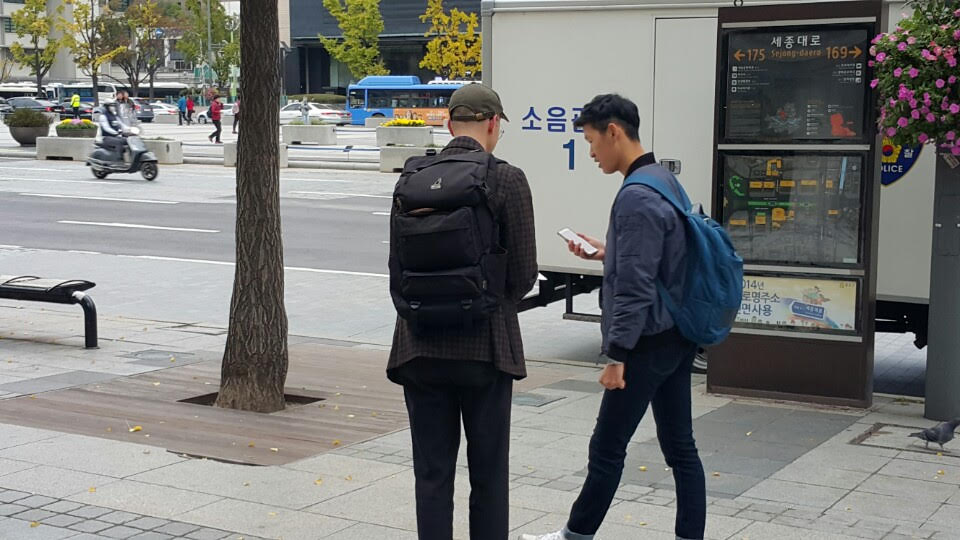
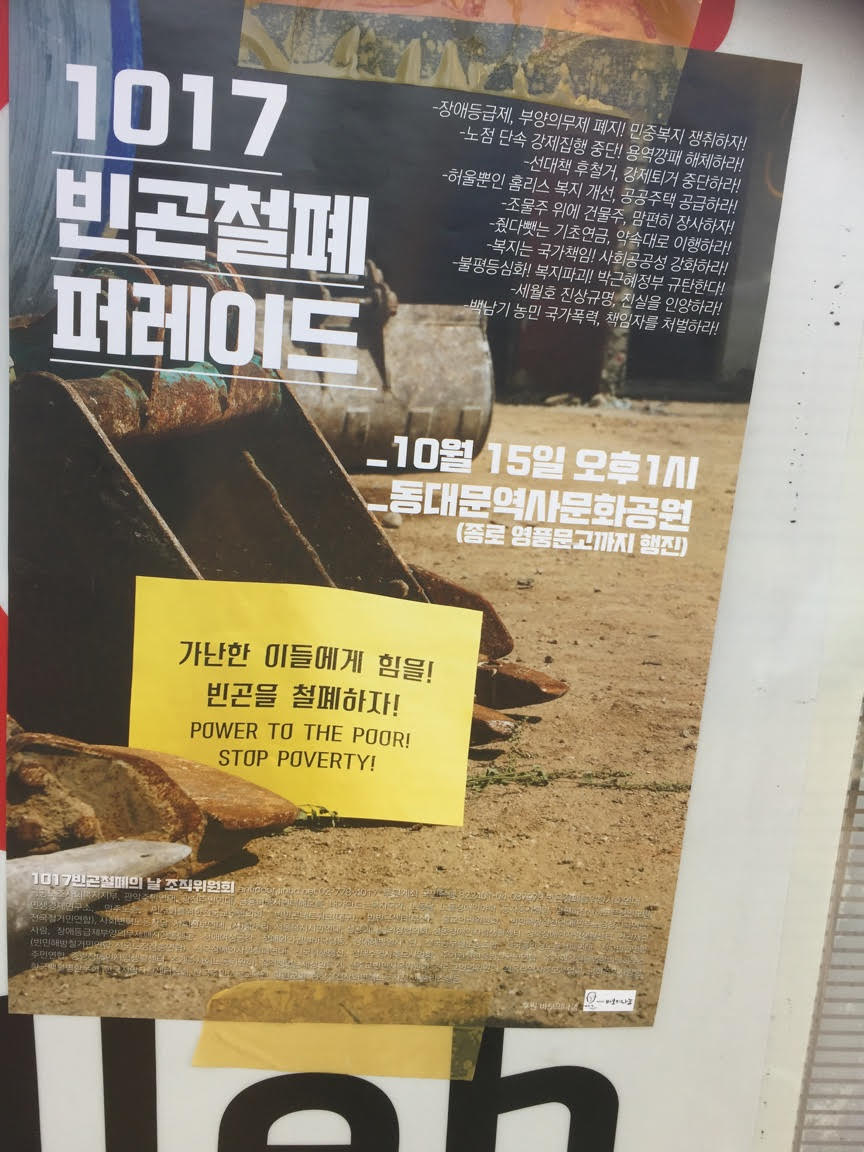
수많은 사람들은 박근헤 대통령 퇴진 시위를 하는동안 옛날 부터 계획 했덤 기후변화 시위를 했어요. 친구 두명 만 왔어요. 많은 사람 한테 자료를 드리고 기후변화 의 위기를 설명 하려고 노력 했어요. 자료를 거부 하는 사람들은 생각 보다 많았어요. 그래도 매우 좋은 경험였어요.
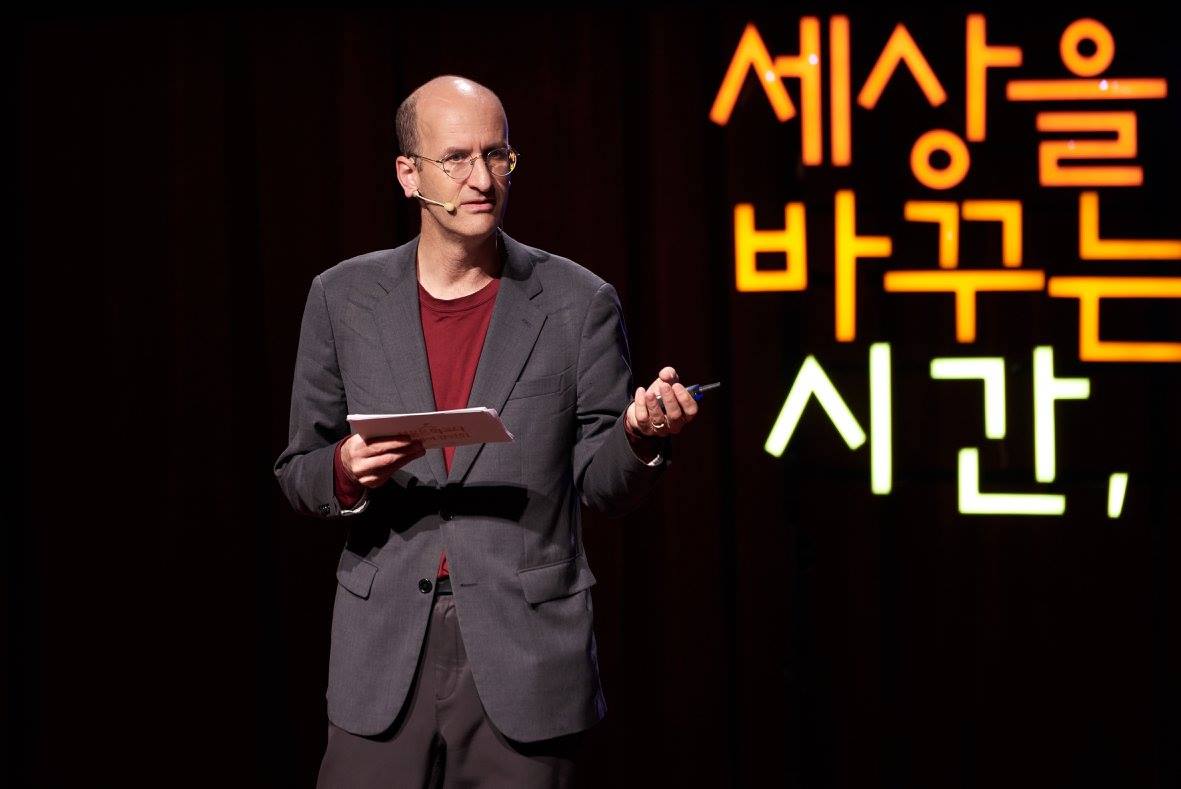
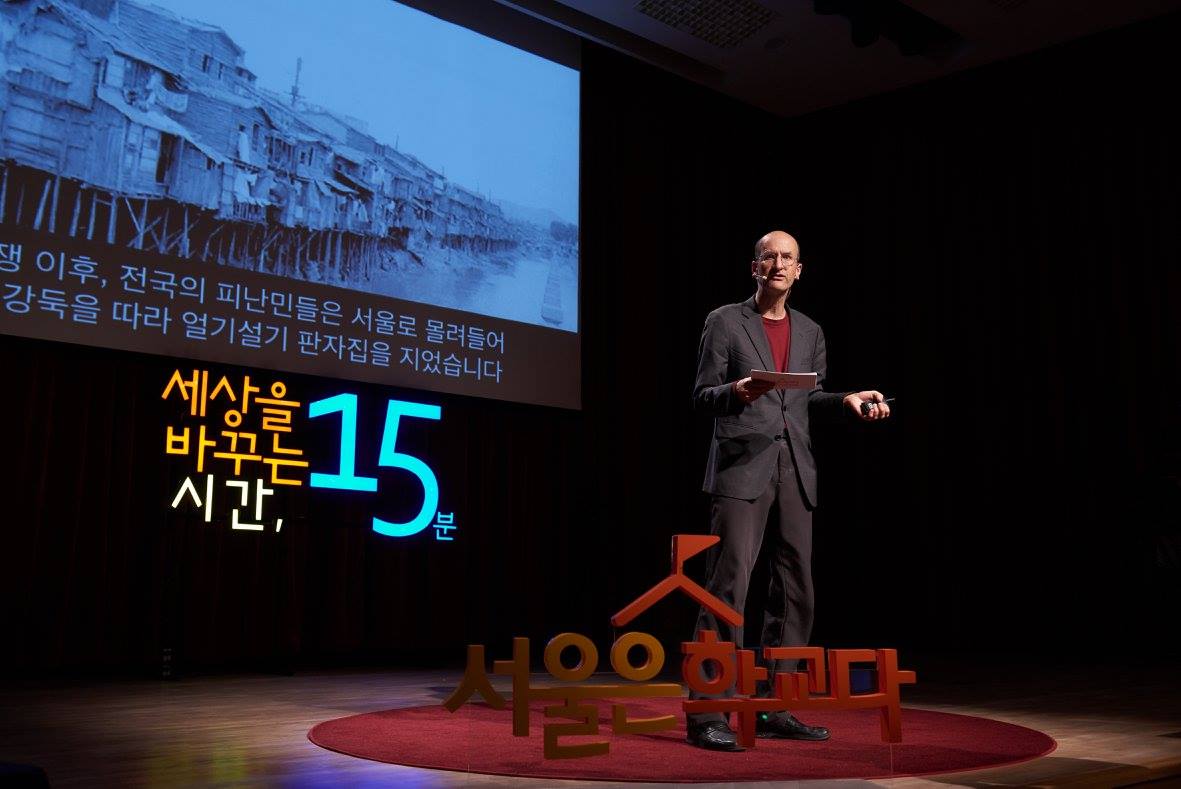
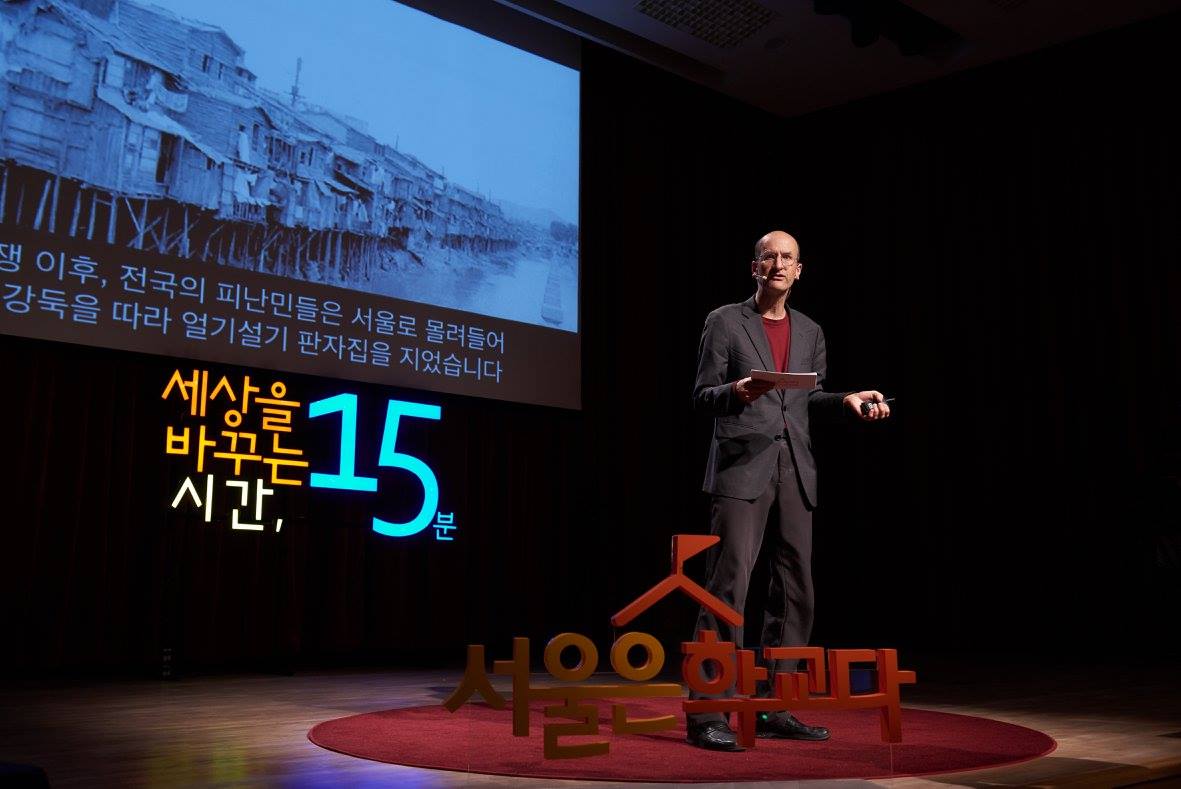
Emanuel Pastreich is the director of the Asia Institute in Seoul, Korea, a think tank that has made the environment and technological change in Asia its central concern. Originally a scholar of classical Chinese literature, and more broadly Asian literature, he has advocated for closer cooperation across Asia to address the profound challenges of our age. He is fluent in Chinese, Japanese and Korean and has recently published a book in Chinese in which he advocates for a new vision of the Chinese economy based in part on traditional Chinese ideas about ecology from Confucianism and Daoism.
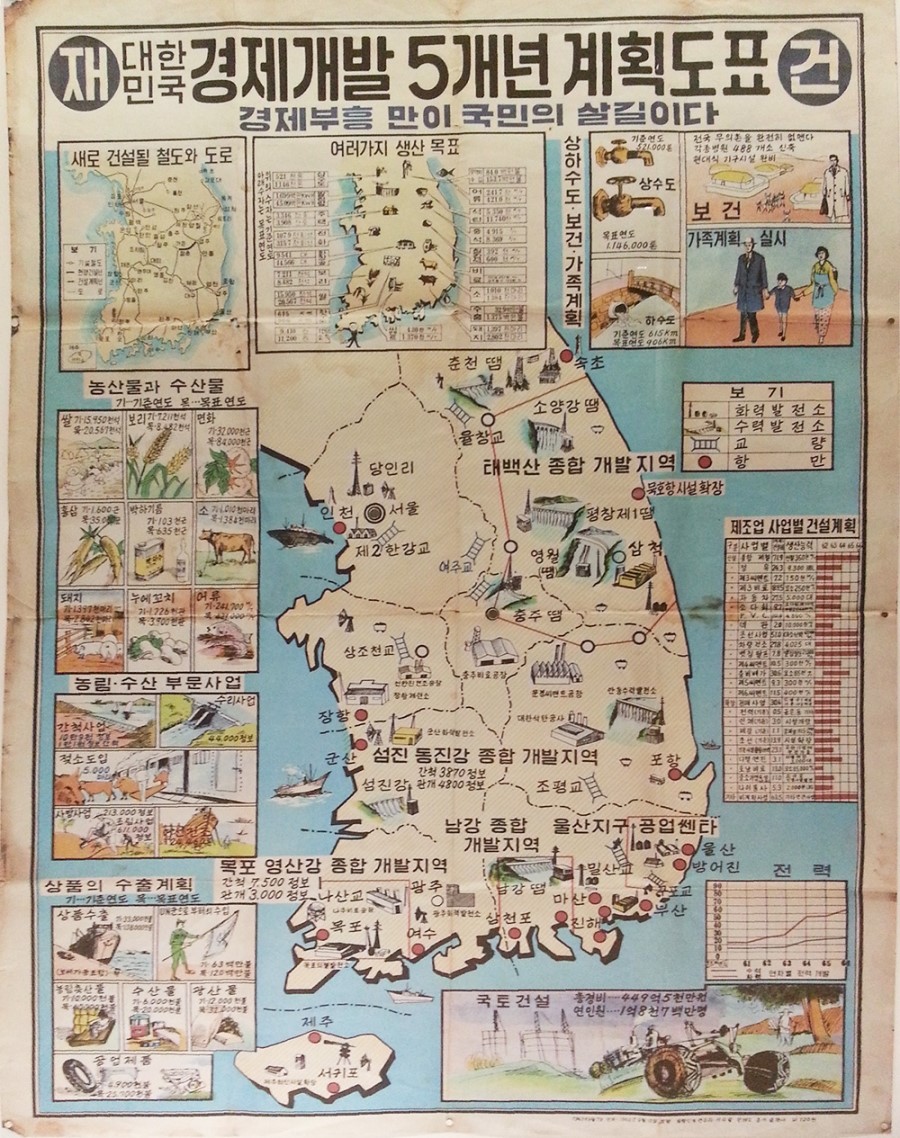
There was a time when Korea’s best and brightest drafted meticulous five-year plans for the development of technologies as part of a 30-year vision for Korea’s future needs. Starting in 1962 and continuing until 1981, these plans set out goals and mobilized resources to build expertise, construct infrastructure, obtain technology and assure a broad understanding among the population of the challenges that Korea faced.
Such five-year plans continued until 1996, although they lost their focus on infrastructure and technology. However, long-term government support for science and technology remains in place, such as the “basic plan for developing biotechnology” through 2026.
Such research and development, however, focused too much on creating products for global markets, rather than technology aimed at addressing directly the threats that Korea faces.
The time has come for the re-establishment of five-year plans for Korea, but with the adaptation to climate change, and the mitigation of energy consumption, as the primary goal.
But development should consist of forecasting the future and planning for it based on three points.
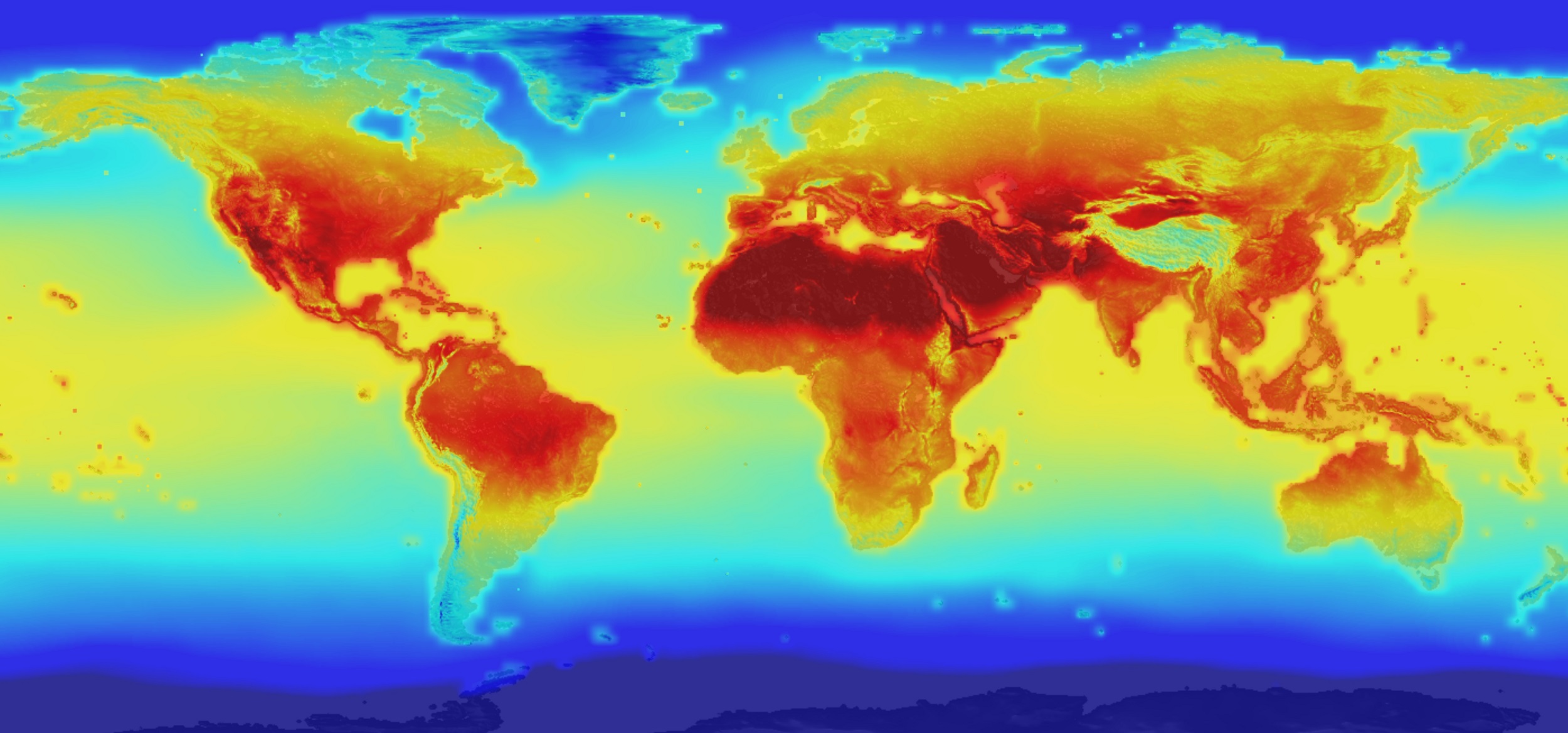
First, what will be the state of the environment in Korea in 10, 20 or 30 years? What will be the sea level and the frequency of droughts, super-storms and flash floods? What will be the state of the soil, of forests, of agricultural land and of fish populations?
Second, what technologies will be available by that future date granted the current rate of technological evolution? How can those technologies be implemented quickly to assure that Korea is carbon-free and can respond to threats?
Third, how long will it take to design and implement the new infrastructure based on that technology so as to respond in time to future climate threats?
We should start with a five-year plan that requires all buildings to employ solar panels and be properly insulated by 2021. The plan would involve industry, academia and government and cover technology, commercialization, citizens’ education and urban planning with a focus on empowering local groups to participate. Solar film to place on windows and cutting-edge insulation materials should be quickly adopted. Other plans should be implemented for the response to super-storms, to rising sea levels, and to protect forests and oceans and farmland.
These five-year plans should not be aimed only at producing products for export, but rather at meeting the challenges of protecting Korea against the threats of climate change. Preparations for responding to rising seas and a warmer climate must be carried out as a national security agenda without a fixation on markets.
Finance for these projects must be generated increasingly within Korea, and finance must be increasingly directed toward the concrete demands of the response to climate change at the national level, and not toward speculation or short-term investments unrelated to the national interest.
Ultimately, this crisis may force us to go back to the drawing board and ask whether industries like shipbuilding, automobile manufacturing, steel and petrochemicals will lead Korea’s future in light of the overwhelming threat of climate change. The government must show bravery, true leadership, by mapping out the equivalent of a war-time economy to integrate emerging technologies with infrastructure demands to respond over the long term to this profound threat. There can be no sacred cows.
The government must put in place a series of five-year plans for industrial development with a set of concrete goals for reducing dependence on imported fossil fuels, increasing insulation, efficiency, awareness and the broad adoption of new technologies, and more importantly, systems of technology, habits, policy and culture that will allow Korea to reach its goals very rapidly. Moreover, the manner in which Korea innovates to achieve these goals more rapidly than other industrialized nations will become in itself a valuable product that Korea can share with the world.
Two sets of five-year plans should be put in place. One for adaptation to climate change and one for mitigation of climate change. Both are equally important, and both must be closely linked to be successful. Moreover, the plans require a change in the culture, the habits, the assumptions of Koreans, and also massive reforms in finance, trade and investment policy that will set Korea free of oil money and petroleum imports and make it a global model.
한국 최고의 인재들이 꼼꼼하게 기술개발 계획을 짜던 때가 있었다. 경제개발 5개년 계획은 한국에 앞으로 무엇이 필요할지를 판단해 30년 앞을 내다보는 비전을 제시했다. 1962년에 시작돼 81년까지 지속된 박정희 전 대통령의 경제개발 5개년 계획은 목표 설정을 바탕으로 전문성 확보, 인프라 건설, 기술 획득을 위한 재원을 동원했다. 경제개발 계획은 또한 국민에게 한국이 직면한 도전이 무엇인지 폭넓게 이해시켰다.
5개년 계획은 인프라와 기술에 대한 포커스가 사라진 채로 96년까지 계속되다 결국 중단됐다. 하지만 과학기술에 대한 정부의 장기적인 지원은 유지되고 있다. 예컨대 2026년에 끝나는 제3차 생명공학 육성 기본계획이 좋은 예다.
하지만 지금까지 연구개발(R&D)은 세계시장을 겨냥한 상품을 개발하는 데 지나치게 주력한 반면, 한국이 직면한 위협을 정면으로 대응하는 데는 상대적으로 소홀했다.
한국의 미래를 위해 5개년 계획을 다시 수립할 때가 왔다. 새로운 5개년 계획은 기후변화에 대한 적응과 에너지 소비의 경감을 일차적인 목표로 삼아야 한다.
새로운 발전 계획은 미래 예측과 다음 세 가지 측면의 미래 계획 수립으로 구성돼야 한다.
첫째, 10년•20년•30년 후 한국이 처한 환경은 어떤 상태일 것인가. 해수면은 어느 정도까지 상승할 것인가. 가뭄, 수퍼 태풍, 돌발 홍수는 어느 정도의 빈도로 발생할 것인가. 토양•삼림•농지•수산자원은 어떤 상태일까.
둘째, 현재의 기술 발전 속도를 감안하면 미래의 각 시점에서 어떤 기술이 가용할 것인가. 어떻게 하면 이용 가능한 기술을 신속하게 투입해 한국이 카본프리(carbon-free)를 달성하고 여러 위협에 대응할 수 있을 것인가.
셋째, 미래의 기후 위협에 대응하기 위해 기술 기반의 새로운 인프라를 설계하고 건설하려면 어느 정도의 시간이 필요할 것인가.
첫 번째 5개년 계획은 2021년까지 모든 빌딩에 태양광 패널을 설치하고 적절한 단열 처리를 의무화하는 것으로 시작해야 한다. 산업계•학계•정부가 참가하는 5개년 계획에는 기술, 상업화, 시민 교육과 도시계획이 포괄돼야 하며 각 지역의 그룹에 대한 권력부여(empowerment)에 포커스가 맞춰져야 한다. 창문에 부착하는 태양광 필름과 최첨단 단열재를 신속하게 채택해야 한다. 수퍼 태풍, 해수면 상승, 삼림•해양•농지 보호 문제에 대응하기 위한 다른 계획도 실시돼야 한다.
이들 경제개발 5개년 계획의 목표는 수출용 상품을 생산하는 것에 국한하면 안 된다. 기후변화의 위협으로부터 한국을 보호하는 데 필요한 대응책을 마련하는 게 주요 목표가 돼야 한다. 해수면 상승과 지구온난화에 대응하기 위한 대비는 국가안보 어젠다 차원에서 실행돼야 하며 시장성에 집착하지 말아야 한다.
이들 프로젝트를 위한 재원은 한국에서 창출되는 부분이 점진적으로 증가해야 한다. 또한 재원을 점차적으로 투입할 대상은 국가이익과 무관한 투기나 단기 투자가 아니라 국가 차원의 기후변화 대응에 필요한 구체적인 수요여야 한다.
궁극적으로 기후변화는 우리로 하여금 원점에서 출발하도록 만들지도 모른다. 모든 것을 압도하는 기후변화의 위협을 감안했을 때 우리는 조선업•자동차제조업•철강업•석유화학공업 같은 산업들이 과연 한국의 미래를 이끌 수 있을지 묻게 될 것이다.
장기간에 걸쳐 기후변화라는 이 엄청난 위협에 대응하려면 정부는 신흥 기술을 인프라 수요와 통합하기 위해 전시경제를 방불케 하는 경제체제를 계획해야 한다. 정부는 용기와 진정한 리더십을 보여줘야 하는 것이다. 성역(聖域)은 없을 것이다.
정부는 화석연료 수입 의존도를 축소하고 단열 처리, 효율성, 의식 고취, 광범위한 신기술 수용을 확대하는 데 필요한 구체적인 목표를 설정하는 일련의 5개년 산업 발전 계획을 시행해야 한다. 무엇보다 중요한 것은 한국이 지극히 빠른 속도로 목표를 달성하게 하는 기술•습관•정책•문화의 체제를 수립하는 것이다.
한국이 다른 산업국가들보다 이러한 목표들을 보다 빨리 달성하게 만드는 한국만의 혁신 방식 자체가 세계와 공유할 수 있는 소중한 ‘상품’이 될 것이다.
두 가지 5개년 계획을 병행해 실시해야 한다. ‘기후변화 적응(adaptation to climate change)’을 위한 계획과 ‘기후변화 완화(mitigation of climate change)’를 위한 계획이다. 두 계획 모두 동등하게 중요하며, 두 계획이 긴밀하게 연계돼야 성공할 수 있다.
계획은 한국인의 문화•습관•가정(假定•assumption)의 변화와 한국을 오일머니와 석유 수입으로부터 자유롭게 하고 한국을 글로벌 모델로 만들 금융•무역•투자 정책의 대대적인 개혁을 요구한다.
As teachers we should be committed to conveying truth and
wisdom to our students. To give them facts to students and ask them to repeat them
is not teaching and it is not education.
You might say that a ritualistic approach to education is a disservice to
students because it suggests that there is no greater meaning to what they read and write than the numerical grade that they receive. In fact, we should teach in such a manner that it is clear to students that knowledge without
ethical commitment and action is like blood in the veins without a beating heart and breathing lungs.
Nowhere is this problem more evident than in the case of climate change.
I talk about climate change in all my classes to some degree and I am increasing forcing myself to bring the topic up with people I meet.
Although that requires a certain degree of bravery.
More than a little. Two people whom I gave my “Stop Climate Change” pins to
then proceeded to leave them behind on the table when they left–never having put them on.
But I wonder whether a teacher who never speaks of the ethical responsibilities of the student is playing a role as a teacher.
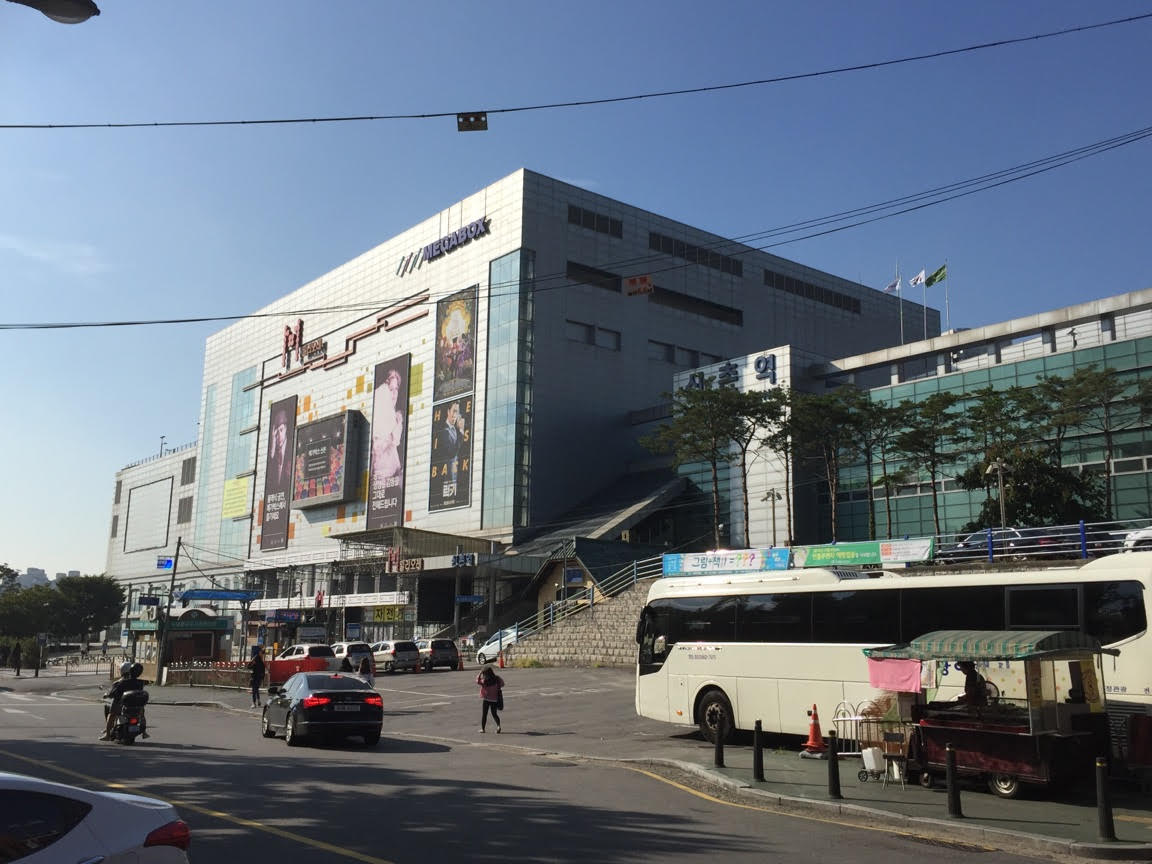
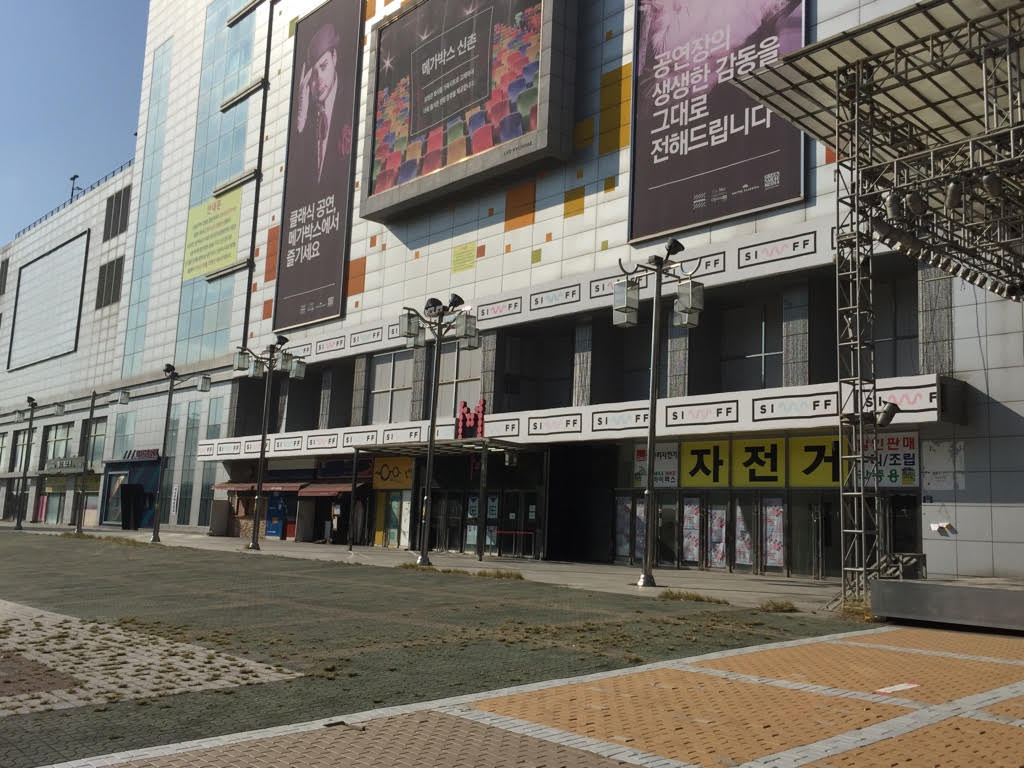
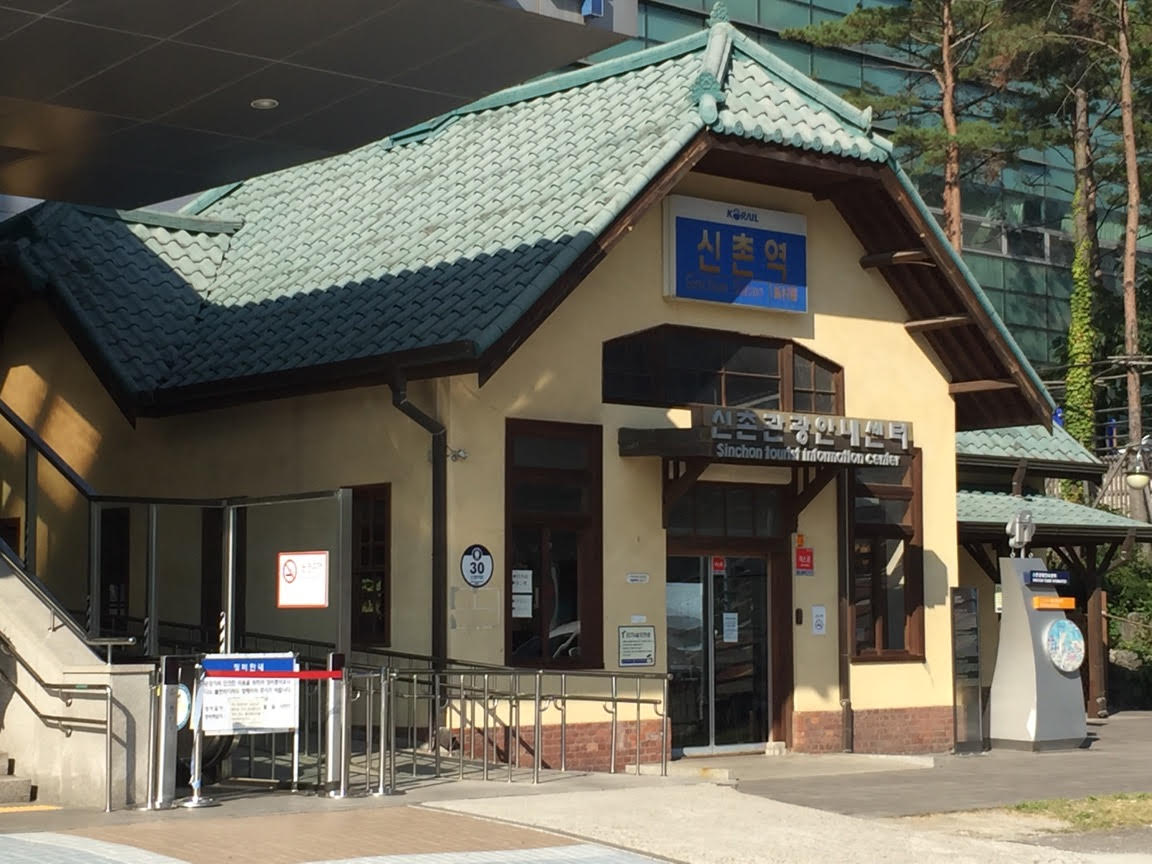
The old Sinchon Station is visible in the midst of the overbuilt development that makes up the new Sinchon station.The new shopping is center has essentially closed down, whether awaiting redevelopment or something else.The quaint Sinchon station now exists as a center for tourism information.
One of the saddest aspects of contemporary Korean culture is the emphasis on false monumentality.
The assumption among many Koreans, and especially city planners, that large and impressive structures create a modern, and therefore more enjoyable and more livable, environment.
Nowhere is this tragedy more apparent than at the Sinchon station near Yonsei University. The has been built up into an enormous shopping center, but there is almost no business and the building was so poorly constructed that it has been shut down for repairs. The assumption was that somehow through this massive over-development the neighborhood would be improved. But the simple original Shinchon Station remains as a contrast. This handsome building is more than sufficient as a station and with a bit of modification could still be employed today.