日韓科学技術勉強会 2012年8月27日(月)
研究開発戦略センター
科学技術振興機構
Republican Party candidate for President Mitt Romney summed up his strategy in this remark after his acceptance speech at the Republican National Convention on August 30, 2012:.
“President Obama promised to begin to slow the rise of the oceans and heal the planet. My promise is to help you and your family.”
The implications of the use of the past tense in this sentence are profound; “promised to” as opposed to “promises to” suggests that Obama has already failed in his promise. We are not looking at a simple contrast of Obama as a polar bear hugger and Romney as a man who cares about you. If that was the case, there would not be any need to employ the past tense. The implication is on the surface that Obama made a promise he could not keep. That implication suggests that the concern with rising oceans may not be entirely misplaced.
WEDNESDAY, OCTOBER 3, 2012 4:00 PM
Emanuel Pastreich
Associate Professor of Humanities, Humanitas College at Kyung Hee University
“The Observable Mundane: The Reception of Chinese Vernacular Narrative in Korea and Japan“
EAST ASIA COLLOQUIUM SERIES
Council on East Asian Studies, Yale University
Location: Room 312, Hall of Graduate Studies (320 York Street)
details
October 1, 2012 at 4:30 pm
Emanuel Pastreich
Kyung Hee University
“The Reception of Chinese Vernacular Narrative in Korea and Japan”
East Asian Studies Program., Princeton University
Location: 202 Jones Hall
Details
Asia Institute Interview with Mr. N R Narayana Murthy
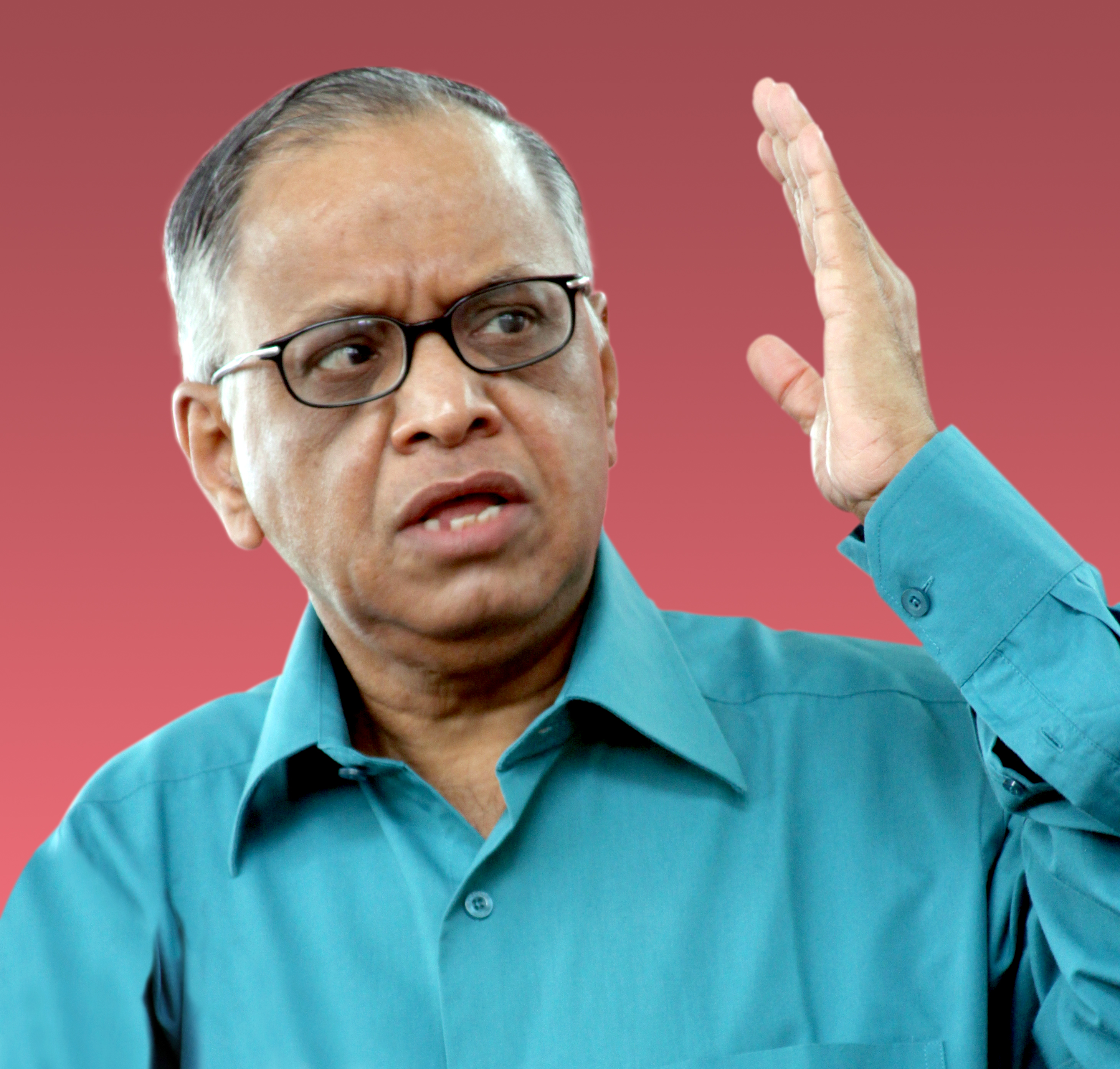
August, 2012
Speaker
N R Narayana Murthy
Founder and Chairman Emeritus of Infosys Technologies Pvt Ltd., India
Mr. Murthy is a legendary Indian business known for building Infosys Technologies from a local company to a global leader in consulting and technology services. This Interview concerns the position of SMEs (small and medium-size enterprise) in Korea and in the world.
16 Steps to address the environmental crisis
Steps that you have already thought of, but that you have never seen written down anywhere!
Emanuel Pastreich
August 19, 2012
One of the great tragedies of our age is the ineffectiveness of efforts to address the environmental issues of our day. People are distracted from the problem of climate change by a specious debate about whether climate change is as dangerous, or dramatic, as some would claim, or whether it might be less severe, even a part of natural processes. That discussion is a remarkable waste of time. Even if you believed there was no climate change whatsoever (which is hard to argue considering that the Middle East was once fertile farmland), the crisis of overpopulation, water scarcity and pollution of ground water, the destruction of forests and ecosystems, over-fishing and damage to the atmosphere itself is more than enough to suggest radical change is taking place in our environment that puts us all at risk.
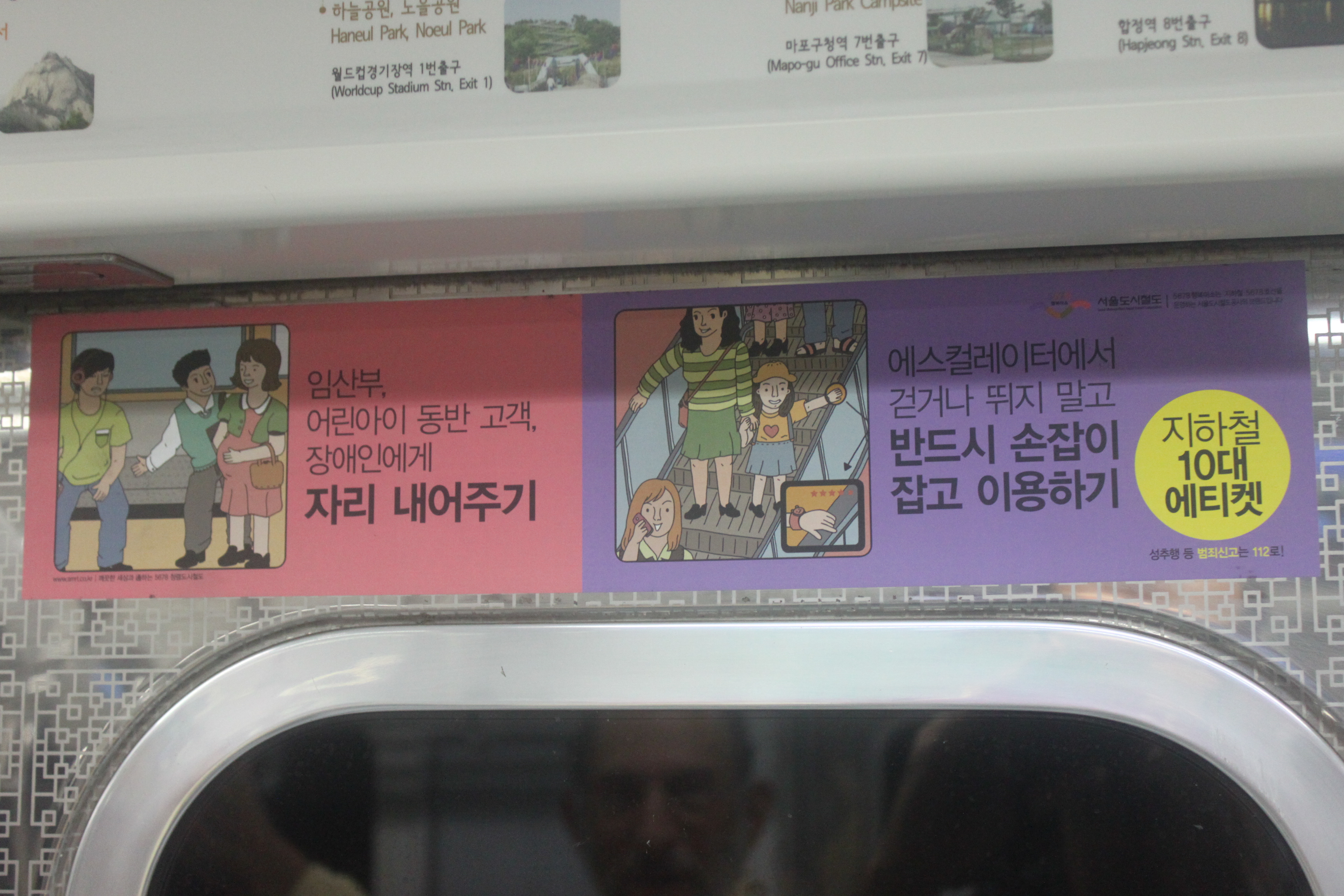
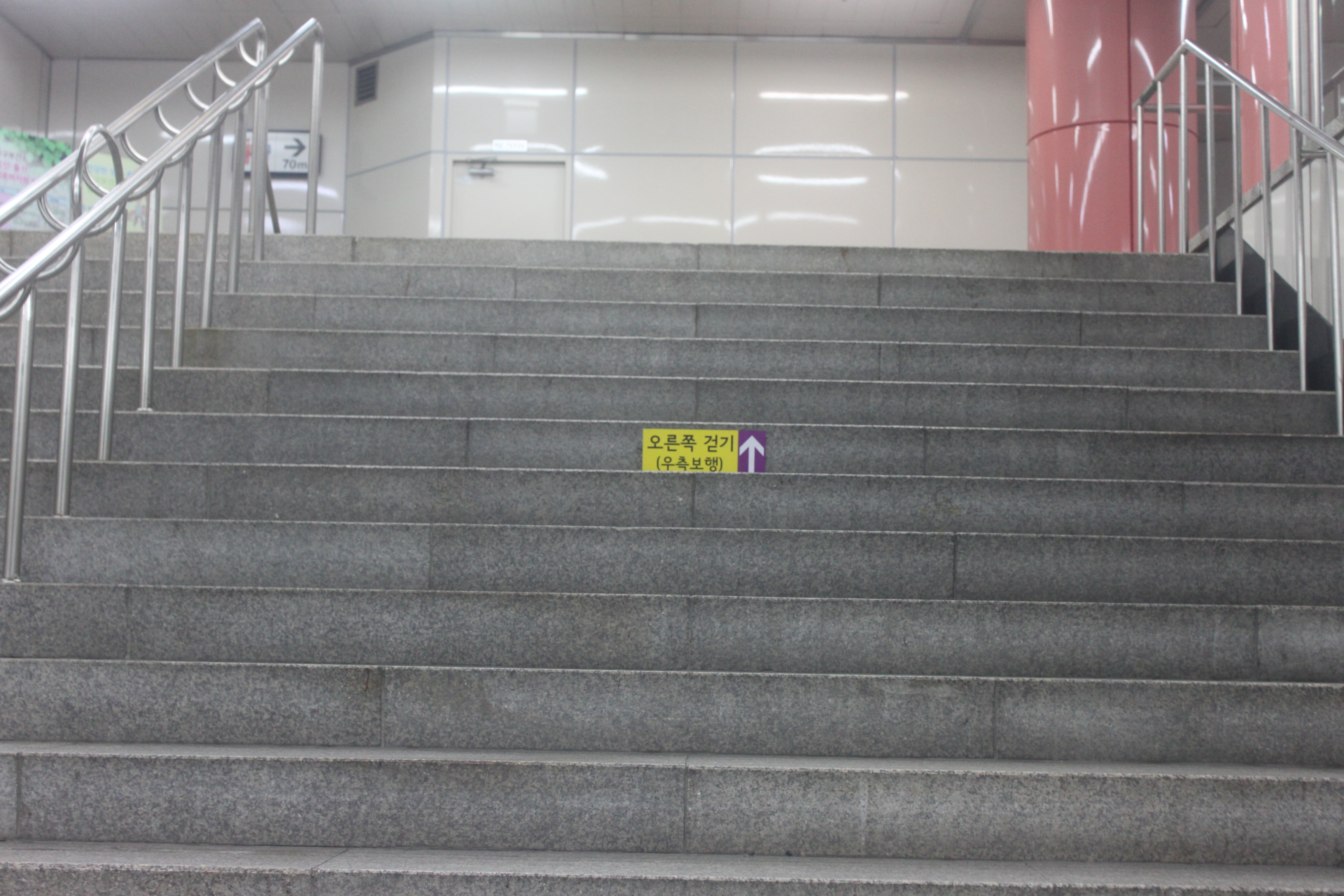
One unique aspect of Korea is the degree to which government sees it as its job (often in a positive sense) to change culture and habits so as to create a more cultured, civilized, society. The most striking effort over the last two years is the push to get Koreans to line up to get on trains and to walk up and down staircases on the right side. The process has had considerable impact on Korea where people did not line up, or walk on the right side, previously.
I have been reading through Franklin Roosevelt’s First Inaugural Address this evening as part of work on a book. I was struck by the relevance of much of its content for the current day and have included two striking quotes and the full body of the address.
First on the tragedy of making profit the driving force for a culture:
“Stripped of the lure of profit by which to induce our people to follow their false leadership, they have resorted to exhortations, pleading tearfully for restored confidence. They know only the rules of a generation of self-seekers. They have no vision, and when there is no vision the people perish.”
A demand that people start speculation with other people’s money.
The stone inscriptions at Yale spoke to me as an undergraduate, particularly the haunting carvings of the Sterling Memorial Library. This enormous bibliographic cathedral is a mixture of late Art Deco and Gothic Revival that was designed by James Gamble Rogers and completed early in the depression in 1931.
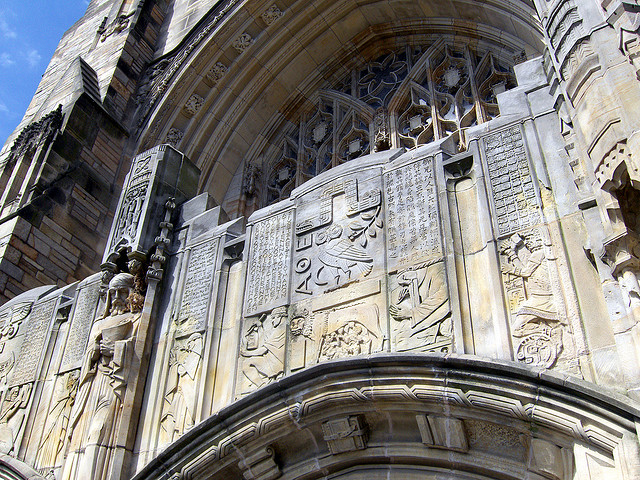
Above all, the carvings over the main entrance to Sterling Memorial Library made the deepest impression on me as I passed through them almost every day. From left to right above the right door stand four tablets with ancient scripts: Arabic, Greek, Chinese and Mayan passages with their respective scribes standing below.
I am currently reading Ahn Chol-Soo,s new book “Thoughts of Ahn Chol-Soo.”
Ahn, who serves as Dean of Graduate Studies at the Institutes for Convergence Technology at Seoul National University, has been engaged in a remarkable political dance for the last year concerning whether or not he will run for president. He is someone who has never held political office before. In the United States, this sort of a political game would be impossible as no one who is not committed early on could possibly be a last-minute candidate. With the Korean elections scheduled for December, it is astonishing that someone who has not taken the first step to start a campaign is being compared favorably at times with the conservative party candidate Park Kyun-hye.