One unique aspect of Korea is the degree to which government sees it as its job (often in a positive sense) to change culture and habits so as to create a more cultured, civilized, society. The most striking effort over the last two years is the push to get Koreans to line up to get on trains and to walk up and down staircases on the right side. The process has had considerable impact on Korea where people did not line up, or walk on the right side, previously.
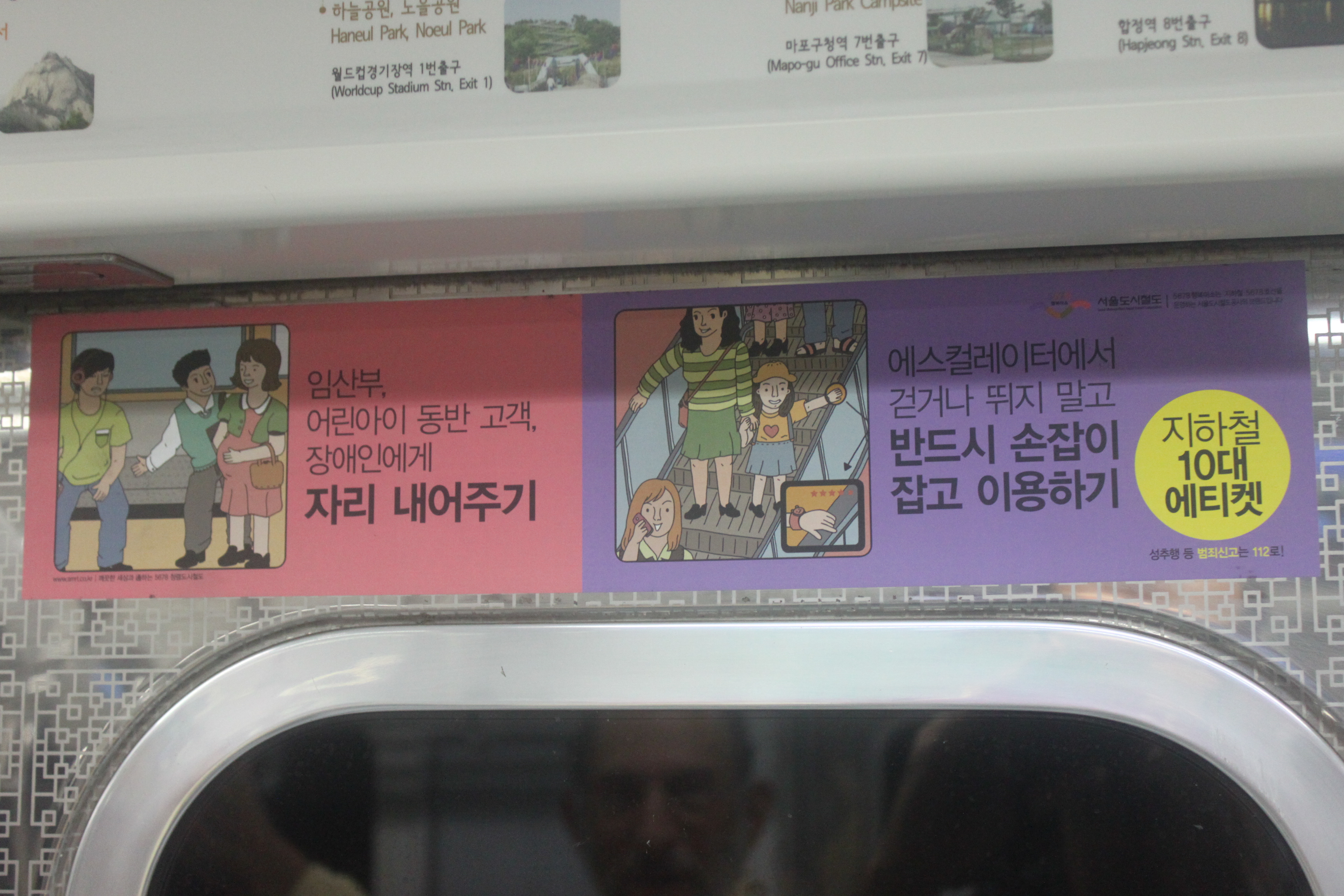

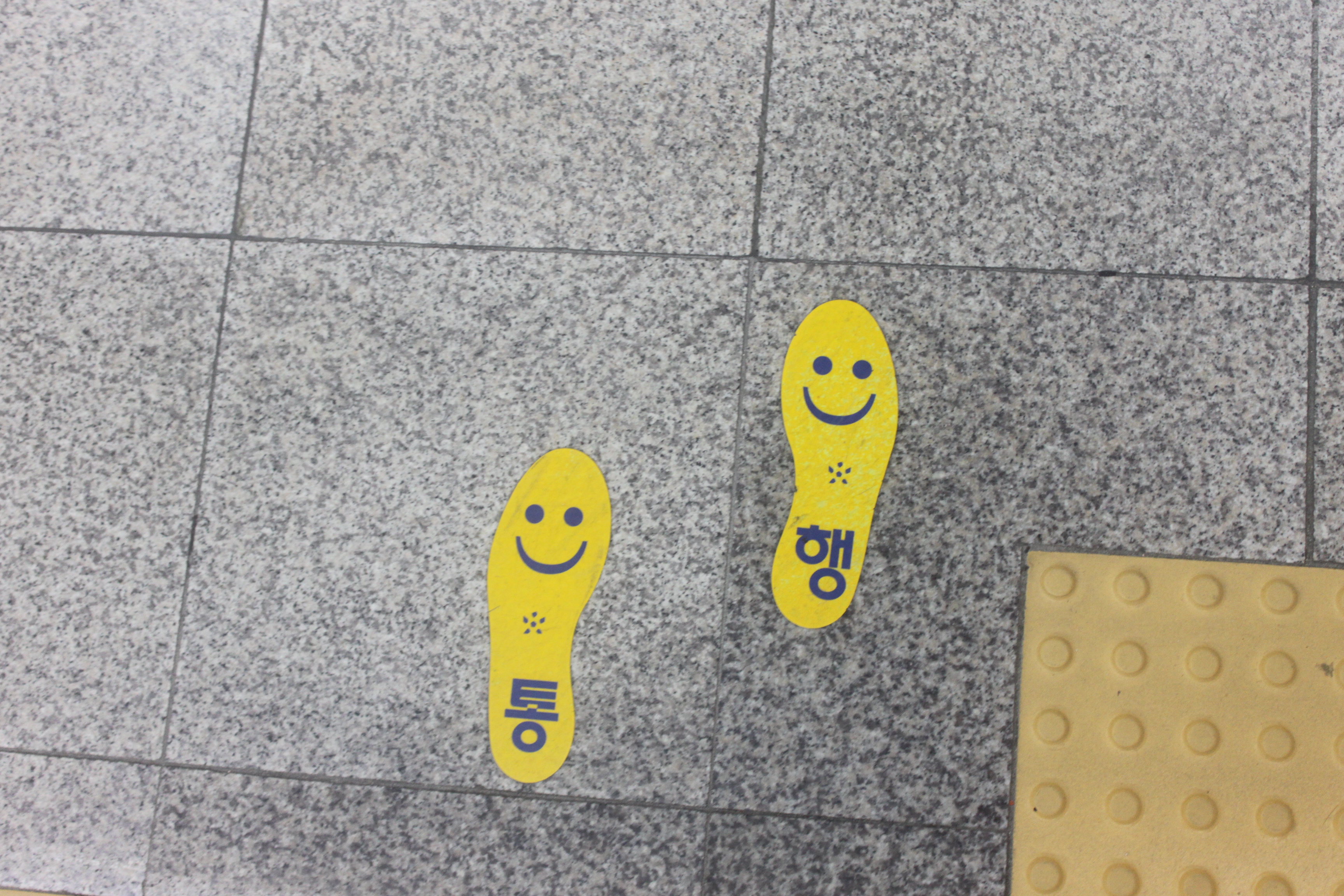
This is one of the things I appreciate about Korea. What is sometimes a drawback – not being able to break out of socially rigid roles, constant social surveillance- can sometimes be a social advantage.
Korea was always like that, at least during and since joseon. The government even had agencies for the improvement ( and enforcement) of what it thought public morals should be. As oppressive as this could be, it does generate a sense of social cohesion and order lacking in many societies. And you can lurch quickly from one social norm to another.
In china’s case, this means lurching like a drunken elephant. In korea’s case, it’s able to be fleeter of foot.
North korea’s government is, in a way, an ideological descendant of joseon Confucianism, as far as order goes. In some ways, it’s more traditional than communist.
South Korea has the same impulse, but with a different modern basic outside influence; individualism is a powerful social meme here, resulting in a rug of war between rigid conformity and individual decision-making.
I think this is a better compromise than the north’s more dogmatic interpretation of Korean values.
On the other hand, the good-government oversight you notice here is only really possible in a monolithically homogeneous society. Whenever you get any serious diversity, this becomes impossible. It may even become divisive.
This just showcases how much better at some things a culturally monolithic society is when compared to others.
This is true for some things, but the limitations and weaknesses this imposes analso be pretty huge liabilities.
But these are the things that make living in Korea interesting, above all else.