임마누엘 페스트라이쉬 Emanuel Pastreich (이만열)
서적
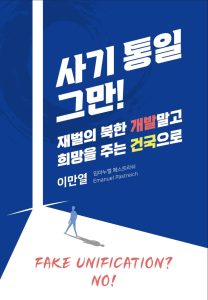
사기 통일 그만 재벌의 북한 개발말고 희망을 주는 건국으로 (2022년) 나루터
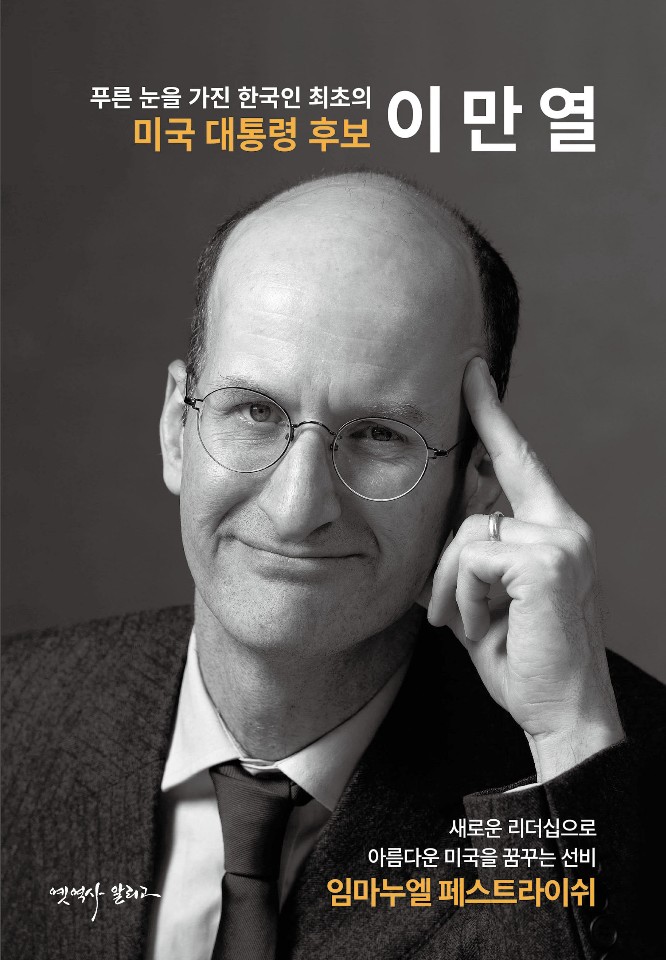
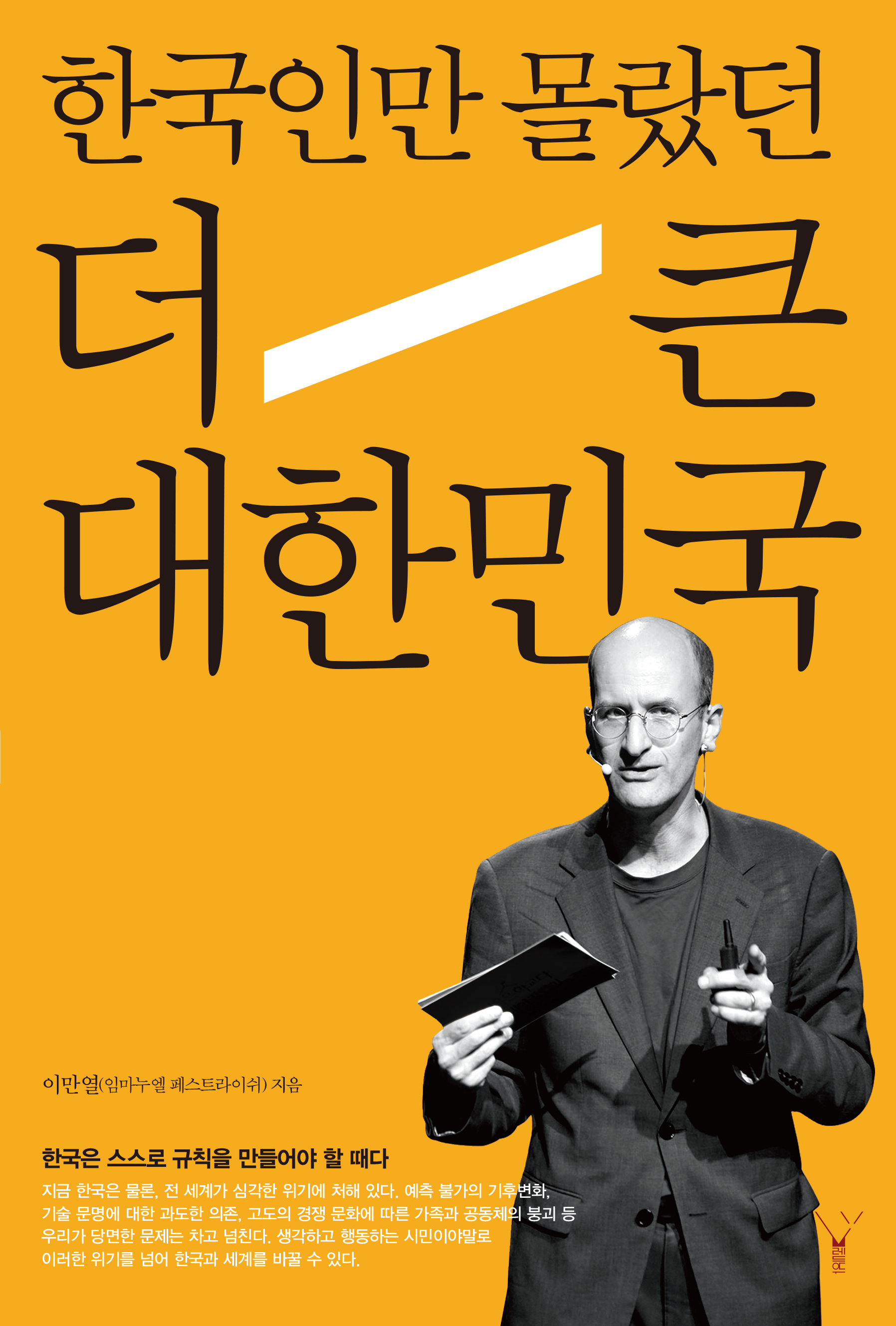
푸른 눈을 자긴 한국인 최초의 미국 대통령 후보 이만열: 새로운 리더십으로 아름다운 미국을 국꾸는 선비 임마누엘 페스트라이쉬 (2020년) 옛역사 일리고
사기 통일 그만 재벌의 북한 개발말고 희망을 주는 건국으로 (2022년) 나루터
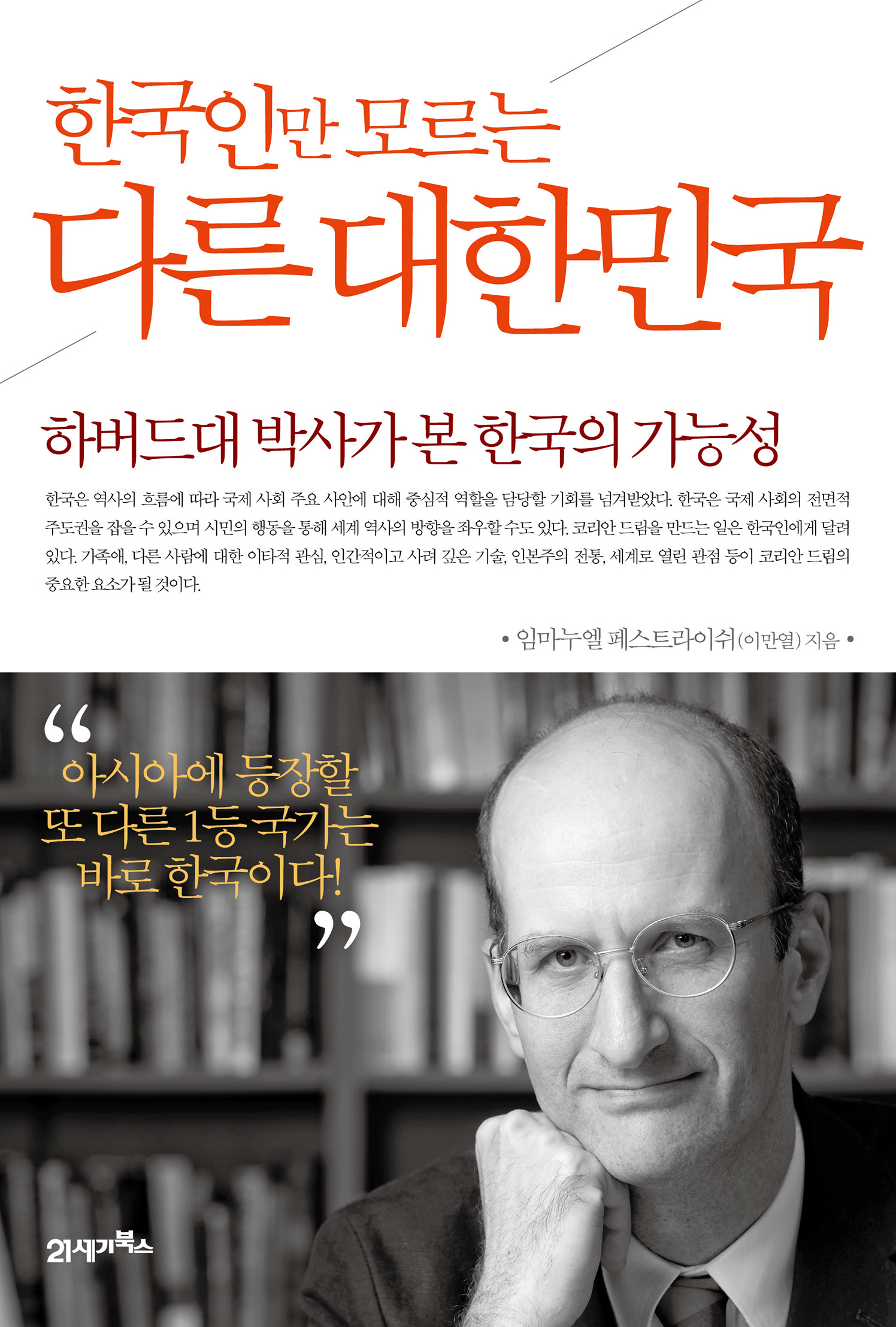
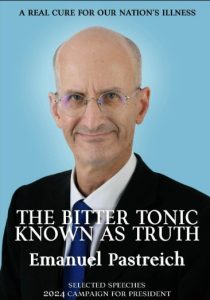
The Bitter Tonic Know as Truth
Selected Speeches from the 2024 Campaign for President
Book Baby (2024)
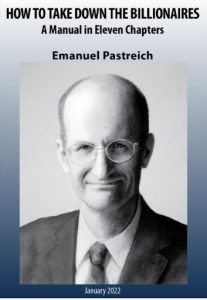
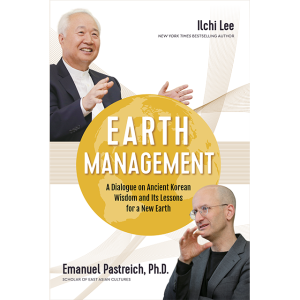
How to Take Down the Billionaires
A Manualin Eleven Chapters
Book Baby (2022)
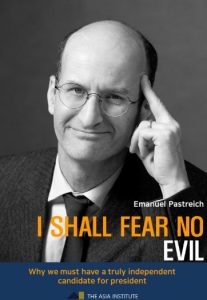
I Shall Fear No Evil
Why we must have a truly Independent Candidate for President
The Asia Institute (2020)
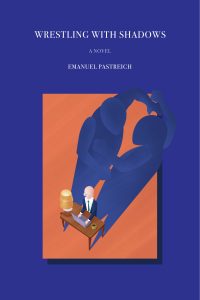
Wrestling with Shadows
A Novel
BookBaby (2022)
The Observable Mundane: Vernacular Chinese and the Emergence of a Literary Discourse on Popular Narrative in Edo Japan
”将俗语当做文学:
论中国通俗小说的流传如何扩展韩国和日本的文学范畴“
贝一明 (Emanuel Pastreich)
1)引言
2)文言文在东亚的地位
3)俗语在朝鲜的地位和对中国通俗小说的接受
4)十九世纪朝鲜的中国通俗小说和对中国通俗小说的评论
5)日本武士和日本小说
6)十八世纪日本中国通俗小说和本地小说
7)结语
首尔大学 人文大学 东亚文化研究所
东亚文化 (39辑)
2001年 12月
ザ・ハフィントン・ポスト・ジャパン
”東アジア――武器よさらば”
2014年 10月 20日
エマニュエル パストリッチ
現在、東アジアは無数の課題を抱えている。東アジア諸国は領土問題、歴史認識、天然資源、さらには環太平洋の勢力均衡をめぐり互いに争っている。これらの課題すべてに対し、アメリカはつねに紋切り型のアプローチ、すなわち自由貿易と軍拡という薬を処方してきた。アメリカ合衆国が東アジアにおいて推し進めるTPP(環太平洋戦略的経済連携協定)の批准が成功する目途は今のところない。目下のところ、アメリカ政府は東アジアへの武器販売と軍事的役割分担という古い対処法に舞い戻っている。
オバマ政権のアジア重視戦略 (いわゆるアジア基軸)は、この地域の紛争に関するアメリカの軍事的対応の最新版にすぎない。長年、ワシントンは東アジアの同盟国に高価なアメリカ製武器システムの導入と国防予算の増額を押しつけてきた。悲劇的にも、アメリカの軍事的福音の大団円は大惨劇ともいえる紛争に終わるかもしれず、それがアメリカの東アジアの影響に終止符を打つものとなるかも知れない。
東アジアの経済的繁栄は世界の羨望の的である。しかし、近年東アジアでの軍事支出の増加の勢いが100年前のヨーロッパを彷彿とさせるものとみなしても、あながち間違いではないであろう。実際、東アジアの国々は世界の軍事支出の上位を占めている。中国の軍事支出は世界第2位、日本は第8位、そして韓国は第10位とその順位を上げている。また、世界第3位のロシアの地政学的に極東での役割は重要であり、同国は中国、韓国との環境強化にも乗り出している。オーストラリアは世界第13位であり、東アジアにおける存在感を高めている。
I had the great honor of presenting a paper about my research concerning the reception of Chinese vernacular narrative in Korea and Japan at the Chinese Department of Peking University on October 11. I received many extremely thoughtful questions from the audience and had a chance to exchange opinions with some leading figures in literary studies.
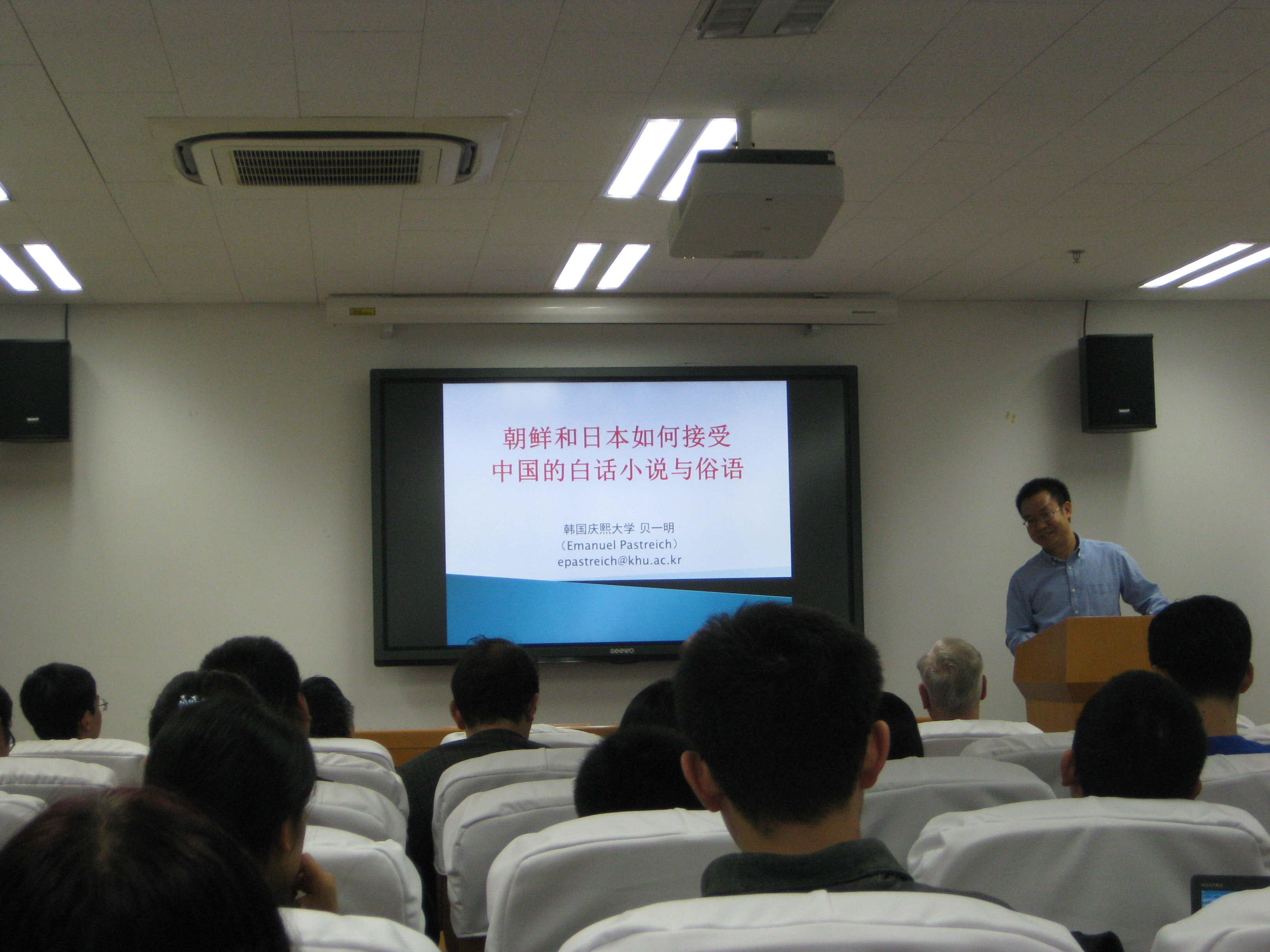
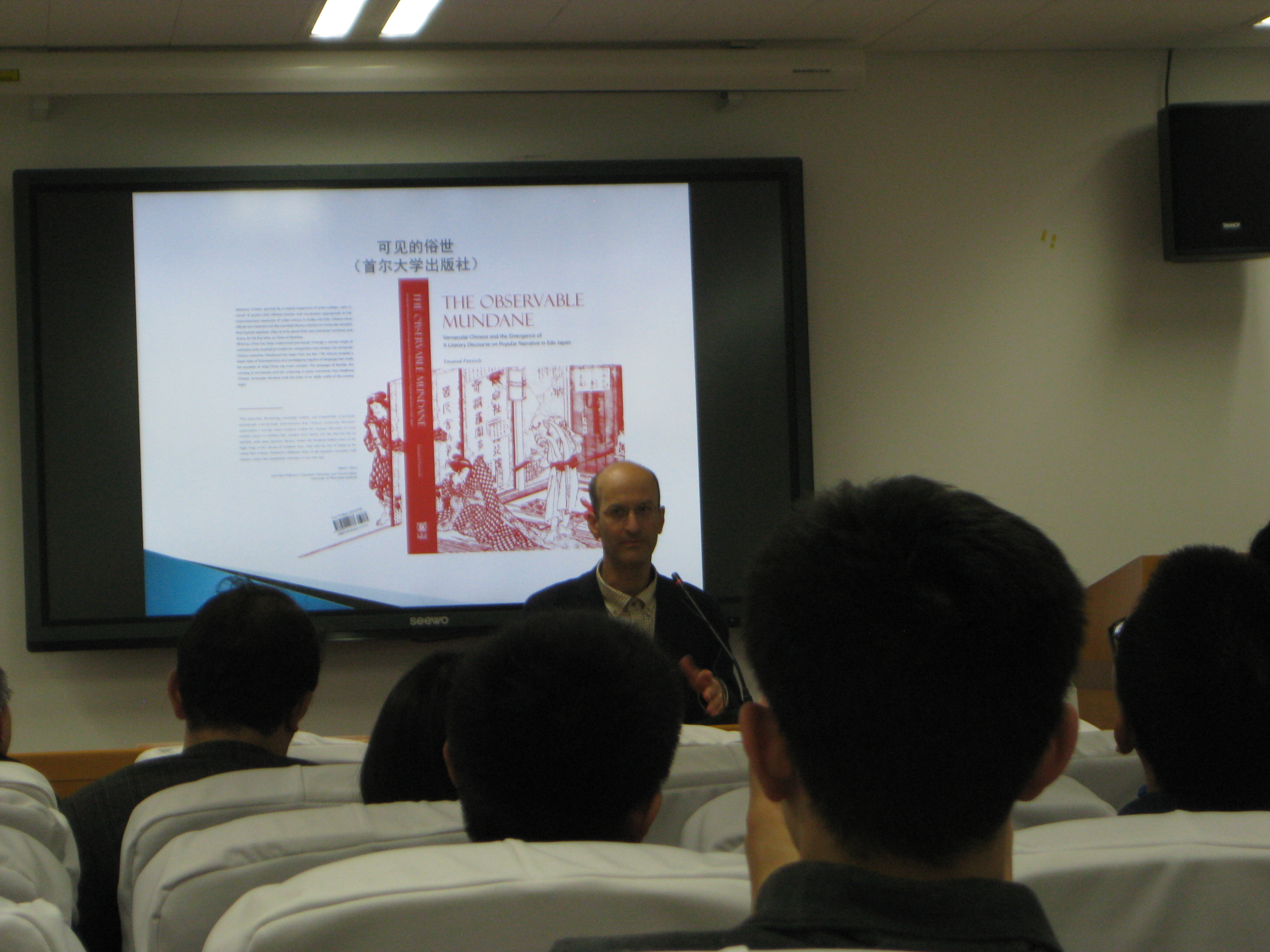
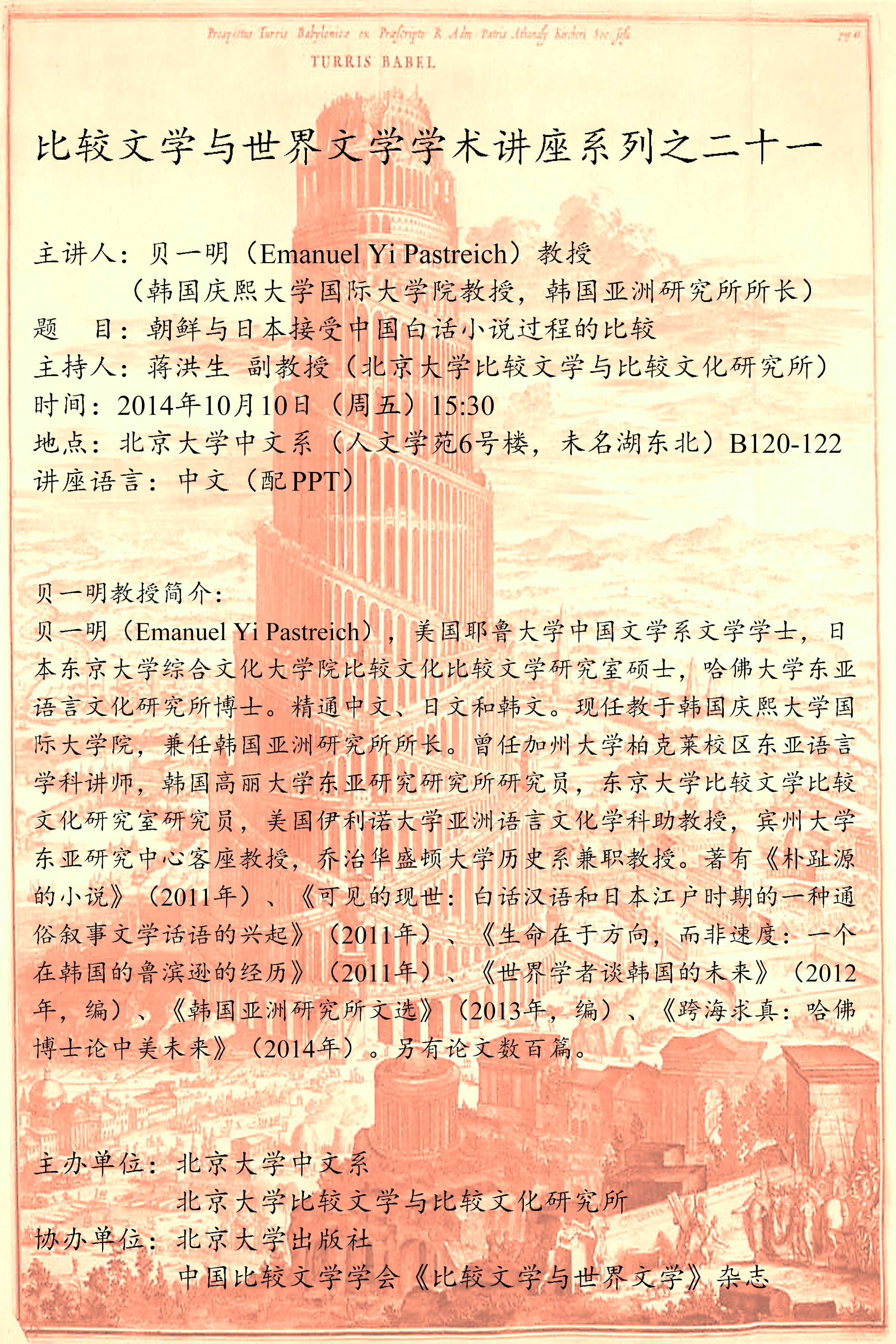
北京大学 中文系
2014年 10月 10日 (星期五)
贝一明 (Emanuel Pastreich) 庆熙大学 副教授
“中国通俗小说之影响于日朝”
时间: 下午 三点半
地方: 北大食堂

John Feffer
Director
Foreign Policy in Focus (Asia Institute senior associate)

Emanuel Pastreich
Associate Professor
Kyung Hee University (Director, the Asia Institute)

Date: Thursday October 30, 2014
Time 6:30-8:00 PM
Climate change, taking the form of spreading deserts, yellow dust, rising oceans and changing local biospheres, poses a tremendous challenge to Northeast Asia. Two figures central in the debate about the long-term response to this challenge will lead this open discussion in English for members of the Seoul community. The talk will address the fundamental shifts in our habits and culture demanded by this crisis.
The specific issues of climate change and human civilization in East Asia will be at the center of this discussion.
Location:
World Culture Open Korea
월드컬처오픈코리아
서울특별시 중구 순화동 2-6 N빌딩 1층 오렌지컨테이너
02-6958-8870
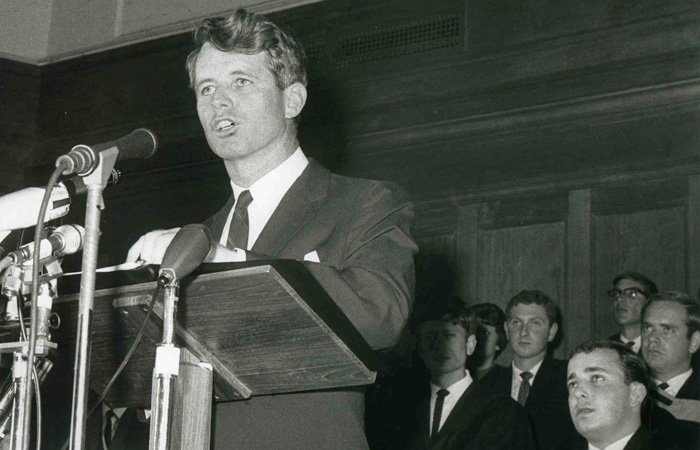
I am not sure why, but I have always been drawn to Robert Kennedy’s “Day of Affirmation” Speech.
Even as I have learned that Robert Kennedy was a bit more complex than he appears in his speeches and in the related mythology,yet his words still has that potential to move us, to appeal to our better angels. Even though we see no black Africans in seated behind him, still the words speak to us. There is something very real hidden away in the contradictions and imperfections of that moment.
The speech was delivered in June 6th, 1966, at University of Cape Town, South Africa. And the one passage that I have often quoted is as follows. It suggests, as I try to remind myself sometimes, that even for those deeply involved in the political, there must be an ethical calling that underlies all the very practical arguments for what needs to be done.
“We must recognize the full human equality of all of our people before God, before the law, and in the councils of government. We must do this, not because it is economically advantageous, although it is; not because of the laws of God command it, although they do; not because people in other lands wish it so. We must do it for the single and fundamental reason that it is the right thing to do.”
The Korean novelist Kim Jinmyung 김진명 has published a novel entitled THAAD in which he describes, as part of a murder mystery, an plot behind this pricey missile defense system the Washington is trying to sell to Seoul that will drag Korea into an unnecessary military confrontation with China.
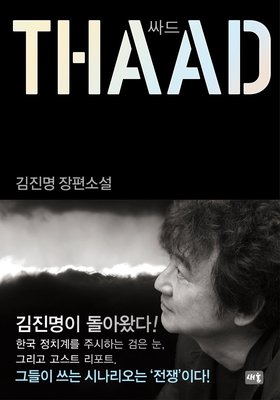
Specifically, the novel describes the THAAD (Terminal High-Altitude Area Defense) missile system as a mechanism created by a United States to trigger a military conflict with China as a means of releasing itself from the debts to China that it can no long pay back. I have only glanced at the book in the bookstore, but I am quite curious as to its contents.
I have become fascinated by this cryptic glyph that is spray-painted on a wall near my home.
Not sure exactly what it means, but it seems to have some profound meaning.