Looking again at the President Wilson’s 14 Points

Focusing on President Wilson’s 14 Points

Emanuel Pastreich

August 30, 2014

The Asia Institute


In light of the obscure negotiations concerning trade agreements and the lack of transparency in the diplomatic and security interactions of the United States with other nations, I would like to draw attention to the “Fourteen Points” issued by President Woodrow Wilson on January 8, 1918. At the time, the United States had entered the First World War, dragged into a blood bath between colonial powers which had little, or no, moral import. Although there are many who have criticized Woodrow Wilson for starting the United States on the path to foreign intervention and engaging in an ambiguous war, it is also true that by setting the United States up as the only country that had any explicit goals in the conflict, and making those goals something beyond narrow national interest (read “interests of the ruling class”) Wilson gave the United States a moral authority in international affairs that would last for a century and would be the reason that many were willing to forgive America’s mistakes in the interest of a greater global order.

That authority has been squandered away by the United States, and I mean the educated and privileged Americans who should have known better than to let this shift happen. And now we are seeing the dark consequences: a tendency around the world to assume that the United States has only pursued the most selfish goals both domestically and internationally from its very inception. That collapse of legitimacy can be seen in the profound doubts about the United States in Middle East as it can be seen in the response to the militarization of the military in Ferguson, Missouri.

I do not want to claim that President Wilson was a hero. He was quite simply a politician.  I believe that the ideals he held up remain critical to us. The United States can benefit a bit from going back to his writings.

Read more

“フェイスブックと将来のグローバル・ガバナ ンス” (ザ・ハフィントン・ポスト)

ハフィントンポストジャパ


フェイスブックと将来のグローバル・ガバナンス

2014   8  21 

エマニュエル パストリッチ

リンク

フェイスブックは、全世界の人々が共通の関心事を持つ友だちを探す空間であり、よりよい世の中をつくるための方法について、ともに真摯に意見を交換できる重要なプラットフォームとして発展してきた。

フェイスブックは個人の利用者を「潜在的な広告需要者」とみなし、個人所有の掲示物から収集した個人の情報を第三者に販売するなど、利益を追求する企業ではある。しかし、個人がサイバー上で多くの友だちをつくり、全世界的に人脈を広げることができるという点では、フェイスブックは完璧ではないがこれまでで最善の手段であるといえる。

Read more

“政策の政治」から「習慣の政治」へ” ( 中央日報 2014年 8月 9日)

 中央日報

政策の政治」から「習慣の政治」へ

  エマニュエル・パストリッチ


2014年08月09日

私たちの行動がより透明になり、各自が属する職場で自身の責任を全うする時だけが、社会全般に政策的レベルを凌駕する変化が起きる。そうなれば利己的な者たちも態度を変えるよう仕向ける圧迫が強まるだろう。普通の人々の態度が健全になれば、政府も以前の活力を取り戻し、誤ったシステムも本来の位置に戻る。 

  しかし近頃の韓国では、政治家たちが全く一貫性のない公約を乱発している。彼らはテレビに出演する時は善良な君子のふりをするが、すぐに最高級車に乗ってお金持ちの権力者のもとへと駆けて行く。政治家たちは親たちに向かって教育改革が必要だと熱を上げるが、数時間後にはエリート集団と会って不動産投資や子供の海外留学について話している。 

Read more

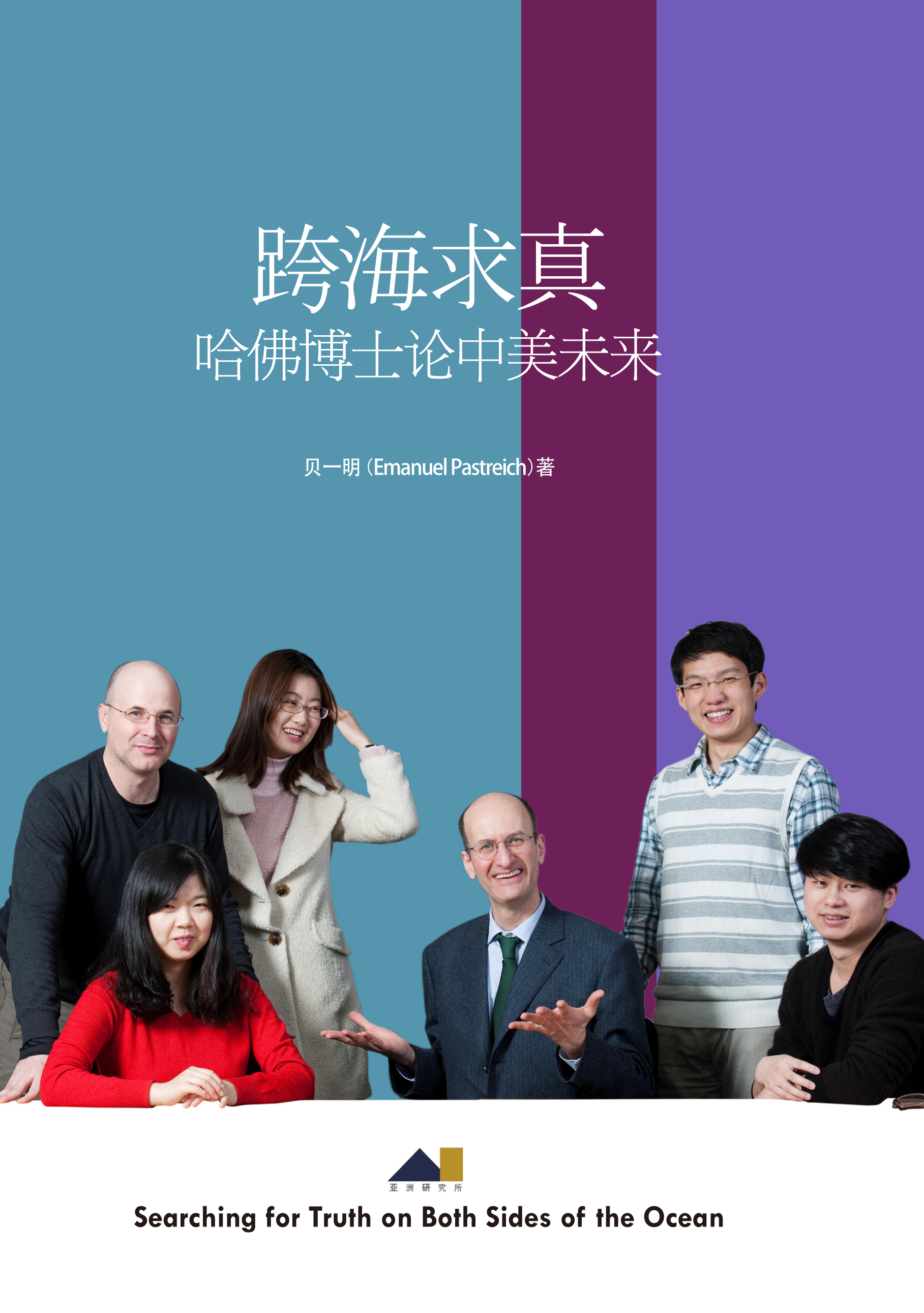
“跨海求真 哈佛博士论中美未来” (亚洲研究所出版社)

跨海求

哈佛博士论中美未来

(Searching for the Truth on Both Sides of the Ocean)

표지


贝一明(Emanuel Pastreich)著

首尔:亚洲研究所出版社


ISBN: 978-0-692-20612-6

编辑委员会: 赵寒玉 赵心悦 钱梦仑 李振寰 李松竹

澳大利亚前总理陆克文不久前撰文指出,中国目前的种种变化展现,绝大部分是有益于中国和全世界的。自此不难看出,中国在世界舞台中日益重要的作用已经显现无遗。越来越多的专家、学者、政客、商人纷纷将目光投向中国。中国,正迈进全新的阶段。

在此阶段中,中国面临新的挑战,中国的年轻人更肩负重任:自身的发展,文化的传承,国家的兴盛,世界的改善。期间所承受的压力,品味的冷暖,似乎使得前路漫长且迷茫。物质与精神,现实与理想,之间的平衡仿佛那般的不易寻找。动力何在?勇气何在?方向何在?思考许多,行动极少。有时不是不愿动,而是不知如何动;有时不是没有行动,而是不知何以坚持。

Read more

Poor in Seoul

Over the last few years I have come to have such an affection for Seoul that I want to show all aspects of the city. Needless to say, how poor people live in Seoul, the people who make their living by collecting bits of metal or recyclable paper, is important for us to see. We  should not turn away from them and pretend  that they do not exist. Nor should we pretend that only the mentally ill find themselves in such a state. As the Korean novelist Park Jiwon so well expressed, the experiences of the poor are our own experiences. The only difference perhaps, is that we are unaware of just how poor we are. 

I see many pushing carts in search of  small  amounts of income. Often they are older women who have a difficult time. If they were in wealthy families, they would be pampered and taken to expensive doctors for minor ailments. 

poor in seoul


“글로벌 거버넌스의 플랫홈의 시작 ‘페이스북” (인사이트 2014년 7월 3일)

인사이트

“글로벌 거버넌스의 플랫홈의 시작 ‘페이스북”

2014년 7월 3일

임마누엘 페스트라이쉬

링크 


한국은 효과적인 소통에 필요한 네트워킹 능력을 갖춘 세계최초의 대규모 소셜 미디어 체계를 갖춘 싸이월드를 개발 하였지만 불행하게도 글로벌 비젼의 결여로 영어 버젼을 개설하기 위한 투자에 실패하였다.

결국 싸이월드의 글로벌 버젼 실패는 늦게 시작한 페이스북이 한국에서 조차  지배적인 소셜 미디어로 자리잡게 되는 결과를 초래하였다.

페이스북은 전 세계의 사람들이 공동의 관심사를 가진 친구를 찾는 공간이며, 더 나은 세상을 만들기 위한 방법에 대해 다 함께 진지하게 각자의 의견을 교환 할 수 있는 중요한 플랫폼으로 발전하여 왔다.

비록 페이스북이 각 개인 사용자들을 잠재적인 광고수요자로 여기고, 개인소유의  게시물에서 수집한 개인 정보를 제 3자에게 판매하는 등, 영리를 추구하는 조직이지만, 그럼에도 불구하고 페이스북은 여전히 개인이 사이버상에서 많은 친구를 만들고, 전세계적으로 인맥을 넓혀갈 수 있는 최선의 수단이다.

페이스북은 원래  진지한 지적교류나 정치적 의견교류의 장으로 만들어진 것은 아니다.예를 들어 아직까지는 페이스북 검색을 통해 공통의 관심사를 지닌, 혹은 같은 지역에 사는 사람을 찾아내는 것은 쉽지 않다. 그리고 페이스북을 통해 주고받는 자료들을 나중에 쉽게 찾을 수 있도록 페이스북 상에 체계적으로 저장할 수 있는 방법 역시 없다.

기본적으로, 시간상 먼저 게시된 정보는 새로운 게시물이 게재되면서 담벼락의 하단으로 사라지도록 설계되었다. 더욱이 제 3자가 만든 응용프로그램을 페이스북에 장착할 수 있는 방법이 없다.

만약 페이스북이 이러한 방법을 허용한다면 사용자 스스로 페이스북에서의 기능을 확장하거나 자신의 페이지를 다양하게 커스터마이즈 할 수 있을 것이다. 이처럼 페이스북 사용자들이 스스로 페이스북을 좀더 의미있는 정보공유의 장으로 혁신할 수 있는 많은 방법들이 있을 수 있다.

그러나 이러한 페이스북의 한계에도 불구하고 페이스북은 정치적 의식이 있는 사용자들에 의해 지역적이거나 국제적으로 정치사회적인 사안에 대한 깊이있는 토론장으로 사용되고 있다.

현재 페이스북의 미비한 구성에서도 전세계의 사려깊은 개인들은 페이스북을 광대한 토론의 장으로 사용하고 있으며 특히 개발도상국가에서는 활동가들과 심지어 중고등학생들에 의해  이러한 토론장으로서의 기능이 확장되고 있다.

즉, 페이스북이 애초에 이러한 목적으로 만들어진 것은 아니지만 예전에는 정책토론에서 완전히 제외되었던 사람들에게 참여의 기회를 주고 있는 것이다.

물론 인터넷상에 많은 전문화된 토론의 장이 있지만 페이스북은 전세계 모든 계층의 사람들이 참여할 수 있다는 점에서 유일무일 하다고 하겠다.

한 개인이 정책을 제안하고 광범위한 지지자들을 모으고 전문가들의 의견을 수렴하는데 있어서 페이스북은 토론을 위한 현재의 미비한 구성에도 불구하고 글로벌 거버넌스를 실행하고 있는 유엔이나 세계은행 또는 OECD 같은 국제기구보다도 몇년을 앞서 있다.

비록 이러한 국제기구들도 내부적인 토론을 거쳐 난해한 용어로 된 문서들을 대중들에게 일방적으로 배포하고는 있지만 나이지리아 상인이나 중국의 고등학생은 차치하더라도 필자와 같은 사람 조차 전세계에 영향을 미치는 이러한 기구들이 제시한 정책들에 대해 의견을 피력할 수 있는 방법은 전무한 것이다.

잠재력이란 차원에서 현재 글로벌거버넌스의 주 기관인 유엔과 페이스북을 비교해 보자. 유엔은 권한에 있어서 극히 제한되 있고 비록 기업과 시민단체들과 함께 일을 하고는 있지만 정식 회원은 독립국가들로만 구성되어 있다.

유엔은 다국적기업들의 이해관계, 회원국들간의 내부적 계층분리, 몇나라의 정치권력에 관한 독점으로 인하여 분열되어 있을 뿐만 아니라 실재로 일반 세계시민들이 정책이행에 대하여 유엔에 압력을 가하는 것은 고사하고 유엔총회에 단 하나의 제안을 하는 것도 불가능하다.

사실 페이북은 페이스북 회사가 만든 것이 아니다. 우리들이 만든 것이다. 페이북 회사는 우리들의 비용으로(페이스북 이용자 수를 담보로) 막대한 저금리 융자를 받아 글로벌 네트워크로 확장 시킬 수 있었다.  그 많은 자본을 확보할 수 있었다면 누구나 “페이스북”을 만들 수 있었을 것이다.

페이스북에 사람들과 컨텐츠들을 모은 것은 바로 우리들 이었다. 페이스북 창업자들은 19세기 유니언 퍼시픽철도(Union Pacific Railroad)를 세워 벼락부자가 된  창업자들과  똑 같다고 볼 수 있다.

유니언 퍼시픽철도는 클라크 듀랜트(Clark Durant) 와 마크 홉킨스(Mark Hopkins)가 약삭빠른 투자자들을 모아 세웠지만 철도 이용자들의 적극적인 요청으로 합리적인 시설로 변화해 나갈 수 있었다.

단거리수송차별과 약탈적인 수송비를 금지하는 1887년 “주간무역조례”(Interstate Commerce Act)는 철도 이용자들의 지지에 힘입어 제정 될 수 있었고 자유분방한 철도사업은 20세기에 들어서 엄격한 규제를 통해 신뢰할 수 있는 시설로 발전할 수 있었던 것이다.

우리는 페이스북 – 혹은 페이스북 아바타 – 을 참여민주적 글로벌 거버넌스의 플랫홈으로 변화시키는 쉽지않은 작업을 하루속히 시작해야 한다. 전지구적 기후변화의 위기에 대처하기 위하여 인류의 지혜와 행동을 조속히 조직화 해야만 한다.

여지껏 이러한 지구적 차원의 도전에 대처할 것으로 기대했던 기관들은 모두 비참할 정도의 실패를 하고 있다. 우리는 하나의 종으로서의 인류를 연결하는 휴먼네트워크 형성을 더 이상 기다리고 있을 수 만은 없다. 현재 우리는 이미 완벽하게 인터넷의 각종 데이타시스템에 통합되어 있지만 불행하게도 우리는 서로 서로는 전혀 모르고 있다.

지구적차원의 위협에 대응하기 위한 참여적 글로벌 거버넌스의 새로운 장을 만들어 내기 위해서 우리는 서로에 대한 무지와 무관심을 극복해야만 한다.

우리가 페이스북이 무엇을 할 수 있는지에 대한 강력하고 구체적인 제안을 만들고 나아가 우리들의 의지와 창의력의 힘으로 페이스북이 나아가야 할 방향을 제시하지 않는한 페이스북은 생일케이크나 축구게임 사진을 교환하는 장소 이상이 될 수 없을 것이다.

이제 정말 어려운 부분이 남았다. 온라인상에서 진정한 공공의 글로벌 커뮤니티를 만들기 위해서 페이스북 회사에 직접 사용자들이 민주적 절차를 통해 페이스북의 디자인과 구조를 결정할 수 있게 해 달라고 요구하는 것은 거의 불가능 하다. 이익을 추구하는 기업으로서는 인턴시브가 없는 요구를 들어줄 까닭이 없기 때문이다.

반면에 대한적 SNS 들은 참여자들이 극도로 제한되어 있고 누구나 참여라는 측면에선 상업적인 페이스북 보다도 훨씬 못 미치고 있다. 진보적 생각을 갖은 사람들 끼리만의 진보적 생각 공유는 별로 도움이 않된다.

우리가 필요로 하는 것은 누구나 이해할 수 있는 광범위한 담론의 장이기 때문이다. 이를 위한 첫 걸음은 글로벌 거버넌스의 장으로서의 소셜네트워크의 구체적인 미래 비젼과 이러한 비젼이 페이스북과 같은 소셜네트워크 사용자들의 일상생활에 얼마나 중요한가를 제시하는 일이다.

이 비젼은 페이스북 내에서 거시적, 미시적 수준에서의 정책제시, 토론방법, 정책승인에 관한  페이스북 자체의 거버넌스를 위한 규칙을 포함해야 한다.

페이스북 자체 거버넌스는 개인 및 커뮤니티의 니즈를 좀더 용이하고 투명하게 반영하는 혁신으로 부터 시작해야 한다. 간단한 예를 들면 개인이 페이스북 내에 자신의 어플리케이션을 부착할 수 있고 이를  공유하거나 판매할 수 있는 권한을 부여하는 일이다.

이러한 페이스북 자체 거버넌스에 관한 정책 결정 과정은 각 지역 커뮤니티가 지역 혹은 글로벌 정책에 관하여 토론하고 결정하는 형식을 포함한다. 즉 페이스북은 누구나 지역 혹은 전 지구적인 정책을 제시하고 관련 커뮤니티 회원들이 투표하여 최종적으로 정책을 결정하는 장을 제공하는 것이다.

우리는 페이스북이 잠재적으로 정치적 실체(이미 이러한 역할을 하고 있지만)라는 점을 인식하고 이러한 목적을 지역적, 전지구적 차원에서 달성하기 위해서 적절한 기능을 부여해야   한다. 페이북 자체 거버넌스를 위한 내부 규칙이 정해진 이후 단계는 글로벌 거버넌스라는 더 큰 형식의 구조를 만들어 내는 일이다.

물론 페이스북은 일반적인 정부와 같은 사무실과 재원이 없지만 아마도 그러한 것들이 필요치 않을 수도 있겠다. 그렇치 않아도 우리는 현재 세계 곳곳의 정부가 급격하게 공동화 되고 있으며 정부의 기능을 다하지 못하고 있음을 목격하고 있지 않은가?

필자는 여기서 미래 “페이스북 공화국”(Republic of Facebook)의 거버넌스 형태를 제시할 수는 없다. 이는 보다 나은 세상을 만들고자 헌신하는 지식이 풍부하고 선견지명이 있는 사람들이 많은 토론을 거쳐 만들어져야 한다.

우리는 우선 비젼을 제시하고 이를 지속적으로 개선해 나갈 “페이스북 헌법제정회의”(Constitutional Convention for Facebook) 같은 것을 상상해 볼 수 있겠다. 물론 페이스북을 단지 손자들의 사진이나 햄스터 사진을 올리는 장소로 사용하고 싶은 사람들은 그럴 자유가 있다.

그러나 좀 더 큰 일을 위해 헌신하고자 하는 사람들을 위해 차세대 페이스북은 몇가지 방향성을 제시해 줄 수 있을 것이다. 이러한 방향성 중에 하나가 거버넌스에 관한 새로운 비젼인 것이다.

체계적으로 운영되는 페이스북은 전세계에서 비슷한 관심사를 갖은 사람들이 만나 공동작업의 새로운 프로젝트와 공동의 문제에 대한 해결책을 제안할 수 있는 장소를 제공할 수 있을 것이다. 이를 통해 페이스북은 비슷한 목표를 추구하는 세계 곳곳의 사람들이 함께 연구하고 정책을 토론하고 실행할 수 있는 동반자를 찾을 수 있는 수단이 될 것이다.

재정이 제한되어 있는 이 시대에 페이스북에서 유사한 집단끼리 기금을 나누어 쓰는 방법도 생각해 볼 수 있겠다.  물론 페이스북(혹은 어떤 쇼셜네트워크라도)이 정부의 역할을 완전히 대체할 수는 없다.

전기와 수도공급에 관한 문제는 여전히 지방정부의 몫으로 남을 것이다.  그러나 전지구적인 기후변화에 대한 대처는 개선된 페이스북이 세계도처에서 관련당사자들을 모아 협력하여 해결책을 모색하고 실행하는데 있어 정치인들로만 구성된 소위 국회보다는 효과적일 수 있을 것이다.

우리에게 실행의지와 지구적 위기에 대한 책임감만 있다면 페이스북이라는 플랫홈은 민주적인 글로벌 거버넌스의 합법적인 형태로 변모될 수 있을 것이다.

이러한 새로운 시스템의 일부는 지난 3천년간 최상의 거버넌스 형태인 민주주의에 기반할 것이지만 또 다른 일부는 아마도 오늘날 인류가 직면하고 있는 문제에 대한 우리들의 무기력에 실망하고 있는 사람들에게 부득이 인류사에 전례가 없는 방법으로 새로운 희망을 제공할 수 있게 될 것이다.

“A Test of American Leadership” (JoongAng Daily July 7, 2014)

“A Test of American Leadership”

Emanuel Pastreich
JoongAng Daily
July 7, 2014

link

The Independence Day bash hosted by the American Embassy at the Hyatt Hotel on Friday was not visibly affected by the massive banquets held simultaneously to welcome President Xi Jinping on his historic state visit to Seoul. But the quiet of the moment should not deceive us as to the seriousness of the situation. The perfectly choreographed visit of Xi implies a profound, multifaceted, challenge to American leadership in East Asia, of which most Washington pundits have failed to take note.

First, we must face the facts. China is no longer a cheap place for Korean companies to manufacture goods for export to the West. It is emerging as a major investor in Korea and a significant source of tourists and their yuan. China is growing into a major market in its own right for Korean goods and services. The businessmen who accompanied Xi Jinping on this visit were granted a level of access once reserved for the U.S. Chamber of Commerce. I expect the impressive new Chinese Embassy in Seoul will be flanked by the offices of many Chinese businesses in the years to come.

Read more

“New Role for America” (Joongang Daily, June 25, 2014)

“New Role for America”


Emanuel Pastreich

Joongang Daily

June 25, 2014


There has been a lot of talk about economic integration in Northeast Asia and the potential for achieving something akin to the European Community. Unfortunately, although that potential for the region remains, increasing tensions between China, Japan and Korea have undermined the progress made over the last few decades. Territorial issues, historical issues (the comfort women and the refusal of Japan to pay reparations) have taken center stage and the optimism and momentum we saw in 2000 at the time of the G-7 Meeting in Okinawa has faded. 

The United States can assist in Northeast Asia to bring peace and stability, but increasingly the people of this region, even if they do not say it explicitly, feel that the U.S. perceives regional division and discord as advancing its own interests, rather than cooperation and reconciliation. 

It is essential that the U.S. erase that negative perception and affirm that it can play a vital role in East Asia as a committed Pacific nation. But unless we fundamentally redefine our mission, we risk losing our position of authority in Asia permanently.

My father told me as a boy, “Never do the same job for more than one year.” He did not mean you should quit your job every year! What he meant was that although you may have the same title in the same organization year after year, you must constantly innovate, endlessly transform how you work and modify your approach to new issues and circumstances.

That advice is most pertinent to the role of the U.S. in Northeast Asia. We need a fundamental transformation now. 

Above all, the U.S. should take the lead in working together with Korea, China and Japan to come up with a comprehensive, long-term strategy to address the threat of climate change. The spreading deserts in Northern China threaten to destroy the region’s ecosystem. The risk caused by dust and fine particles has reached crisis levels and will require a complete restructuring of our economies and our thinking. The U.S. should play a central role in the debate and the implementation of solutions. 

In the case of North Korea, the threat is increasingly a result of the spread of deserts in that nation, and not its nuclear program. If we do not stabilize the land usage in North Korea and protect its topsoil, we may create a crisis on the peninsula that will last for five hundred years and leave our great grandchildren wondering how we could have been so blind. 

The U.S. military has already launched the ambitious Spiders or “Smart Power Infrastructure Demonstration for Energy Reliability and Security” program to create the next generation of energy efficiency and ensure effective use of renewable energy sources. The U.S. military has the expertise and the economies of scale to transform the energy infrastructure in East Asia to make it highly efficient and non-polluting. 

As we restructure security concerns, the U.S. military can increasingly play this positive role in the region, and thereby the military’s role can be transformed from a defender of outdated security technologies from the Cold War to a leader in promoting innovations aimed at response to climate change. Those innovations can be developed through alliances for research and implementation with the nations of East Asia. 

Arms control is another field in which the U.S. can play a positive role. If we look back at the European case, it is clear that a critical factor in setting the stage for the European Union and economic integration was the engagement of the U.S. in the Strategic Arms Limitation Talks (SALT) with the Soviet Union, which set clear limitations on the arms build-up and opened the way for a more rational relationship. Starting in 1969, the two superpowers opened negotiations on nuclear forces in Europe that changed the relationship. 

There is no such agreement in place for arms control in Northeast Asia and consequently rocketing military spending in the region, led by the U.S., has been spilling over into Southeast Asia and Central Asia. We need to implement such an agreement and thereby transform the U.S. from a peddler of weapons to a partner for negotiated agreements on security in the region. 

That can only be achieved through long-term discussions between institutions at every level that the U.S. should support. Northeast Asia deserves a comprehensive arms control regime that covers both strategic and conventional weapons. The process of discussing such a possible treaty can do much to encourage trust between nations. 

If the U.S. can play the central role in terms of limiting its own spending on arms in the region, and encouraging other nations to do so as well, we could set the stage for a Pacific pivot in which the focus falls on finding new partners for cooperation, and not some misguided attempt to bring back the Cold War. 

Moreover, the emergence of transformative technologies such as drones will require entirely new approaches to arms control that must be innovative. The U.S. should work with Korea, China and Japan to set up new standards for the usage of drones in the region that will limit the impact of this game-changing dual-use technology. 

Finally, any serious U.S. initiative in Northeast Asia must take China as a partner. China is not a country that we can label as a threat. China represents one out of five humans living on this earth. We must recognize China as a diverse nation that includes many deeply committed to building a better world, and we must join with China in setting forth a century-long plan for creating a new civilization that is appropriate to the true threats of our age.

Broad engagement with East Asia, articulated through a shift to genuine concern about climate change and arms control will not be seen as a sign of American weakness, but rather will be interpreted as an indication of a new potential for American leadership.