“Peer-to-Peer Science: The Century-Long Challenge to Respond to Fukushima” (Foreign Policy in Focus September 3, 2013)

Foreign Policy in Focus

“Peer-to-Peer Science: The Century-Long Challenge to Respond to Fukushima”

September 3, 2013.

Emanuel Pastreich

(with Layne Hartsell)


More than two years after an earthquake and tsunami wreaked havoc on a Japanese power plant, the Fukushima nuclear disaster is one of the most serious threats to public health in the Asia-Pacific, and the worst case of nuclear contamination the world has ever seen. Radiation continues to leak from the crippled Fukushima Daiichi site into groundwater, threatening to contaminate the entire Pacific Ocean. The cleanup will require an unprecedented global effort.

Initially, the leaked radioactive materials consisted of cesium-137 and 134, and to a lesser degree iodine-131. Of these, the real long-term threat comes from cesium-137, which is easily absorbed into bodily tissue—and its half-life of 30 years means it will be a threat for decades to come. Recent measurements indicate that escaping water also has increasing levels of strontium-90, a far more dangerous radioactive material than cesium. Strontium-90 mimics calcium and is readily absorbed into the bones of humans and animals.

The Tokyo Electric Power Company (TEPCO) recently announced that it lacks the expertise to effectively control the flow of radiation into groundwater and seawater and is seeking help from the Japanese government. TEPCO has proposed setting up a subterranean barrier around the plant by freezing the ground, thereby preventing radioactive water from eventually leaking into the ocean—an approach that has never before been attempted in a case of massive radiation leakage. TEPCO has also proposed erecting additional walls now that the existing wall has been overwhelmed by the approximately 400 tons per day of water flowing into the power plant.

But even if these proposals were to succeed, they would not constitute a long-term solution.

A New Space Race

Solving the Fukushima Daiichi crisis needs to be considered a challenge akin to putting a person on the moon in the 1960s. This complex technological feat will require focused attention and the concentration of tremendous resources over decades. But this time the effort must be international, as the situation potentially puts the health of hundreds of millions at risk. The long-term solution to this crisis deserves at least as much attention from government and industry as do nuclear proliferation, terrorism, the economy, and crime.

To solve the Fukushima Daiichi problem will require enlisting the best and the brightest to come up with a long-term plan to be implemented over the next century. Experts from around the world need to contribute their insights and ideas. They should come from diverse fields—engineering, biology, demographics, agriculture, philosophy, history, art, urban design, and more. They will need to work together at multiple levels to develop a comprehensive assessment of how to rebuild communities, resettle people, control the leakage of radiation, dispose safely of the contaminated water and soil, and contain the radiation. They will also need to find ways to completely dismantle the damaged reactor, although that challenge may require technologies not available until decades from now.

Such a plan will require the development of unprecedented technologies, such as robots that can function in highly radioactive environments. This project might capture the imagination of innovators in the robotics world and give a civilian application to existing military technology. Improved robot technology would prevent the tragic scenes of old people and others volunteering to enter into the reactors at the risk of their own wellbeing.

The Fukushima disaster is a crisis for all of humanity, but it is a crisis that can serve as an opportunity to construct global networks for unprecedented collaboration. Groups or teams aided by sophisticated computer technology can start to break down into workable pieces the immense problems resulting from the ongoing spillage. Then experts can come back with the best recommendations and a concrete plan for action. The effort can draw on the precedents of the Intergovernmental Panel on Climate Change, but it must go far further.

In his book Reinventing Discovery: The New Era of Networked Science, Michael Nielsen describes principles of networked science that can be applied on an unprecedented scale. The breakthroughs that come from this effort can also be used for other long-term programs such as the cleanup of the BP Deepwater Horizon oil spill in the Gulf of Mexico or the global response to climate change. The collaborative research regarding Fukushima should take place on a very large scale, larger than the sequencing of the human genome or the maintenance of the Large Hadron Collider.

Finally, there is an opportunity to entirely reinvent the field of public diplomacy in response to this crisis. Public diplomacy can move from a somewhat ambiguous effort by national governments to repackage their messaging to a serious forum for debate and action on international issues. As public diplomacy matures through the experience of Fukushima, we can devise new strategies for bringing together hundreds of thousands of people around the world to respond to mutual threats. Taking a clue from networked science, public diplomacy could serve as a platform for serious, long-term international collaboration on critical topics such as poverty, renewable energy, and pollution control.

Similarly, this crisis could serve as the impetus to make social networking do what it was supposed to do: help people combine their expertise to solve common problems. Social media could be used not as a means of exchanging photographs of lattes and overfed cats, but rather as an effective means of assessing the accuracy of information, exchanging opinions between experts, forming a general consensus, and enabling civil society to participate directly in governance. With the introduction into the social media platform of adequate peer review—such as that advocated by the Peer-to-Peer Foundation (P2P)—social media can play a central role in addressing the Fukushima crisis and responding to it. As a leader in the P2P movement, Michel Bauwens, suggests in an email, “peers are already converging in their use of knowledge around the world, even in manufacturing at the level of computers, cars, and heavy equipment.”

Here we may find the answer to the Fukushima conundrum: open the problem up to the whole world.

Peer-to-Peer Science

Making Fukushima a global project that seriously engages both experts and common citizens in the millions, or tens of millions, could give some hope to the world after two and a half years of lies, half-truths, and concerted efforts to avoid responsibility on the part of the Japanese government and international institutions. If concerned citizens in all countries were to pore through the data and offer their suggestions online, there could be a new level of transparency in the decision-making process and a flourishing of invaluable insights.

There is no reason why detailed information on radiation emissions and the state of the reactors should not be publicly available in enough detail to satisfy the curiosity of a trained nuclear engineer. If the question of what to do next comes down to the consensus of millions of concerned citizens engaged in trying to solve the problem, we will have a strong alternative to the secrecy that has dominated so far. Could our cooperation on the solution to Fukushima be an imperative to move beyond the existing barriers to our collective intelligence posed by national borders, corporate ownership, and intellectual property concerns?

A project to classify stars throughout the university has demonstrated that if tasks are carefully broken up, it is possible for laypeople to play a critical role in solving technical problems. In the case of Galaxy Zoo, anyone who is interested can qualify to go online and classify different kinds of stars situated in distant galaxies and enter the information into a database. It’s all part of a massive effort to expand our knowledge of the universe, which has been immensely successful and demonstrated that there are aspects of scientific analysis that does not require a Ph.D. In the case of Fukushima, if an ordinary person examines satellite photographs online every day, he or she can become more adept than a professor in identifying unusual flows carrying radioactive materials. There is a massive amount of information that requires analysis related to Fukushima, and at present most of it goes virtually unanalyzed.

An effective response to Fukushima needs to accommodate both general and specific perspectives. It will initially require a careful and sophisticated setting of priorities. We can then set up convergence groups that, aided by advanced computation and careful efforts at multidisciplinary integration, could respond to crises and challenges with great effectiveness. Convergence groups can also serve as a bridge between the expert and the layperson, encouraging a critical continuing education about science and society.

Responding to Fukushima is as much about educating ordinary people about science as it is about gathering together highly paid experts. It is useless for experts to come up with novel solutions if they cannot implement them. But implementation can only come about if the population as a whole has a deeper understanding of the issues. Large-scale networked science efforts that are inclusive will make sure that no segments of society are left out.

If the familiar players (NGOs, central governments, corporations, and financial institutions) are unable to address the unprecedented crises facing humanity, we must find ways to build social networks, not only as a means to come up with innovative concepts, but also to promote and implement the resulting solutions. That process includes pressuring institutions to act. We need to use true innovation to pave the way to an effective application of science and technology to the needs of civil society. There is no better place to start than the I
Read more

朱子学传统与现代社会的危机

朱子学传统与现代社会的危机

贝一明

2017年 1月 16日


人类的需求被过分夸大了,这是错误的幸福观导致的结果。刺激需求、激发需求、创造需要作为经济发展的动力被认为是天经地义,在这样的思想指导下,人类社会的发展一味地朝向无休止地追求欲望的方向,如今已面临诸多难题,环境污染、气候变化、能源危机等等,这些问题深层的原因是,人的道德的丢失。仅仅依靠科学技术无以解决这些难题,我们需要回到朱子学传统中,去寻找现代社会危机的解决方案。

朱子学也称新儒学,是南宋朱熹(1130-1200)明文规定的哲学体系的统称,后来成为中国统治王朝的理念基础,极大地影响了中华民族思想文化。新儒学将早期儒家教诲与自然、政治以及伦理融合在一起,为创造出居于支配地位的世界观,而和佛教中已经发展起来的形而上学用语相结合,在认识论上是一种具有综合性的接近方法。

从新儒学的视角来看,世界是一个道德体系,在这个体系内,学者通过接触儒家经典以达到获得最高的特权地位。新儒学名副其实地成为所有正式教育的基础。或许可以说过去数百年间我们最大的失败便是缺乏这样一种能力,那便是对伟大的新儒学传统重新进行诠释,使之能够迅速适用于当前时代的政治、教育、道德以及法律。

实际的情况是,人们普遍认为新儒学传统阻碍了中国的近代化,要想实现现代化,必须打破严格而不知变通的儒家社会秩序,即人们常挂在嘴上的一句话:必须打破一个旧世界才能建立新世界。

不可否认的是,不少文人陷于由新儒学传统的模糊思想推出的关于自我与社会的抽象而非现实的观念之中,抽象地谈论道德与孝悌,忽视了实用学问。他们不再关心简练的治国方法,不关心为提高百姓生活所必需的技术。这些人以读书度日,对社会毫无贡献。由于他们的失败,中国在近代化进程中很长一段时期处于落后状态。

隐藏在上述想法更深层次的观点是,认为西方文化与制度(位于政治或伦理深层的哲学,以及17世纪以来在欧洲不断发展的科学和逻辑学的接近方法)既是卓越的传统,也是近代化的一个核心,同时是通往文明的必要而积极的阶段。

然而从整体上看,18世纪之前,在中国发展出了远比欧洲复杂、微妙的舆论平台,政策过程也更为和平,让更多的读书人参与进来。一个有趣的现象是,尽管中国更加重视文字的价值,但是中国的文盲率远高于19世纪欧洲的文盲率。由此看来,文盲率与经济发展水平的相关性比较高。但是更高的经济发展水平并不意味着具有更高的国家治理水平。


直面时代的挑战

 今天我们面临的挑战是,发掘出适用于今日社会、同时与今日社会相关的诸多新儒家传统所蕴含的丰富财富。原因在于这个社会已逐渐变得不可持续,处于过度消费与欲望冲动的恶性循环的边沿,无法展示出人类共同的蓝图。

摆在我们面前的是两个严酷的现实:

第一,西方传统在道德层面的崩溃。尽管西方将先进技术(比如蒸汽机或高水平航海装备等)与有利于政治的精简机构(尽管也建立了全球贸易体系)相结合,在鸦片战争时期显示出压倒性的威力,使得人们在所有领域重新深入地思考文化与制度,但是在今天那种氛围已经发生了天翻地覆的变化。

西方世界大量地生产出漠不关心文化、科学与伦理规范的强大的极右势力,这些极右势力采取不理智、反科学的态度。这种新文化极其明显地表现在人们呼吁美国唐纳德·特朗普政府的本能这一低级政治短见。如果还有其他什么的话,那只是西方文明逐渐和更为彻底的消费文化、叫嚣着的世界大战的观念以及急剧增加的鸡毛蒜皮、萎靡不振的文化相结合的结果。

另一方面,为何在中国近代化遭遇失败,而法国、英国、德国却在19世纪实现飞速发展?假如我们阅读有关历史资料,这时才会发现与中国的相对和平状况相比,西欧国家显得更加不确定,更加残酷和野蛮。

针对环境的可持续发展,那些能够为未来优先制定计划的新文明,探索其根源却是在中国。而且最重要的是,心、伦理以及政治能够最为有机地结合的地方正是来自于有着新儒学传统根基的国家。

通过重新实施的公务员考试制度,我们可以提示出接触政治的新方法,从而让我们的社会活性化,并能够为西方输入充满灵感的新儒学传统。公务员考试制度作为一个应对给现代政治学造成严重危害的政治或极端主义危机的解决方案,也毫不逊色。

现代社会面临着精神上的荒漠,人们及时行乐,道德常识匮乏。我们生活在这样一个空间,即我们放任自己处于虚无的真空状态,要么助长或煽动自己进行无意义的消费,我们在两种状态里徘徊。这看起来只是表面的问题,实则潜伏着深刻的危机,因为它削弱了我们试图对社会进行改革的努力,最终使社会陷入严重的矛盾之中。

其原因在于我们只能提出技术的、公式般的解决对策,而无法在社会政治领域内提出现实可行的精神方面的应对方案。令人惋惜的是,尽管今天我们围绕管理与政治展开讨论,但是这些针对“改革”或“领导能力”的陈腐讨论,既同我们的实际经验相违,更重要的,又未能分析出这个时代在心理上、精神上面临的挑战。

尽管新儒学将焦点置于精神层面的自我修养上,但是它显然不同于宗教,而是与政治或实用的管理问题有着密切联系。这一点使得新儒学成为这个时代的重要财富,这是因为新儒学摒弃了现代宗教的自我放纵及其他世俗性特征。新儒学不具有排他性,不主张必须放弃其他宗教信仰或哲学信仰,反而起到将在现代社会被错误分离的三种因素——自觉、人伦与善政结合到一起的作用。

新儒学传统在精神层面上的这一特性使得它与当今时代有着密切关系。一方面,我们需要应对社会变化给我们的生活带来的心理冲击与精神冲击,但是从现代社会多元化这一角度来看,我们也需要克制明显带有宗教性质的举动。在同人类经验直接相关的心理层面、精神层面的沟通上,无论在政治以及道德方面,新儒学传统为我们提供了更加广阔的空间。

在新儒学传统中,政治或人际关系不是或者无法成为有效的、单独的问题。然而政府运营、机器运转、社会关系改善的方式常常成为伦理方面的问题,常常假设包括所有成员之间互相的体系性献身,因此在儒家的体系内,所有事情都不存在单方面的消耗。

新儒学传统令人惊讶地为我们揭示出技术高速发展条件下社会所应当遵循的某些方针的指引。尽管我们无从知晓技术是如何改变着这个世界的,原因在于技术革命对我们认识的一切手段产生着影响,技术甚至在我们实际无法看到的非常原始的水平上对我们的社会产生影响。

为了有效了解周围的世界,我们需要领悟隐藏在一切现象之下的更为深奥的形而上学的道理。新儒学传统包括了人类社会应对技术革命的策略与方法,同时还为我们提供了其他传统所没有的、在讨论与人类社会有关的长期计划时所要求的模式(解决方法)。

我们生活在通过电视或网络再现的影像占据支配地位的数字化时代。我们处于最肤浅地理解这个世界的阶段(比起任何一个潜在的原则或者形而上学),世界由于数字化革命而变得平凡。我们所不具备的,是对隐藏于我们所观察的一切现象深层的形而上学的感知力。

迄今为止一直在弱化的我们的这种现实经验,在新儒学传统中被准确地、有效地加以了说明。对同事物表面不一致的内在道理予以关注,对世界运转法则予以关注,正是我们在这个时代迫切需要做的事情。在事物的表面被视为全部的今天,这种洞察力不能不认真加以提升。

 新儒学传统确切地向我们揭示了认识世界的方法应当是观念性的、形而上学的分析方法,同时揭示了我们应当如何锻炼身心以获得来自自然、社会以及人类知识绵绵不尽的启发。技术革命通过将实体处理为数字化形象,再对形象进行修剪、变换与强化,无形中干扰了客观世界原有的图像,在认知世界的问题上引起了一定的混乱,并且让人们对形象产生了过多却没有什么益处的依赖。

新儒学传统中包含着相当普遍的适用性,可以不费力地直接加以运用,前提是我们有这样的内在需求,当我们在面对前所未有的挑战时,当我们在制定政策寻找解决问题的方法时,我们以真诚的态度回到新儒学传统智慧的海洋。


堕落带来的挑战

我们如今面临着以下几个严峻的事实。对当今社会威胁最大的不是恐怖主义、经济停滞或者政客们的所作所为,而是堕落在我们的文化中的蔓延。我们生活在这样的文化中,即人们不关心国家的未来,漠然地沉迷于美食、美酒、性、娱乐、休闲和游乐。人们生活的目的在于眼前的满足,牺牲精神早已从人们的价值领域中消失。这些都是堕落的典型表现。可悲的是为了创造市场需求,我们做着扭曲的努力,同时我们失去了人类本性的原始力量,将无休止的欲望吹嘘成生命的多彩体验。

我们丢弃了新儒学传统理智、节制、心性,而放任自己成为脱缰野马。人们近于痴狂地沉迷于各种美食带来的味觉刺激,性名正言顺地成为了广告传播的最佳诉求方式,人们只需打开电视即可看到广告中裸露的女性画面,而且明显带有性暗示,这在20多年前不可想象。商家们通过这种所谓的营销策略达到销售产品的目的,然而这也在所有领域导致了大面积的道德沦丧,从而使得政治效力低下。

导致的结果是,国家有关福利、安全或价值观的政策宣告落空,转而沦落为只是在积累财产、强化权力上有所作为。我们需要认识到这样一个事实,即假如社会整体都被这种堕落所取代,那么这种问题根本无法通过经济政策或技术政策来获得解决。

在这里,新儒学传统同样能够为我们提供很多启示。如何恢复文化以及良好的习惯,新儒学中记录了很多可行的方法,并且阐明了堕落的属性,给出了系统的治疗方案。最重要的是,新儒学作为道德行为的动力,强调廉耻的重要性。正是廉耻意识的丧失成为了现代社会的一个悲剧。

在传统社会,一些行为被看作是如同遗弃父母一般可耻而错误的行为,道德义务深入人心,社会接受了深奥的羞耻心的形式。正如儒家有言“君子慎其独也”,伦理意识应当和我们受谁监视无关,而是应该发自内心。
由于丧失了传统的羞耻心,人们认为只要照顾好孩子或者履行职场分配的工作,便是在按照道德行动。他们没有意识到应当考虑这样的必要性,即为了社会全体自身行为应当具有的伦理意义,应当考虑由周围人来决定所应采取的措施。

因此新儒学也包括许多有助于纠正被扭曲的教育体系的东西。现在的教育成了学习本身,不再是具有价值的一项事业,和知识相关的心理层面与精神层面还是处女地。事实上,毕业证仅仅是求职的前提条件,孩子们接受的教育只是提高抽象劳动价值的一种手段。

在新儒学传统中,教育本身对教师和学生来说都是道德行为,在这一过程中,教师与学生之间的人际纽带大多会成为维持终生的关系。

教与学的所有层面在新儒学传统中被拥有精神意义的“敬”概念所主宰。学习这一行为产生了共同研习的团体,人们在小区也主导了针对我们今天不幸遗失的伦理政治的协议。


认识与环境

新儒学传统为我们今天所处的繁忙的消费时代提供许多启示。儒学的实践精神为没有过度消费与破坏自然的冲动、拥有活跃性现实参与性的生活提供了一种方案。

我们回顾一下儒学家曾是如何生活的。他阅读书籍,写信或者写随笔,为了更好地理解经典的含义,背诵这些经典。他使用很少的资源,极为谦逊地凡事亲为。他不需要为了在自己人生中寻找别的什么意义而去某个地方或者做某件事。他关心内在的原则而非表象,他只需阅读几卷主要典籍便可找到真理和满足感。

也许我们今天在这个世界上面临的最大挑战,便是减少那些生活在富裕国家、享有特权地位的人对自然资源的巨大浪费。我们有必要摆脱想要拥有好车、居住在大房子里、品尝各种美食的强迫观念。我们坚信自己幸福,却带着过度消费这一悲伤的枷锁。过度消费对环境造成破坏性的影响,也威胁着人类的未来。

我们面临着消费文化的危机和它所导致的气候变化,在这样的形势下,我们回到新儒学传统经典中,学习儒学家们为我们展示的模范精神,获得深刻的启示。当每个人的个人生活合乎道德规范,由此构成的社会生活才是健康的,才有美好的未来。今天对环境造成的巨大危害大多是由生活在富裕的发达国家、消费过多资源的人们所造成的。如果我们不诚心诚意杜绝过度消费,我们便无法向我们的子孙承诺一个可持续发展的世界。

环境破坏背后的另一个原因是,在以数字化为代表的时代,我们的行为和围绕在我们周围不断变化的现象之间的因果关系,对此我们既缺乏认识又缺少警惕。我们看不清我们每天所做的事情和我们周围发生的事情之间有何种联系,以为它们之间不存在任何联系。

我们片刻也没有考虑过使用塑料或纸张会对环境造成何种影响,当我们用餐或者坐在咖啡馆内,我们习惯性使用一次性筷子,用纸杯喝茶喝咖啡,对此我们毫不介意。我们从不去思考我们对为我们服务的工作人员的态度,对他们轻慢而无礼,可想这已使得我们国家的文化降低到了何种程度。

回归儒教传统的核心,有必要意识到我们所做的一切行为最终都是道德行为这一事实。读书、吃饭或者和朋友交谈等所有行为都可以对社会产生积极的影响。

恢复调控我们生活的道德水平,熟悉它的方法,了知其深远的意义,我们便能够创造出健康的政治文化。在良好的文化环境里,人性也会有相应的健康的表现;人性的健康表现,有利于形成良好的文化环境,这是一个良性互动,也是一个充满希望的基本事实。我们无法改变人的本性,但是我们可以通过重新构建具有高尚的伦理行为、被健康生活的各个方面所预期的新文化,从而去实现我们的目标。 원문언어

或许可以说过去数百年间我们在东亚最大的失败便是缺乏这样一种能力,那便是对伟大的新儒学的传统重新进行诠释,使之能够

Read more

“소비주의•퇴폐주의, 현대인은 수치심을 잃어버렸다” (아시아튜데이 2017년 1월 16일)

아시아튜데이

“소비주의•퇴폐주의, 현대인은 수치심을 잃어버렸다”

2017년 1월 16일

임마누엘 페스트라이쉬


대부분의 한국인들은 주자학 전통이 내세우는 엄격한 개인의 도덕적 규범, 교육의 역할에 대한 확증, 그리고 공직에 대한 헌신이 20세기 한국의 근대화를 가로막았고, 창조성을 억압하여 융통성 없는 남성중심의 가부장 사회가 되는데 일조했다고 여긴다. 이 또한 조선 후기에 유입되어 강점기 시대에 변질된 주자학 전통의 일부일 수 있다. 그러나 현재 한국이 가진 장점 중 많은 부분이 주자학 전통에서 비롯되었다는 것을 보여주는 사례가 많이 있다. 특히 세종대왕에서 다산 정약용에 이르기까지 대한민국이 훌륭한 인재를 배출할 수 있었던 배경에는 올바른 거버넌스 (governance, 조직 운용)와 교육, 그리고 도덕적 책무감이 있었다.

주자학은 중국 송나라(1127-1279) 시대의 학자 주희 (1130-1200) 가 설립한 철학 체계를 이르는 말로, 이는 이후 중국과 조선 왕조 건국의 기반이 됐다. 주자학은 형이상학과 인식학을 합성한 접근법으로, 자연세계와 통치 세계 그리고 윤리 영역을 포용하는 세계관을 창조하기 위해 초기 유교의 가르침과 불교의 형이상학적 용어를 결합한 것이다. 주자학의 세계관은 실질적으로 조선시대(1392-1911)에 행해진 거의 모든 정규교육의 토대가 됐다.

어쩌면 지난 100년 동안 동아시아의 가장 큰 실패는 현시대 정책과 거버넌스, 교육, 도덕성과 법에 대한 논의를 위대한 주자학 전통에 비추어 재해석할 수 없었던 우리의 무능에 있었다고도 볼 수 있다. 주자학 자체가 역사교과서의 몇 줄에 불과할 정도로 대한민국에서 일반적인 교육을 받은 이들에게 크게 노출이 되지 않다 보니 주자학 전통은 한국의 근대화를 가로막고 우리가 서구화되고 발전된 환경을 위해 극복해야만 하는 엄격하고 유연하지 못한 유교적 사회질서로 연관되곤 한다

이 잘못된 믿음은 근대화의 ‘실패’가 조선이 일제의 식민지가 된 주된 원인이자 주자학 전통이 한국의 최대약점으로 여겨지는 한국에서 막강한 힘을 발휘하곤 한다. 주된 내용은 주자학 전통이었던 추상적 이론과 원칙, 그리고 조상들의 가르침에 대한 맹목적 충성에 사로잡힌 양반들의 실수로 한국은 서구문물을 받아들이지 못하고, 이는 곧 근대화 실패의 계기가 되었다는 것이다.

조선시대 양반은 주자학 전통이라는 모호한 학문으로부터 만들어진 자아와 사회에 대한 추상적 이론과 비현실적인 사고에 사로잡혀있었다고 주장되고 있다. 즉, 양반들은 ‘덕’과 ‘효’에 대한 주자학의 고지식한 추상적 관념에만 관심을 기울였을 뿐, 더 이상 국가를 다스리는데 필요한 노하우나 국민들의 삶을 개선하는데 필요한 기술에 관심을 두지 않고 실용학문의 중요성을 간과했습니다. 그들은 종일 책을 읽으며 사회에는 전혀 기여하지 않았다는 것이다. 그리고 그들로 인해 한국은 근대화에 뒤쳐졌으며 안타깝게도 일제강점기 이후에야 서구과학이 도입되고 실질적인 국가성장을 시작할 수 있었다는 것이다.

이런 잘못된 믿음은 ‘서양의 문화와 기관, 즉 17세기 유럽에서부터 이어져온 거버넌스의 배경철학, 윤리, 그리고 과학과 논리에 대한 접근방식이 곧 우월한 전통이자 근대성의 유일무이한 조상이며, 문명화로 향하는 필수적이고 긍정적인 단계이다’라는 가정이 뒷받침한다. 이 주장은 (18세기 이후) 기계공학이나 (19세기 이후) 의학분야의 경우 어느 정도 근거가 있다고는 하지만 전반적으로 한중일 3국은 18세기 이전에 훨씬 더 복잡미묘한 공공 분야가 있었으며 유럽보다 훨씬 더 평화롭고 훌륭하게 광범위한 분야의 지식인을 정책과정에 참여시켰다. 또한 문해력에 대한 가치가 더 높았고 19세기 이전 문맹률은 유럽보다 동아시아가 더 높았다.

오늘날의 문제와 맞서다

오늘날 우리가 맞서야 하는 문제는 오히려 주자학 전통에서 발견한 소중한 지혜를 오늘날의 사회, 즉 소비와 충동적인 욕망으로 얼룩진 지속불가능하고 근시안적이며 인간의 공통된 미래에 대한 비전이 없는 사회에 적용하는 것이다. 이 일은 오늘날 냉엄한 현실의 두 가지 문제점으로 더 시급해지고 있다.

첫 번째 문제는 서양 전통의 도덕적 와해다. 만약 서양의 고급기술과 정교한 관리기관이 문화제도에 대해 아시아 수준으로 심도 있게 재고했더라면, 오늘날의 환경은 완전히 달랐을 것이다.

서방이 만들어낸 극단적 보수주의는 문화나 과학 또는 윤리적 규범에 관심을 두고 있지 않으며, 비합리적이며 반과학적이다. 이 새로운 문화를 가장 잘 드러내는 대표적인 예가 미국의 도널드 트럼프 행정부와 거버넌스를 하기 위한 이들의 근시안적이고 본능에 호소하는 저속한 접근방식이다. 오히려 서구문명은 점점 급진적인 소비문화와 세계전쟁, 그리고 더 진부하고 추상적인 표현문화와 가까워지고 있다. 학교에서 우리는 19세기에 한중일이 근대화에 실패했고 프랑스와 영국, 독일은 급속도로 성장했다고 배웠지만 현재 서구 문명은 아시아에 비해 더 의문스럽고 잔인하고 야만적이다.

지속가능성과 환경보전을 강조하며 미래를 생각하는 새로운 문명의 가능성은 오히려 아시아에서 찾을 수 있다. 그리고 무엇보다 주자학 전통에서 유념, 윤리와 거버넌스가 가장 정교하게 결합돼 있다.

우리는 재해석된 주자학 전통이 현대 정치에 막대한 피해를 입힌 오늘날의 위태로운 거버넌스와 극단주의를 해결할 수 있는 공무원심사제도를 통해 거버넌스에 대한 새로운 접근방식을 제안하여 서방 사회가 활력을 찾을 수 있는 세상을 상상해볼 수 있다.

현대 사회는 정신적 황폐에 빠져있다. 우리가 살고 있는 공간은 영혼에 공허함을 주어 우리를 생각 없는 소비주의로 이끈다. 이 극심한 위기는 우리가 하는 사회개혁의 노력을 위축시키고 불가피하게 끔찍한 모순을 낳게 하고 있다. 그 이유는 우리는 사회정책에 관하여 단지 기술적이고 관료적인 해결책을 제시할 수 있을 뿐, 정신적인 문제를 해결할 수는 없기 때문이다. 안타깝게도 오늘날 관리와 거버넌스에 대한 논의는 진부한 ‘혁신’과 ‘리더십’에 대한 이야기로 되어있고, 이는 현실과 관련이 없고 이 시대의 심리적, 정신적 문제를 해결할 수도 없다.

주자학은 정신적 계발에 초점을 맞추고 있으나 종교가 아닌 거버넌스와 실질적 행정 문제를 다룬다. 이것이 현 시대에 필요한 이유는 방종하고 세속적인 근대종교를 멀리할 수 있기 때문이다. 주자학은 배타적이지 않다. (타 종교나 철학적 신념을 버릴 것을 강요하지 않는다). 오히려 오늘날 잘못 분리되어 있는 실천과 정신적인 인식, 개인 윤리와 훌륭한 정부를 하나로 화합하고 있다. 이러한 전통은 우리 시대에 꼭 필요한 측면이다. 이는 우리가 반드시 우리 삶에 미치는 사회 변화의 심적, 정신적 영향을 해결하기 위해 노력해야 하기 때문이다. 하지만 현대사회의 다양성으로 인해 논쟁이 종교적으로 치닫지 않게 해야 한다.

주자학 전통은 거버넌스 뿐만 아니라 도덕성의 문제와 직접적으로 연관된 인간 경험의 심적, 정신적 측면에 대한 보다 솔직한 논의에 대한 가능성을 열어준다. 주자학은 거버넌스 또는 인간 관계가 단순히 효율성이나 재주의 문제가 아닌 정부를 운영하고, 가계를 운영하고, 사회관계가 발전하는 방식으로 보기 때문에 항상 윤리적인 문제이자 한 체제의 구성원 모두가 서로에게 하는 약속을 수반하게 된다. 유교 체제에서 일방적인 행동은 없다.

주자학 전통은 우리 사회를 변화시키고 있는 급속한 기술의 발전에 적용할 수 있는 여러 가치가 깃들어 있다. 우리는 기술이 얼마나 세상을 변화시켰는지조차 모르고 있다. 왜냐하면 기술의 진화는 우리가 인지하는 방식 그 자체에 영향을 미치고 기술은 사회의 기초적인 부분에 영향을 미치기 때문에 그것을 느끼지 못할 뿐이다. 세상을 효과적으로 이해하려면 모든 현상의 밑바탕이 되는 원리의 형이상학을 인식해야 한다. 주자학 전통은 어쩌면, 비록 필자가 이 문제에 대해 심도 있게 다뤄보진 않았지만, 인류사회가 기술 진화에 적절히 대처하고 인류사회의 미래를 위한 다른 어떤 전통보다 높은 차원의 장기적 계획수립에 필요한 체계를 포함하고 있을지도 모른다.

우리가 텔레비전과 인터넷에서 재현되는 시각적 이미지가 눈에 보이지 않는 기본 원칙이나 형이상학적 존재보다 점점 더 많은 중요성과 영향력을 행사하는 시대, 이른바 디지털 시대에 살고 있다. 우리는 피상적인 이해만으로 세상을 인식하는 함정에 갇혀 있으며 우리의 인식지평은 디지털 혁명으로 인해 2차원적인 세계가 되어가고 있다. 이런 우리에게 가장 부족한 것은 눈으로 보는 모든 현상 뒤에 있는 형이상학 존재를 가늠하는 지혜다.

주자학 전통은 현대사회의 이런 결함을 짚어 효과적으로 다루고 있다. 눈에 보이는 사물 반대편에 서서 세상이 돌아가는 근본원칙을 파악하는 것, 바로 이것이 오늘날 우리가 절대적으로 필요하다. 겉모습이 절대적인 시대에서 통찰력은 아주 중요하다.

분명히 주자학 전통은 우리가 세상을 인식하는 방식에 대한 추상적이고 형이상학적 분석함과 동시에 우리의 몸과 마음을 단련하여 한 차원 더 높은 깨우침을 얻을 수 있는 해결책을 제시한다. 기술의 진화는 현실세계의 이미지를 혼란 시켜 현대 사회를 혼돈에 빠뜨렸고 우리는 추상적인 원칙 대신 보여지는 이미지에 치우치는 안 좋은 습관을 만들게 됐다. 우리가 전례 없는 문제들에 대응할 수 있는 새로운 원칙과 정책을 만들고자 한다면 주자학 전통은 우리에게 쉽게 적용할 수 있는 가르침을 많이 전해 줄 수 있다.

퇴폐주의의 도전 

진실을 직면하자. 현대 사회가 직면한 가장 큰 위협은 테러리즘도 아니고 경제 침체도 아니며 특정 정치인들의 행동도 아니다. 최대 위협은 바로 우리 문화에 확산된 퇴폐주의다. 오늘날 개인은 국가의 미래에 대해 별로 염려하지 않는다. 현대인은 음식, 음주, 성적 쾌락, 휴가와 스포츠를 무분별하게 탐닉한다. 삶의 목표는 순간적인 쾌락이 되어버렸고 희생이란 가치는 잊혀졌다. 이것이 전형적인 퇴폐주의다.

안타깝게도, 시장 수요를 창출하기 위한 잘못된 노력의 일환으로, 우리는 인간의 원시적인 욕구를 불러일으켰고 젊은이들에게 욕망을 멋진 경험으로 위장했다. 우리는 전통적 유교사상이 주장하는 합리성과 자제력, 그리고 마음가짐을 한 마리의 풀어놓은 짐승으로 대체했다.

텔레비전 속 사람들은 아무 생각 없이 입안으로 많은 음식을 꾸역꾸역 먹어대고 있고, 수많은 광고에는 불과 20년 전만 하더라도 포르노그래피로 금지되었을 만한 야한 옷을 입은 여자들이 나온다.

이는 제품을 판매하는 전략일 수 있지만, 모든 분야의 거버넌스를 저해하는 도의의 퇴폐를 불러일으킨다. 결과적으로 정책은 국가의 복지나 안보 또는 가치를 위한 것이 아니라 단순히 금정적 풍요와 권력을 모으기 위한 기회로 변질됐다.

만약 사회 전체가 이 퇴폐주의에 빠진 것이라면, 이 문제가 경제 정책이나 기술 정책으로 해결할 수 없다는 것을 인지해야 한다. 이 부분에서도 주자학 전통은 우리에게 많은 가르침을 줄 수 있다. 문화와 건강한 습관을 되찾을 수 있는 방법과 퇴폐의 성격과 그 치료법에 대해서도 많이 쓰여있다. 무엇보다 주자학 전통이 강조하는 것은 도덕적 행동의 원동력인 수치심(shame)의 중요성이다. 수치심을 상실한 것이 현대 사회의 비극이었다.

전통적 사회에서 특정 행동은, 이를테면 노부모를 유기하는 행위 등을 수치스럽고 잘못된 것으로 여겨졌다. 도덕적 명령은 내면화되었지만 수치심으로 형태화됐다. 유교의 가르침에 “군자필신기독야”라는 말이 있습니다. “군자는 혼자 있을 때에도 반드시 신중하게 행동한다 ”는 뜻이다. 윤리는 남이 지켜보든 아니든 자신이 스스로 지켜야 하는 것이다.

수치심이라는 전통적 감각을 잃어버린 사람들은 자녀를 잘 돌보고 직장에서 주어진 업무를 다하는 것이 도덕적인 태도라고 생각한다. 이들은 자신이나 혹은 주변인들의 행동이 사회 전반에 어떤 윤리적 의미가 있는지 고민할 필요가 없다고 생각한다.

그래서 주자학은 우리의 부서진 교육체제에 많은 것을 전해줄 수 있다. 교육은 산업이 되어 더 이상 배움에 대한 가치가 없어졌으며, 지식의 정신적, 영적 측면은 탐구할 수 없게 됐다. 오히려 학위는 직업을 찾기 위해 필요한 전제조건으로 전락했고 아이들이 받는 교육은 단지 추상적인 ‘노동력’의 가치를 높이는 수단이 됐다.

그러나 주자학에서는 교육자체가 스승과 제자 모두에게 도덕적인 행위로 보고 있다. 스승은 제품을 제공하는 것이 아닐 뿐더러 미래의 노동력을 최대로 향상시켜주는 것도 아니다. 이 과정에는 스승과 제자간의 평생 갈 수 있는 유대관계가 필요하다. 가르침과 배움의 모든 측면은 주자학 전통에서 ‘존경’이라는 영적 의미가 담겨있다. 배우는 행위는 해석의 공동체를 만들었고 그 공동체 속에서 윤리적 거버넌스에 대한 합의를 이룰 수 있었다. 이는 안타깝게도 오늘날 우리 사회에 부족한 측면이기도 하다.


인식과 환경 

마지막으로, 주자학 전통은 분별없는 소비문화에 많은 가르침을 줄 수 있다. 제품을 소비하거나 자연을 파괴하지 않고 적극적인 삶을 살 수 있는 길을 제시한다. 유학자가 어떻게 살았는지 상상해보자. 그는 책을 읽고 편지와 에세이를 썼다. 고전을 다시 써보며 그 글의 뉘앙스를 잘 이해하려 노력했다. 그는 매우 적은 생활용품만을 사용했고 매우 절제된 태도를 유지했다. 그는 표면적인 의미가 아닌 근본원리에 대해 관심을 가졌으므로 그가 읽는 책 속에서 무한한 깊이와 삶의 의미를 찾을 수 있었다.

아마도 오늘날 국제사회가 직면한 가장 중요한 도전은 선진국에서 엄청나게 낭비되고 있는 천연자원을 줄이는 일일 것이다. 우리는 더 좋은 차를 소유하고 싶은 욕구, 더 큰 집에 살고 싶은 욕구, 음식을 과하게 먹고 싶은 욕구를 넘어서야 한다. 우리는 ‘과소비는 행복의 준다’는 믿음아래 끊임없이 소비하고 있다. 그리고 이러한 소비는 환경에 치명적인 영향을 미치고 있으며 인류의 미래를 위협하고 있다.

몇 권의 책에서 깊은 깨달음을 찾아내는 유학자 모델은 소비문화의 위기와 그에 따른 기후 변화를 겪고 이는 오늘날 우리에게 굉장히 매력적으로 다가온다. 지구 환경의 엄청난 피해는 소비문화의 정점을 찍고 있는 선진국들로부터 온다. 우리가 소비를 급격하게 줄이지 않는다면 아이들에게 지속 가능한 환경을 물려줄 수 없을 것이다.

환경 파괴의 또 다른 요인은 끊임없이 변화하는 디지털 표현의 시대에서 인과관계라는 행동간의 연관관계를 인지 못하게 된 점이다. 더 이상 우리는 매일 하는 일과 세상에서 일어나는 일과의 관계를 명확히 볼 수 없게 됐다. 심지어 서로 관련이 종종 이 부분을 잊곤 한다.

우리는 카페에 앉아있을 때에도 일회용 컵에 커피를 마시며 이것이 환경에 어떤 영향을 미치는 지 전혀 생각하지 못한다. 그리고는 카페 종업원을 건방지고 무례한 태도로 대하면서 이런 태도가 우리 문화를 타락시킨다는 것을 자각하지 못한다.

우리는 찬란한 유교전통의 최고점으로 돌아가서 우리가 하는 모든 행위가 궁극적으로 도덕적인 행위임을 인식해야 한다. 책을 읽고, 식사를 하고, 친구와 이야기를 하는 이 모든 행동은 사회에 긍정적인 영향을 줄 수 있다.

우리가 삶의 도덕적 의미를 다시 찾을 수 있을 때에 비로소 건전한 정치 문화를 만들어낼 수 있다. 인간 본성을 바꿀 수는 없지만, 수준 높은 윤리적 행동을 모든 삶에 적용하는 문화를 재정립하는 방식으로 정치인들에게 압력을 가할 수 있을 것이다.

Read more

“寄语手捧蜡烛的韩国青年”其他百年 (韩国 다른 백년)

其他百年 (韩国 다른 백년)

“寄语手捧蜡烛的韩国青年”

2017年 1月 11日


青年们,

当我们(这篇文章由我和亚洲研究所研究员丘藝璘共同编写)看到大家手捧蜡烛并拿着自己亲手制作的海报走向光化门广场的时候,我们深受感触。在其中我们不仅仅看到了大学生,高中生,甚至还看到了初中生在其中。

 市民们走上街头高呼法制和责任政治的景象令人崇敬。在那里跃动着政治意识的脉搏。

虽然媒体们对于和平示威大幅赞扬,并将韩国标榜为民主主义的模范国家,但如果认为将朴槿惠总统弹劾,并把亲信崔顺实关入监狱就能将事情了解的想法是极大的失算。如今对于我们还留有新的挑战。

以反动结束的市民革命

1960年4月26日也有一位韩国总统辞去了职位,那就是李承晚总统,他在市民与学生们的强烈要求下引咎辞职,学生们欢呼雀跃,本期待着一个崭新的民主政府,可是在那个昏暗惨淡的政局之下,学生们确实对在未来建立一个什么样的政府,推崇什么样的政策没有一个明确的计划。

他们对于李承晚辞退后有人想要利用权力空白期篡夺权利的事实毫无察觉。张勉政府很显然没有明确的蓝图,只知道埋头在危险的政治博弈中。其结果可想而知。

一个叫做朴正熙的年轻伶俐的将军集合军队中的不满势力于1961年5月16日发起了军事政变。之后的数十年之间,韩国的民主主义几乎埋没在窒息的环境之中。

韩国的现代史中总是在市民革命的热潮将要逐渐退去的时候,反动不期而至。这样的过失绝不可再重复。从左边照片起分别是1961年发起军事政变的朴正熙,1979年趁着政坛上的混乱,成功夺取政权的新军部人士全斗焕,以及1987年借着在野党的分裂成功延长自己独裁权力的卢泰愚。

或者让我们回想一下1980年的春天,三金政治上的分裂最终以全斗焕将军野蛮式的统治而结束。

1987年也是因为三金的分裂,使得卢泰愚将军获得了集权。稍稍仔细观察一下韩国的现代史,就能发现市民们绝大多数的民主化斗争都是由于政治人的分裂以及政治上机会主义者的得势而导致了最终的失败。

尽管韩国在那之后取得了不断的发展,但是认为之前的错误将不会重复的想法是很天真的。朴槿惠退居二线不能成为我们最终的目标,而仅仅应当作为我们走出政经分离的第一步。

韩国所处的状况

  韩国的经济很大一部分依靠贸易,其中特别是粮食和能源的进口。今年预计将会面临严重的经济停滞。尽管媒体处心积虑的尝试去掩盖,但是海运业,造船业以及钢铁业的崩溃已成事实。政府用国民们的血汗钱尝试去挽救这些苟延残喘的产业,最终还是以失败告终了。

  韩国徘徊于对部署萨德系统实施报复并快速减少经济交流的中国,以及追求贸易保护主义的美国特朗普政府之间,父母时代毫无顾虑信赖过的完全自由贸易体系面临着崩溃的危险。再者,特朗普政府也许还会为了让韩国成功巩固保守政权而拼劲全力。

  特朗普周边强调中国军事威胁的鹰派人士数不胜数。如新任国防部长官詹姆斯·马蒂斯将中国看作美国的直接威胁,另外著有引起社会轩然大波的《致命中国》一书的作者彼得·纳瓦罗,被新政府任命为国家贸易委员会主任,将美国的现有困难都归结于中国的不公平贸易。

  说不准大家还会认为如果朴槿惠总统辞退,萨德系统的部署也将终止。但是特朗普政府正试图为与中国对抗,用尽各种手段将韩国与美日同盟绑定在一块。

  萨德只是韩国从美国那里购买的诸如无人机,直升机等武器装备中的一部分而已,韩国在2014年是从美国购入武器达78亿美金的最大顾客。特别是当美国的经济遇到困难的时候,对与韩国购买武器的压力就会越大。

韩国青年们的处境

  虽说韩国的学生们真心关注自己国家的发展,但事实上错误的教育系统正断送着他们的前程。人文学已从高中,大学中的课程中消失,取而代之学生们不得不在学校忍耐着无聊,听着经营,经济,会计一类的课程。

当今社会因为人文学没有实际的经济利益而忽视人文学,并减少对其研究的支持,最终我们逃避不了被金钱和权力所支配的现实。

Read more

“Words of Warning and Encouragement to South Korean Student Protesters” (Foreign Policy in Focus January 9, 2017)

Foreign Policy in Focus

“Words of Warning and Encouragement to South Korean Student Protestors”

January 9, 2017

Emanuel Pastreich

(with Ku Yae-lin)

Dear Student Protesters:

We are deeply inspired to see all of you – college students, high school students, and even middle school students – gathered in Gwanghwamun Square in Seoul, candles in hands, waving your hand-crafted posters. It is a noble action for the citizen to take to the street and demand the rule of law and insist on accountability. That so many young people have taken to the streets suggests an awaking of political consciousness in Korea that is heartening.

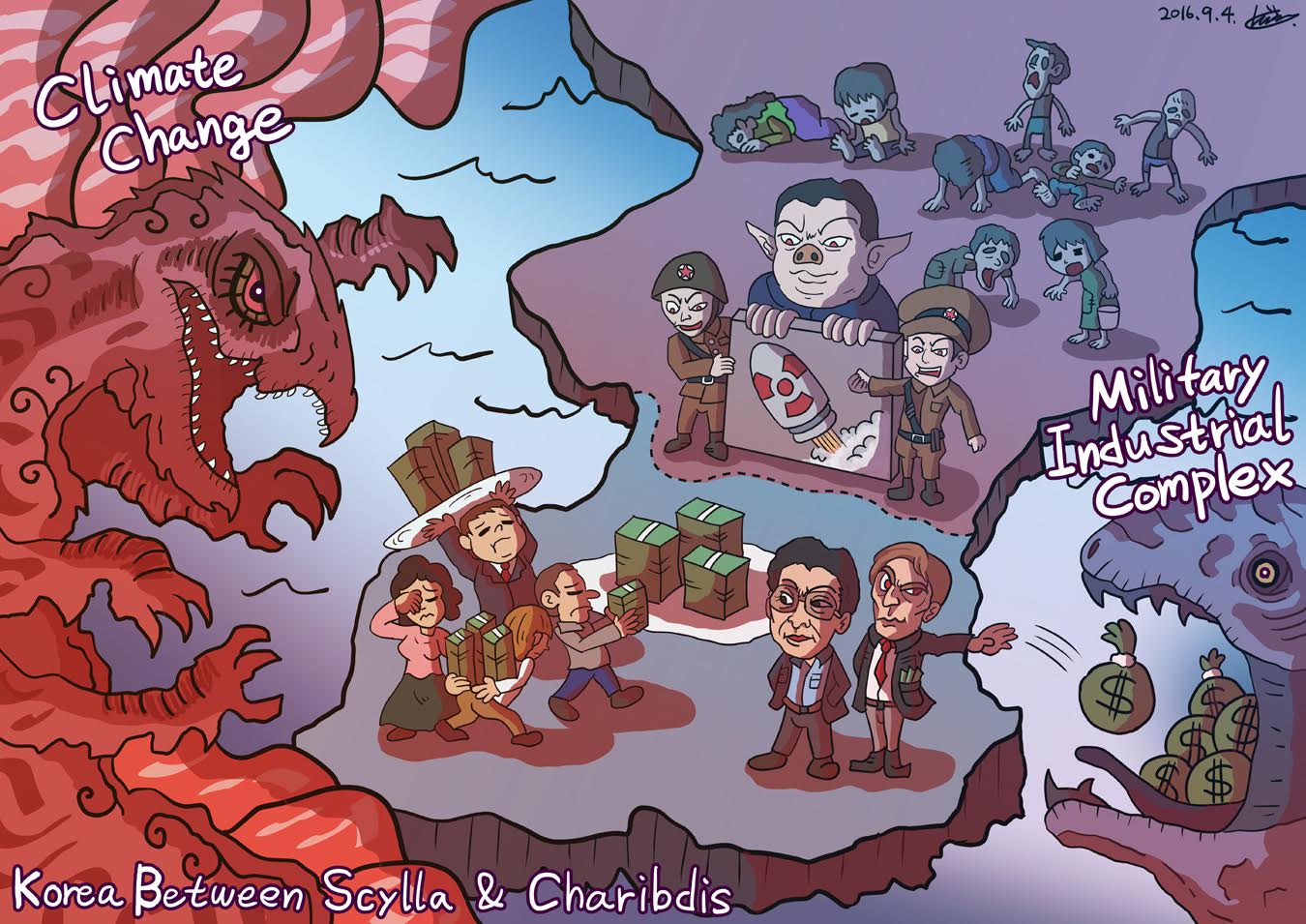
climate-change-and-mic

The media has praised you for the peaceful manner by which you have carried out your protests, going as far as to suggest that Korea is now a model for democracy.

But do not assume that this ordeal is over now that prosecutors are grilling President Park Geun-hye’s buddies like Choi Soon-sil in the impeachment proceedings.

It is entirely possible that this ordeal is only beginning.

Learning from History 

It is critical that you remember the last time that a Korean president resigned –on April 26, 1960. Rhee Syng-man was forced to step down as president of the Republic of Korea after massive strikes by students, joined by concerned citizens. The students rejoiced in their victory and imagined that a democratic government would soon be set up. But for all of their bravery, the students who led those protests had few connections within government and no solid plans for how Korea should be governed, or what policies to promote.

They did not anticipate that the power vacuum created after the government was completely discredited would encourage others to seek power. Korea careened dangerously forward and Prime Minister Chang Myon engaged in political games without a clear vision. The result was that a savvy young military officer named Park Chung-hee helped to organize disgruntled members of the military and seized power in May 16, 1961, crippling the democratic process in Korea for decades.

Also recall the promise of the Seoul Spring of 1980, which ended in political fragmentation when “The Three Kims,” (Kim Dae-jung, Kim Young-sam, and Kim Jong-pil) drifted apart, leaving space for General Chun Doo-hwan to take control and rule with brutality.

And that trick was repeated in 1987 when the Three Kims were, again, unable to unite and the Army General Roh Tae-woo took power. If you read history, you will know that too many demonstrations have failed in Korea because the leaders bickered, creating an opportunity for political opportunists.

Korea has come a long way since then, but it would be naïve to assume that such a risk no longer exists. Removing President Park Geun-hye from power is only the first step as we try to disentangle politicians and chaebols (conglomerates). But removing her from power should not be the final goal.

Korea’s economy is deeply dependent on revenue from trade and is unable to produce its own food or energy. It is guaranteed to suffer a major economic downturn next year. Already we can see the signs of collapse in shipping, ship building, and steel production – even if the media politely tries to hide these facts from you.

The only plan the government has is to sprinkle your tax dollars as a stimulus package on those teetering industries in the hope of creating some sort of magical recovery. They will fail miserably. Korea has not even started to develop new industries to replace the fossil-fuel dependent industries at the core of the economy and you are not demanding that it should anywhere in your demonstrations.

Korea will be squeezed between an irritated China, which is rapidly cutting back on economic interactions in retaliation for the agreement to deploy the THAAD anti-missile system, and a Trump administration that has promised to crack down on Korea by imposing tariffs across the board. The new administration is planning to take on China first and foremost, but has Korea in its sites.

As a result, under the direct fire of Commerce Secretary Wilbur Ross, US Trade Secretary Robert Lighthizer trade advisor and Peter Navarro, the entire free trade system that your parents assumed was as natural as the sun rising in the East and setting in the West is in danger of collapse very quickly.

Perhaps you are thinking that if President Park steps down, the THAAD disaster will then be undone. But the Trump administration has every intention of trying to force Korea into an alliance with the United States and Japan to confront China, and it’s unlikely to use a subtle approach. How far might theTrump administration go to try and install a conservative regime in South Korea? Well, Trump has surrounded himself with hardliners who intend to confront China militarily. His new Secretary of Defense James Mattis is postulating China as a direct threat to the United States and his advisor for trade Peter Navarro, author of the sensationalist book Death by China, blames all of America’s ills on a Chinese conspiracy of unfair trade.

THAAD was after all only part of a massive set of purchases of US weapons systems including drones, helicopters, and other items that made South Korea the biggest purchaser of US weapons for the first time in 2014 at $7.8 billion. As the U.S. economy worsens, the promotion of such massive arms deals with South Korea will become only more important for Americans.

The Errors of the Educational System

There is no doubt that you are sincere and committed to improving Korea, but you have been cheated by the educational system in Korea. The humanities have been stripped from the high school and college curriculum and you found yourselves forced to take boring management, economics and accounting courses. Although Samsung may want business majors with no big dreams for Korea’s future, good government and a healthy society requires students who read political philosophy, history, and literature and understand at a deep level human nature and the frailty of human institutions.

The humanities are absolutely required to come to grips with this level of political chaos. You need to read Plato and Confucius, Weber and Marx if you want to start understanding how you set up a government with a balance of powers, how you encourage a responsible citizenry, and how you avoid the dangers of tyranny which can appear in a multitude of guises.

Your management classes, which focus entirely on process, have done nothing to prepare you for this crisis. In fact, your predecessors in 1960, or for that matter in 1979 or in 1987, were far better prepared in terms of their understanding of philosophy and ethics and the strategies for building a healthy society than you are. They were well read, and wrote well, in the age before standardized tests. They suffered tremendous setbacks, but ultimately they were able to put together two administrations (Kim Dae-Jung and Roh Moo-hyun) that strived to take Korea in a different direction.

After your candlelight vigils, do you gather to discuss political reforms and the nature of governance? Do you argue late into the night with other students about how to bring democracy to Korea and how to serve the needs of the people? Are you scribbling notes in the corners of your copy of de Tocqueville’s Democracy on America or Hobbes’ Leviathan? Only if thousands, hundreds of thousands, of young people are active in building up their own competency in the principles of politics and governance, mastering the details of policy, do we have any chance of avoiding being fooled yet again by the politicians.

And be wary of social media that keeps telling you how great you are. Much of the popular media, like Ohmynews and Pressian in Korea, has become so commercialized that it has lost their edge over the last decade. Reporters are more concerned with getting your attention (and bringing in revenue) than with presenting in-depth, accurate reporting. That means that articles scream out for your attention but give you little in the way of real details about how things really work, or real solutions as to how you can fix these problems. Long-term institutional problems are all but absent from those writings.

Mass media and digitalized content and social networks have created a window for you to see the incompetence and corruption in the administration. But the same media studiously avoids discussing the creeping corruption that infects every aspect of Korean society, including many progressive institutions. Getting you caught up in the 24-hour reporting about Choi Soon-sil means you will be distracted, unable to apprehend that the problem lies not in individuals but in economic, social, environmental, and diplomatic challenges that leave Korea immensely vulnerable.

Think about it. The popular media, progressive or conservative, gives almost no details about the actual content of laws passed and their impact on your lives. No description of the structure of the institutions that receive funding from the government and enforce its laws. We are unable to tell whether policies actually work, or even if they are implemented, because we do know in detail what the policies are.

Do not expect much from politicians. Their job is to stay in power, not to help you. If politicians think that helping you will allow them to stay in power they will modify their behavior. The problem is not so much politicians as it is us. There is an old saying: “People do not want leaders; they want miracle makers.” That is to say, so often people wrongly assume that they will elect someone and that person will then solve their problems. That will never happen. Only if you keep after politicians day and night will you see change. If you are looking for a leader, just look in the mirror.

The Air Around You


Did you notice how terrible the air quality in Seoul’s Gwanghwamun Square was while you were protesting? The Park administration has done away with regulations and sent all the inspectors home who are supposed to inspect factories and punish those who pollute. Those factories are now emitting dangerous chemicals pumping micro particles into the air that will give a significant number of you cancer, or other serious diseases, over the next 20 years. That domestic smog combines with pollution that wafts over from China to form a noxious potion. And yet, although air pollution in China is worse than in Korea, China is at least making massive investments in solar and wind power and will make tremendous progress over the next decade. Korea is the worst in the OECD in the use of renewable energy, and it is increasing coal power at a time when the rest of the world is getting rid of it.

Yet, in your protests, clean air is not among your top 20 demands. Actually, for many out there the only demand is that Park Geun-hye step down. Do you even have 20 demands?

Did you notice how unseasonably warm the weather in December was? The brutal reality is that it has never been that warm in December in Seoul. There is nothing mysterious about this fact. Thousands of scientists have explained in detail how the emissions from fossil fuels, and our destruction of the environment, are creating an ecological nightmare that will take millennia to undo.

Climate change will turn Korea into a desert. Already massive deserts are sweeping towards to Beijing, and arid land is spreading in North Korea. Rising oceans are guaranteed to put most of Busan and Incheon completely underwater in the near future. The politicians are not talking about this crisis—but neither are you!

And there are so many other issues, from our over-dependence on technology to the collapse of families and communities in this hyper-competitive culture we have built.

What Can You Do?


You have the power to change Korea and the world, and we are counting on you. But please realize that this project is not a matter of showing up for a few protests. It will be a tremendous struggle over decades. Pace yourself.

You must move beyond the fierce competitiveness that your high school held up as a virtue and realize that only if you work together with your peers, if you support each other and build a caring community, can we have change.

You need to think flexibly: to get outside the box and look at the world as it is, not as your parents, or the corporate media want you to see it. You must break out of the outdated ideology of industrialization and consumption and create, through your actions, a sustainable and cooperative society. Nobody will do this for you.

You must teach yourselves because the system has failed to teach you. Listen to all politicians with skepticism, even if the media labels them as “progressive.” Judge them based on what they do, not based on what they say, or on what authority figures say they are. For that matter, do not assume that a particular economic system can be labeled simply as good or evil, or that foreign countries are forever enemies, or forever friends.

Millennials, you have been misled by the commercial media and by your seniors into thinking that if you just followed the rules and studied you would get a good job and live a prosperous and carefree life. It was a fiction.

You may not be able to vote yet, but you can start to change this society with every single action you take. The leader of this country is you. The presidents and CEOs will never do anything to put Korea on the right track unless you demand it. Write down your plan and get to work. You are capable of convincing average Koreans that investing in youth is the way to develop Korea.

If passionate grassroots movements force politicians to hold to their words, we will start to see progress. As the old phrase goes, “don’t get mad; organize!” Nothing could be truer for Korean youth. The protests so far have not led youth to organize in the way they did in the 1960s, 1970s, or 1980s.

You need to think long-term about what sort of a society we want to build. Your elders failed because they were complacent and stopped paying close attention to politics. They were drunk with the myth that Korea had become an advanced country.

You are different from the CEOs and politicians being shuttled around in limousines. You are the true leader of Korea. Have the bravery, the imagination, and the confidence to go forward and change Korea!

Read more

“Nightfall”

For those who wish to understand the psychology of climate change denial and the process by which various interest groups conspire to suppress massive unpleasant truths, please read Issac Asimov’s 1941 classic “Nightfall.” The short story describes how the inhabitants try to suppress all discussion of an eclipse of all six suns that are visible from the planet. The eclipse creates complete chaos on the planet and the destruction of the civilization. But despite the efforts of one well-meaning figure, there is nothing that can be done to stop the denial, nor the eventual destruction.

‘My columns may have been a little rough,

but I gave you people the benefit of the

doubt every time. After all. This is
not the century to preach “The end of the
world is at hand” to Lagash. You have to
understand that people don’t believe the
Book of Revelations anymore, and it
annoys them to have scientists turn
about face and tell us the Cultists are right
after all — ‘

Isaac Asimov
“Nightfall”
1941

You can read the full text at:

https://www.uni.edu/morgans/astro/course/nightfall.pdf

Technology, human consciousness and climate change

I have spent a tremendous time working on this issue of climate change here and in the US over the last 15 years. Personally I am starting to think that somehow exponential technological change has hooked up with the brain stem, the reptile mind of humans and drawn into that emerging connected system human society at a level that is essentially invisible to individuals.

Therefore, although we all seem to be free, we are being marched to our own death. We are aware of this truth at a certain level, but because we have bought into this mechanized consumer society at a level below consciousness, we cannot shake it off through policy or through politics. The only hope would be to modify habits, but there is not much time left for that.
The reason we cannot step back is that the technology is helping to shut down our own self-preservation instincts and our ability to engage in long-term planning. How? It is sort of like rubbing the belly of an alligator. It is the weakness of humans. Certain patterns just draw us in.

The Asia Institute has emphasized from its foundation, the most important issue is the combination of exponential evolution of technology, the change in the climate and the change in international relations (how humans around the world interact with each other). As opposed to other think tanks who feed you lies and distractions.

“Interview With National Assembly Speaker Over Korean Politics, Constitutional Reform” (Huffington Post January 5, 2017)

Huffington Post

“Interview With National Assembly Speaker Over Korean Politics, Constitutional Reform”

January 5, 2017


Emanuel Pastreich


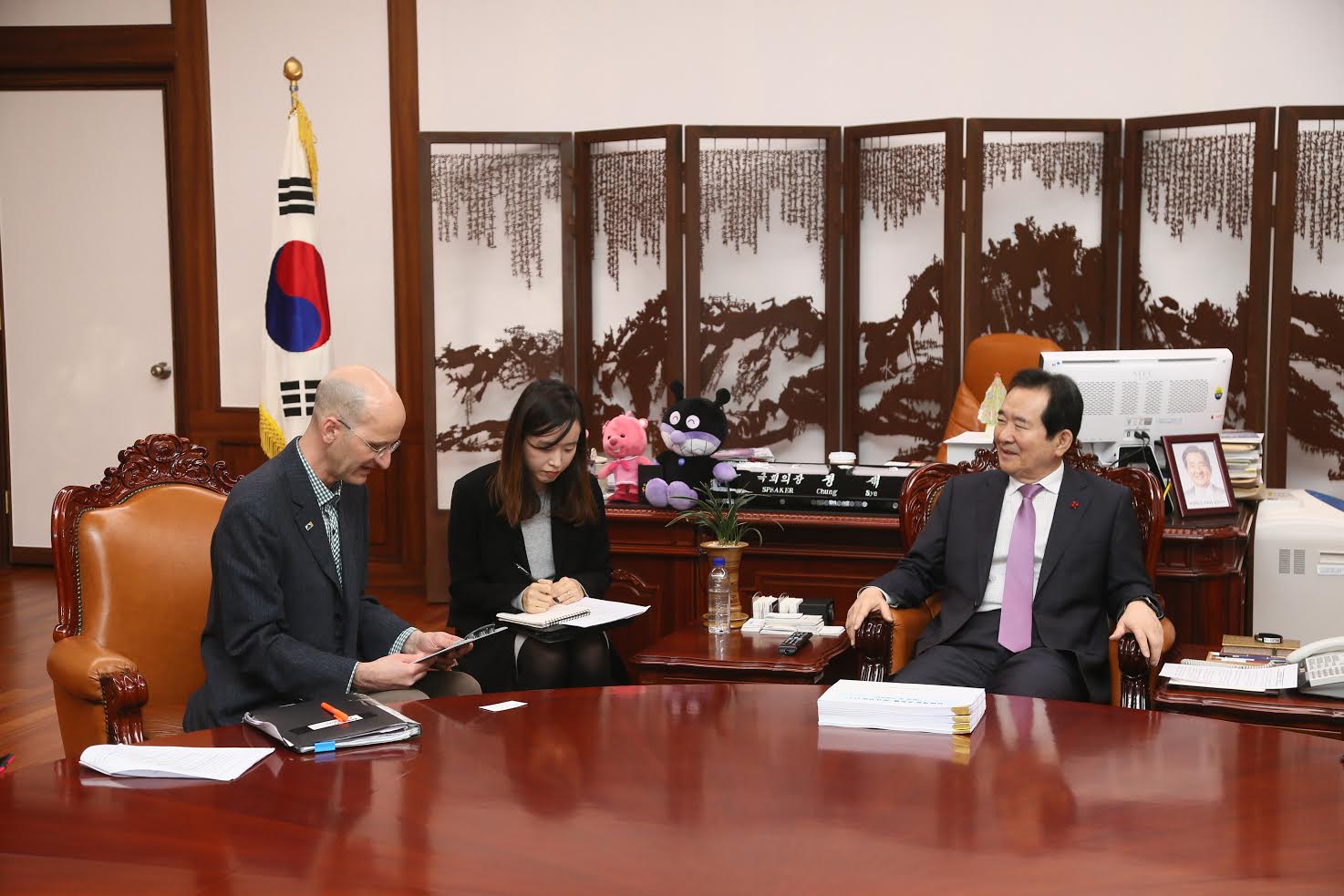
I had a chance to speak with Chung Sye-kyun, Speaker of the National Assembly, about his vision for Korean politics and his thoughts about what possible reforms may result from the current impeachment crisis. Speaker Chung spoke frankly about his hopes for meaningful and visionary constitutional reform and plans to address such knotty issues as the government-mandated history textbooks.


Emanuel Pastreich:

What exactly is this consultative body made up by the ruling and opposition parties for the period of the impeachment proceedings?

Chung Sye-kyun:

Under normal circumstances, the National Assembly would perform its role as legislative branch of government establishing laws. The central government, similarly, would play its administrative role. But we find ourselves in an emergency situation, one in which the president’s administrative authority is legally suspended and the prime minister has taken up temporary authority. But in the middle of all this we are facing a broad range of challenges both at home and abroad.

It is in that sense that the opposition party has called for a “consultative body for the ruling and opposition parties” or “consultative body for government administration.” Regardless of the name used, we need to consider the original function of the National Assembly: overseeing the actions of the executive branch and checking its actions. Simultaneously, the National Assembly also is charged with making legislation.

But this time we must increase the National Assembly’s role of oversight of, and checks on, the executive. As for the serious pending issues that we face, is it not the case that the National Assembly needs to address them? We have a critical contribution to make.

It was in the context of discussing this problem that suggestions for “political collaboration,” to use a popular term, came up. There are four (updated from three) negotiating parties in the National Assembly now involved in this political collaboration and we intend to cooperate with those in the legislative and executive branches. It is in that sense that that the ruling and opposition parties came up with this concept of a “consultative body for national affairs.” I think that such collaboration will allow us to move beyond the emergency situation of the present day and we want to make best use of the time we have. We need to work hard for such political collaboration so that the National Assembly, the entire government and the people of the Republic of Korea can respond to this emergency.


Emanuel Pastreich:

What are the priorities for this consultative body for national affairs, and what role do you expect to play?


Chung Sye-kyun:

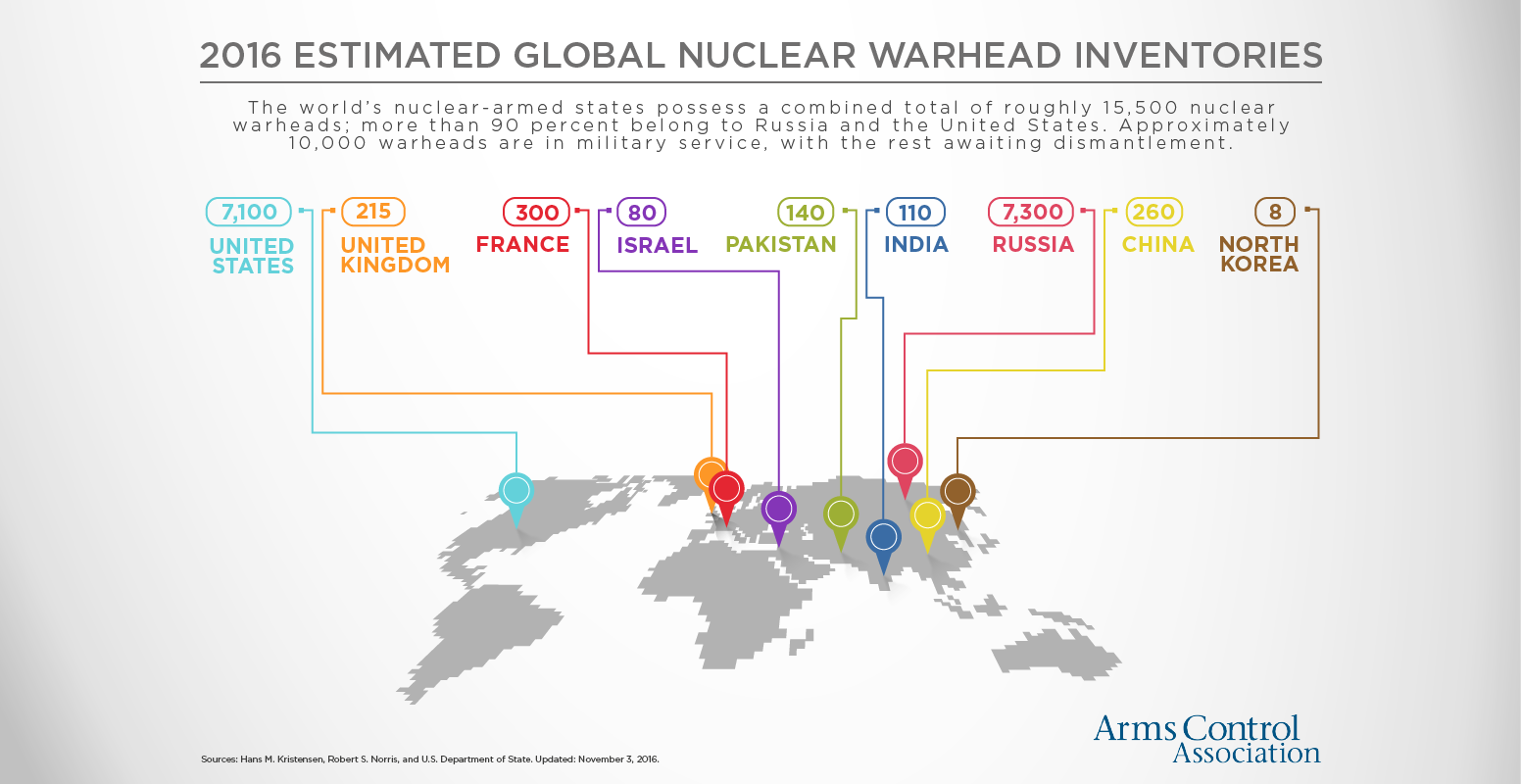
There are many issues we must address and not so much time, but I think that the people’s livelihood and the economy are the primary issues for citizens. The new most important issue is the response to new developments in foreign affairs and security, especially those related to North Korea’s nuclear weapons program.

I hope that the members of the National Assembly, and all members of the political parties, will engage in a serious discussion about these two critical issues and that they will actively seek out ways to support the government so that reform and governance goes forward smoothly.


Emanuel Pastreich:

The possibility of constitutional reform has been brought up repeatedly before. There are those who see this crisis as the perfect opportunity to revise the constitution. And then there are some who hold that constitutional reform can be a means of sharing power with the so-called “third zone.”What are your thoughts on constitutional revision?

Chung Sye-kyun:

Constitutional revision must first and foremost take place in accord with the understanding of our citizens. And only on that foundation that can we proceed smoothly with constitutional revision. We will also need each political party of the National Assembly to reach an agreement on the process. As it seems pretty much certain that elections will be held early, following the impeachment, it will be rather difficult to carry out any sort of constitutional revision before the election. In any case, we are planning to set up a special committee on constitutional revision in the National Assembly next year.

For this reason, politics and the preparations for the upcoming elections should proceed along one track and the current judgment on the president of the Constitutional Court’s impeachment proceedings should proceed along its own track. Constitutional revision should be debated separately and treated separately.

The term “third zone” refers to the formation of another faction by those who have left the major parties. These politicians could pursue a different approach to policy, coalescing into a larger political force. It is possible that they might even try to field a candidate for president. It does not appear, however, that they have come together as a viable force in Korean politics. These politicians would have tried increase their influence if there had not been any impeachment proceedings. But now with the impeachment proceedings (and early elections) they will not have much leisure to prepare for an election and I think it will be rather difficult to field a candidate.

As I noted before, the ruling on impeachment of the Constitutional Court and the early presidential election are also quite distinct from constitutional revision. No one has any idea when such constitutional revision might take place. Nevertheless, although we do not know when the constitution might be revised, I would like to achieve this goal during my term of service.

The most important aspect of constitutional revision is the redistribution of power. The authority of the president should be reduced and transferred to the legislature, or to other government offices, so as to create a more horizontal distribution of power. In addition, there needs to be an allotment of administrative authority concentrated in the central government to move over to local government as well.

It is an issue of the fundamental rights of citizens. Whether we are talking about environmental issues or sustainable development, I think that a broad range of issues should be addressed in the process of constitutional revision. It is a question of the power structure. We need to do more than address institutional architecture. We must respond to the many changes and developments that have taken place in Korea over the last thirty years. Those developments should be reflected in the revision of the constitution.

Emanuel Pastreich:

How do you view the impeachment proceedings, especially as related to the impending early presidential election or the revision of the constitution?

Chung Sye-kyun:

The fact that 62 members of the ruling party voted for the impeachment in the National Assembly reflects the will of the people. Polls show that 78 percent of the nation supported the impeachment, which is about the same as the percent of the assemblymen who voted for impeachment in the National Assembly. From this fact, we can infer that public opinion has had impact on the decision of the National Assembly members.

Since the impeachment issue has already been passed on to the Constitutional Court, I anticipate that the Constitutional Court will make a prudent and wise decision. However, this is not to say that we know exactly how the Court will decide.

At present the members of the National Assembly need to systematically, in a transparent manner, discuss the basis for constitutional reform. It appears that many who participated in the demonstrations watching very closely how the impeachment hearings progress now that the case has moved to the Constitutional Court. They are ready, as committed citizens, to reconsider their positions on Korean politics in accordance with developments.

We must not lose sight, however, of the current issues critical to Korea. We must effectively resolve pressing issues such as the bird flu outbreak (AI), problems in the economy, and challenges for security and diplomacy. We can at the same time and proceed with the political process of resolving the crisis in a democratic, peaceful, reasonable and orderly way.

Emanuel Pastreich:

But there are some people who are worried that not everybody has the vision that you have, that there are politicians who are more concerned about the next election than any long-term reforms. So how would you make sure that we are focused on the big question of the Constitution and of the future of Korea, rather than short-term benefits?

Chung Sye-kyun:

It is quite natural for politicians to want to win elections and that is how things should be. We also need to confront current challenges and to think about the future of Korea. I must run for office and I must also fulfill my duties as the speaker of the National Assembly. The same goes for others.

Those who want to run in the presidential election must try hard to win the support of the people. But we have already seen the degree of commitment of our citizens to good government in the recent protests. They clearly feel a responsibility to carry out their role as citizens. It is for this reason that I am optimistic that no problems would arise.

Those who wish to be candidates for president ought to compete in a fair manner and thereby be scrutinized by the people. In this process, they should offer their visions and compete openly with each other to offer solutions. I hope that a good leader will be chosen in the end.

Additionally, I hope that presidential candidates will offer a concrete vision to the people, rather than employing a negative campaign. I understand that there is little time left in the process. Nevertheless, I hope that the candidates would make meaningful pledges for good government and will receive the support of citizens in return, thereby carrying out constructive campaigns.

Emanuel Pastreich:

A sample of the new government-mandated history textbook was released recently and set off protests calling for its recall. How should be address this problem, especially in light of the process by which this textbook was produced?

Chung Sye-kyun:

I have always strongly opposed the idea of government-mandated textbooks. This is not because of ideological or political bias, but rather because I feel we must employ a balanced and objective manner of considering history as we undertake the awesome task of educating of future generations. If we look at the issue in terms of our mission to the future, I believe, we must admit that Korea has developed sufficiently to no longer require government-mandated history textbooks.

I think the right approach is to have approved history textbooks, rather than government-mandated textbooks. The vast majority of Koreans oppose government-mandated textbooks, but they agree it is appropriate to have approved textbooks. I hope that the administration will quickly abandon this policy.


“‘한국 최대의 자산은 국민’ 정세균 국회의장 인터뷰” (허핑턴포스트 2017년 1월 5일)

허핑턴포스트

“‘한국 최대의 자산은 국민’ 정세균 국회의장 인터뷰”

2017년 1월 5일

임마누엘 페스트라이쉬

unnamed

정세균 국회의장은 지난해 총선에서 더불어 민주당이 새누리당을 제치고 제 1당이 되면서 현재의 자리에 올랐다. 한국 정치계에서 오랫동안 활동하며 정 의장은 쉽게 감정에 휘둘리지 않는 균형 잡힌 모습을 보여줬다. 그는 조화로운 관계를 만드는 데 집중했으며, 제도화에 대한 열정을 보여줬다. 박근혜 대통령 탄핵 과정에서 정 의장은 한국 정치의 중심 인물로 떠올랐다.

나는 정 의장과 최근 한국 정치의 위기에 대한 얘기를 나눌 기회가 있었다. 그는 자신 앞에 놓여 있는 도전과 가능성, 전망에 대한 얘기를 들려줬다. 태풍의 눈에 있는 그는 현 사태를 가장 정확히 볼 수 있는 인물일지도 모른다.

임마누엘 페스트라이쉬 :

의장님이 생각하시는 여야정 협의체 형태는 무엇인지요?

정세균 의장 :

정상적인 국회 같으면, 국회는 국회대로의 입법부의 역할이 있고, 행정부는 또 그들의 역할이 있는데, 지금은 대통령의 권한이 금지된 비상사태이면서 또 국내외 쪽으로 우리가 많은 문제들에 직면해 있어요. 그렇기 때문에 특단의 대책이 필요합니다. 그런 차원에서 야권에서 여야정 협의체라고도 하고 국정협의체라고도 하는 것이에요.

국회의 본래 기능은 행정부를 견제하고 감시하는 것이죠. 동시에 법안을 만들고요. 그런데 대통령에게 과도하게 권한이 집중되어 있는 이 현실에서 국회의 많은 역할들 중 견제와 감시의 역할을 한층 더 강화해야 한다고 생각합니다. 또 현재 우리가 직면하고 있는 현안들을 해결하는데 국회가 좀 더 적극적으로 기여해야 한다고 봅니다. 그런 차원에서 요즘 말로 “협치”를 하자는 것입니다. 협치를 여야간에, 또 국회 내부에서 교섭단체간 및 입법부와 행정부간에 협치를 할 필요성이 있다고 봅니다. 여기서 여야정, 국정협의체 발상이 나왔는데, 저는 그런 것이 필요하다고 생각합니다. 그리고 그런 노력을 통해서 국가의 비상사태를 잘 극복하고, 우리가 직면하고 있는 상황이 정상화 될 때까지 걸리는 시간을 낭비하지 않으며 잘 활용하자는 취지에서 나온 말입니다. 다시 말해, 비상시기에 대응하는 국회와 정부, 그리고 대한민국 기관들의 협치 노력이 필요하다는 취지죠.

임마누엘 페스트라이쉬 :

개헌 문제 계속 제기해왔는데 이번 기회가 개헌의 적기란 얘기도 있고, 개헌이 제3지대 등이 권력 나누기 위한 수단이란 지적도 있습니다. 이 부분에 대해 어떻게 생각하시는지, 그리고 개헌의 방향은 무엇이라 생각하는지 알고 싶습니다.

정세균 의장 :

개헌은 우선 국민적인 공감이 기본이고, 그 토대 위에서 국회의 각 정당이 합의를 해야 개헌이 순조롭게 이루어질 수 있어요. 이제는 조기 선거가 치러질 것이 거의 확실하기 때문에 그 이전에 개헌을 하는 것은 쉽지 않을 것으로 판단을 합니다. 그런데도 불구하고 국회에 개헌 특위를 설치할 예정입니다. 그러니까 정치 쪽에 대선은 대선대로 가는 것이고, 헌재 판결 및 박근혜 대통령 탄핵은 그쪽대로 가는 것이고, 다른 한편의 개헌 프로세스 또한 나름대로의 논의가 이루어질 것이기 때문에 각각 별개로 이루어질 것입니다.

소위 말하는 “3rd Zone”은 제 3지대라고 하는 것인데, 기존 정당들에서 이탈을 해서 새로운 그룹을 만드는 것을 의미해요. 이 새로운 그룹은 두 정당이 추진하는 방향하고는 별개로 자기네들이 나름대로 거기서 세력을 키워서 집권하겠다고 하는, 그런 것인데, 가능성이 상존하는 것이지만, 힘을 얻고 있다고 보고 있지는 않지요. 그 사람들이 원래는 이런 탄핵 사태가 없었다면 그런 프로세스를 추진할 생각이었는데, 이 탄핵 사태가 생기면서 그들도 그럴 시간적인 여유가 없어서 아마 쉽지 않을 것으로 생각합니다. 말씀드린 것처럼 다른 한편으로는 헌재의 탄핵 결정과 새로운 조기 대선이라고 하는 한 측면과 다른 한편으로는 헌법 개정이라는 측면이 있을 텐데, 헌법개정이 도대체 언제 될 것이냐는 아무도 모릅니다. 언제 될지는 모르지만 원래 제 목표가 제 임기 중에 개헌을 하는 것이었어요. 그리고 개헌의 중요한 핵심 요소로 첫째는 분권이에요. 대통령의 권한을 좀 축소하고, 그 권한을 입법부나 아니면 그런 다른 기관들에 나누어주는 그러한 수평적 분권이라고 얘기할 수 있죠. 그리고 지방분권, 이것을 수직적 분권이라고 얘기할 수 있죠. 중앙정부가 가지고 있는 권한을 일부 지역에 나누어주는 것. 국민의 기본권 문제든 환경문제든 지속가능한 성장이든, 이런 문제들이 점점 광범위하게 개헌이 되었으면 좋겠다는 것입니다. 소위 말하는 권력구조, 꼭 권력구조에만 머무르는 것이 아니고 지난 30년 동안 대한민국의 많은 변화 그리고 발전, 이런 것들을 거기에 반영할 수 있는 그런 개헌이 되었으면 좋겠다고 생각을 하죠.

원래 최순실 사태가 있기 전에, 대략 60 퍼센트 정도의 국민들이 개헌에 찬성을 하고, 30 퍼센트는 안 해도 되지 않느냐, 그리고 나머지 10 퍼센트는 모르겠다 하는 정도의 반응이었는데, 최순실 사태를 겪으면서 많은 국민들이, 특히 지식인들이, “아, 이게 제왕적 대통령제로는 안되겠구나. 사람의 문제가 아니고, 이것은 제도에 문제가 있는 것”이라는 반응을 보였습니다. 그러니까 헌법을 고치지 않으면 안되는 것입니다. 그래서 촛불 민심이라는 것이 최순실 일당에게 벌을 주는 것과 대통령을 그만두게 하는 것으로 그치는 것이 아니라, 정권을 바꾸는 것에 더해 새로운 대안을 만드는 것도 포함한다고 봅니다. 민심이 그렇다고 하면, 새로운 대한민국을 만드는 것은 국회가 달라지고, 검찰도 개혁하고, 이를 비롯한 여러 전반에 걸친 개혁이 필요합니다. 많은 시민들이 지금까지 논의해 온 개헌이 이뤄지는 것이 핵심이라고 생각하고 있기 때문에 개헌에 대한 분위기는 성숙되었다고 봅니다.

임마누엘 페스트라이쉬 :

조기대선, 헌법 개정 등을 비롯한 여러 문제들과 현 상황을 복합적으로 고려할 때 국회의장으로서 탄핵에 대한 소회는 무엇입니까?

정세균 의장 :

국회에서 탄핵 결정에 새누리당 62명이 동참을 했다고 하는 것은 국민들의 여론을 반영한 것입니다. 국민들 78 퍼센트가 탄핵에 찬성했다고 하는데, 국회 표결 결과도 똑같아요. 이것을 보면, 국민들의 여론이 그대로 입법부에도 반영되었고, 국회의원들을 움직였다고 보고 있습니다. 탄핵 문제는 이미 헌재로 넘어갔기 때문에 헌법재판소에서 비교적 신속하게, 그리고 현명하게 판단할 것이라고 보고 있습니다.

그러나 헌재가 어떤 결정을 할 것인지는 아직 모르는 것이죠. 이제 국회의원은 개헌에 있어서 천천히, 그렇지만 정당한 방법으로 국회에서 논의를 해야 합니다. 촛불 집회의 시민들은 “국회에서 탄핵 결정을 하고 헌재로 넘어갔으니, 좀 보자” 하는 국민들도 상당히 많은 것 같아요. 그렇지만 언제든지 그분들은 자신들의 주장을 다시 할 생각이 있는 자세가 되어 있는데요. 중요한 것은 국정의 현안, 예를 들면 AI (인플루엔자) 사태든 경제적인 위기든 관행적인 행위를 비롯한 외교·안보 문제들을 잘 챙기면서 정치적인 프로세스는 프로세스대로, 그리고 아주 민주적이고 평화적이고 온당하게, 질서정연하게 잘 풀어나가는 것으로 봅니다.

정치인들이 선거의 승리를 위해서 노력하는 것은 자연스러운 일이죠. 오늘의 대한민국, 우리가 직면하고 있는 어려움이나 대한민국의 미래에 대해서 저는 저에게 주어진 임무를 수행하면 되고, 또 대통령 선거에 출마하려고 하는 사람들은 국민들의 지지를 얻기 위해서 노력을 하고, 각 분야에 있는 모든 대한민국 국민들이 자기 분야에서 자기에게 당면한 과제들을 잘 챙기면 아무런 문제가 없을 것이라고 생각해요. 그래서 대통령 선거에 출마하고자 하는 사람들이 경쟁을 제대로 하고 국민적인 검증을 잘 받았으면 좋겠다고 생각해요. 그런 과정에서 자신들의 비전을 제시하고 그것을 가지고 경쟁하고 국민들의 평가를 받고, 정말 좀 좋은 지도자가 나왔으면 좋겠다고 생각합니다. 그리고 그분들이 가능하면 negative campaign을 하기 보다는 자신들의 비전을 가지고 경쟁하고, 국민들에게 잘 선보임으로써 국민들의 지지를 얻는 노력을 하면 얼마나 좋을까. 그렇게 생각해요. 시간이 좀 짧지만, 좋은 공약을 많이 개발해서 국민한테 선보이고 그대신 국민들의 지지를 받고 그런 아주 건설적인 캠페인이 만들었으면 좋겠다고 생각합니다.

Read more