“破碎化的治理体系破坏了河内峰会” 多维新闻

多维新闻

“破碎化的治理体系破坏了河内峰会”

2019年 3月 2日

贝一明

美国总统唐纳德·特朗普于2月28日在河内JW万豪酒店与朝鲜最高领导人金正恩举行峰会后,在新闻发布会上就此次会晤做出回应。

2月28日越南河内金特会即将结束前,签署联合声明这一环节突然取消。在我的记忆中,这是最错综复杂、最具矛盾性的历史事件之一。当然,唐纳德·特朗普和迈克·蓬佩奥随后敷衍出来的声明倒是浅显易懂。在媒体眼中,这次峰会无异于一场了无新意的真人秀,会上讨论最多的,除了过程还是过程。

特朗普表示自己跟金正恩、安倍晋三、习近平和文在寅的关系“十分牢固”,给人的感觉像是一个深夜脱口秀演员想靠东拉西扯把节目中的漏洞搪塞过去。

然而,不管特朗普抛出多少具有积极意义的字眼,人们都无法忽视在世界范围内蔓延的巨大灾难。他说自己同金主席进行了“富有成效的会谈”,但诸如此类的花言巧语,根本无法成为在各方面前逐渐升级的战争威胁的遮羞布。

实话实说。朝鲜不会对世界和平造成严重威胁;恰恰相反,在1945年旧金山会议所建立的全球秩序分崩离析、乱尘纷飞之际,朝鲜是一座相对稳定的安全岛。这个国家封闭而又专制,但它在国际舞台上绝非异类。

反观美国。如今其政府中的专业人员所剩无几,针对各种问题和政策的分析愈发偏颇,文化也因财富的过度集中而扭曲。这样的美国正在滑入孤立主义和军国主义的深渊,在这两种危险政策的共同作用下,什么事情都有可能发生。

河内峰会无果而终的原因,或许是上述结构性转变,更可能是美国国会就减少对他国制裁所持的反对态度,以及特朗普前私人律师迈克尔·科恩那华而不实的证言。

然而世界并不会为特朗普而止步不前。印巴两个拥核国家正处于战争边缘,这在很大程度上是由于美国为遏制中国的影响力而发起了野蛮的政治游戏。美国军队仍然在中亚、中东和非洲肆无忌惮地搅局,而新国会似乎对此无能为力。

在由贾伊尔·博索纳罗领导的巴西极右翼政府的重压之下,南美洲已然陷入混乱。该政府露出的迹象极具威胁性:它不仅对政治问题的解决措施加以主观性的选择,为攫取利益而采用无耻的反智手段,而且还计划毁掉亚马逊丛林——这样会导致人类加速灭亡。

同时,新保守主义双人组艾略特·艾布拉姆斯和约翰·博尔顿正在为推动委内瑞拉政变而焚膏继晷。他们想要把尼古拉斯·马杜罗拉下马,从而牢牢控制该地的石油命脉,令跨国企业从中获利。右翼参议员马尔科·卢比奥也做出了极为荒唐的举动:他在自己的推特账号上贴出了前利比亚最高领导人穆阿迈尔·卡扎菲的照片,暗示马杜罗会因为跟美国对抗而遭到与之相同的下场。

美国为控制他国资源而采取过诸多行动,而石油煤矿大亨科赫兄弟–查尔斯·科赫和大卫·科赫–是幕后推手。他们为染指朝鲜的煤炭、黄金和其他资源加入抢夺大战,但处置这些资源的最佳方法,却是将其留在地下,不去谋取。

换言之,倘若不知道特朗普所讲的经济神话是以全球投资者,而非以朝鲜民众为主角,那么人们也很难理解金特会的真正用意。美国一边与朝鲜接触,一边对伊朗和委内瑞拉采取敌对行动,这两种举措看似迥然不同,实则异曲同工。

但这并不是问题的全部。约翰·博尔顿正在推动美国退出《中导条约》,也将我们推上了军备竞赛之路。比起上世纪五十年代来,此时发生军备竞赛更为危险,因为现在的科技进步程度已经远非那时可比。博尔顿的这一疯狂举动,再加上美国单方面退出伊核协议,使得德国、俄罗斯、中国、美国、土耳其、日本、印度与伊朗等众多国家之间爆发大规模军备竞赛乃至世界大战的可能性大大增加。也许在不久的将来,上述国家就会拥有核武器。

我们可以肯定,金正恩及其顾问团已经对愈演愈烈的混乱局面有所察觉。宴会上的他露出了灿烂的微笑,但这笑容背后是深深的恐惧。金特双方都在故作深沉,自欺欺人–从这个意义来讲,这次峰会也算是见证双方达成了某种共识。

特朗普之所以要在记者招待会上讲那番好话给习近平主席听,是因为他想隐瞒以下事实,欲盖弥彰:五角大楼正在为向中国开战而作具体准备。现在这一紧张局面并不会有所缓和,因为特朗普及其拥趸已将制裁视为贸易政策,将战争威胁当作从他国榨取利益的手段。

再直白一些:应精神病患者的命令,在没有任何非军方力量干预的情况下派出军队,这堪为人类历史上最大的灾难。

而无论是美国的民主党,还是韩国与日本的保守党派,都对特朗普无视国际法、一味迎合拥护他的法西斯分子、推崇军国主义等做法视而不见,更令当今世界危机重重。

但是,美国没能令核不扩散条约涵盖所有国家,背叛伊朗与伊核协议,且其五角大楼决定斥资一万亿美元开发新一代核武,这些事实已经成为禁忌话题。

反智主义的兴起与媒体的堕落

金特会背后的政治因素并不简单;当前地缘政治格局正在发生重大变化。面对私人利益,诸多民族国家的政府频频退让妥协,政坛人士也愈发被迫对超级富豪言听计从。我们借之以了解世界的路线图简直日异月殊。

然而媒体却视取悦跨国企业和投资银行为己任,以对其有利的方式来展示世界,从而沦为交易对象与公关平台,不再引导民众为了求知而探索世界的本来样貌,选择新闻内容时将道德因素排除在外,导致令人不知所云、陷入误会的报道层出不穷。

各个媒体对金特会的报道均着墨于以下细节:金正恩所乘的火车如何开往河内,万豪酒店外怎样设置路障,以及外交方面的繁文缛节。

媒体已死,反智主义浪潮已经席卷美国与其他许多国家,令批判性分析成为一种奢望。不仅特朗普想不通为何我们的时代正处在危机之中,而且越来越多的民众也沉迷于网络游戏、色情作品或者社交媒体,沦为满嘴胡言乱语、无法理解复杂问题的弱智。

在某种意义上,峰会结束时,人们应当考虑的关键问题不该是“下次峰会什么时候开?”而是“我们怎样才能创造一种交流文化,令各方讨论得以联系当前的实际问题?”

最后人们还应当问一问,还有哪些问题游离于河内峰会的议程之外?

那么,何为我们这个时代的重要议题?

显然,大量财富快速向少数人手中集中这一问题,特朗普和金正恩都不想触碰;即将把朝鲜半岛化为沙漠的气候变化危机、由无管制污染导致的空气质量恶化、发电煤耗上升等问题也在讨论范围之外;核战争的危险,以及当地逐渐抬头的军备竞赛又不可提及–即使这是造成朝鲜局势动荡的主要因素,因为美国、俄罗斯、日本、中国和韩国的军工企业还要借其创造巨大利润。军备和战争威胁已经成为利润的重要来源,在这一点上,当今与一战爆发前别无二致。

对于此次峰会,人人都在关注朝鲜如何弃核。可与拥有数以万计的核武器、不断鼓吹战争、连“不首先使用核武器”这一承诺都不愿意做的美国相比,朝鲜只能相形见绌。

然而上述问题不该留至下一次峰会解决。只有在我们针对反映民众心之所忧的事件展开对话、在科学分析的基础上就影响国际关系的各个因素进行讨论之后,这些问题才会得以解决。而与此对应的变革需要的是文化转型,而非政策或政府调整。

“한반도의 빛과 그늘” 다른백년

다른백년

“한반도의 빛과 그늘”

2019년 2월 18일

임마누엘 페스트라이쉬

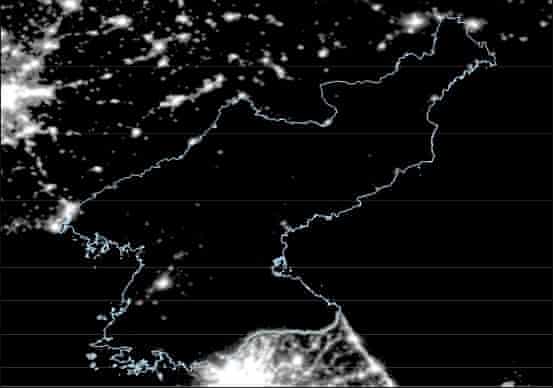
한반도의 위성사진으로 바라 본 북한의 밤은 어둡다. 반면 일본과 한국의 밤은 인공 불빛으로 붉게 빛난다. 미국의 많은 전문가들은 이러한 차이를 두고 북한은 후진적인 나라라고 주장하곤 한다. 이것은 북한의 편협하고 억압적이며 측은할 정도로 후진적인 체제의 결과물이라는 것이다. 그들은 또 남한의 빛나는 밤을 두고 진보, 첨단기술, 민주주의와 자유시장의 결과물이라고 설명한다. 남한은 민주주의 및 진보의 빛을 받는 곳이고, 북한은 독재 및 무지의 어둠이 덮인 곳이라는 식의 이러한 설명은 한반도 위성 사진을 바라보는 세계인들의 머릿속에 부드럽게 흡수되고 미적 완벽성마저 갖춘 사진처럼 기록되고 있다.

한반도의 위성 사진을 대하는 이러한 태도는 남한의 정치인과 학자, 언론 매체들 사이에서도 진보와 보수를 망라하고 큰 차이가 없음을 느낀다. 남한의 진보적 정치인들은 북한과의 협력을 통해 개성 공단과 같은 프로젝트에 더욱 많은 투자를 해서 북한 주민들에게 고용의 기회를 제공해야 한다고 주장한다. 남한은 북한이 제공하는 값싼 노동력과 풍부한 천연 자원 등으로 이익을 얻어야 한다고 주장한다. 남한의 보수주의자들은 북한이 독재 국가이고 한국을 무력으로 위협하고 있으며 신뢰할 수 없다고 주장한다. 그들은 북한이 먼저 국제 사회에 완전히 문호를 개방해서 모든 핵 시설에 대한 완전한 사찰을 허용해야 한다고 말한다.

남한의 진보주의자들과 보수주의자들의 가정은 근본적으로 다르지 않다. 양쪽 모두 남한이 더욱 발전했으며 북한도 늘어나는 국민총생산(GDP)의 혜택을 남한처럼 누리면서 자동차를 몰고 텔레비전과 스마트폰을 갖고, 넓은 집에 살면서 전 세계에서 히트한 케이팝을 제작해야 한다고 가정하고 있다.

지금과 같은 폐쇄적이고 억압적인 정부를 가진 북한이 다른 나라의 모델이라고 주장하는 것은 터무니없지만 동시에 북한이 남한처럼 변해야 한다는 주장에는 나는 동의를 표현하는 데 있어 주저하지 않을 수 없다. 12년 동안 남한에 살았던 사람으로서 나는 남한의 심각한 문제들을 목격했기 때문이다.

높은 자살률, 오염된 공기, 학교에서의 무자비한 경쟁, 젊은이들이 느끼는 깊은 소외감, 수입 식품 및 수입 연료에 대한 과도한 의존이나 엄청난 수의 빈곤 노인층과 같은 문제들은 남한 사회 전역에 깊은 그늘을 드리우고 있다. 이것은 한반도 인공위성 사진이 미처 잡아내지 못하는 남한의 모습들이다.

남한과 북한에 관해 서술할 때 남북한을 인공위성처럼 높은 곳이 아니라 밑바닥에서부터 철저히 살펴볼 필요가 있다. 나는 북한을 방문할 기회가 있었던 많은 남한 사람들로부터 평양의 시민들의 모습을 바라보았을 때의 느낌을 전해들었다. 평양의 작은 채소 시장과 호텔의 소박한 장식을 마주할 때 남한 사람들은 그것으로부터 어딘가 꾸밈 없고 가식이 없음을 느꼈고 남한에서는 이미 사라진 어떤 중요한 것들이 그곳에는 남아 있음을 느꼈다고 한다. 북한의 여성들이 남한처럼 사치를 누리지는 못하더라도 화장을 하거나 소비 경쟁을 해야한다는 압력을 받는 것 같지는 않다고 지적했다. 평양에는 명품 브랜드 의류에 대한 수요가 없다. 휴대전화에 중독된 청소년들, 불필요한 물건인데도 과시적 삶을 위해 일단 사게 만드는 여러 광고들이 평양에는 없다. 대신 북한에는 1960년대와 70년대까지 존재했던 남한 사회의 문화들, 이를테면 사람간의 관계의 돈독함이라든지 따위가 남아있는 것으로 보인다.

북한 관련 논의할 때 남한의 언론과 전문가들이 놓치는 중요한 문제가 또 있다. 언론에서 소위 ‘전문가’들을 통해 다루고 있는 북한 관련 모든 논의들은 경제 성장, 국내총생산(GDP), 생활수준, 생산 및 소비와 관련된 문제들에 기반을 두고 있다. 이러한 기준에 따르면 북한은 선진국들 특히 한국에 견줘 크게 낙후되어 있다. 다시 말해 남한이 북한에 ‘현대적인 선진국’이 될 수 있는 방법을 가르칠 큰 형이 될 수 있음을 의미한다. 그러나 그러한 모든 용어들은 본질적으로 이데올로기적이고 주관적이다. 남한에서 만들어진 그러한 가정들은 자원 낭비가 긍정적이며 적극 장려되어야 한다고 간주하고 있다. 또한 더욱 크고 지나칠 정도로 난방이 잘된 집에서 살면서 자동차와 스마트폰을 소유하는 것이 발전이라고 가정하고 있다.

그러나 이러한 가정의 근간을 이루는 과학적 증거는 전혀 없다. 그것들은 달에게 기도하면 비가 오거나 거머리를 이용해 피를 빨아들이면 질병이 치료된다는 것만큼 허황된 이야기이다.

실제로 연구 결과에 따르면 소비에 초점을 맞춘 이러한 행동 패턴들은 깊은 소외감과 자살률 및 약물 남용의 증가를 포함해 사회 전반에 걸쳐 심각하고 파괴적인 영향을 미칠 수 있는 것으로 드러났다. 다시 말해 북한이 나아가야 할 방향과 한국이 성공을 거둔 것에 대한 가설들은 이데올로기나 근거 없는 가정, 근대성의 신화에 근거하고 있다. 그에 따른 결과로 남한 사람들은 가정을 휩쓸고 있는 좌절감과 심각한 스트레스에도 불구하고 그들이 성공했다고 확신하고 있다.

한반도의 밤을 찍은 위성 사진은 실제로는 한반도의 빛과 그림자가 완전히 뒤집힌 아주 다른 실제를 설명하고 있다. 이데올로기에 지배당한 감정을 버리고 객관적이고 과학적인 분석을 중시하는 전문가들 사이에서는 인류가 지구 온난화(기후변화)를 겪으며 전례 없는 위기에 직면해 있다고 경고한다. 현재의 지구 온난화 속도를 감안할 때 지구 생명체의 멸종을 피할 수나 있다면 그나마 다행이라는 의견이 지배적이다.

기후변화가 가져올 재앙적 변화와 그 결과로 인해 이미 일부에서는 멸종이 시작되었음을 다루고 있는 수많은 보고서와 책들이 나와 있고 이는 한반도 역시 마찬가지이다. 현재 우리는 서울에서 모기가 12월까지 생존할 수 있으며 1월에 꽃이 피는 일을 이미 목격하고 있다. 이런 현상은 빠르게 진행되어 곧 한민족의 삶을 위협하게 될 수 있다.

기후변화가 이런 속도로 진행되는 것을 방치할 경우 물고기가 멸종될 정도로 한반도 앞바다가 따뜻해지고 산성화될 것이며 사막화가 확산할 것이다. 수입 식품과 화석 연료 제품의 수출에 과도하게 의존하고 있는 남한은 절망적 상황에 빠지게 될 것이다.

자 그렇다면, 통일 한국은 어떤 선택을 해야 할까? 해답은 분명하다. 에너지 소비와 절약 측면에서 북한에 자리잡은 방식을 살펴볼 필요가 있다.

인류는 수만년동안 밤에는 어두워야 하고 에너지 소비를 줄이는 삶의 방식을 유지해왔다. 그런 방식 하에서 아파트 건물의 모든 불필요한 조명은 제거해야 하고 네온사인과 같은 상업용 건물의 전기 표지판을 사용하지 않으며 내부 난방을 크게 줄이는 한편 높은 천장과 콘크리트, 유리 및 강철 외관과 같은 건물의 낭비적인 디자인을 중단해야 한다. 이를 통해 오랫동안 한국 역사에서 유지되어 왔던 검소함과 단순함의 전통으로 돌아가야 한다.

남한은 밤에 더 어두워져야 한다. 남한의 도시를 밝히는 데에는 정부 보조금이 지급되는 화석 연료 사용이 큰 역할을 한다. 이는 끔찍한 대기오염과 과도한 연료수입 비용을 발생시키는 한편 우리 아이들의 미래를 파괴할 지구 온난화를 증가시키는 등 엄청난 비용이 들어간다는 사실을 인식해야 한다.

그러나 보다 심오하고 숨겨진 비밀이 있다. 그동안 우리는 한국이 다수의 ‘개발도상국들’과 달리 근대화와 발전을 이룩해 특별하다고 인정 받기 위해서는 더 많은 소비를 통해 계속 성장하고 발전해야 한다는 신화를 주입 받아 왔다. 따라서 수대에 걸쳐서 근대화가 최우선 순위로 간주되어 왔다. 그러나 화석 연료를 소비하고 천연 자원을 낭비하는 것이 우리의 생태계를 파괴하고 아이들을 괴롭히고 있다면 그 근대화라는 것은 과연 무엇인가?

북한에는 매우 심각한 많은 문제들이 존재하지만 기후변화에 대처하는 해법에서만 볼 때 한국은 북한의 ‘낮은 소비’를 벤치마킹할 필요가 있다. 내가 하는 이야기가 이상하고 심지어 터무니없다고 많은 사람들이 생각할 수도 있다.

그러나 기후변화로 멸종 위기에 직면하게 된다면 그러한 경제 성장의 수치가 무슨 소용이 있겠는가. 남한에서 밤새도록 불을 밝히는 그 수많은 불빛은 발전을 상징하는 것이 아니라 우리 아이들이 미래에 사용해야 할 불빛을 빼앗아온 범죄이자, 그림자 가득한 위선적인 불빛이나 다름 없다. 남한정부는 화석 연료에 대한 보조금 지급을 즉시 중단해야 한다.

생각해보자. 지금보다 좀 어두운 밤을 보내면서 가족이나 친구들과 대화를 나누고 책을 읽거나 편지와 수필을 쓰고 숲속을 걷거나 하면서 지낼 수는 없는가. 일상 생활에서 연극과 음악공연을 하면서 무한한 의미와 깊이, 영적인 경험을 얻을 수도 있다. 스마트폰의 정글과 스타벅스라는 우리에서 사용해야 하는 플라스틱 컵을 버릴 수 있다면 한민족은 훨씬 더 풍요로운 생활 방식을 발견해갈 수 있을 것이다. 그러한 생활 방식에 대한 힌트는 어쩌면 역설적이게도 어두운 밤풍경을 갖고 사는 지금의 북한 사회에서 얻을 수 있다.

우리는 통일 한반도의 미래에 대해 생각할 때 근대적이고 발전된 것만이 최고라는 위험한 개념을 벗어나야 한다. 우리는 인간이 된다는 것이 무엇을 의미하는지 자문해보아야 한다. 우리는 어떤 식으로 의미 있고 충만한 삶을 살면서 사회에 기여할 것인가?

나는 북한 주민들이 현재보다 더 자유롭게 생활하고 더 영양가 있는 음식을 먹을 수 있기를 바란다. 그러나 한 때 시민들이 경제적 독립성을 누리게 해준 가계 경영의 가게들을 파괴해가면서 장악해온 한국식 편의점에서는 소비주의에 찌든 음식만 공급될 것이다. 미래 우리 아이들이 누려야 할 풍요로움에서 빼앗아온 물질들을 소비하며 사는 것을 과연 통일 한국의 이상적인 밥상 풍경이라고 보아야 하는가.

또한 나는 한국인들이 무분별한 소비를 하도록 속박하고 (세계 대부분의 국가들과는 반대로) 석탄 소비를 늘리도록 강요해온 보이지 않는 사슬에서 해방됨으로써 끝없는 경쟁을 강요하는 잔인한 문화로 인해 친구 및 가족으로부터 깊은 소외감을 느꼈던 현상이 사라지기를 바라고 있다.

자유는 정치 체제에만 국한된 용어여서는 안된다. 스마트폰을 가질 자유를 가진 대신 스마트폰 없이 살수 없는 물질의 노예처럼 전락한게 남한 사람들이다. 남한 주민들이 과연 북한 주민들에 견줘 더 자유롭다고 누가 단정할 수 있는가.

통일을 향한 움직임은 남북한 주민들 모두의 자유에 관련된 것이어야 한다. 북한 주민들만 질적인 삶의 자유를 누릴 자격이 있다고 가정한다면 이는 얼마나 불공평한 것인가.

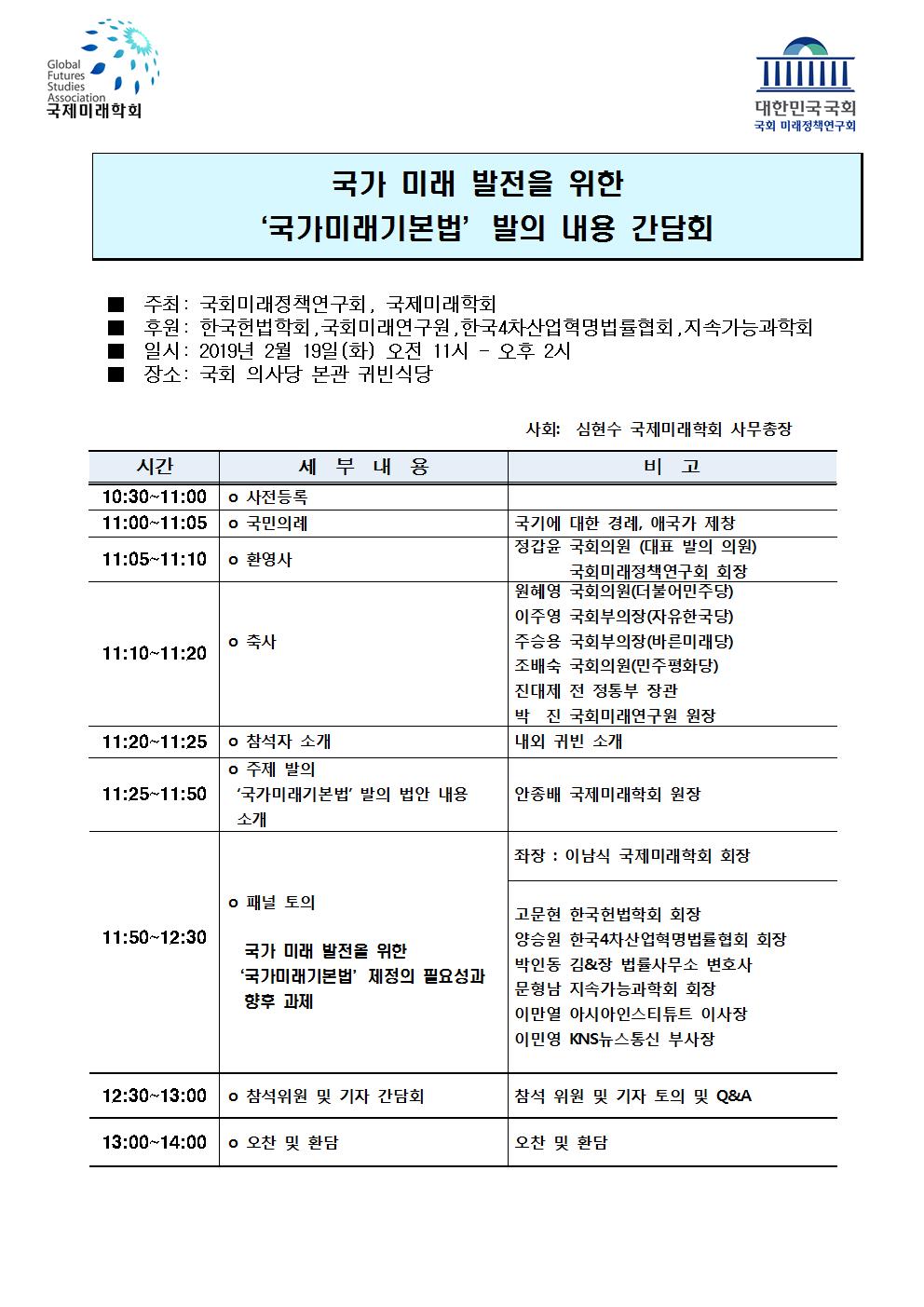
국회간담회 “국가 미래 반절을 위한 “국가미래기본법” 발의 내용”

2019년 2월 19일

국회

국회 간담회

 “국가 미래 반절을 위한 “국가미래기본법” 발의 내용”

후원:

국제미래학회

국회 미래정책연구회

11:00-13:00

11:50-12:30

패널 토의 “국가 미래 발전을 위한 ‘국가미래기본법’ 제정의 필요성과 향후 과제”

좌장: 이남식 (국제미래학회 회장)

고문현 ( 한국헌법학회 회장)

양승우너 (한국4차산업혁명법률협회 회장)

박인동 (김&장 법부률사무소 변호사) 

문형남 (지속가능과학회 회장 )

이만열 (이사이인스티튜트 이사장 )

이민영 (KNS뉴스통신 부사장)

WSWS on the wall and “emergency powers”

Regarding the “emergency powers” issue, the WSWS presents a very solid analysis, in my opinion.

The content is not revolutionary so much as it is constitutionalist. The points are quite solid and they are ignored by much of the progressive media which is just as much swept up in the circus as anyone.

See the posting:

 “Trump to declare national emergency to build wall”

https://www.wsws.org/en/articles/2019/02/15/bord-f15.html

Especially note:


“House Speaker Nancy Pelosi, the top congressional Democrat, criticized Trump’s expected declaration, saying, “The president is doing an end run around Congress.” She said that Democrats were “reviewing our options,” which could include a congressional resolution of disapproval or a legal challenge.
At the same time, she was visibly ambivalent about the right of a president to assert emergency powers, suggesting that a Democratic president could make use of the same power on an issue like gun control. Noting the first anniversary of the massacre at Marjory Stoneman Douglas High School in Parkland, Florida, she continued, “That’s a national emergency. Why don’t you declare that emergency, Mr. President? I wish you would.”

WSWS points out, that just as the Democrats were not interested in who really won the election in Florida back in 2000, or what happened to the ballots cast by poor people. So also, the Democrats are not concerned about the destruction of the constitution. If anything, they are wondering whether a bit of constitutional remodeling might bring them also more power.

But I want to say something about WSWS.

This avowed revolutionary outfit describes itself in this manner


“The World Socialist Web Site is published by the International Committee of the Fourth International, the leadership of the world socialist movement, the Fourth International founded by Leon Trotsky in 1938.

The WSWS aims to meet the need, felt widely today, for an intelligent appraisal of the problems of contemporary society. It addresses itself to the masses of people who are dissatisfied with the present state of social life, as well as its cynical and reactionary treatment by the establishment media.

Our web site provides a source of political perspective to those troubled by the monstrous level of social inequality, which has produced an ever-widening chasm between the wealthy few and the mass of the world’s people. As great events, from financial crises to eruptions of militarism and war, break up the present state of class relations, the WSWS will provide a political orientation for the growing ranks of working people thrown into struggle.

We anticipate enormous battles in every country against unemployment, low wages, austerity policies and violations of democratic rights. The World Socialist Web Site insists, however, that the success of these struggles is inseparable from the growth in the influence of a socialist political movement guided by a Marxist world outlook.”


But having read many excellent articles at WSWS over the last ten years, I have to say that the writing really sounds like the work of CIA analysts. I am not saying it is a front, pushing propaganda. On most issues, they are as aggressive as anyone, but rather that we are looking at a source for insiders to spill their guts and use their skills for something more intellectual.

The actual text of the “Green New Deal” Is it an unconstitutional consolidation of power using the pretext of climate change which is not even focused on climate change?

DRAFT TEXT FOR PROPOSED ADDENDUM TO HOUSE RULES FOR 116TH CONGRESS OF THE UNITED STATES

Here is Naomi Wolf’s commentary about the formation of a committee of 15 people who are unaccountable and are not even required to focus on climate change

(a) Establishment of the Select Committee For A Green New Deal.—

(1) ESTABLISHMENT; COMPOSITION.—

(A) ESTABLISHMENT.—There is hereby established a Select Committee For A Green New Deal (hereinafter in this section referred to as the “select committee”).

(B) COMPOSITION.—The select committee shall be composed of 15 members appointed by the Speaker, of whom 6 may be appointed on the recommendation of the Minority Leader. The Speaker shall designate one member of the select committee as its chair. A vacancy in the membership of the select committee shall be filled in the same manner as the original appointment.

(2) JURISDICTION; FUNCTIONS.—

(A) LEGISLATIVE JURISDICTION.—

(i) The select committee shall have authority to develop a detailed national, industrial, economic mobilization plan (hereinafter in this section referred to as the “Plan for a Green New Deal” or the “Plan”) for the transition of the United States economy to become greenhouse gas emissions neutral and to significantly draw down greenhouse gases from the atmosphere and oceans and to promote economic and environmental justice and equality. In furtherance of the foregoing, the Plan shall: (a) be prepared in consultation with experts and leaders from business, labor, state and local governments, tribal nations, academia and broadly representative civil society groups and communities; (b) be driven by the federal government, in collaboration, co-creation and partnership with business, labor, state and local governments, tribal nations, research institutions and civil society groups and communities; (c) be executed in no longer than 10 years from the start of execution of such Plan; (d) provide opportunities for high income work, entrepreneurship and cooperative and public ownership; and (e) additionally, be responsive to, and in accordance with, the goals and guidelines relating to social, economic, racial, regional and gender-based justice and equality set forth in paragraph (6).

(ii) In addition to preparing the Plan as set forth in paragraph (2)(A)(i), the select committee shall prepare draft legislation for the enactment of the Plan (hereinafter in this section referred to as the “draft legislation”), in accordance with this section. Such draft legislation may be prepared concurrently with the development of the Plan, or as the select committee may otherwise deem appropriate, provided that such finalized draft legislation shall be completed in accordance with the timing set forth in paragraph (5)(B)(ii).

 (iii) The select committee shall not have legislative jurisdiction and shall have no authority to take legislative action on any bill or resolution, provided that the foregoing shall not affect the select committee’s ability to prepare draft legislation in accordance with paragraph (2)(A)(i) and (2)(A)(ii).

(B) INVESTIGATIVE JURISDICTION.—In  furtherance of the mandate set forth in paragraph (2)(A), the select committee shall have the authority to investigate, study, make findings, convene experts and leaders from industry, academia, local communities, labor, finance, technology and any other industry or group that the select committee deems to be a relevant resource. The select committee may, at its discretion and as its members may deem appropriate, hold public hearings in connection with any aspect of its investigative functions.

(3) PROCEDURE.—

(A) Except as specified in paragraph (2), the select committee shall have the authorities and responsibilities of, and shall be subject to the same limitations and restrictions as, a standing committee of the House, and shall be deemed a committee of the House for all purposes of law or rule.

(B)(i) Rules [to be confirmed by reference to overall House Rules package] (Organization of Committees) and [to be confirmed by reference to overall House Rules package] (Procedures of Committees and Unfinished Business) shall apply to the select committee where not inconsistent with this resolution.

(ii) Service on the select committee shall not count against the limitations on committee or subcommittee service in Rule [to be confirmed by reference to overall House Rules package] (Organization of Committees).

(4) FUNDING.—To enable the select committee to carry out the purposes of this section—

(A) The select committee may use the services of staff of the House and may, at its discretion and as its members may deem appropriate, use the services of external consultants or experts in furtherance of its mandate;

(B) The select committee shall be eligible for interim funding pursuant to clause [to be confirmed by reference to overall House Rules package] of Rule [to be confirmed by reference to overall House Rules package] (Interim Funding – Organization of Committees); and

(C) Without limiting the foregoing, the select committee may, at any time and from time to time during the course of its mandate, apply to the House for an additional, dedicated budget to carry out its mandate.

(5) INTERIM REPORTING; SUBMISSION OF THE PLAN FOR A GREEN NEW DEAL; SUBMISSION OF DRAFT LEGISLATION—

(A) The select committee may report to the House  or any House Committee it deems appropriate from time to time the results of its investigations and studies, together with such detailed findings and interim recommendations or proposed Plan or draft legislation (or portion thereof) as it may deem advisable.

(B) (i) The select committee shall complete the Plan for a Green New Deal by a date no later than January 1, 2020.

(ii) The select committee shall complete the finalized draft legislation by a date no later than the date that is 90 calendar days after the select committee has completed the Plan in accordance with paragraph (5)(B)(i) and, in any event, no later than March 1, 2020.

(iii) The select committee shall ensure and procure that the Plan and the draft legislation prepared in accordance with this section shall, upon completion in accordance with paragraphs (5)(B)(i) and (ii), be made available to the general public in widely accessible formats (including, without limitation, via at least one dedicated website and a print publication) by a date no later than 30 calendar days following the respective dates for completion set forth in paragraphs (5)(B)(i) and (ii).

(6) SCOPE OF THE PLAN FOR A GREEN NEW DEAL AND THE DRAFT LEGISLATION.—

(A) The Plan for a Green New Deal (and the draft legislation) shall be developed with the objective of reaching the following outcomes within the target window of 10 years from the start of execution of the Plan:

(B) The Plan for a Green New Deal (and the draft legislation) shall recognize that a national, industrial, economic mobilization of this scope and scale is a historic opportunity to virtually eliminate poverty in the United States and to make prosperity, wealth and economic security available to everyone participating in the transformation. In furtherance of the foregoing, the Plan (and the draft legislation) shall:

    1. including by ensuring that local implementation of the transition is led from the community level and by prioritizing solutions that end the harms faced by front-line communities from climate change and environmental pollution;

(C) The Plan for a Green New Deal (and the draft legislation) shall recognize that innovative public and other financing structures are a crucial component in achieving and furthering the goals and guidelines relating to social, economic, racial, regional and gender-based justice and equality and cooperative and public ownership set forth in paragraphs (2)(A)(i) and (6)(B). The Plan (and the draft legislation) shall, accordingly, ensure that the majority of financing of the Plan shall be accomplished by the federal government, using a combination of the Federal Reserve, a new public bank or system of regional and specialized public banks, public venture funds and such other vehicles or structures that the select committee deems appropriate, in order to ensure that interest and other investment returns generated from public investments  made in connection with the Plan will be returned to the treasury, reduce taxpayer burden and allow for more investment.


FREQUENTLY ASKED QUESTIONS

Why do we need a sweeping Green New Deal investment program? Why can’t we just rely on regulations and taxes alone, such as a carbon tax or an eventual ban on fossil fuels?  


Why should the government have a big role in driving and making any required investments? Why not just incentivize the private sector to invest through, for e.g., tax subsidies and such?

How will the government pay for these investments?

Why do we need a select committee? We already have committees with jurisdiction over the subject matter e.g. Energy and Commerce, Natural Resources and Science, Space and Technology.  Just creating another committee seems unnecessary.

Why should we not be satisfied with the same approach the  previous select committee used (i.e. the Select Committee on Energy Independence and Global Warming)? Why do we need a new approach?

Why does this new select committee need to prepare draft legislation?  Isn’t investigation, hearings, briefings and reporting enough?

What’s an example of a select committee with abilities to prepare legislation? Does the new Select Committee For A Green New Deal seem to fit on that list?

Doesn’t this select committee take away jurisdictional power from the other (standing i.e. permanent) committees that have jurisdiction over at least part of the issue?

But a select committee only exists for the congressional session that created it! So even if this select committee prepares legislation, it likely won’t get passed in this session by a Republican-held Senate and White House, so why does having a select committee now even matter?


What’s wrong with the other proposed legislation on climate change? Can’t we just pass one of the other climate bills that have been introduced in the past? Why prepare a whole new one?
 パストリッチ インタビュー 「島国に戻らないで」 東京新聞

2019年 2月 13日

「島国に戻らないで」

五味洋治

http://www.tokyo-np.co.jp/article/column/ronsetu/CK2019021302000171.html

 米国生まれのエマニュエル・パストリッチさんは、韓国在住十一年。大学で教える一方、「韓国人だけが知らない別の大韓民国」という分析本を出版し、韓国でベストセラーになったこともある。

 中国文学を学んだ後、東京大学で上田秋成をはじめとする江戸文学の研究に没頭した。「韓国語より日本語の方が、楽に読み書きできます」と話すほど日本語がうまい。

 久しぶりにソウルで会ったパストリッチさんは、今度は、日本についての本を書いていると明かした。「大きく変化している東アジア情勢の中で、日本はもっと果たすべき役割がある」という切実な思いからだ。

 例として挙げたのが「気候変動への対応」。日本はこの分野での技術力が高い。また「自然と共生する日本人の知恵を、アジアの国々に伝えることも大切」と強調した。

 最近の日韓摩擦には、心を痛めている。

 自国中心主義が目立つ米国は今後、東アジアでの存在感が薄れていくと、パストリッチさんは予測する。

 だからこそ、「共通点の多い日韓は協力すべきだ。韓国にも問題はあるが、日本の人たちはどんどん内向きになって、『島国』に戻ろうとしているような印象を受けます」。

 本は五月ごろ出版予定だという。二つの国をよく知るパストリッチさんの苦言に、耳を傾けたい。

洪陵文化沙龙 “韩中关系展望” 中文研讨会

洪陵文化沙龙 18届中文研讨会邀请函                                                                                             

“韩中关系展望”

洪陵文化沙龙中文研讨会热诚邀您参加第十八届中文研讨会。由庆熙大学孔子学院、亚洲研究所、庆熙网络大学中国学系联合主办的洪陵文化沙龙中文研讨会每年举办4次,此届是2019年的第一届。本届研讨主题是“韩中关系展望”。大家可以发表对中国与美国的看法与想法,展望中美关系走向,进行主题发言及讨论。洪陵文化沙龙期待与君聚首思学,并共饮共餐!

主题:     韩中关系展望

时间:     2019228(周四) 1100 am 1030开始签到)

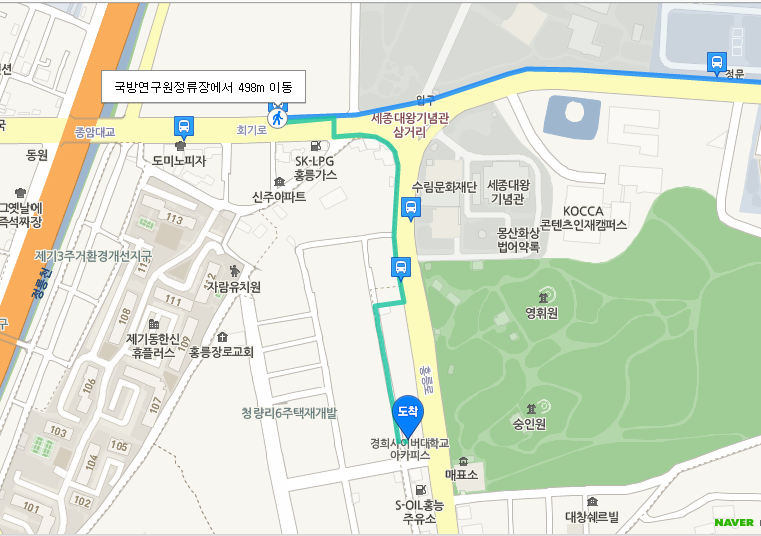
地点:     庆熙网络大学洪陵文化分馆(경희사이버대학교아카피스) 1楼会议室

서울특별시 동대문구 홍릉로 91/서울특별시 동대문구 청량리동 205-694.(地图与公共交通情况详见邀请函第2页)

具体流程:

主    持:李万烈(贝一明)(Director, The Asia Institute)

会议流程:

10:30 – 11:00  入场

11:00 – 12:30  研讨

12:30 – – –  共进午餐

联    络: 万延娇 (Professor, Kyung Hee Cyber University)                                           

Tel: 010-8013-9988 

What is this “Green New Deal” of the Democratic Party?

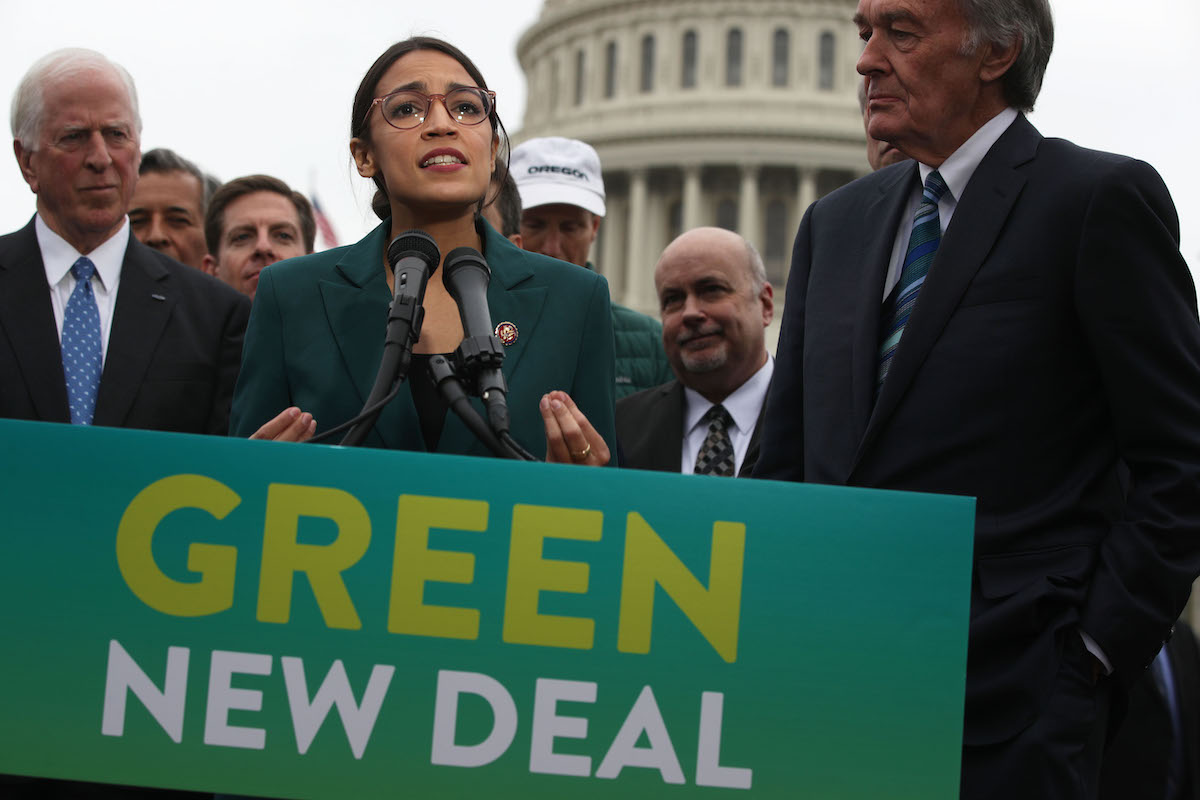
Perhaps the most telling statement of Alexandria Ocasio-Cortez at her meeting with the media (February 7, 2019?) in front of the Capitol was this one:

“Climate change and our environmental challenges are one of the biggest existential threats to our way of life.”

Ocasio-Cortez’s comment represents the manner in which the Democratic Party can take a real issue and turn it into sawdust with its magic touch. To start with, adding “and our environmental challenges” to “climate change” significantly weakens the focus and suggests that there is but a spectrum from climate change, to lead in water to irregular garbage pickup by the sanitation department. So also the expression “one of the biggest existential threats” made the term “existential” seem like a colorful booster, such as those popular with PR firms, or lobbyists, to describe a topic you want to get tax dollars. It is the equivalent of “robust” or “critical” or “absolute must.”

Based on my own experience in DC, I am deeply suspicious that this bright and bold statement was in fact written by a lobbyist or PR firm.

That interpretation is further supported by her employment of the hopelessly banal expression “threats to our way of life” which makes it seem like there is nothing critical or existential at all about the problem, but rather that in the future we may have to pay more for gas, or for vegetables, or not be able to enjoy our weekends with the kids in the park.

Alexandria Ocasio-Cortez pushes for her borrowed “Green New Deal”

The Democrats have taken the concept and the content of “Green New Deal” from the Green Party without giving any credit to Jill Stein and her team. They talked about a broad coalition, but they did not invite any Greens, or other groups not related to the Democratic Party. I am a bit shocked at how many are willing to just accept this move and see it as a revolution in the Democratic Party. The Democratic Party is as closed as it ever was.

The light and shadows of the Korean Peninsula  (Emanuel Pastreich)

The light and shadows of the Korean Peninsula

Emanuel Pastreich

February 1, 2019

How many times have I seen an American expert pointing to a satellite photo of the Korean Peninsula at night and remarking that the striking difference between the darkness the envelops North Korea and the bright lights that illuminate South Korea, as well as Japan, symbolizes the insularity, the oppressiveness and the pathetically backward economic state of the North. The obvious point is that the brightly lit South is a model of progress, of technology, of democracy and of free markets. 

This contrast between the light of progress and democracy and the darkness of dictatorship and ignorance has a certain aesthetic perfection that easily feeds the imagination of viewers; the narrative is intellectually predigested and it goes down smooth.

In the political debate in South Korea, this narrative is not seriously questioned in the media, among scholars, or among politicians. The progressive politicians argue that we should engage with North Korea and invest more in such projects as the Kaesong industrial complex so that North Koreans can find opportunities for employment and South Koreans can make profits from the cheap labor and abundant natural resources that North Korea offers. The conservatives argue that North Korea is a dictatorship and that it threatens South Korea militarily and cannot be trusted. They say that North Korea must first open itself up completely to the international business, and allow complete inspections of all its nuclear facilities.

But the assumptions made by the progressives and conservatives in South Korea do not differ fundamentally. Both are assuming that South Korea is more advanced and that a future North Korea should look more like South Korea where citizens enjoy a far greater GDP, drive cars, live in spacious houses with televisions and smartphone and produce K Pop hits that sell around the world.

Of course, it would be ludicrous to make an argument that North Korea is a model for others. The closed environment and the repressiveness of the government is no myth.

But as someone who has lived in South Korea for twelve years, I have been forced to admit, despite my hesitancy, that there is something seriously wrong here too. Whether it is the high suicide rates, the polluted air, the ruthless competition in schools, the deep alienation felt by young people, the extraordinary dependence on imported food and imported fuel or the tremendous numbers of the elderly who live in poverty, there are deep, deep shadows that cross all of South Korea.

There are two important points that are often buried in the shadows in the official narrative about North and South Korea. We need to look at North and South Korea from the ground up, not from high up in space.    

I have heard from numerous South Koreans who had the opportunity to visit North Korea that they had a strong sense that something vital had been lost in South Korea when they walked through the small vegetable markets in North Korea, observed the modest décor in the clean-scrubbed hotels and encountered the unadorned and unpretentious behavior of the citizens of Pyongyang.  

Such South Korean friends noted that women in North Korea, although they may not have the luxuries of the South, are also not under the same pressure to wear makeup and to compete with each other in consumption. There is not the demand for brand clothing.

South Koreans detect decency in the manner in which people treat each other on the street in Pyongyang. Many are reminded of the Korea of the 1960s and 1970s when there were far closer relations in South Korea between family members, and between members of the community. For that matter, the absence of automobiles, of youth addicted to cell phones, of endless advertising that drives people to buy things that they do not need or want for the sake of profit—all these aspects of North Korea evoke an original Korean culture that has been lost.

But there is an even more important issue that has been completely buried in the media of South Korea, and in our discussions about North Korea.

All the discussion by “experts” by journalists, about North Korea is based on issues involving economic growth, GDP, standard of living, production and consumption. According to these standards, North Korea is helplessly far behind advanced nations, and South Korea in particular. That means that South Korea can be the big brother and teach the North Koreans how to be “advanced” and “modern.” But all those terms are subjective and ideological in nature. The assumption made in South Korea is that wasteful consumption of resources is a positive and that it should be actively encouraged. It is assumed that it is progress to live in bigger, overheated homes and to own automobiles and smartphones.

But there is no scientific evidence, whatsoever, that underlies these assumptions. They are as accurate as saying that praying to the moon will bring rain or using leeches to drain blood will cure the diseases.  

In fact, research shows that such behavior patterns focused on consumption can have profoundly destructive effects on society as a whole including deep alienation and increased levels of suicide and substance abuse. That is to say that the assumptions about what North Korea should become, and what South Korea has been successful at, are based on ideology, on unfounded assumptions and on a myth of modernity. The result is that South Koreans are convinced that they are successful even as profound stress and frustration sweep through families.

When we approach this image of the Korean Peninsula at night using a scientific approach, this image tells a profoundly different story; the lights and shadows are completely reversed.

The overwhelming opinion among experts based on objective scientific analysis, not based on ideology, or profit, or warm fuzzy feelings, is that humanity faces an unprecedented crisis in the form of global warming (climate change) and that at the current rate we will be lucky if we manage to avoid extinction as a species.

There are numerous reports and books on the catastrophic changes in our climate, and the resulting extinctions taking place already. We can already see in Seoul that mosquitos manage now to survive until December, and often flowers are found blooming into January. That is just the beginning of what will be rapid, life threating changes.

If we let things progress as this rate, the oceans will warm, and grow acidic until fish are extinct, deserts will spread until much of Earth is uninhabitable and South Korea, hopelessly dependent on imported food and on the export of fossil-fuel intensive products, will be devastated

So what should South Korea do if it wants to survive? The answer is quite clear. It should start looking more like North Korea in terms of energy consumption and frugality. It should stop wasting energy and be dark at night, the way it has been for tens of thousands of years. It should get rid of all the useless lights on apartment buildings, end those electrified signs on commercial buildings, reduce dramatically unnecessary internal heating and end the wasteful design of high ceilings and concrete, glass and steel exteriors found in its buildings. It should go back to the traditions of frugality and simplicity that characterize much of its history.

South Korea should be dark at night. Its citizens must be aware of the tremendous cost of keeping its cities illuminated, in terms of the expense of importing fuel, in terms of the terrible pollution generated by subsidized fossil-fuel power plants, in terms of increasing global warming that is destroying the future for our children.

But there is a deeper, hidden secret. We have been fed a myth that Korea must grow, must advance, must consume and consume more to be modern, to be advanced, to be recognized as being special, as opposed to the unwashed masses of “developing countries.” Becoming modern has been assumed to be the highest priority for generations. But what is modern if consuming fossil fuels and wasting natural resources is destroying our ecosystem and damning our children?

The numerous problems that exist in North Korea are quite serious, but from the perspective of climate change, South Korea should be benchmarking North Korea’s low-consumption, rather than planning to vastly increase consumption and build highways and expensive wasteful apartments.

Many people may find that my words sound odd, even nonsensical. It is so obvious to many that South Korea’s modernity and its high level of consumption is a badge of honor, a sign that it is a member of advanced nations. Consumption considered as a major factor in calculating the state of the economy? If people consume less (and that means consuming less energy) then the growth rate will go down.  

But if we are facing extinction because climate change, who cares what stupid things the newspapers tell us about consumption? We must stop subsidizing fossil fuels immediately. Those numerous lights that burn all night in South Korea do not represent cultural advancement, but rather a dark and dangerous game of living for the moment by sacrificing the futures of our children.

There are infinite meaning and depth, spiritual and personal experience, to be derived from talking with family and friends, from reading books, writing letters and essays, walking in the woods or putting on plays and musical performances for each other. It requires almost no and does far more for us than a jungle of smartphones, lit up Starbucks Cafes, or throw-away plastic toys and cups that we are given, whether we want them or not.

As we think about the future of a unified Korean Peninsula, we must first move beyond this dangerous concept that being modern and advanced is a priority. We should ask ourselves rather what does it mean to be human? How do we live a meaningful and fulfilling life and contribute to society?

I do hope that North Koreans can live in a freer way than they do today and that they can eat more nutritious food. Yet they will not find any nutritious food in the convenience stores that have taken over South Korea and destroyed the family-owned stores that once gave citizens economic independence.

But I also hope that South Koreans can be set free also from the invisible chains that bind them to mindless consumption, that force them to consume increasing amounts of coal (heading in the opposite direction of almost every country in the world) and that leave so many feeling deeply alienated from friends and from family because of a brutal culture of endless competition.

The move toward unification must be about freedom for North Koreans and South Koreans. How unfair it would be if we assumed that only North Koreans are entitled to be free.