Quiet Green Revolution In Seoul

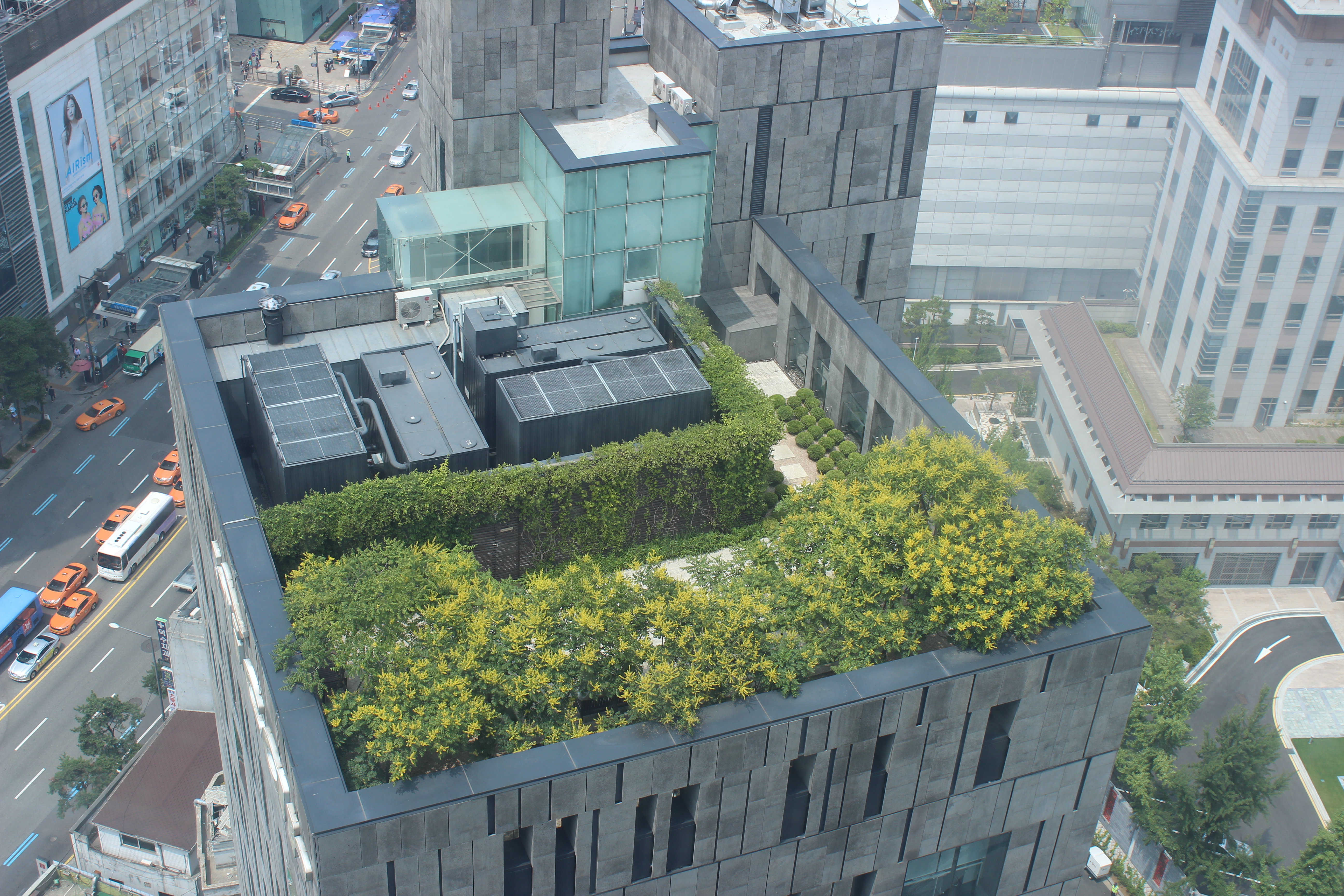
Perhaps some people have noticed the slow greening of Seoul over the last years. There are more plants everywhere and they are being taken care of more carefully than ever before. Whereas previously flowers were planted and left to die. These days we find that they are being watered and cared for.


Across the city roof gardens are being set up on major buildings. Owners are encouraged to do so, and most every city owned building already has a roof garden. Many of the culture centers and sports centers that dot the city have quite attractive gardens that are drawing a crowd of those in the know.

But that is not all.
 

IMG_0641

Read more

창조적인한반도통일 (아시아인스티튜트 와 Foreign Policy in Focus) 7월 4일금요일오후 4:00-6:00 @ 시민청

AI logo small 

FPIFD


창조적인한반도통일

“Unifying the Korean Peninsula as a Creative Act


(영어세미나동시통역제공)

공개


7월 4일금요일오후 4:00-6:00


서울시청

시민청

지하2워크샵룸


Town House Meeting

타운하우스미팅

사회: 임마누엘페스트라이쉬

아시아인스티튜트소장


한반도의통일은광범위한파급효과와함께  한반도에근본적으로큰의미가될지정학적변화를가져오게될것입니다.

Read more

“Help Wanted”

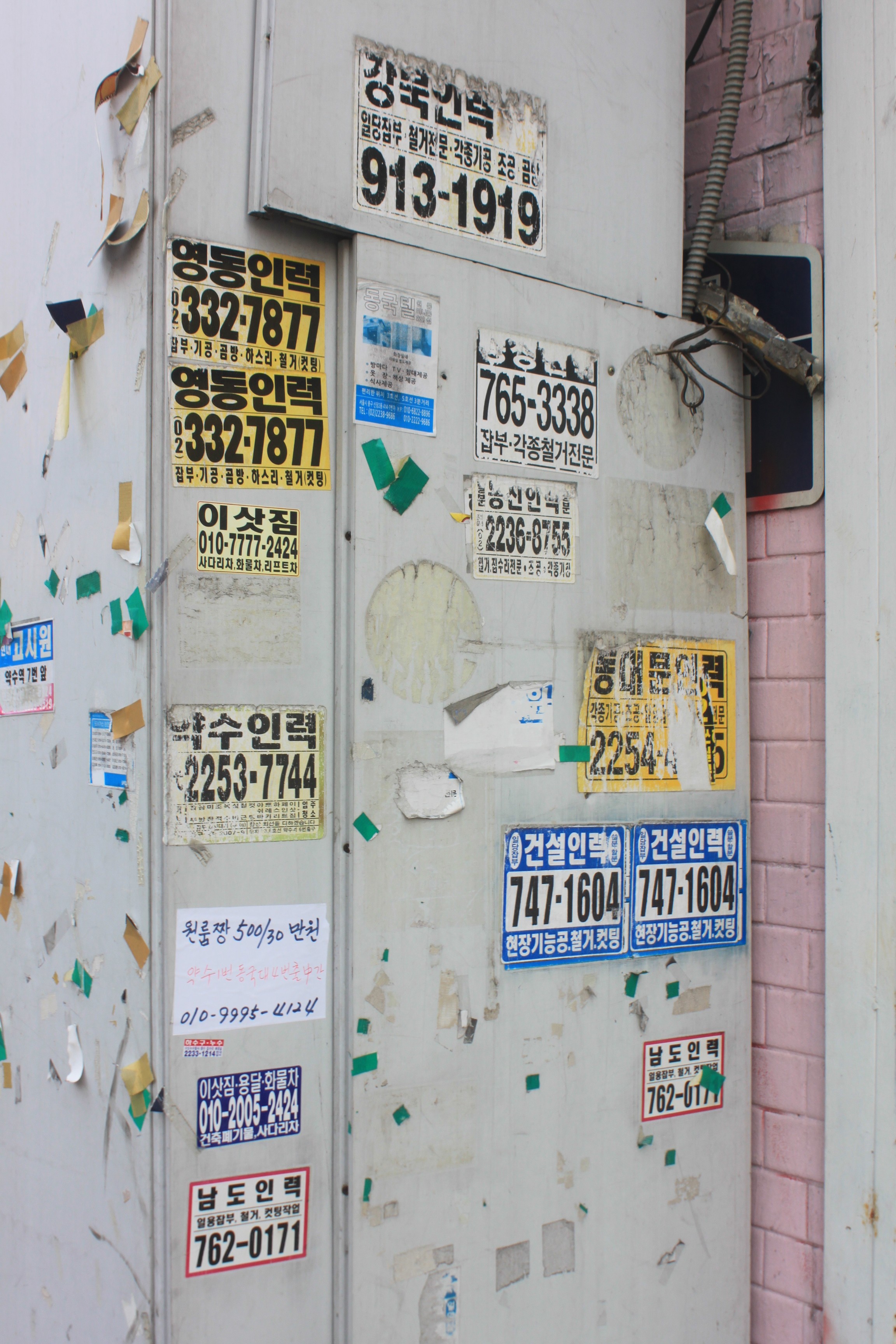
Here is a rather sad group of stickers adorning a wall that offer low-playing part time jobs to those in Seoul with no other options. They suggest to us a world that we know so very little about. We pass these signs every day, rarely stopping to read them.


IMG_0305

Chinese signs at the Shilla Hotel

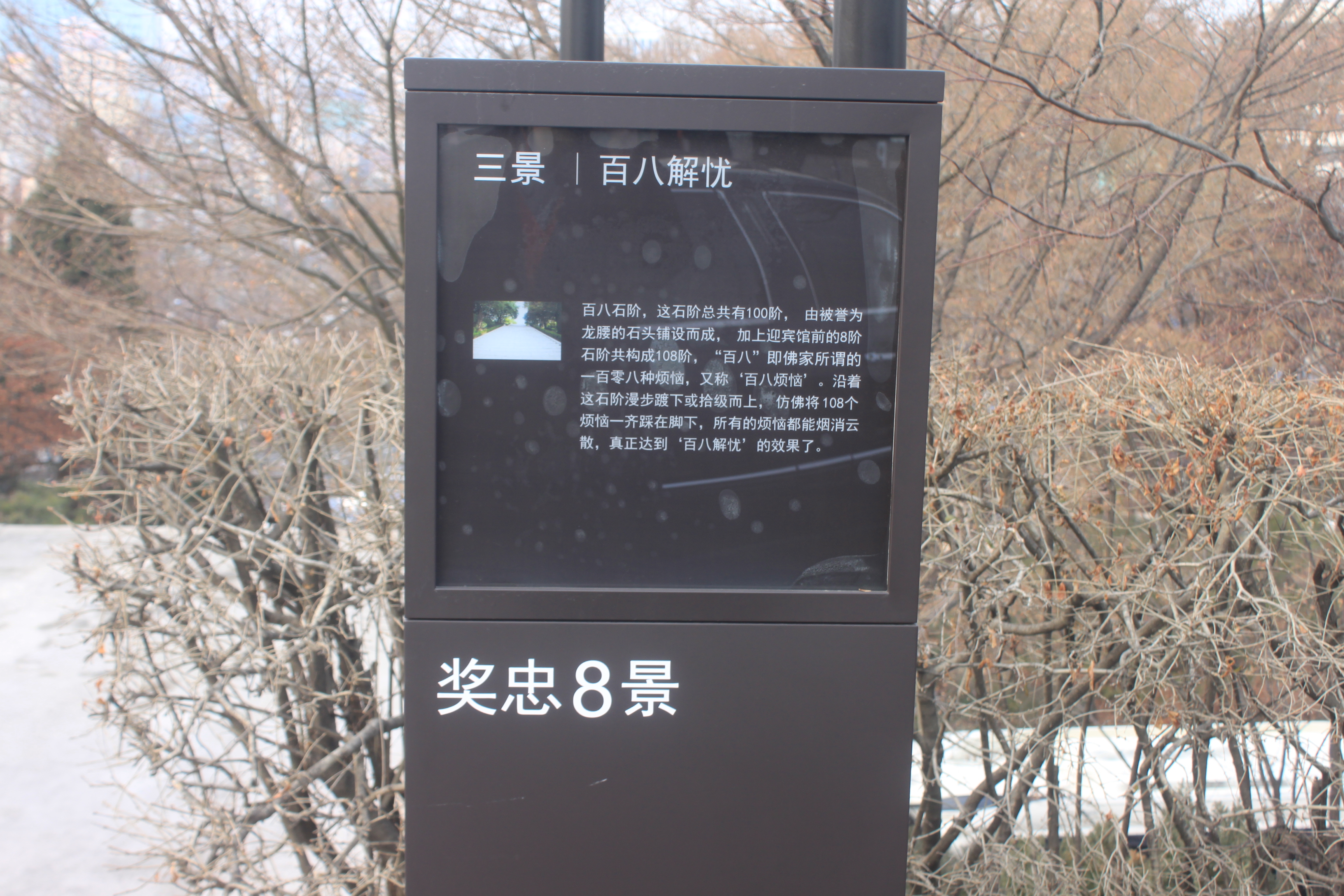
Perhaps one of the most remarkable changes in Seoul can be seen at the Shilla Hotel. A series of plaques have gone up around the gardens surrounding the Shilla hotel that explain its history in Chinese. The signs are remarkable not only for the details they give about the history of Seoul and of the Shilla Hotel, as well as facts about the visits of Chinese statesmen. The signs are unique in that they exist only in Chinese and there  are no English plaques accompanying them. That new practice stands in contrast to what we find at  the much older statue of the founder of Samsung Lee Byung-Chul to be found behind the Shilla Hotel which has  explanations from another age in English, Japanese and Korean.


This plaque identities on of the eight scenes of Changchung (which I had never heard of before), the “108 Steps of Buddhist liberation from troubles.”


Sign in Chinese at the Shilla Hotel.

I do not know when the plaques went up, but I do not think they are more than six months old. What I can say definitively is that Chinese have become by far the most dominant group of foreigners around the Shilla Hotel and that increasingly the tour guides at important places in Seoul are primarily speakers of Chinese. This rapid shift runs at odds with the general fascination of Koreans with the United States and the obsession with English in this country.

Musicals in Seoul

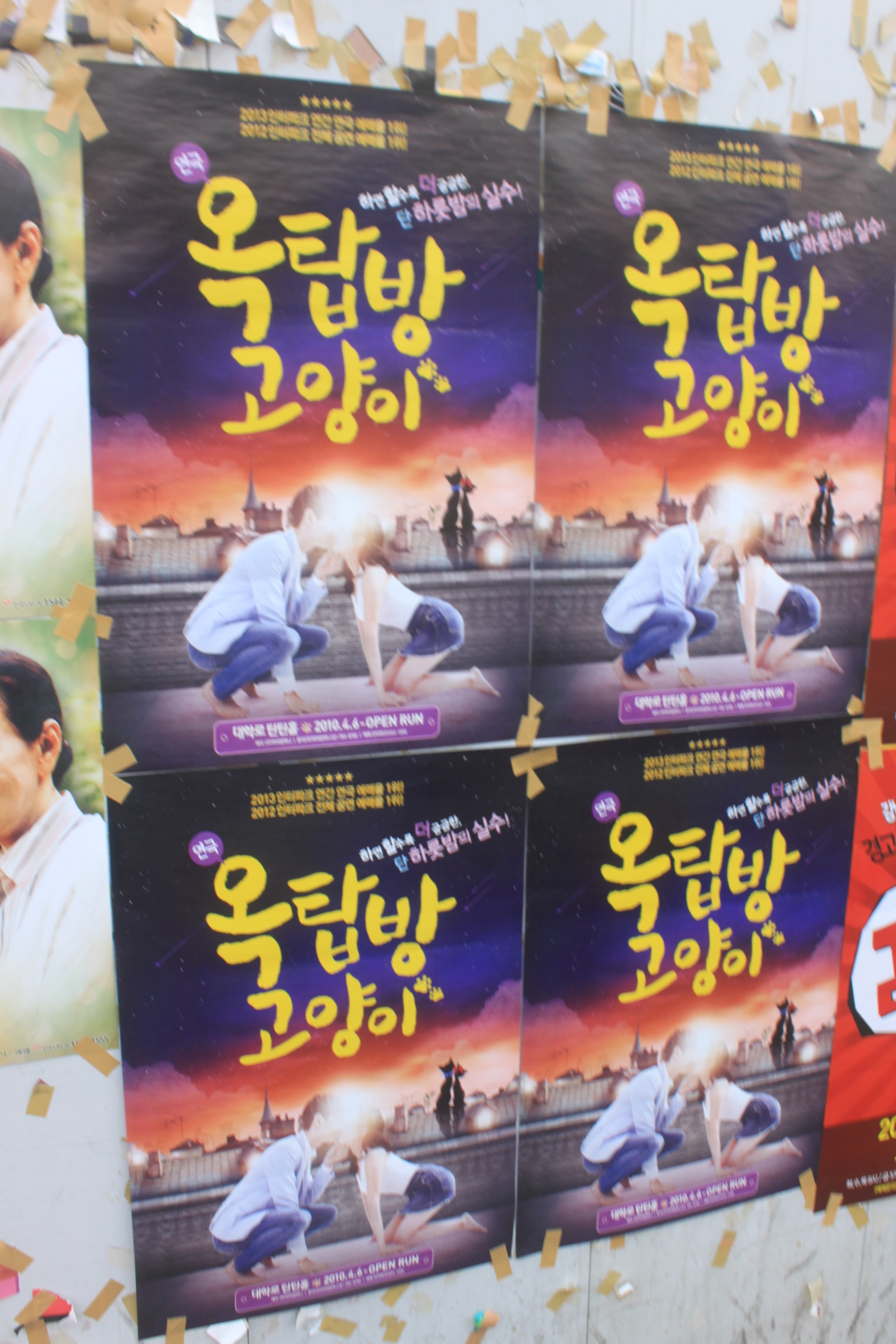
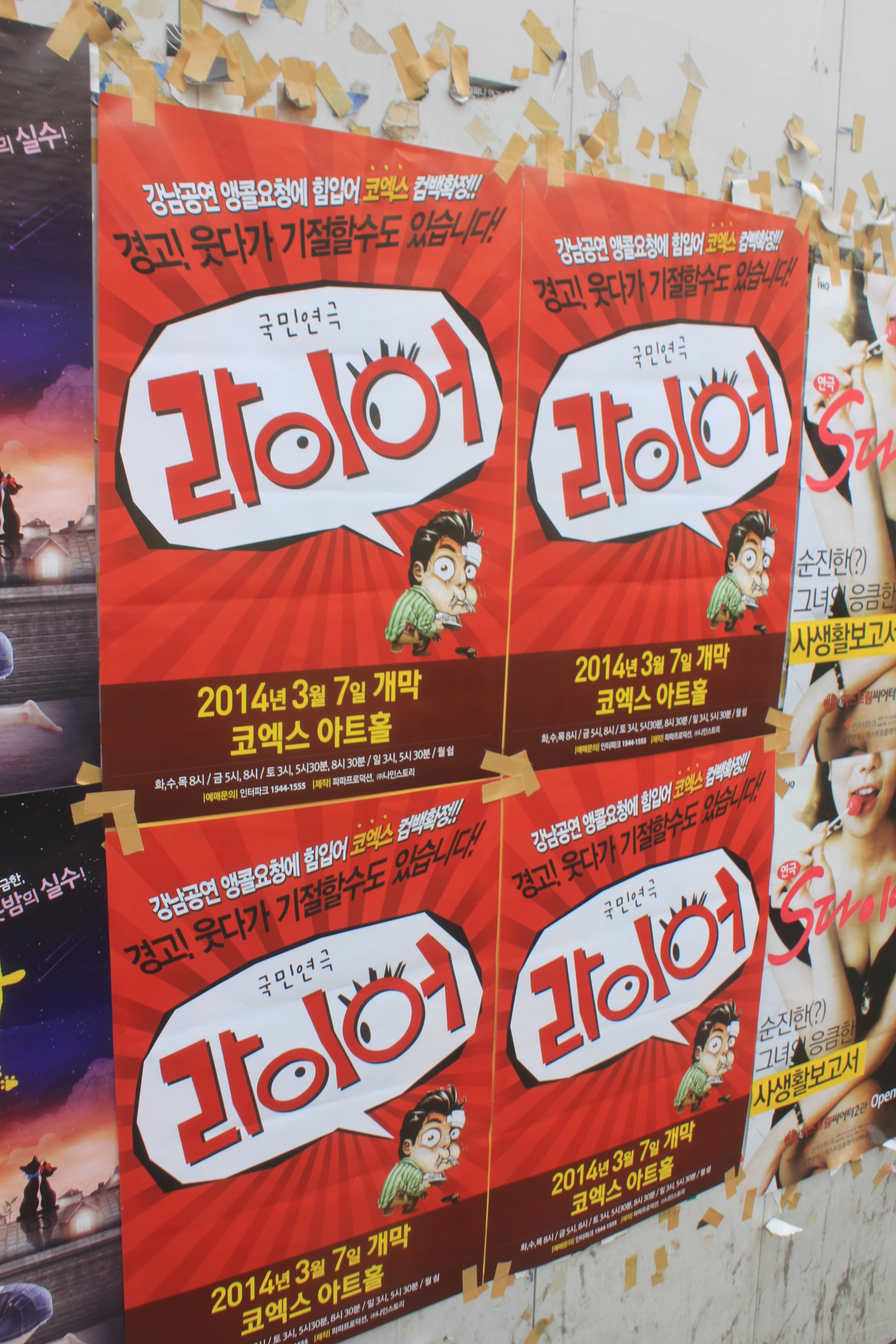
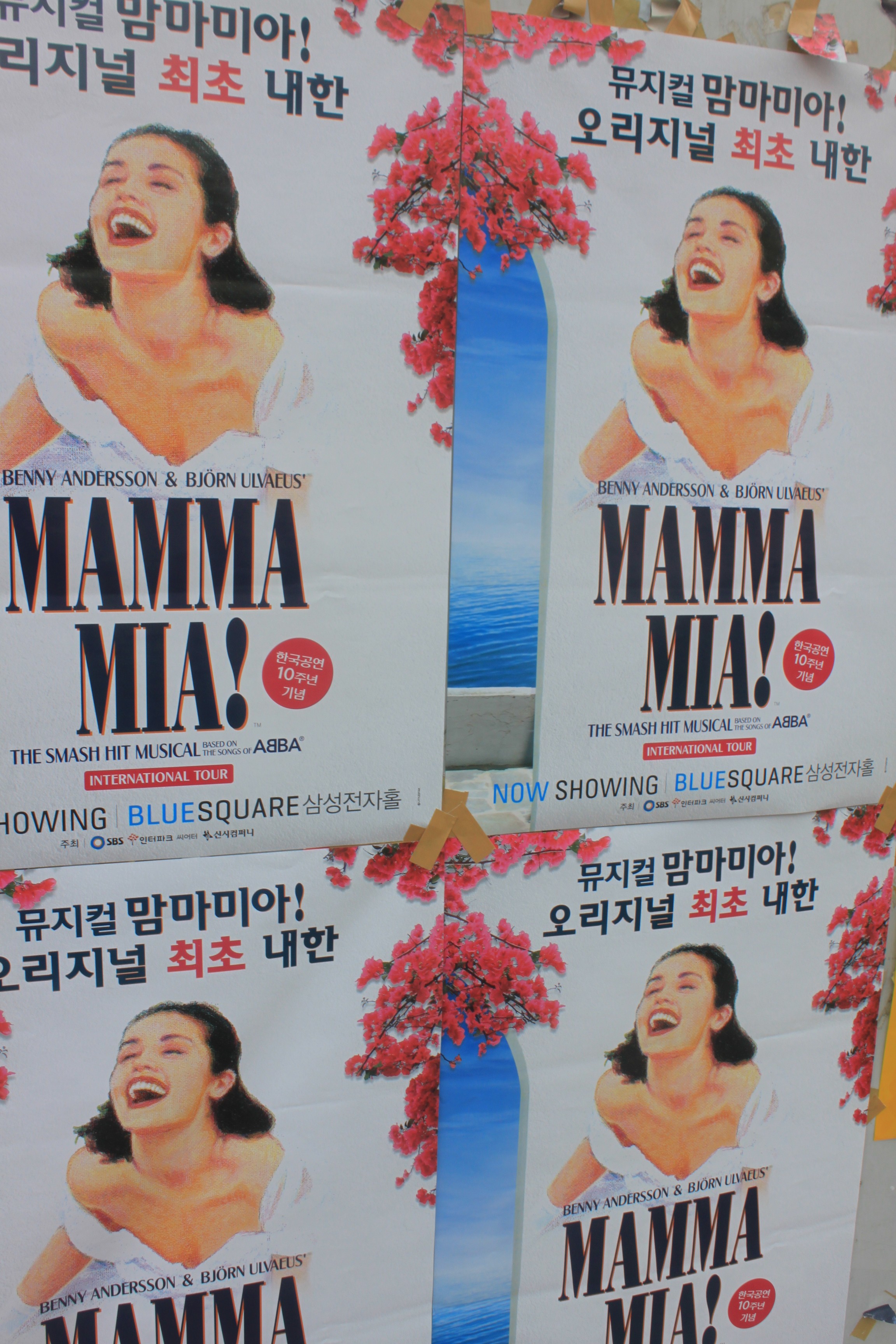
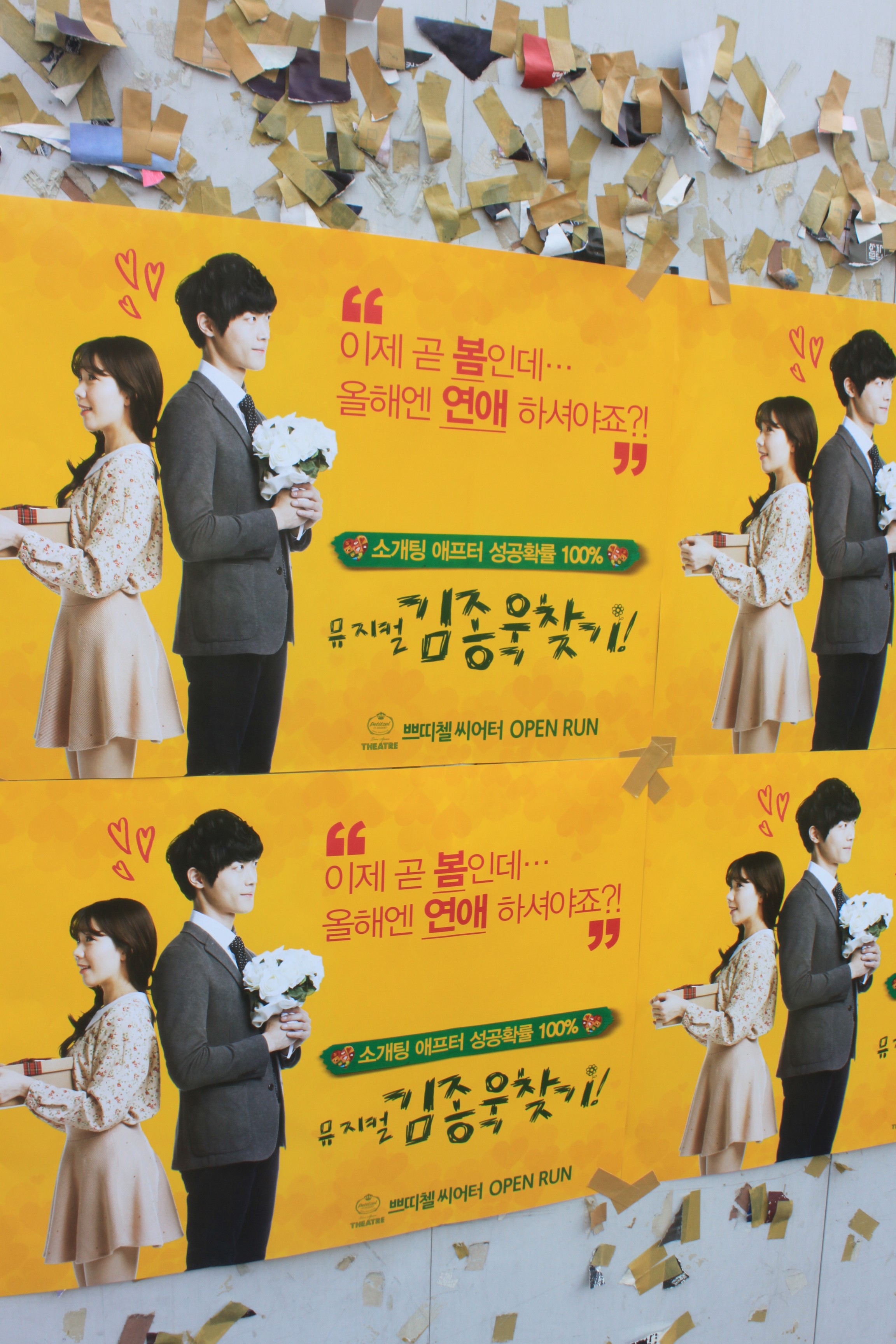
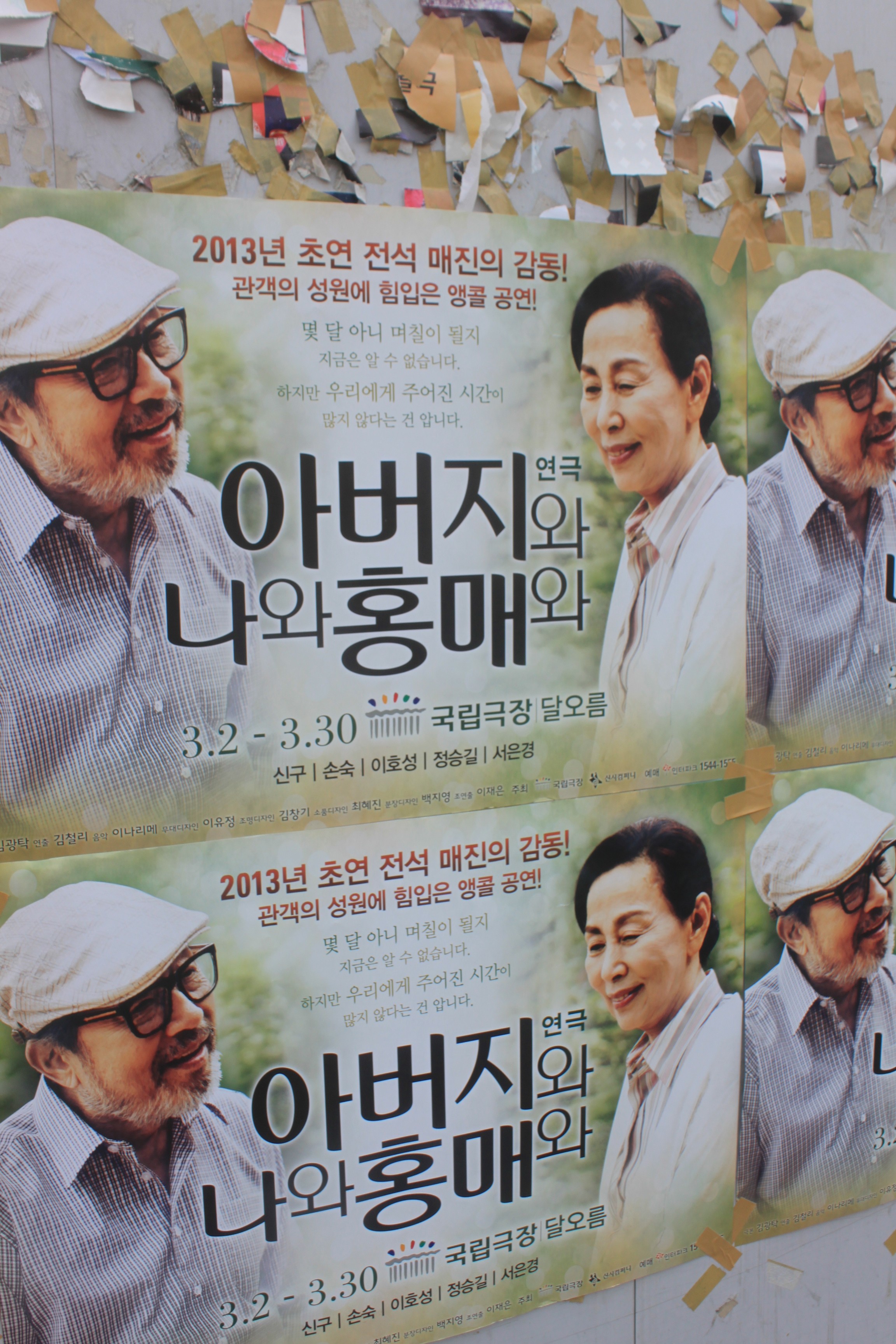
One fascinating aspect of Seoul culture is the vitality of the big stage musical. Seoulites are fascinated with musicals and see an attraction in them unlike most other cities. Many are imported from Broadway, but there are many homegrown versions as well. Here is a small selection of posters that I recently photographed.

IMG_0273IMG_0274IMG_0275IMG_0280IMG_0281IMG_0277IMG_0278IMG_0279

Read more

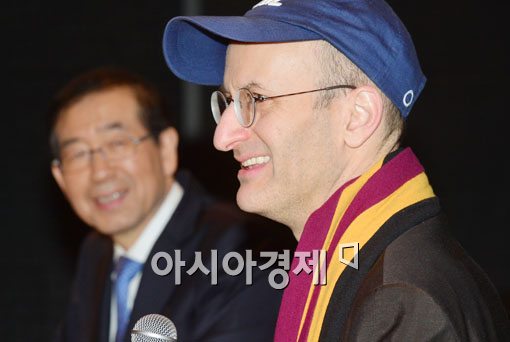
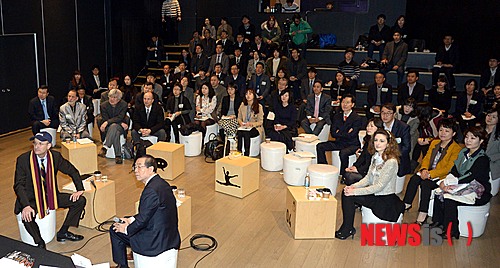
박원순 시장 하고 의 “書路” 독서회에서 의 “메이드 인 서울” 宣言

서울시

독서모임 “書路”

박원순 시장

&

임마누엘 페스트라이쉬

“메이드 인 서울 宣言”

2014년 2월 26일

이만열 (임마누엘 페스트라이쉬) 

동영상 

201402271125311809902A_1

 mayor park

“書路” 독서회에서 


메이드 인 서울 宣言

2014년 2월 26일

다른 서울을 상상하자

1) 살아있는 박물관

모든 시민 그 작품의 일부

2) 동네의 수직농장

3) 태양광파넬 전기를 옆집 판매

4) 도자기, 가구, 자전거를 동네에서 제작 판매

5) 건축을 유치원부터 배우고 있는 시민

6) 예술가는 도시환경을 변경시키는 마법사,

예술가가 동네 건물을 design하는 서울

7) 각 초등학교가 해외 초등학교와 자매결연을 맺어

항상 해외 학생과 공동으로 활동하고 있는 서울.

세계화는 아이들부터, 그리고 일반 시민부터 시작합시다.

8) 역사 인정 – 서울의 각 시대 나름대로 아름답다

조선왕조, 식민시대, 1950년, 1960년, 1970년, 1980년…

그 시대의 슬픈 이야기, 즐거운 이야기 모든 이야기가 다 storytelling

9) 고객이 아닌 시민이 사는 서울

10) 평범한 사람한테 훌륭한 것을 기대하자

“우리문명의 금자탑은 청동이나 대리석으로 만들지 말고 계속적으로 활기찬 시민들의 마음을 갖고 만들자”

“Build not your monuments of brass or marble, but make them of ever living mind!” Thaddeus Stevens

“도덕과 힘 사이에 간직한 호흡을 잡을 줄 모르고 경영술을 혜안(惠眼)으로 착각하며, 문명의 판금석은 그 속도나 소비력이 아니라 그 자비인줄 모르는 문화는 자신을 죽음으로 판결한다.”

“A culture that does not grasp the vital interplay between morality and power, which mistakes management techniques for wisdom, and fails to understand that the measure of a civilization is its compassion, not its speed or ability to consume, condemns itself to death.”

Chris Hedges, Empire of Illusion: The End of Literacy and the Triumph of Spectacle

New commitment to equality in teaching at Seoul Metropolitan City ” Anyone at all can find a vein of gold deep within himself “

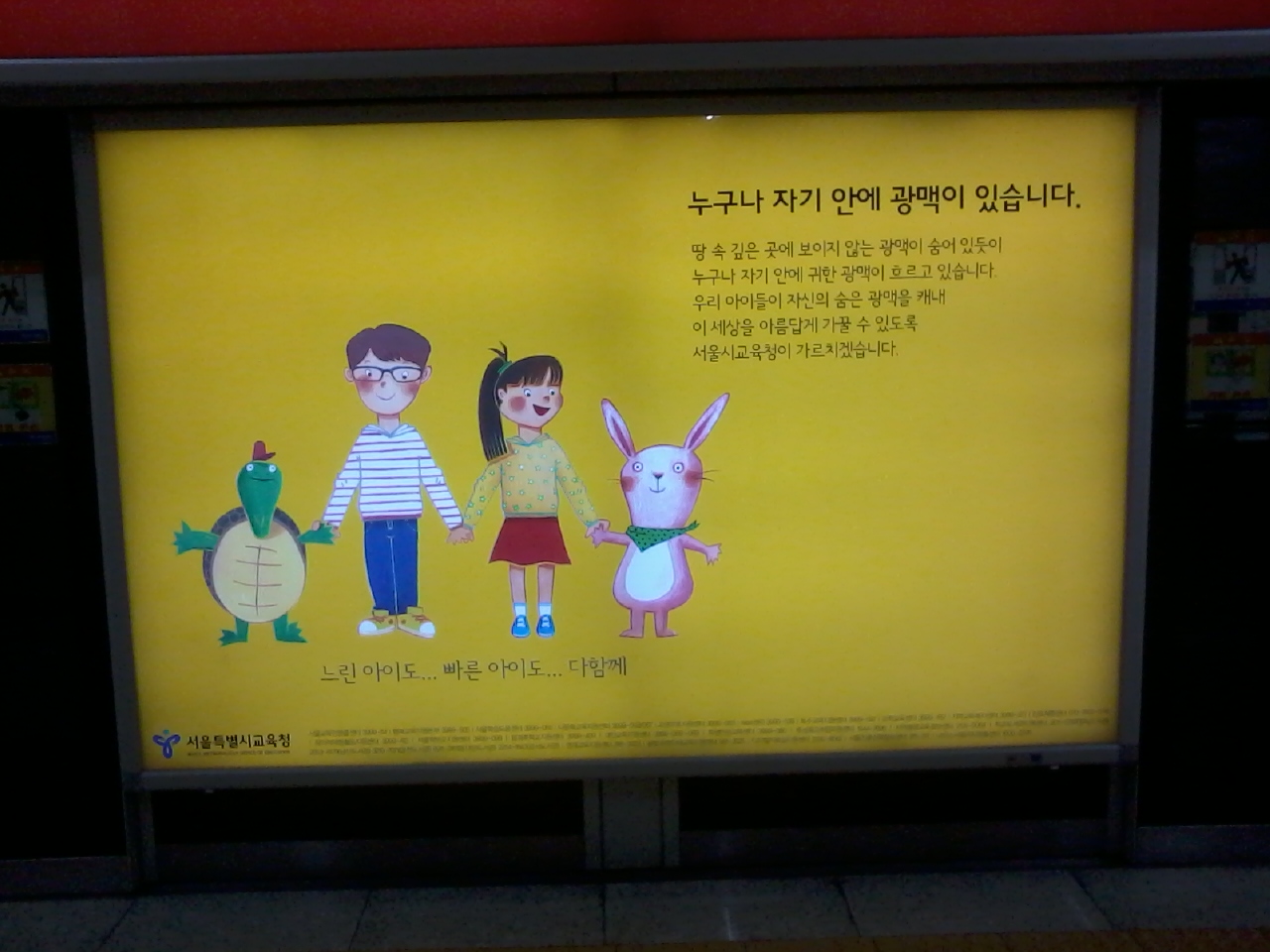
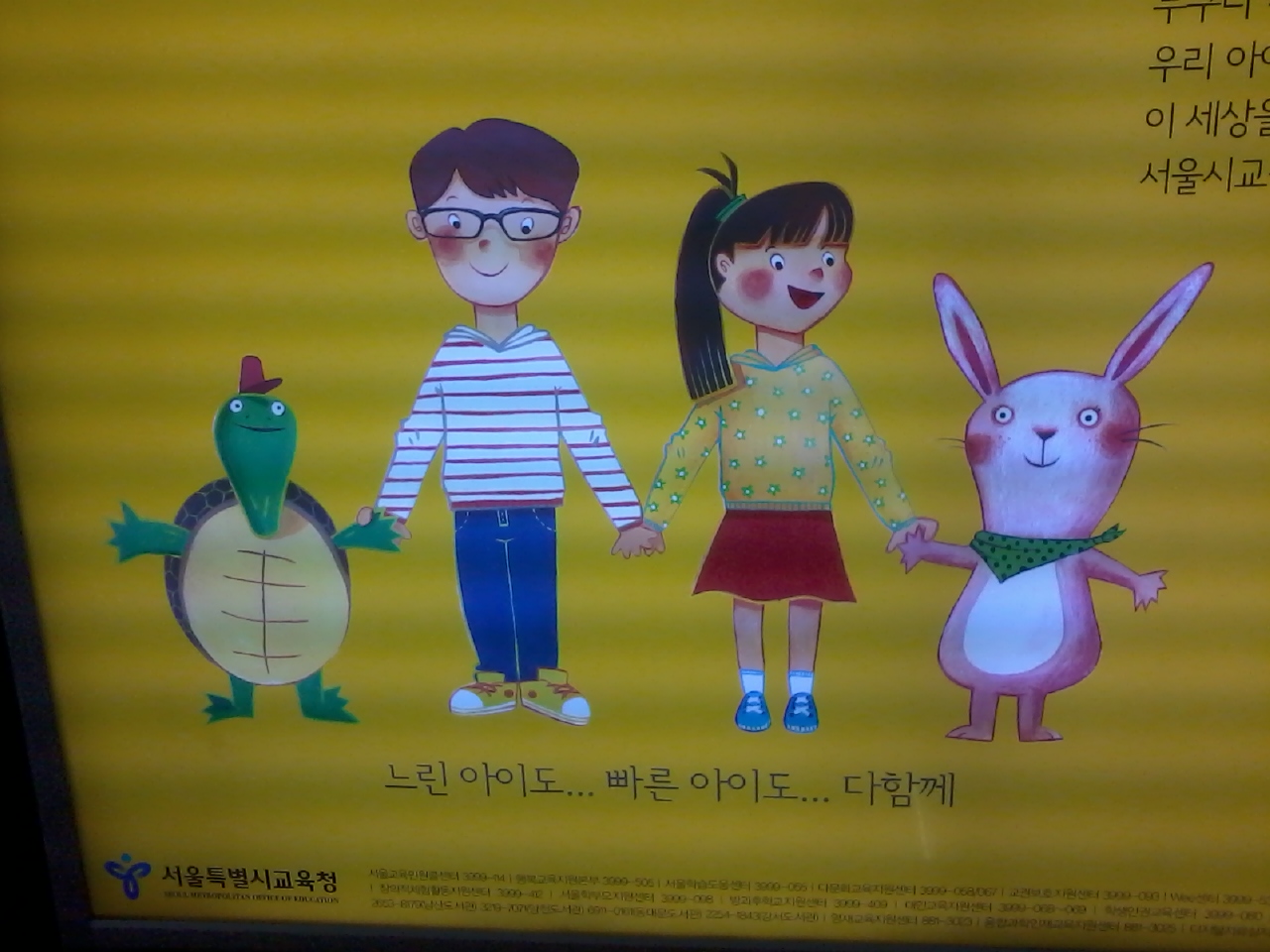
This very striking poster appeared today in the Seoul Metro affirming the importance of equality of opportunity in education and asserting the need for an approach to education that includes both fast and slow learners.


“Anyone at all can find a vein of gold deep  within himself

Deep in the earth where no one can see is hidden away the motherload of gold. In the same way, there is a motherload of ore deep within everyone and anyone. The Department of Education at Seoul Metropolitan City will run our teaching programs so as to bring up our children in a more beautiful world and help our children to find that vein of gold deep within themselves.”

Anyone at all can find an motherload deep within himself. Deep in the earth where no one can see is hidden away the motherload of gold. In the same way, there is a motherload of ore deep within everyone and anyone. The Department of Education at Seoul Metropolitan City will run our teaching programs so as to bring up our children in a more beautiful world and help our children to find that vein of gold deep within themselves,
Anyone at all can find an motherload deep within himself.
Deep in the earth where no one can see is hidden away the motherload of gold. In the same way, there is a motherload of ore deep within everyone and anyone. The Department of Education at Seoul Metropolitan City will run our teaching programs so as to bring up our children in a more beautiful world and help our children to find that vein of gold deep within themselves,


Both slow kids and fast kids, all together.


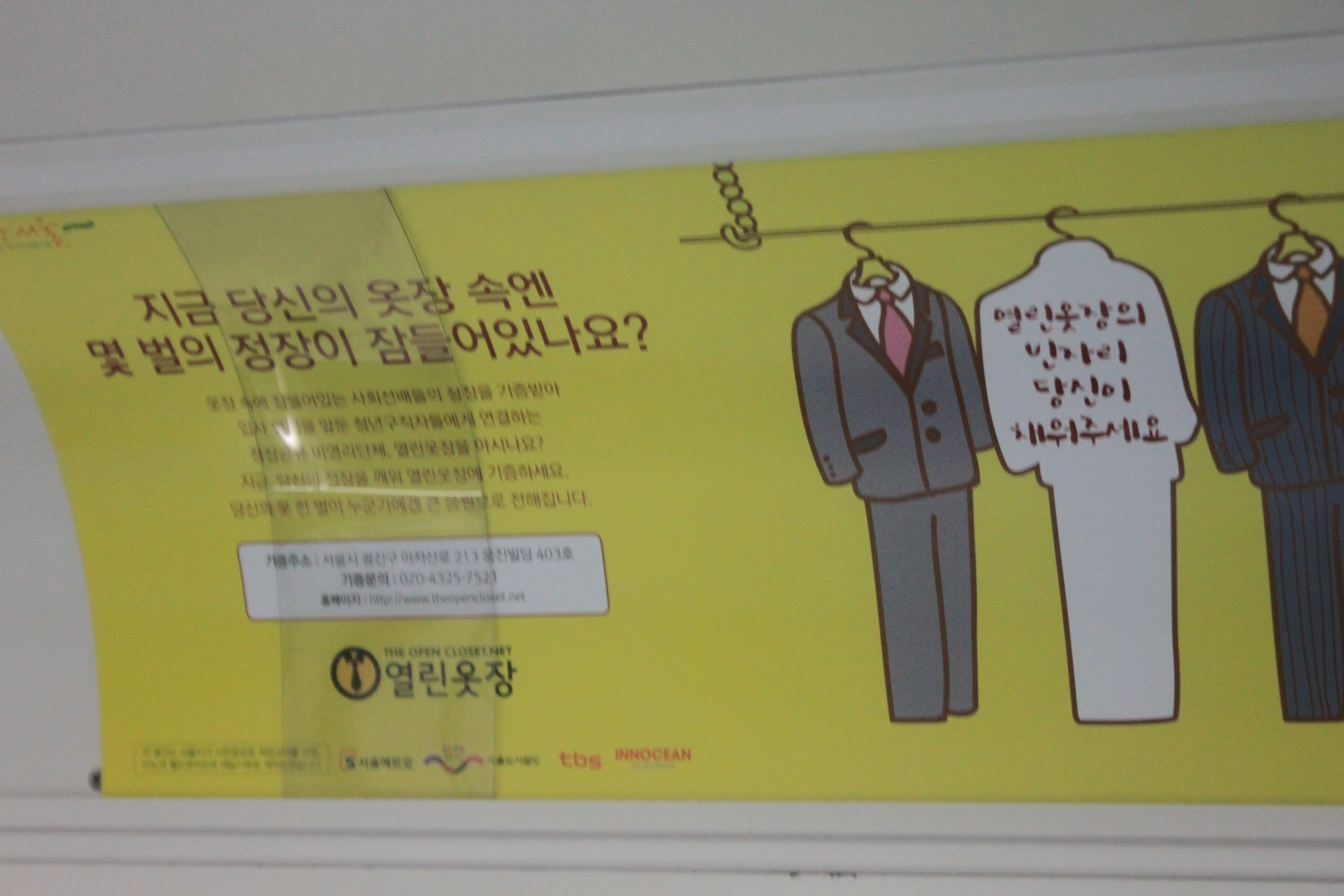
The Open Closet in Seoul

The Open Closet is an NGO that has recently been set up in Seoul, with support from Seoul Metropolitan City to allow people to share clothing that they do not need every day. The focus starting out is on formal clothes that young people may need for job interviews.


The description on the website of the Open Closet explains.


“The ‘Open Closet’ started from the idea that people could just open up their closets and simply share all of their clothes. But we realize that the concept of a ‘common economic system’  is so ambiguous in Korea that just saying people will share all their clothes is just not feasible. So we reduced the range of the clothes to be shared. We thought, what sort of clothes are most crucial, and for which people? When we pondered the question, what came to mind naturally was formal clothing for interviews. Many believe that formal clothes that they buy they will continue to wear even after they are successful in their application, but we have observed that often those close are just kept in the closet. A donation of those formal clothes that ‘sleep in the closet’ can help out youth who are seeking employment these days in these difficult times.”

The Open Closet is an NGO run together with support from Seoul Metropolitan City that permits people to share clothes with each other. The present focus is on providing formal clothes for youth who are interviewing for jobs.

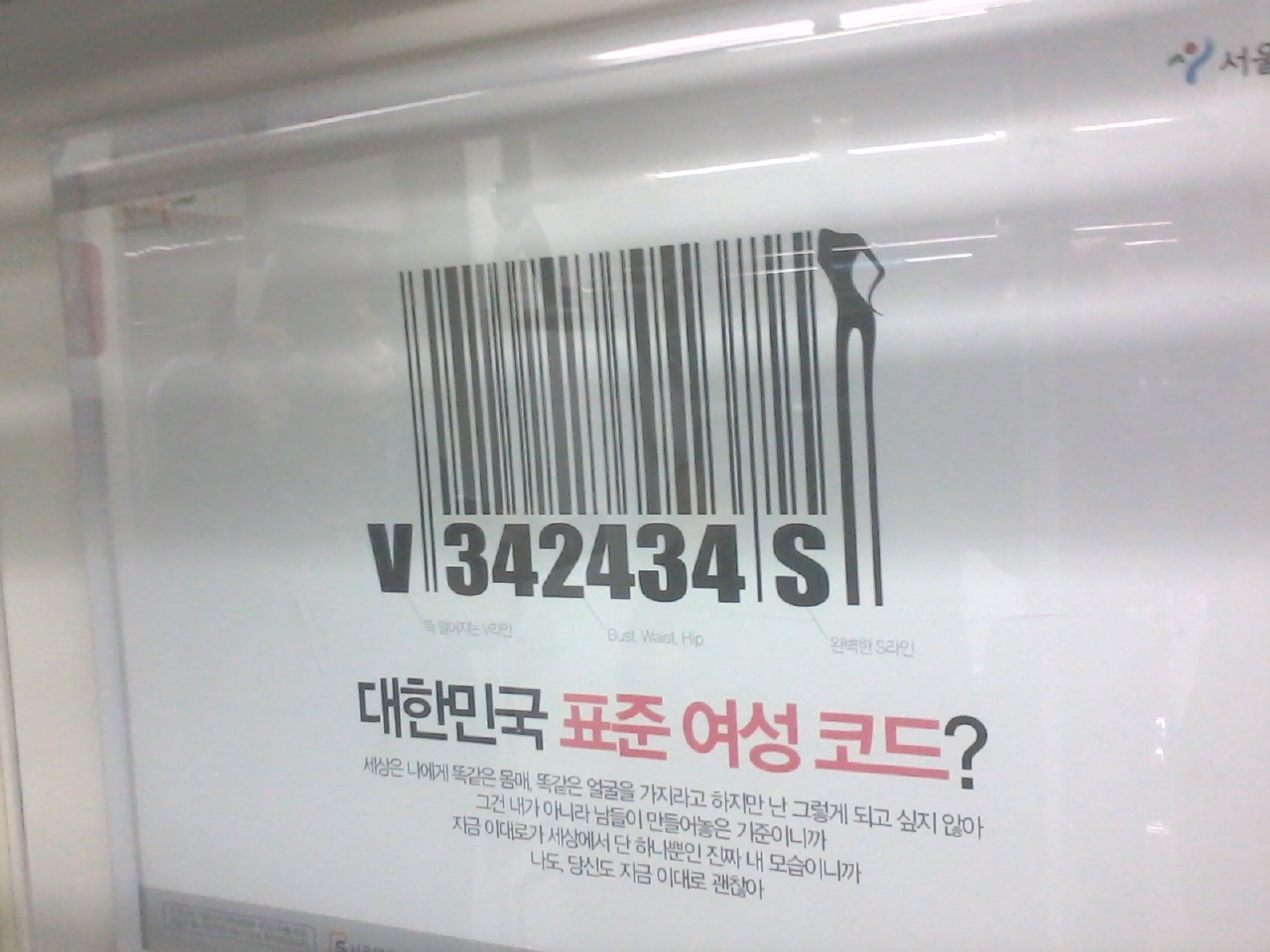
“The standard code for women in the Republic of Korea”

“The standard code for women in the Republic of Korea” 


This remarkable public advertisement has appeared recently in the Seoul Metro and sponsored by the City of Seoul. The graphic is a modified bar code which is referred to as “The standard code for women in the Republic of Korea” beneath.

the “V” is glossed as “V Line” the following numbers are glossed as “bust, waist & hip” and the “S” as “a perfect S line”

The text below reads

“Society tells me i must have the same body, the same face, as everyone, but I do not want to be like that. To do so to conform to a stardard made not by myself, but by others. The way I am now is the one and only true form for me. It is just fine for me, and fine for you, to just be the way we are.”

The ad is remarkable in part because of the striking creativity of employing the bar code image as a symbol of the oppressive domination of women by images and the resulting usage of plastic surgery and other techniques as an artificial means to conform.

The ad is also noteworthy because the city government produced it as a means of playing a positive role in society and offering up an alternative discourse for women in opposition to the dominant one of consumption and indulgence. It seems like a positive model for the role that government can play in society.


being human

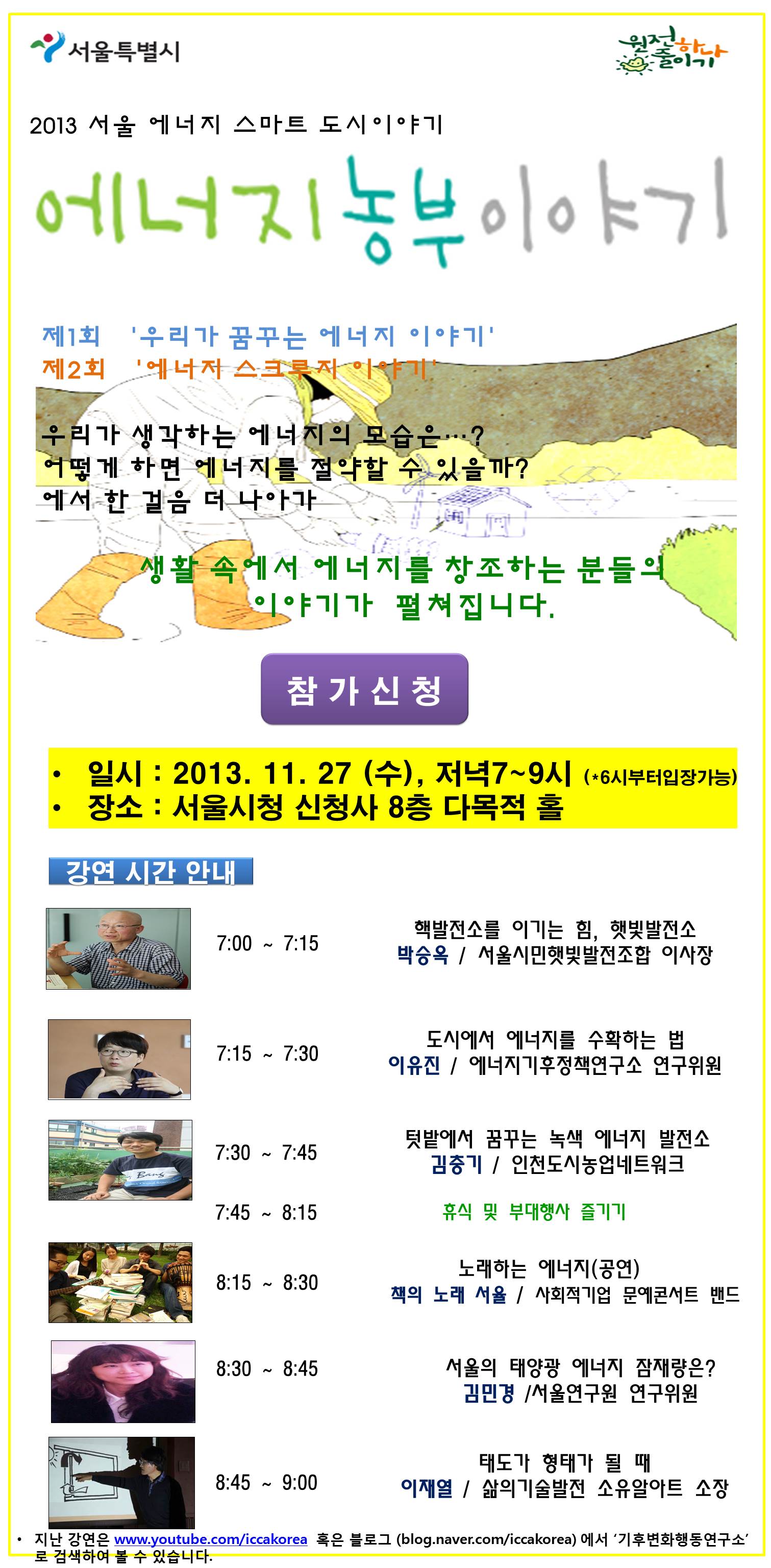
“Tale of Energy Farming” Seminar on November 27 sponsored by Seoul Metropolitan City

“Tale of Energy Farming” Seminar for citizens on November 27 sponsored by Seoul Metropolitan City as part of the “Tale of an Energy Smart City” series at City Hall. This event features short discussions taht are extremely practical about  solar energy and its potential, about “harvesting energy” in the city and the issue of climate change and about green energy. The speakers come from a variety of local NGOs and represent well Mayor Park’s vision. 

event on climate change and urban farming sponsored by Seoul Metropolitan Government