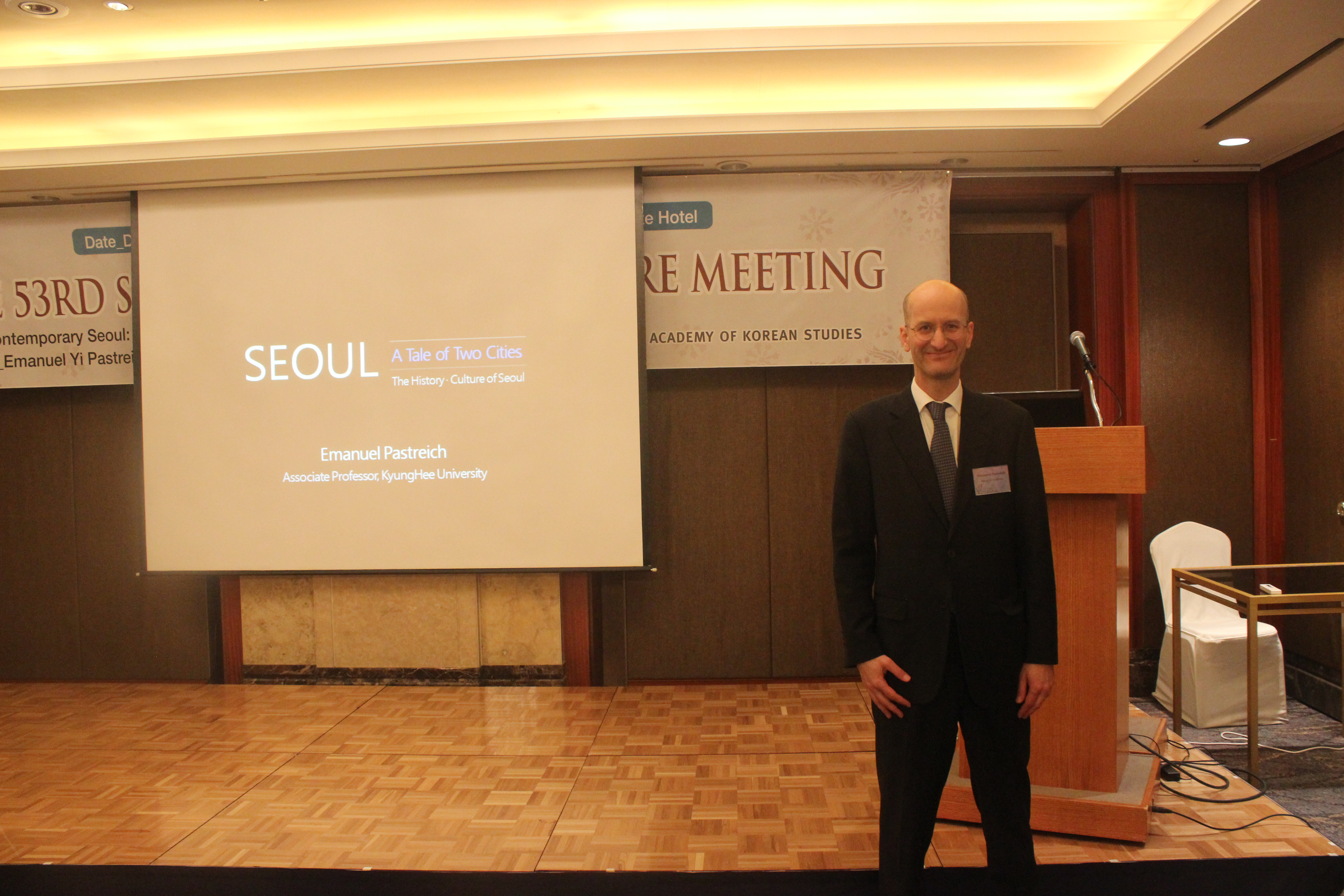
“A Tale of Two Cities” Emanuel’s talk for the Societas Koreana Lecture Series

The Academy of Korean Studies

Societas Koreana Lecture

Emanuel Pastreich

“Seoul’s Culture: A Tale of Two Cities”

I was invited to deliver a talk on the cultures of Seoul at the Academy of Korean Studies this evening (December 12, 2014) at the Lotte Hotel.

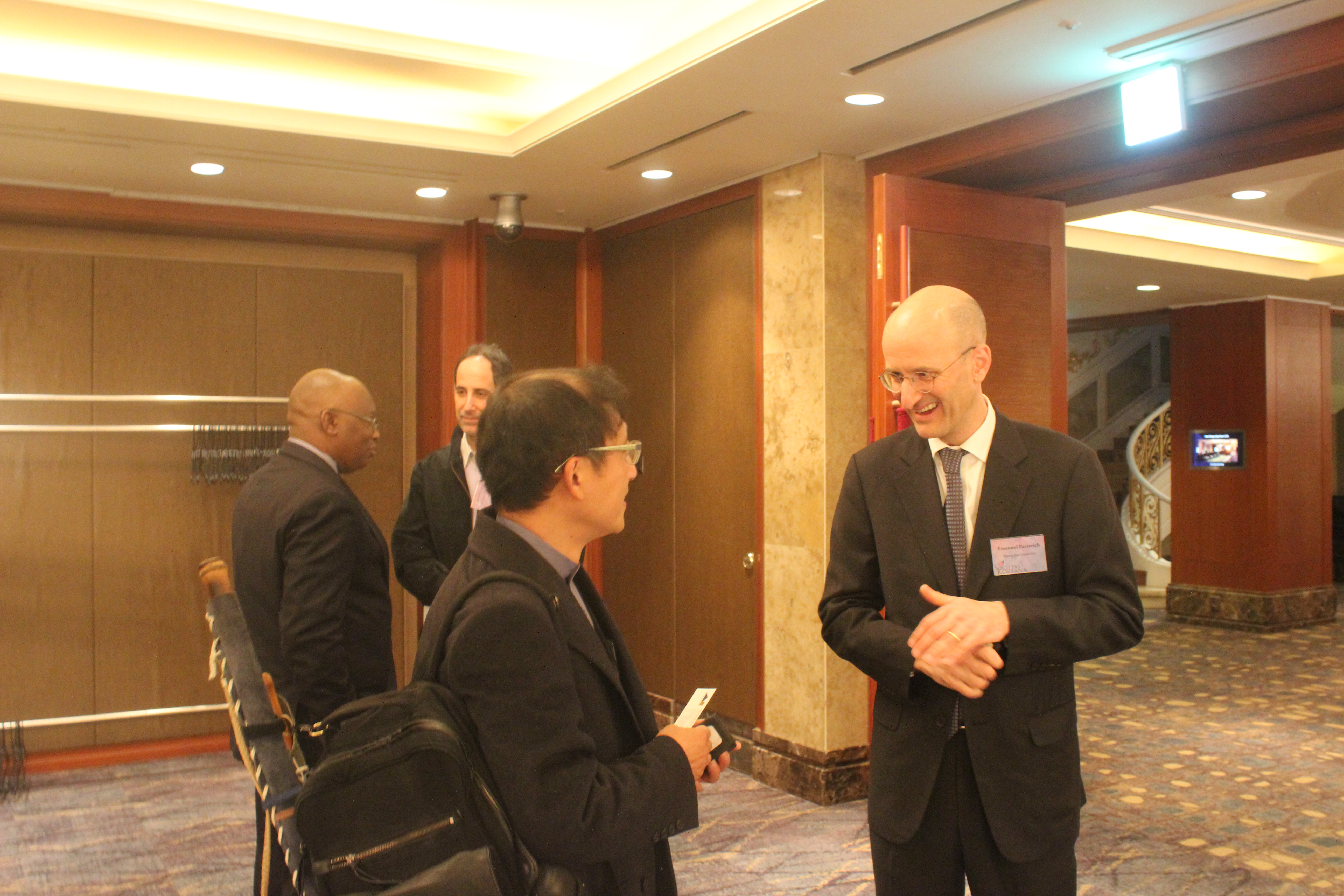
The event was kindly arranged by Dr. Lee Yong Bae , President of the Academy of Korean Studies, and attended by a variety of expats living Seoul (primarily academics and diplomats).

This lecture was my first chance to discuss with an audience my ideas concerning the emergence of Seoul’s culture over the last hundred years, with an emphasis on the dynamic of Gangbuk (North of the River) and Gangnam (South of the River) culture. I was impressed by the thoughtful questions I received and the growing  interest in Seoul’s cultural past in the international community.

Conversation with Dr. Kim Hyun, Director of the Center for International Affairsat Academy of Korean Studies.
Conversation with Dr. Kim Hyun, Director of the Center for International Affairs at Academy of Korean Studies.
Opening of the Talk
Opening of the Talk

Read more

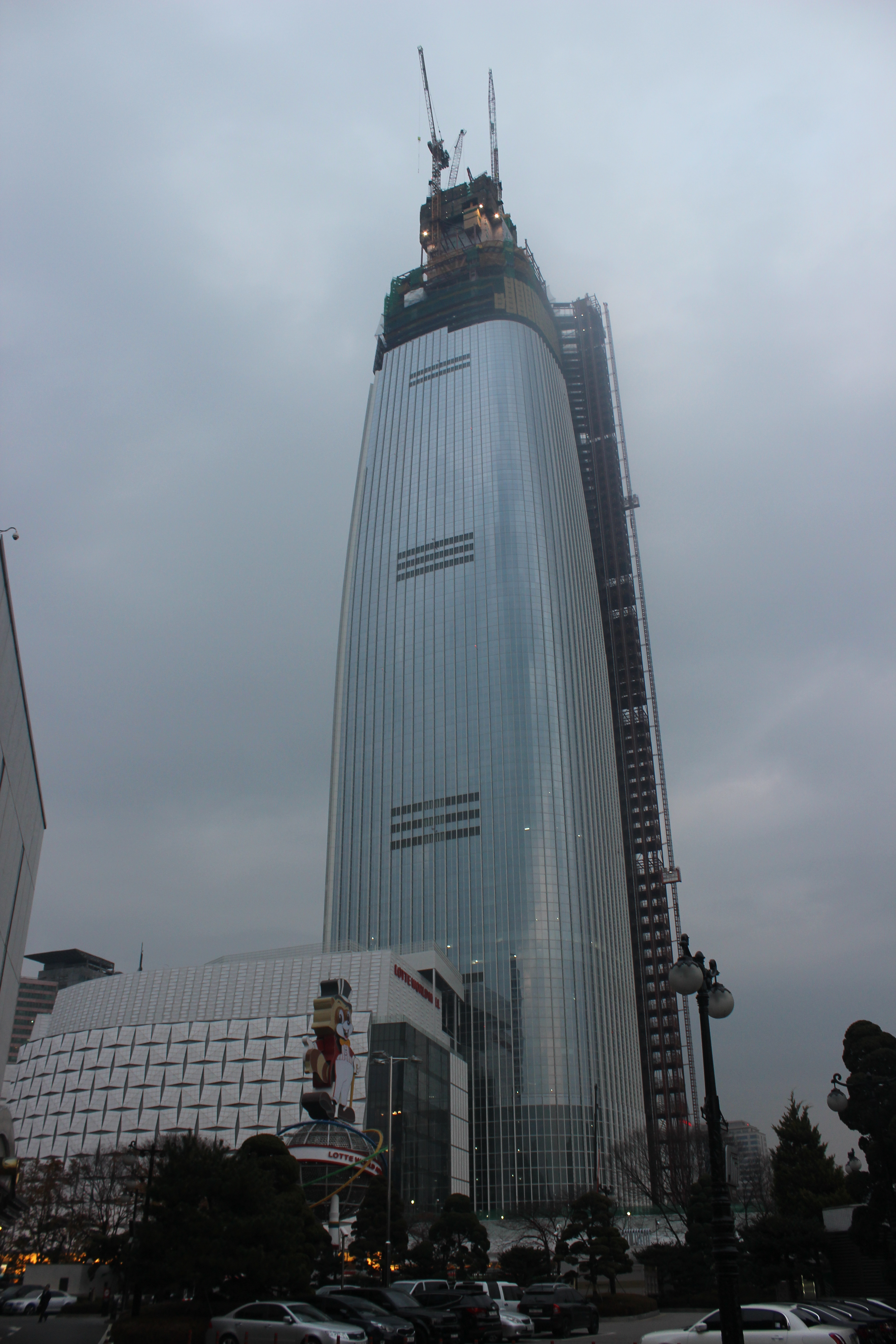
Lotte World Mall

I had a chance to visit the new Lotte World Mall which recently opened after various delays related to questions concerning the safety of the building’s construction. It is a completely self-contained universe on a scale unlike anything I have seen in Seoul. adjacent  to the Lotte World amusement park, Lotte World Mall (distinct from the Lotte Department Store) has elaborate artistic displays and cultural elements that mix entertainment and shopping.


The towering Lotte World Mall is visible from just about anywhere in Gangnam.

Read more

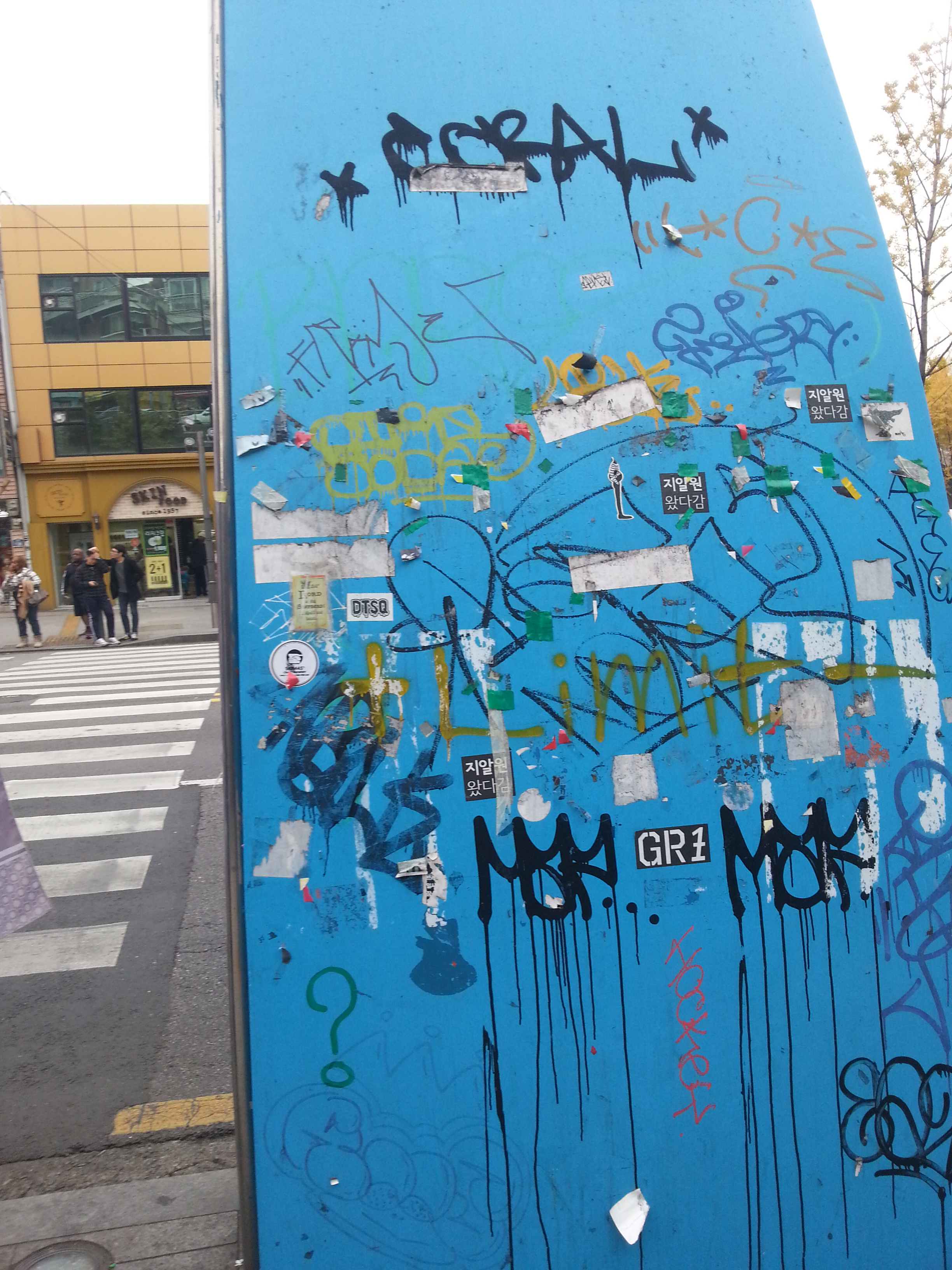
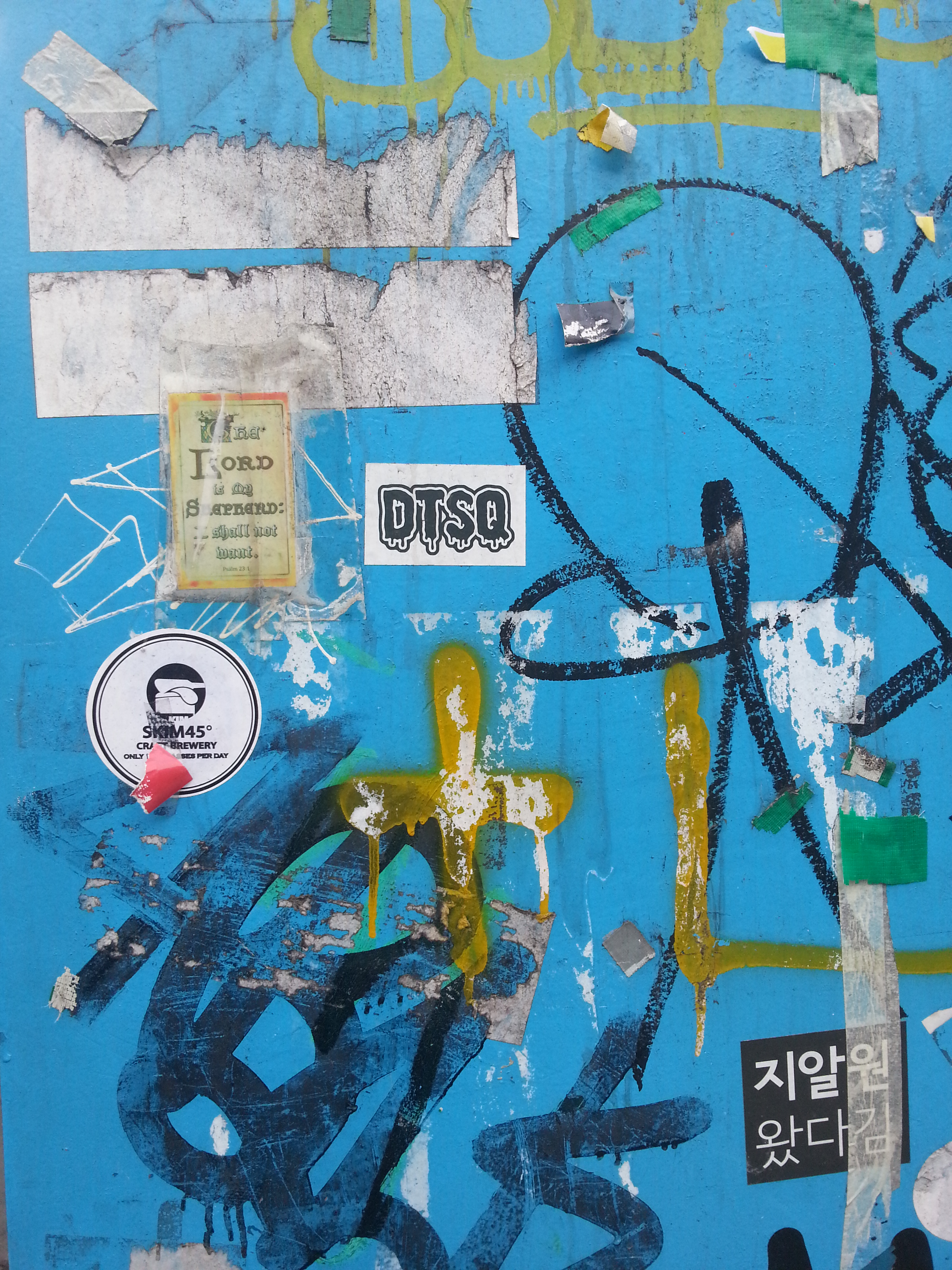
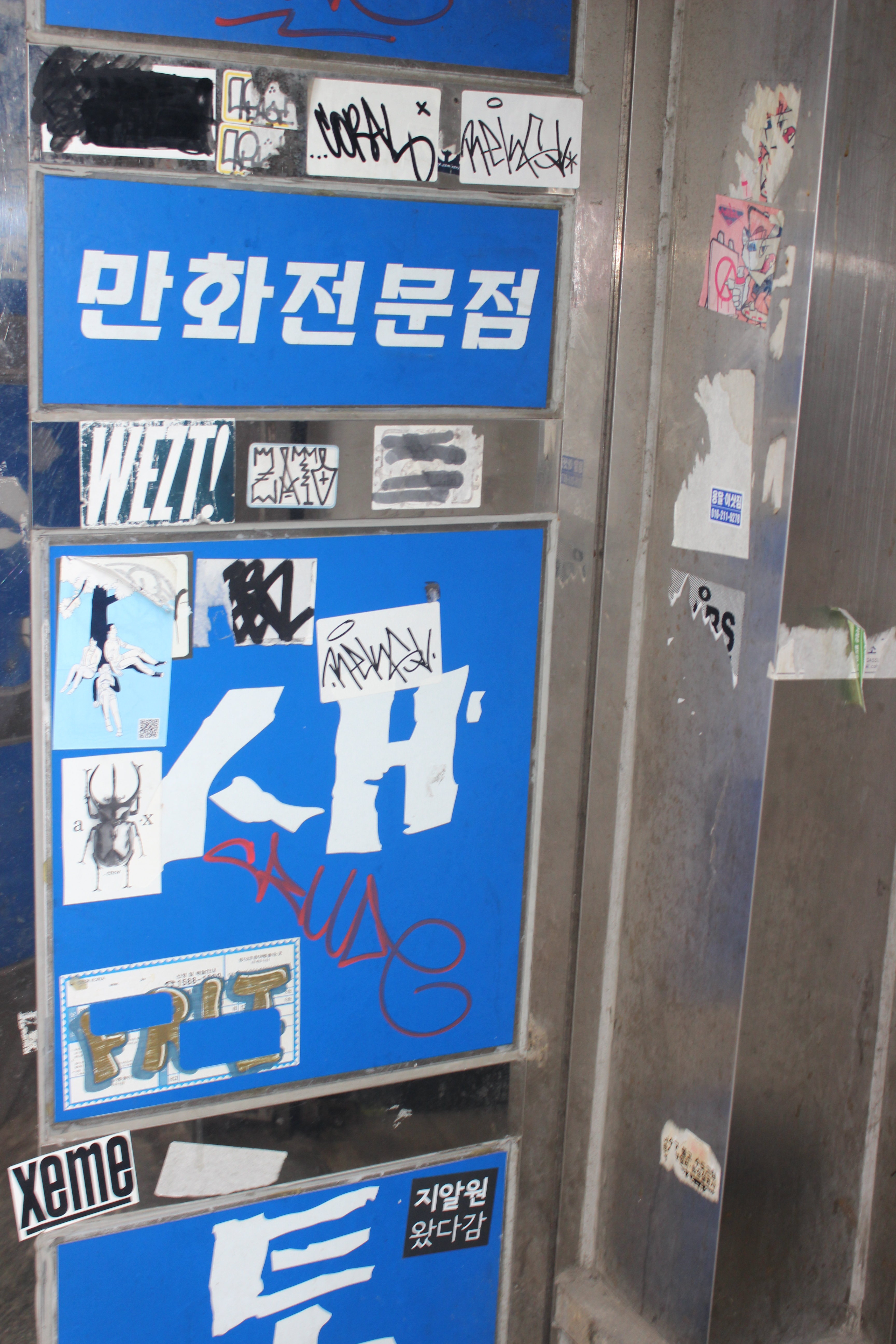
Posters around Seoul

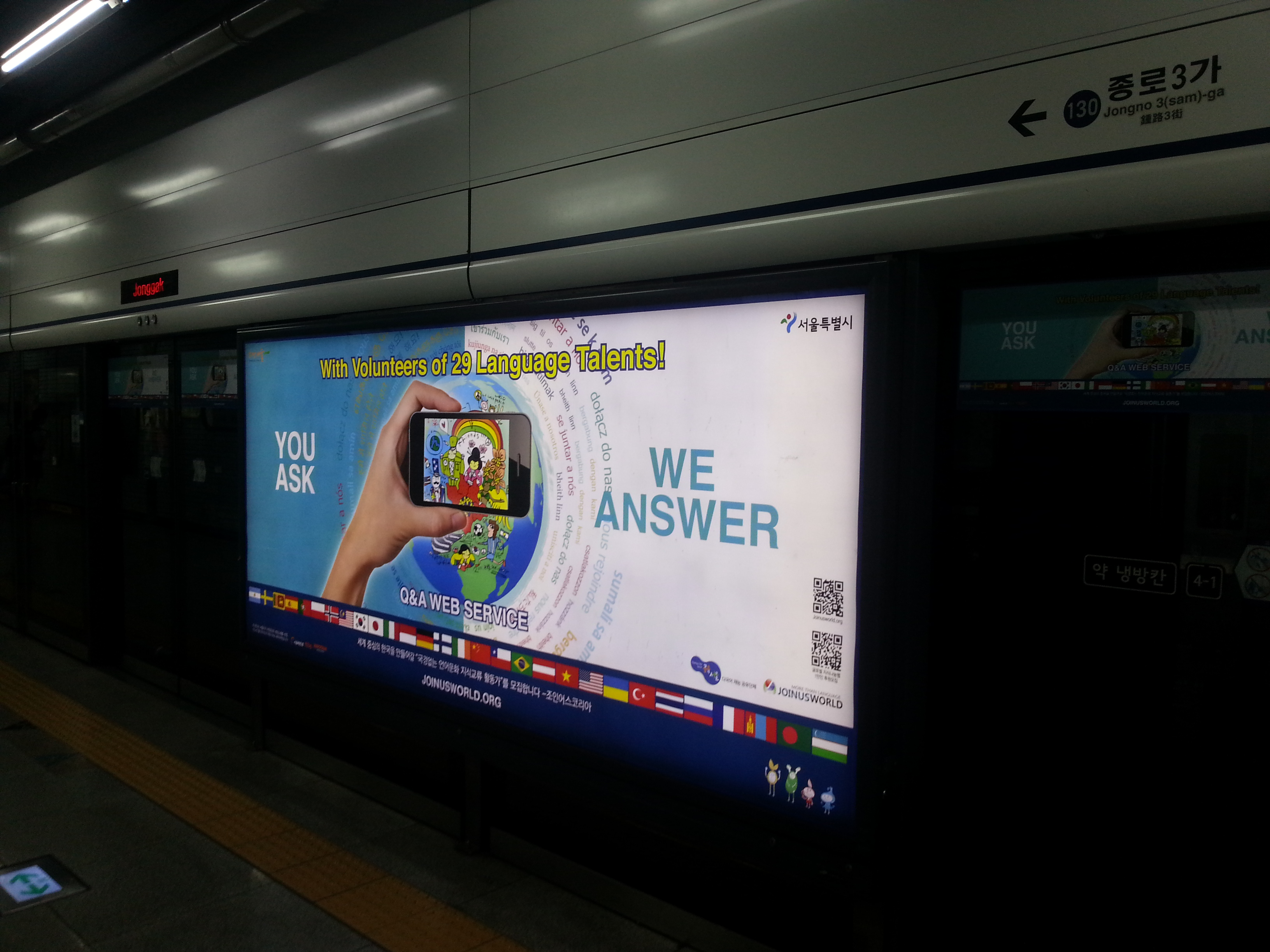
What is changing in Seoul? I can tell you. It is above all the visual complexity and sophistication of the posters and signs. I have watched them emerge from a rather square and flat banality to become ambiguous and compelling glyphs and ciphers. One of the great pleasures for me is seeing all this intriguing commercial art.

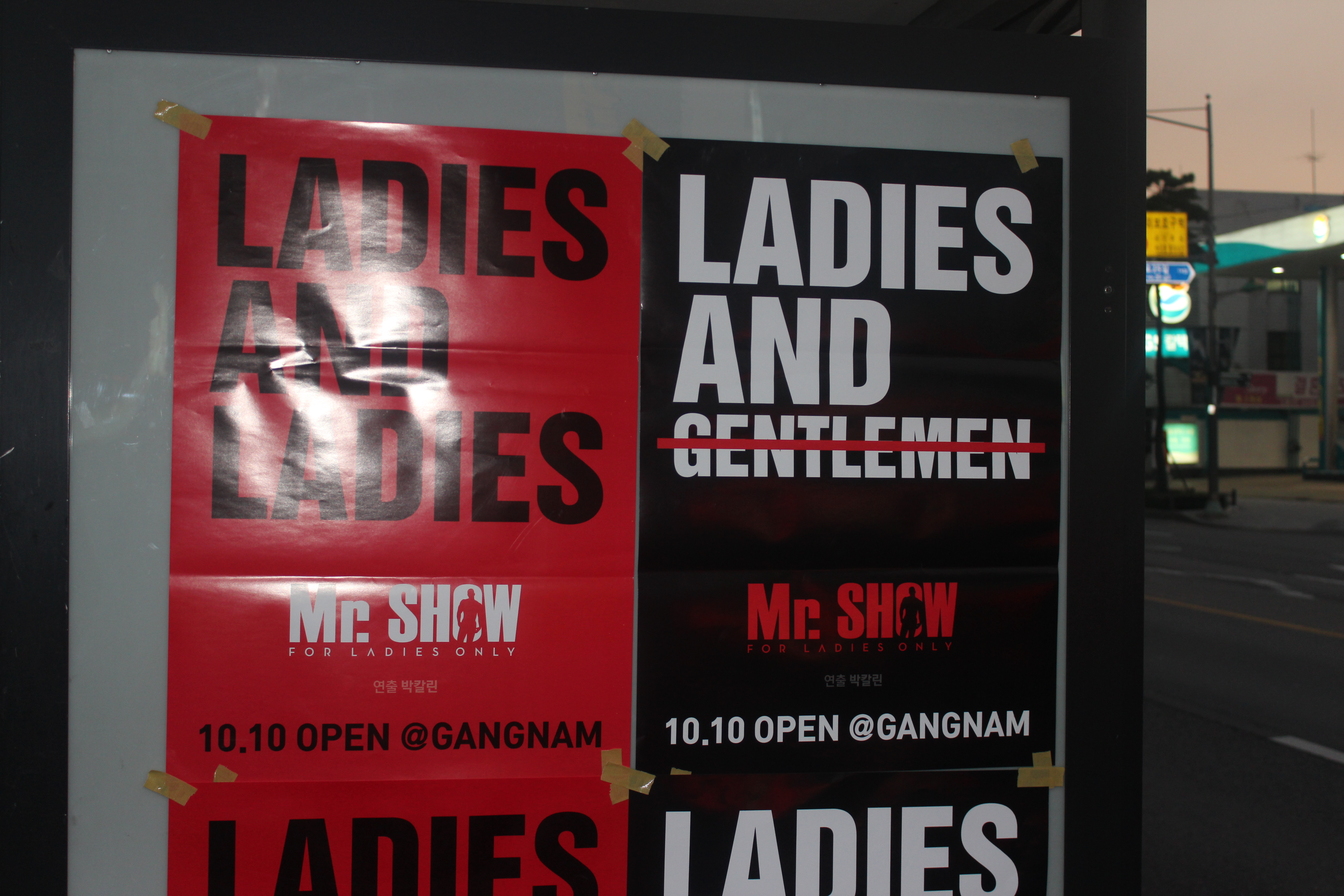
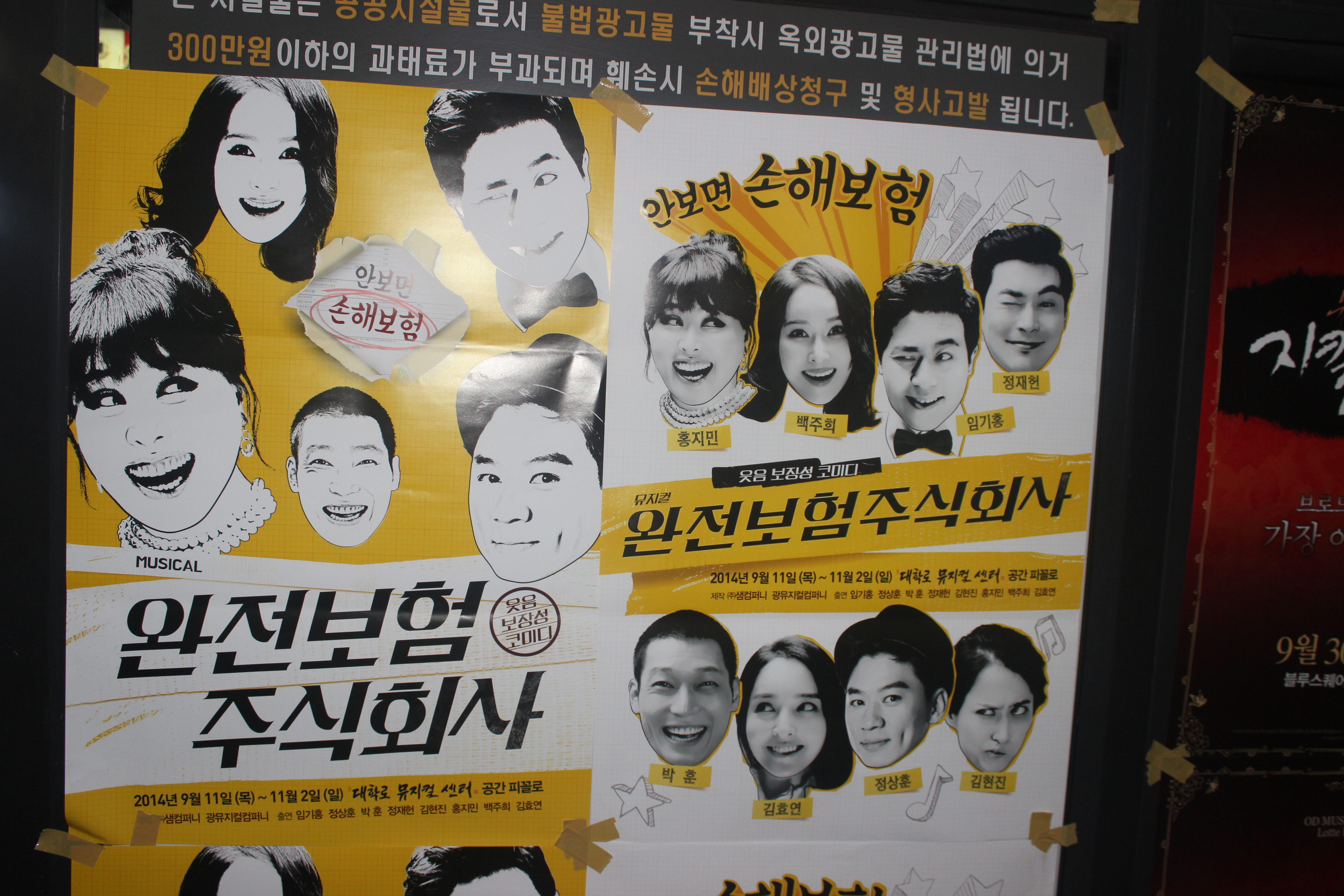
Advertisement for a show in Seoul. What exactly it is, I am not sure.
Another fascinating advertisement for some musical or show.
Ad for a fitness club with a rather pensive pig as mascot.

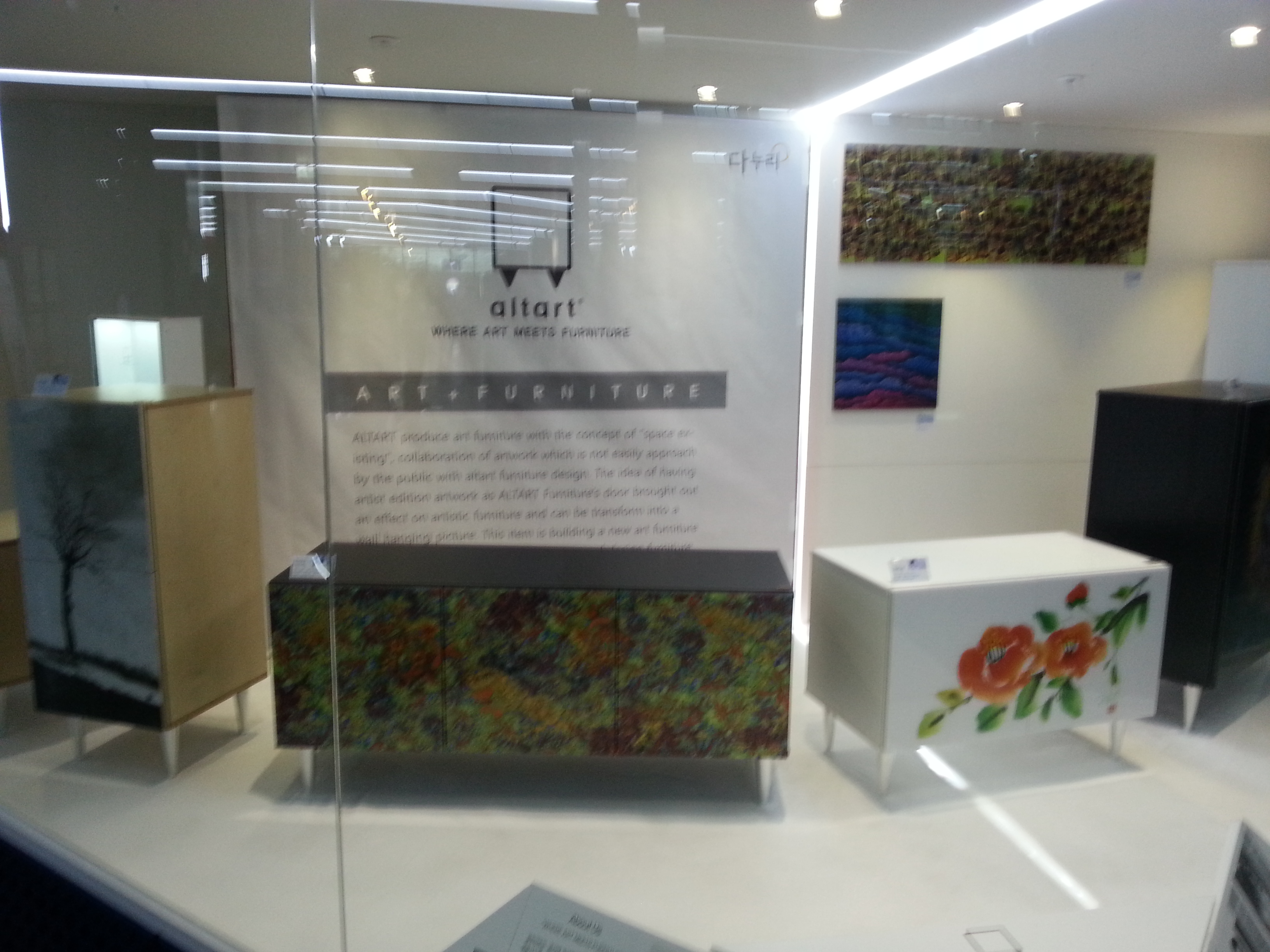
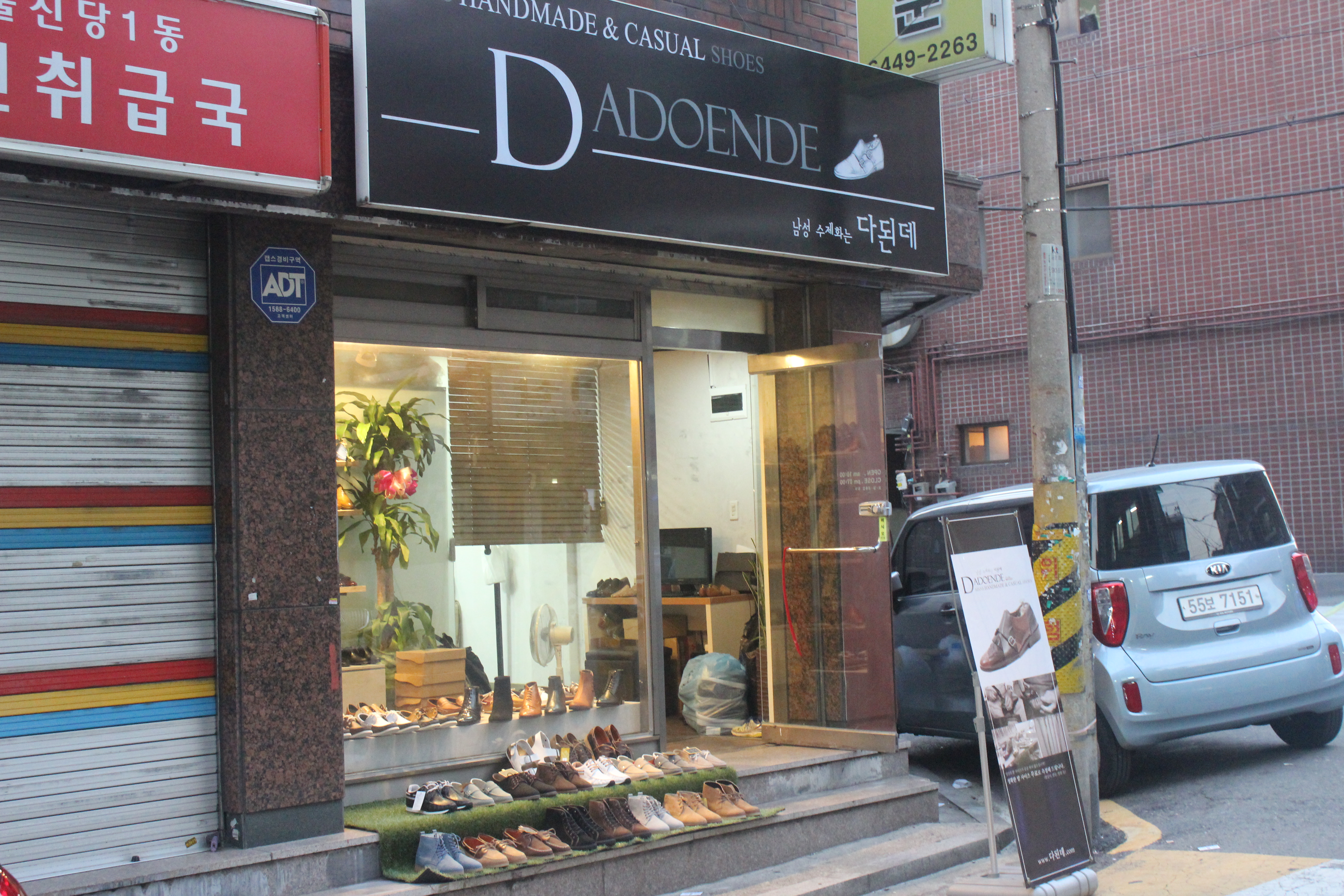
The city of Seoul has been pursuing a policy of encouraging manufacturing within the city itself, specifically of staples and clothing. The shoe manufacture Dadoende opened a store recently in our neighborhood that offers some very attractive shoes manufactured entirely in the city.  The efforts to encourage manufacturing at a micro level has had a significant impact on the city. In fact, the presence of small scale factories in Seoul distinguishes the city from many of peers and contributes to its vitality.


Dadoende Shoe Store in Sindang, Seoul.
Variety of excellent shoes made in Seoul.

“Looking ahead 100 years for Seoul” (JoongAng Daily, September 23, 2014)

JoongAng Daily

“Looking ahead 100 years for Seoul”

September 23, 2014

Emanuel Pastreich


link


When I came to Korea in 2007, I was deeply impressed by the capability of the Korean local government for institutional innovation. For example, while working as an adviser to the governor of South Chungcheong, I learned about the preparations for the move of the capital from Daejeon to Hongseong.

It is a remarkable policy in Korea that declares that once a city has reached a population of one million, it should be designated a “metropolitan city” and have a status equivalent to a province. Daejeon had reached that status, and so the government decided that it would no longer serve as the capital of South Chungcheong – so the capital had to be moved.

This policy is very scientific and practical, but such innovation is impossible in the United States. Major cities like New York or Los Angeles do not have the representation of a state – although they are far larger than many existing states. Moreover, it has been impossible to establish any new states for more than 50 years. Even the obvious cases for federal statehood, such as Puerto Rico, have dragged on so long that some are thinking about independence out of frustration.

But although I was deeply impressed by how quickly Koreans can effectuate change in government, I have also seen weaknesses in local governance that undercut the appeal of the Korean model. We see increasing shortsightedness in urban planning and a lack of credible institutional history. Government officials often know nothing of the precedents for good governance in their own city and do not have the time to come up with innovative new policies because they are rushing around everyday filling out forms.

I was impressed by the broadly educated and thoughtful government officials that I worked with in South Chungcheong, Daejeon and Seoul. However, despite the expertise of Korean public officials, they are increasingly rotated from department to department in government in terms shorter than one year. Sadly, despite their intellectual ability and commitment, they are unable to acquire any expertise in one field. Needless to say, they do not have time to sit down and read books on topics relevant to their work.

Read more
Ultraviolence

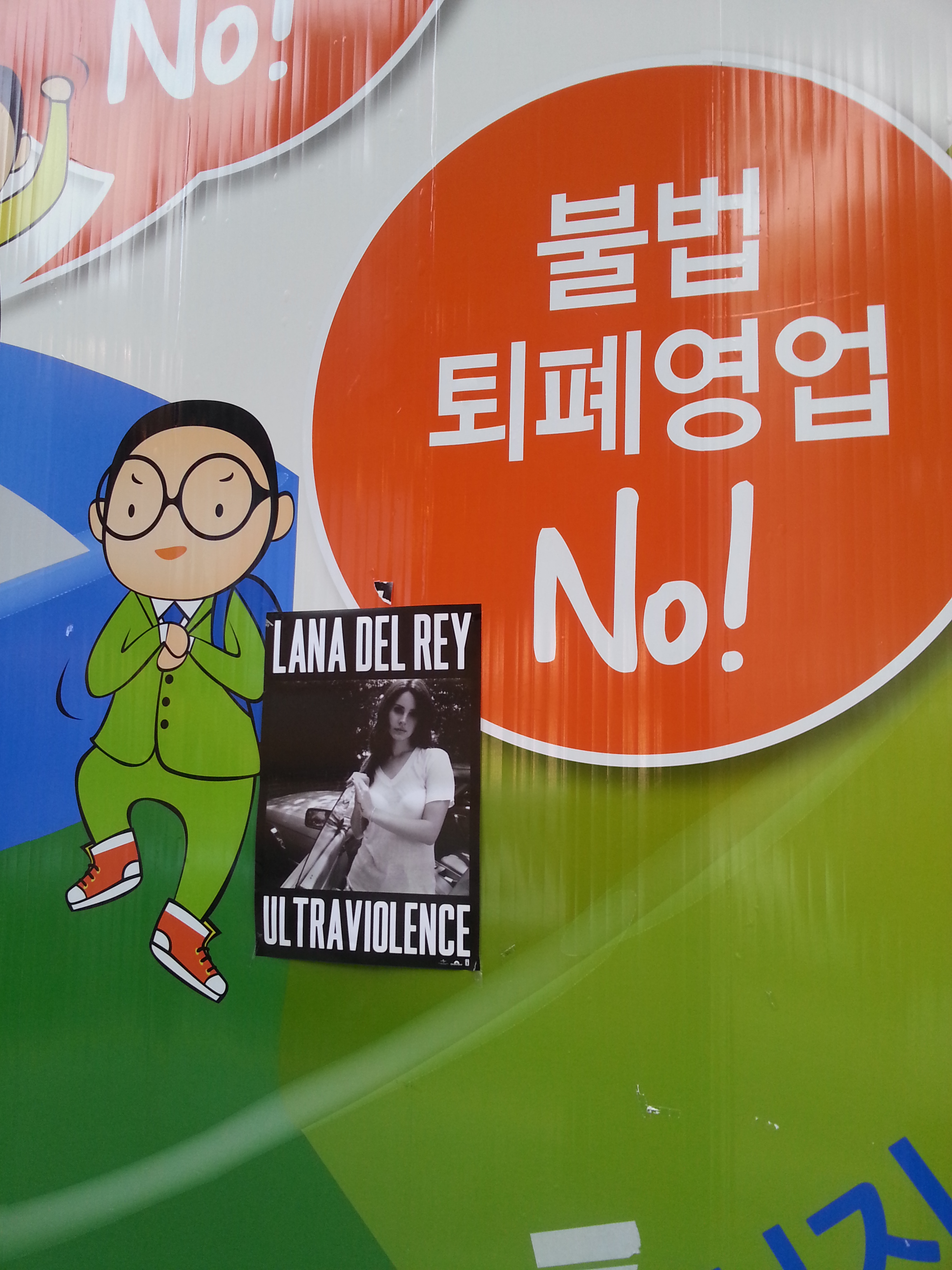
The image isjarring. This upbeat government poster encouraging moral rectitude among citizens features the image of rock star Psy doing his “Gangnam Style” dance. The title given for this section is ” ‘Illegal Business of Ill-repute’ NO!” No doubt a campaign against houses of prostitution. But the poster someone has put up advertizing “ultraviolence” is a bit jarring. I wonder if the person who posted that poster understood the term “ultraviolence” in its original context, or meant the juxtiposion to be humorous.


"Illegal Business of Ill-repute"   NO!
“Illegal Business of Ill-repute” NO!

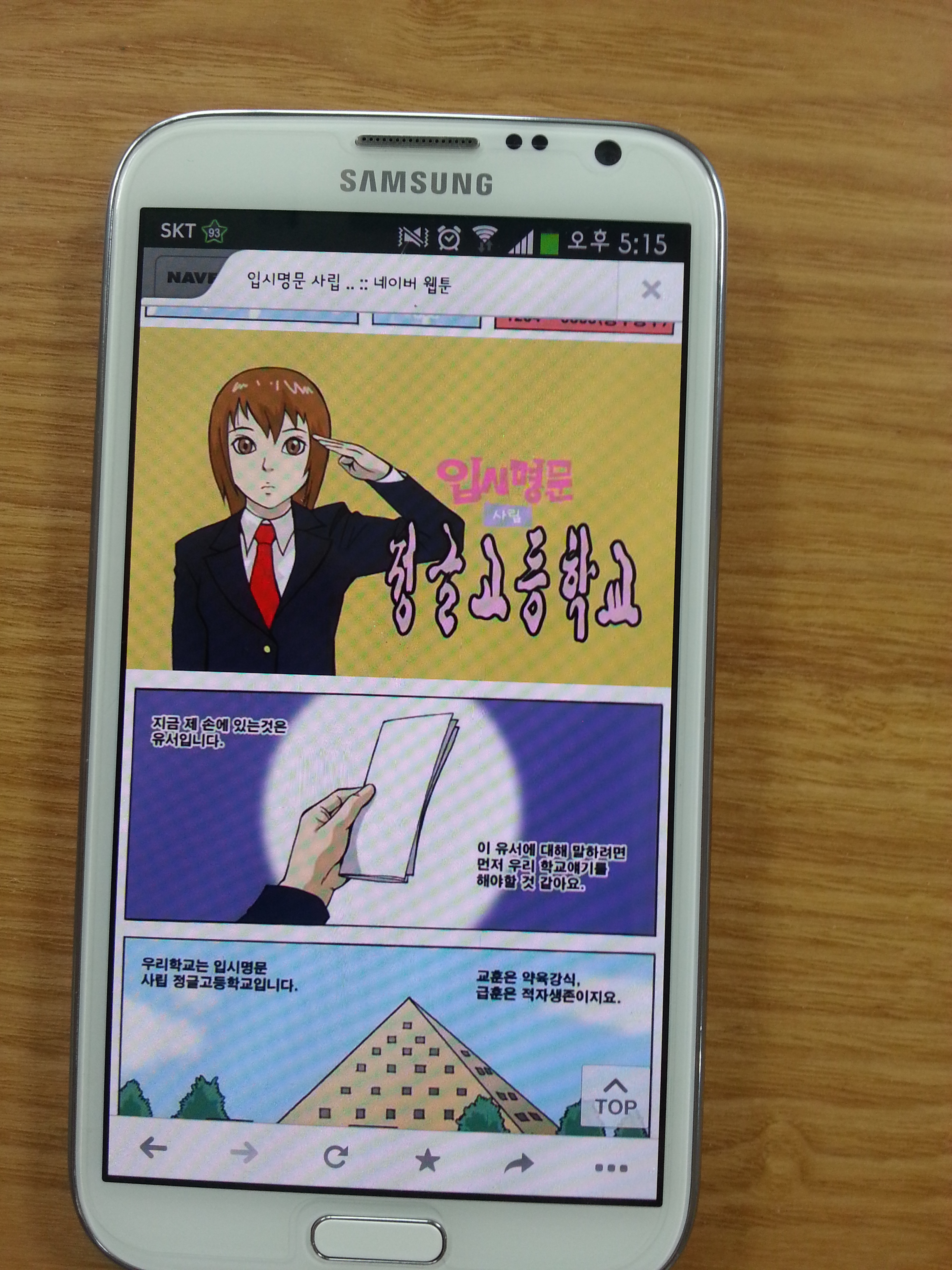
Webtoon “Jungle High”

Seoul has become a major center for the production of webtoons over the last five years. These highly creative visual narratives express with particular vividness the experiences of young Koreans. The webtoon “Jungle High” is remarkable example that describes daily life for Korean youth inside a ruthlessly competitive Korean high school. The actual experience of youth, as opposed to the myths shown in the media, is portrayed in an original and compelling manner in this webtoon.


Jungle High
Jungle High

Text:


Jungle High

A Gifted High School for the College Entrance Exams


“I have my will here in my hand right now”

“If I were to try and explain this will, I would have to start with an introduction to our high school.”


“Our high school is a gifted school for the college entrance exams, a private school known as “Jungle High”

Our school motto is “The strong devour the weak”

and our class motto is “Survival of the Fittest.”