Labor and the Korean Media (report)

Labor and the Korean Media

Emanuel Pastreich

August 6, 2012

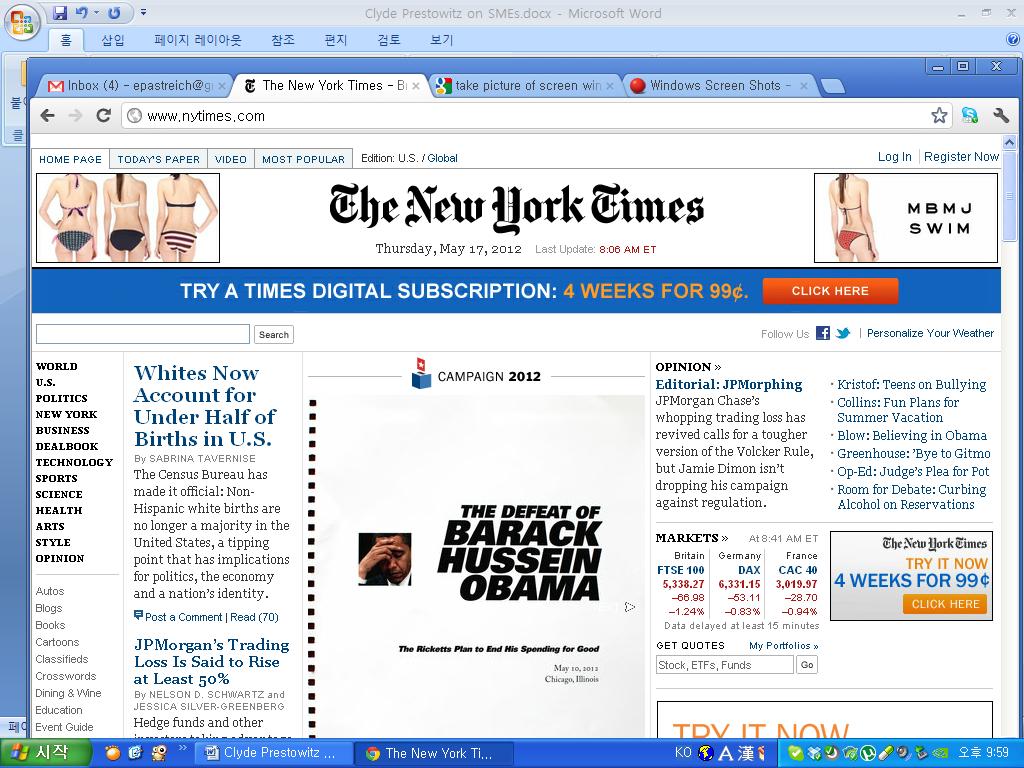
The Korean media has been roiled by a series of strikes and labor campaigns since President Lee Myung Bak appointed or promoted close personal associates as CEOs for three major broadcast companies.

The main strikes against KBS, MBC and YTN were above all born of resistance against the control of broadcast company policy by President Lee Myung Bak.

The media is considered absolutely critical for the functioning of democracy and such attempt by the president to seize control of the public media was
Read more

“The Rise of Consumption and the Demise of Causality” (essay)

“The Rise of Consumption and the Demise of Causality”


Emanuel Pastreich

There are two enormous challenges today that seem unrelated and yet perhaps can be directly connected through a more profound consideration of the impact of technology on society: the rise of consumption culture and the demise of causality in our thinking, specifically with reference to the impact of our actions on the environment.

The first challenge is the challenge of greed and consumption. There is a deep need among people to consume that has assumed a crisis level in advanced industrial nations, reaching a level completely out of line with either the economic situation (which is dire) or human needs. That need to consume is spreading rapidly. It is common to attribute this situation to “greed” without much consideration for what it is that generates greed, how that act has its own social, historical and even physiological aspects.  

Read more

한국 교육의 위기

한국 교육의 위기

올해 들어 KAIST 학생의 4번째 자살 소식은 다시금 한국 교육시스템에 근본적인 문제가 있다는 것을 드러냈다. 이는 단순히 시험과정이나 학생들이 소화해야 하는 엄청난 교과 학습량의 문제가 아니다.

그동안 KAIST는 세계 대학순위에 있어 수직 상승으로 각종 언론의 주목을 받아 왔다. 하지만 그 이면을 들여다보면 인간적인 경험이나 정신적인 성장은 배제되어 왔다. 학교의 명성과 숫자에 불과한 대학 서열을 위해 학생들의 희생이 계속되어온 것이다. 학생들은 마치 품질 좋은 메모리칩이나 탄소나노튜브처럼 높은 효율로 ‘생산’되고 있다. 엄청난 스트레스 아래 높은 학점과 좋은 직업 외에는 아무 것도 생각할 여유가 없었다. 심지어 삶의 궁극적인 목적이 무엇인지는 모른 채 학교 당국의 목표에 끌려갔다.

Read more

“Every Practitioner of International Relations Should Major in Literature” (essay)

Emanuel Pastreich

“Every Practitioner of International Relations Should Major in Literature”

May 14, 2012

The Study of Literature and International Relations

There is a general assumption in the study of international relations that one should have a strong background in economics, development policy or the study of international relations if one wishes to play a significant role in diplomacy or security, whether that role is in government itself, or in the broad range of disciplines related to the global exchanges between NGOs, governments and corporations.

Well, as someone who did not take a single economics class as an undergraduate, and who did not start following international relations with any real seriousness until I was already a professor at University of Illinois, I feel a need to justify why I came to both write about international relations, and to be involved in a variety of activities related to international relations and

Read more

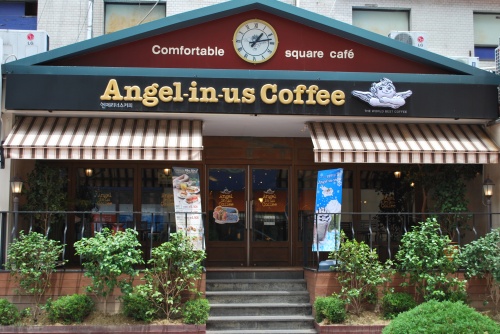
Political and Apolitical Reasons for Drinking Coffee in Korea

When I wrote the article about the “Café Revolution in Korea,” I did not go into a sufficient consideration of what is driving this craze for cafes. I would say that they make no economic sense. There seem to be cafes sprouting up on every corner and in the case of the road leading up the Kyung Hee University, I would go as far as to say that it is almost wall to wall coffee shops, many empty.

Read more

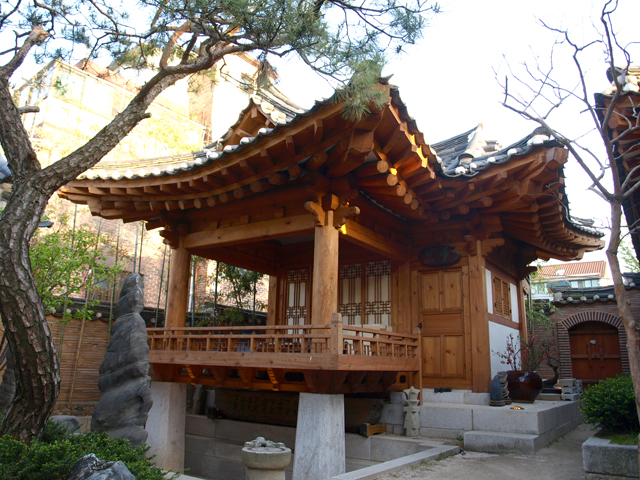
“The Critical New Role of the Traditional Hanok House” (essay by Emanuel Pastreich)

 The Critical New Role of the Traditional Hanok House

Emanuel Pastreich

9 May 2012

At a time that Koreans are playing such a critical role in the most advanced fields of technology, biotechnology, electronics, new materials and nano technology, there is one field of technology in which Korea has been losing ground and that has potential to be a billion dollar industry with profound implications for Korea’s global standing.

That field of technology is the traditional skills of carpentry and design associated with the building of the traditional Korean hanok house  (한옥).  Although few youth would consider this field of technology from the past as interesting career in an age in which new fields of science are opening up, a strong argument can be made that a massive investment in the technology of the hanok house is exactly what Korea needs at this point in its economic development.

Read more

“I can’t believe how stupid American voters are!”

I cannot count the number of times that I have heard friends, people from a background similar to my own, remark to themselves, after an election, or just in an idle moment, “I can’t believe how stupid American voters are!” The assumption behind such comments is that ordinary Americans stupidly vote for the demagogues who lie to them so blatantly and that such pathetic behavior is shocking. Also implied by the comment  is that we, we cultivated and educated Americans, can see so clearly through the falsehoods and we are much superior to such people.

Read more

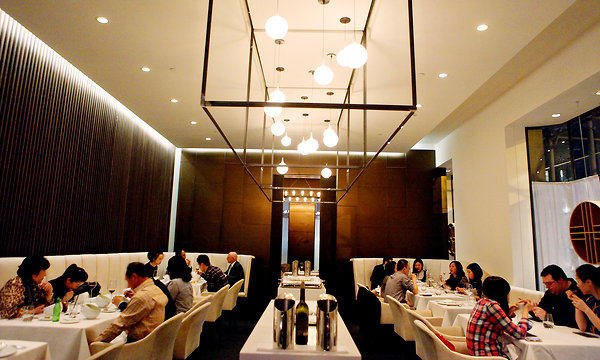
New York Times article on up-scale Korean restaurant in New York

Following immediately on the New York Times article on bibimbap as a happening health food comes this article describing a Korean restaurant in Manhattan called Jungsik that has carved a new space in Korean cuisine for those in the know.


The article resembles reviews of upscale sushi houses from the 1980s and is a major shift in Korea’s cultural currency. Just looking at the photograph gives some indication of how far Korea has come.

Read more

Kyung Hee University’s Founder: Dr. Young Seek Choue (1921-2012)

Young Seek Choue (1921-2012)

Dr. Young Seek Choue was one of most remarkable figures of the post-Korean War period. A man who devoted himself to a vision of peace and education in an age when most Koreans were concerned with the basic challenges of survival and economic development, Dr. Choue was above all a visionary, a man who established and built Kyung Hee University while remaining engaged in a far-sighted plan to “build a civilized world.” He started this project at a time when most Koreans were struggling to feed themselves. He imagined a global role for Korea, deeply engaged with the United Nations, that in the 1950s and 1960s seemed fantastic, but today, with Ban Ki Moon as Secretary General seems most prescient.

Read more