I have yet to see an article discussing the implications of climate change for North Korea. But the topic came up in a recent Asia Institute seminar with Vince Rubino, Matthew Weigand and I. If climate change, the global financial chaos, digitalization and the disorder stemming to domestic and international conflicts sweeping the world worsen in the years to come, there may be some unexpected consequences. Not the least of which would be the strengthening of North Korean power and influence.
“Strengthening of North Korean power? Wait a minute, Emanuel, what are you talking about? I thought North Korea was on the edge of collapse.
This article in Hello DD, the primary online journal for science and technology news related to the Daedeok Research Cluster in Daejeon, features our Daejeon, Three Rivers mug cup. The article mentions my own vision that having people look at this image of Daejeon’s ecosystem while drinking coffee each morning could transform their thinking.
Of course it is a joke, or mostly a joke, perhaps.
But as we witness the complete inability of humans to regulate themselves and embrace global projects that will start to address the problems of limited natural resources, globalization and climate change, we cannot help wonder whether humans are even capable of rising to the occasion.
When Albert Einstein wrote about world federalism in the 1950s, the facts were already clear: technology has moved so far beyond human’s ability to control that we need a global approach to assuring that technology is used responsibly and global war can be avoided. And yet, although the need for “world federalism” is even greater today, and the world is increasingly integrated by trade and the global exchange of information, if anything, humans are even less capable of coming up with global solutions.
Many people dismiss the call for global peace as an unrealistic dream of the naive. I do believe that we must uphold high ideals if we hope to achieve anything in this world. But at the same time, there is a practical reason why we cannot afford to contemplate war any more. The cause is none other than the unprecedented acceleration in the rate of technological change.
Portrait of the Chinese Ecologist Chen Minhao (陈敏豪)
I was a graduate student in Japan back in 1991, working on my master’s thesis at University of Tokyo and I had just started to think about returning to the United States for a Ph.D. program in East Asian studies. I was particularly interested in Ming literature, because it had had such an impact in Japan during the 18th century—my field of specialization. In my search for good graduate programs, I had been introduced to University of Indiana, specifically to Professor Lynn Struve, a scholar of Ming/Qing history with whom I thought I might study with in the United States. I wrote to her and learned that she would be spending the summer in Shanghai at Fudan University. I quickly bought a ticket and made an appointment to stay at the
It is one of the terrible ironies of this moment that at the same time that we are seeing reports that carbon dioxide emissions jumped 6% between 2009 and 2010 (with the United States and China leading the pack as linked economies), military budgets for traditional warfare are skyrocketing. People seemed to be still deluded into thinking we will fight the next war with missiles and aircraft. The climate war is here, but we are unprepared.
The solution is not to ask ministries of defense to cut their budgets and dedicate that money to planting trees. We all know that as good as the intention may be, such an approach will never work. The only solution is to redefine the concept of “security” and increase the amount of spending within defense ministries on environmental issues. Innovative countries like Korea are capable of making the transition. The only question is whether they can do it quickly enough.
Some individuals may disdain the idea of working closely with the military or “militarizing” the issue of the environment. I would argue that we really do not have any choice at this point.
Our house still has mosquitoes at the beginning of November. They come up through the water pipes. I stopped by a neighborhood pharmacy and asked if they had insect repellent.
“No,” said the store owner, “We don’t have anything left.”
The "Daejeon: Three Rivers" Logo that Emanuel Designed for the City of Daejeon.
Much of my work on the environment in Daejeon had to do with reimagining the city as an Eco City. I felt strongly, as do many of the citizens of that wonderful city, that until an awareness of the city as an eco city set in, we cannot make much progress. That is to say that Daejeon must be completely redefined as a cultural space. Such a development can take place as an extension of its status as a science park, of course.
We put together a wide range of proposals for the city as an eco city through the Daejeon Environment Forum back in 2009. Several, including the proposal for bike paths, received considerable attention. See here for more detail.
We also learned that implementation is another matter. Until the concept of “Daejeon” shifts, the importance of a massive investment in the environment will be obscure.
I designed this logo for Daejeon about a year ago and only today did it come out on a coffee cup. The logo draws attention to the ecosystem of Daejeon. Daejeon means literally “wide field” referring to a large expanse of green level land surrounded by mountains that makes up the region.
That space is defined by three rivers: the Gapcheon, the Daejeon Cheon, and the Yudeung Cheon. In fact, until the 1980s, the term “Three Rivers” 삼천 三川 referred to a large district in Daejeon. That underlying ecological formation, the true beauty of the city, has been obscured by the modernization process. Rediscovering it is essential to Daejeon’s, and Korea’s, future.
In addition, the logo features the expression “Daejeon Three Rivers” in English, Korean, Chinese/Japanese, French and Thai as a representation of the international nature of the city today. The three rivers flowing together also defines the cultural and global role of our beloved city.
We will have a new set up mugs out soon and encourage you to order some. We hope that all the major cafes in Daejeon will use these cups in the near future so as to promote such a new vision.
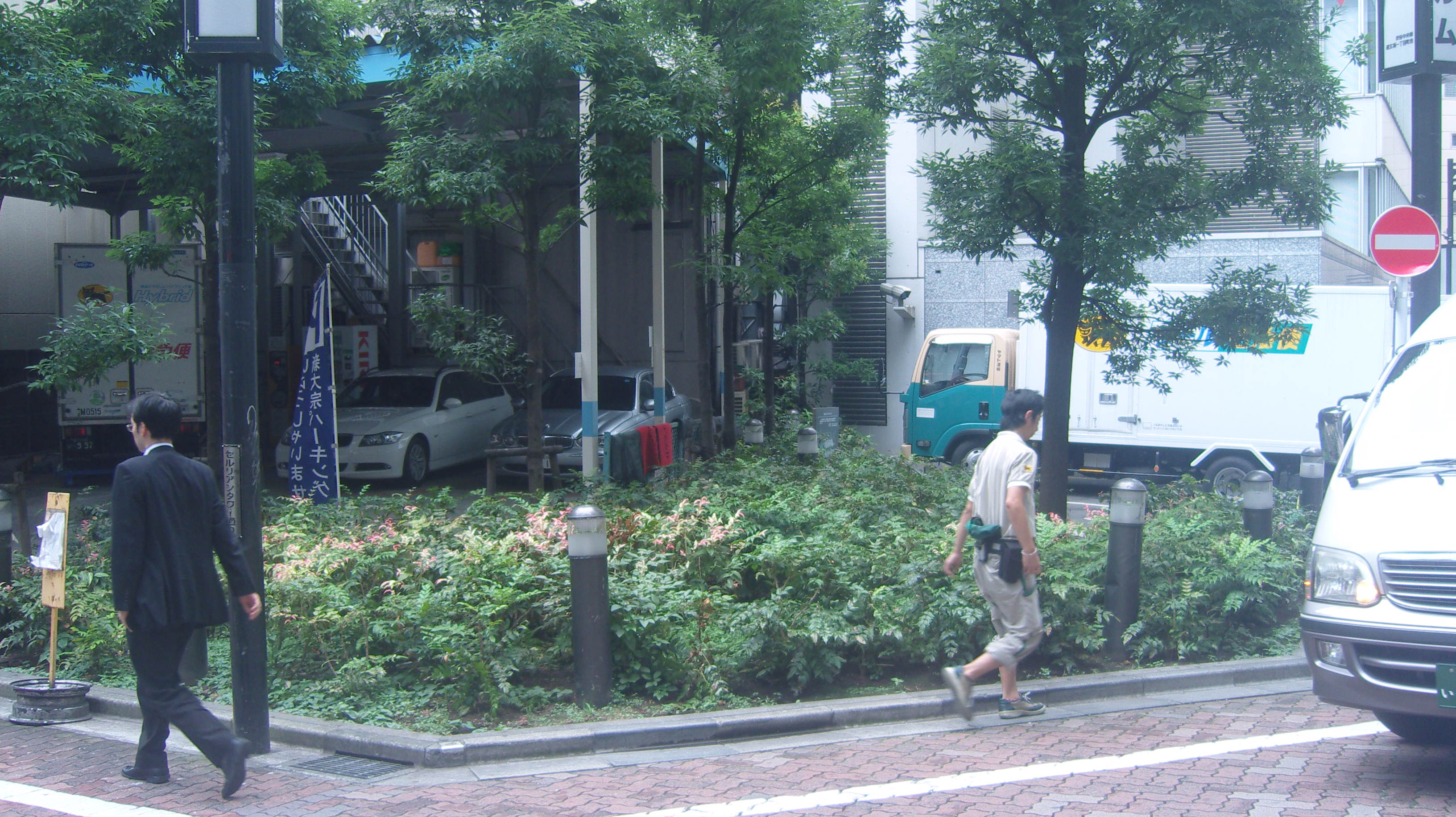
During my recent visit to Japan to attend a meeting at RIKEN and see a few friends at University of Tokyo, I was quite impressed at the innovation I saw all around me in Japan. For example, a small bit of land in downtown Tokyo was converted into a very attractive natural space with flora that truly appeared wild.
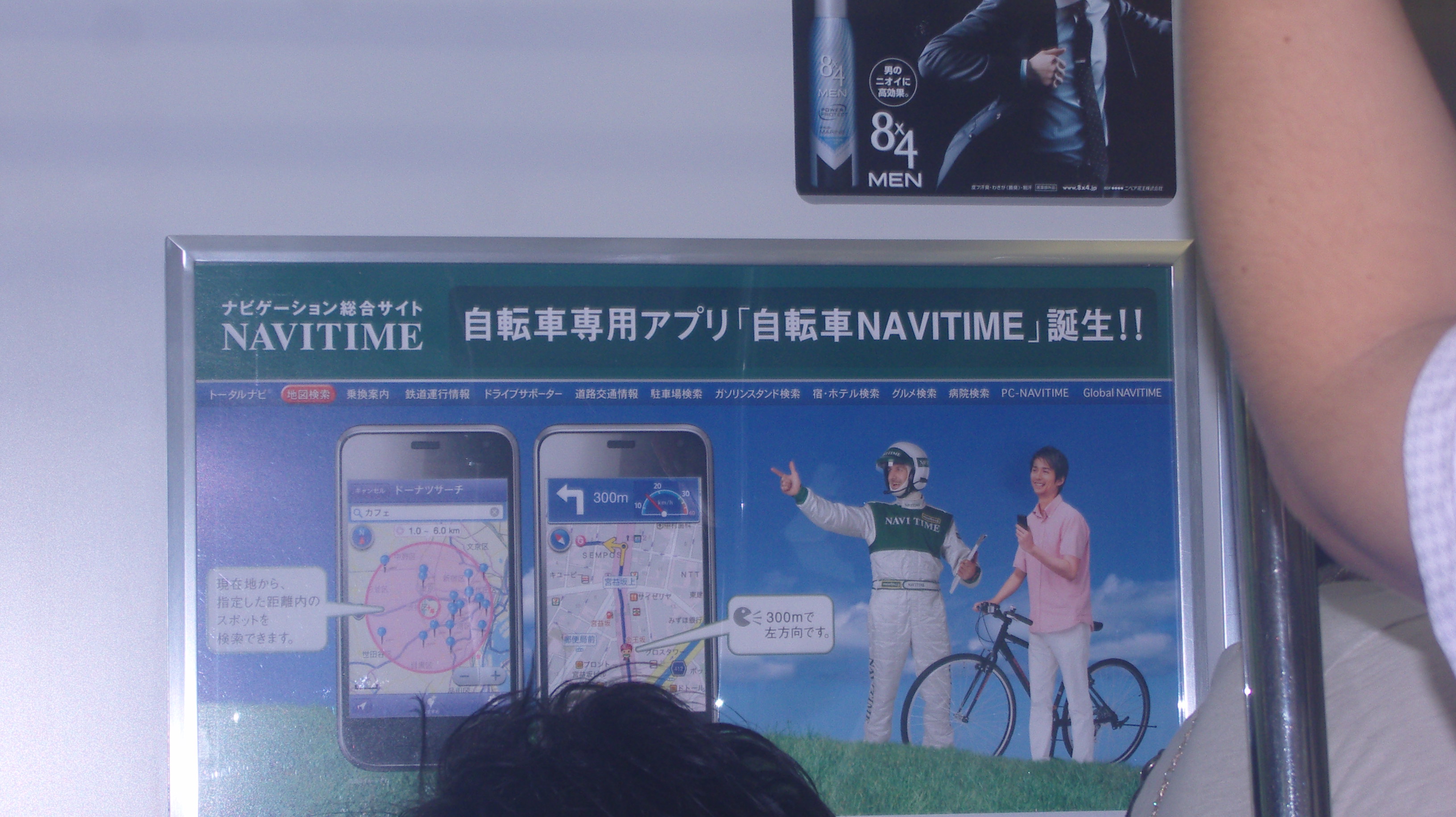
I saw an advertisement for a very innovative navigation system aimed at bicycle riders.
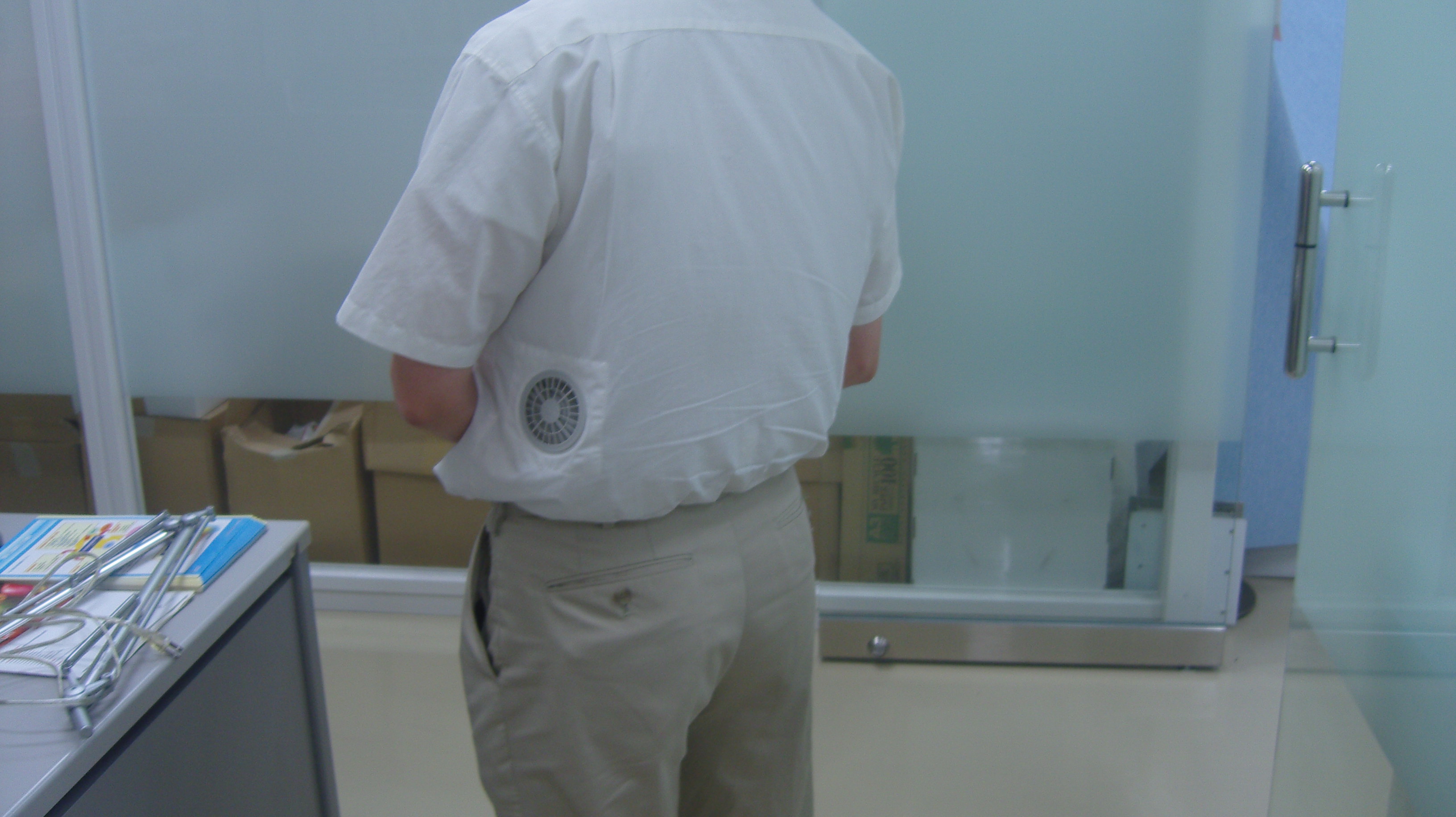
Dr. Isoshima at RIKEN was wearing a ventilated shirt that looked remarkably comfortable, with two small fans sewn in place.
In Wako there is an organic farm. This dispenser allows the local residents to sell their pumpkins to passersby.An empty lot in the Shibuya neighborhood of Tokyo is lovingly maintained as a natural space.A new system for navigation aimed at bicycle ridersHere is a ventilated shirt that my friend Dr. Isoshima at RIKEN was wearing the other day.
I wrote this article for possible publication in Nautilus Institute’s NAPSNET newsletter about three months ago. Several individuals who read the manuscript, however, noted that my understanding of the technologies involved was mistaken and also suggested that I had not properly assessed the accident because of rather unreliable materials available on the internet.
I decided not to publish the article, but I do think the concept of an alliance for cooperation in the development of technologies to address environmental threats is worthy of consideration. I am placing the manuscript here in the hope that I may solicit the opinions of everyone.