The Korean Comic Book Misaeng (“Misaeng” (未生 “The one who has not lived yet”) : War of attrition in the corporate office

Korean comic books (“Manhwa” as opposed to the Japanese “Manga”) have increased their sophistication with incredible speed over the last five years. I do not read comic books as a rule, and my exposure is limited to the educational manhwa my children read at home. But when I saw an article about the new manhwa series “Misaeng” (未生 “The one who has not lived yet”) I had to have a copy. It is a remarkable work of art that deserves to be widely read and analyzed.

Misaeng, the work of Yoon Taeho (윤태호), describes the claustrophobic interpersonal relations between employees of Korean corporations, focusing on the banality of everyday life and the little struggles and tiny victories of survival in a corporate culture. The analogy that dominates the book is between life in modern society and the game of baduk   or “go” as it is known in Japanese.

Read more

Peace on the Peninsula through Art: Park Sidong’s Seokjangni Art Museum on the DMZ

Peace on the Peninsula through Art

Park Sidong’s Seokjangni Art Museum on the DMZ 

I first visited Park Sidong’s remarkable   Seokjangni Art Museum on the DMZ in March, 2012 after attending a seminar held at a military outpost overlooking North Korea. I was on a panel with artists and scholars discussing how an innovative residency for artists held right on the DMZ could serve as the first step towards bringing peace to the peninsula. The idea struck a chord with me. Could it be that rather than holding yet another seminar or writing yet another op-ed, just having artists practicing art could help facilitate the cultural and ideological shifts required to move beyond the current stalemate? I think there is that  chance.


The sculpture greeting the visitor


Read more

Lively discussion of cultural production in China and Korea

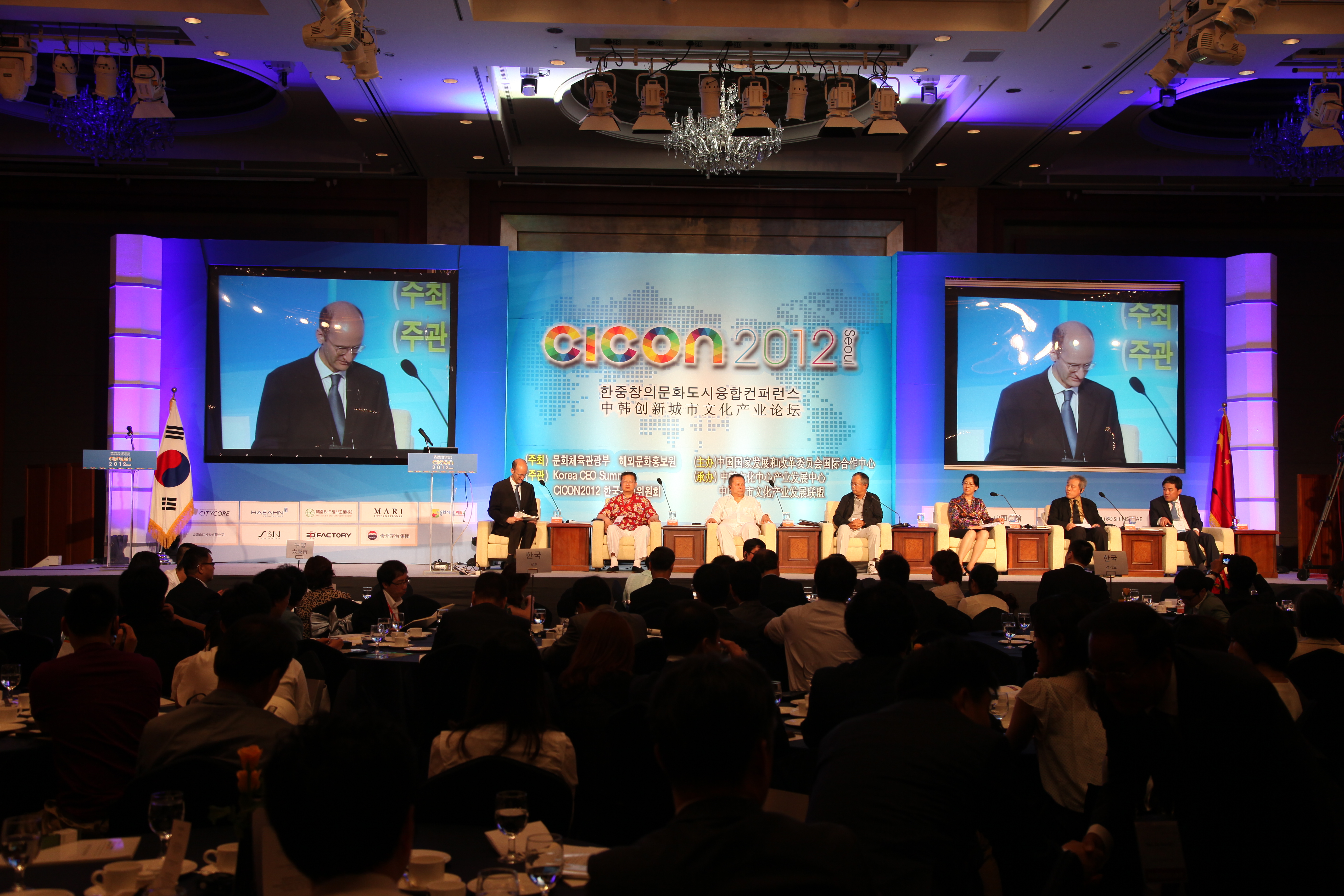
Emanuel was the MC at CICON (China-Korea International Conference on Cultural Innovation Cities; 한중창의문화도시융합컨퍼런스;
中韩创新城市文化产业论坛) on June 22, 2012. This conference, part of a series of events commemorating the twentieth anniversary of the normalization of relations between China and Korea, brought together important  figures from the arts of Korea and China for a thoughtful discussion of he future of cultural cooperation between the two countries.

Emanuel makes opening remarks at CICON.

Read more

More of Korea’s educational comics “manhwa”

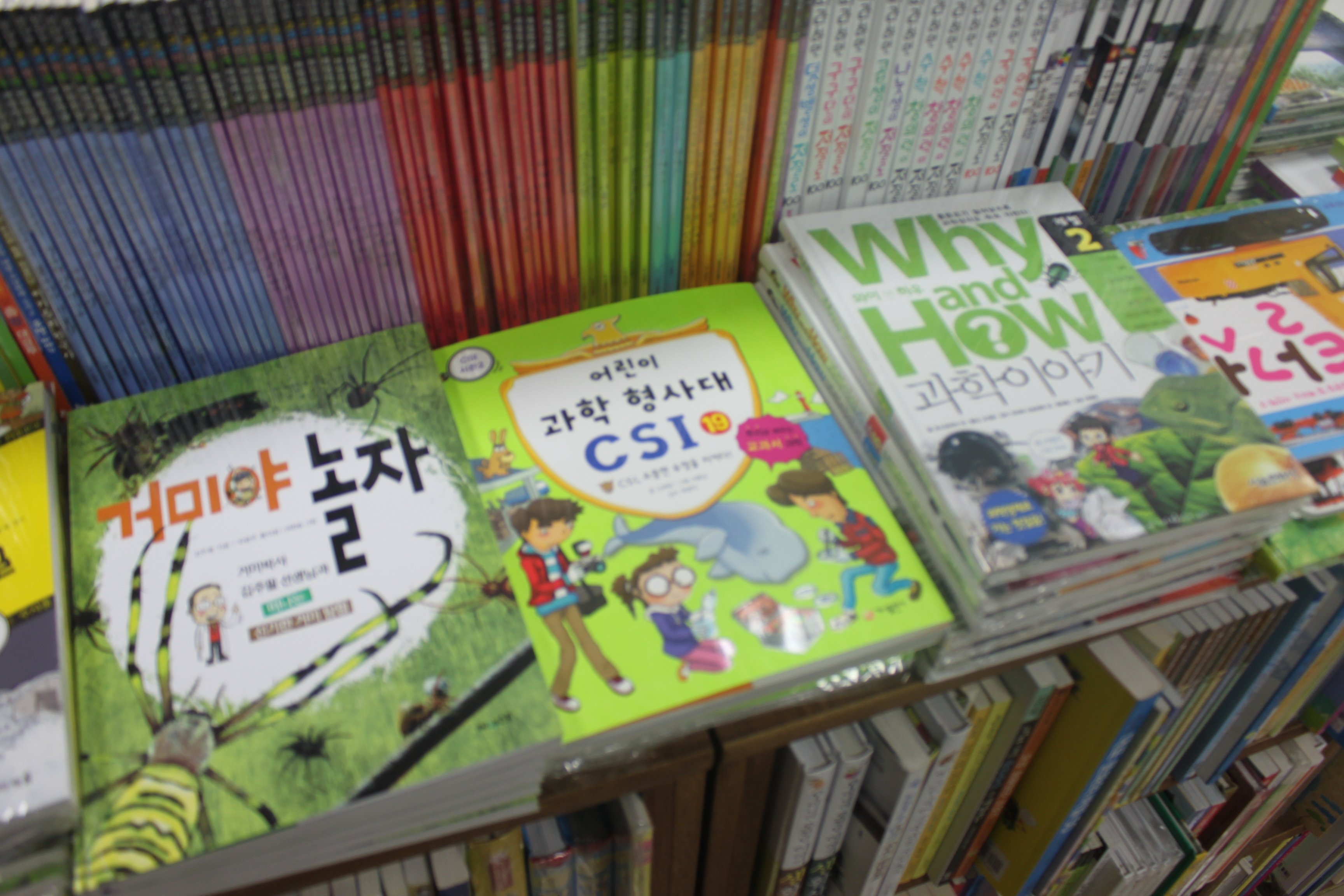
Here are a few more interesting educational comics, “manhwa,” from Korea.

These three comic books are devoted to investigating the world around us. “Spider, Let’s Play” introduces the world of arachnids and insects. “Science Investigation Team CSI” has the reader he is a detective solving mysteries of the natural world and “Why and How” relates intriguing scientific facts in an accessible manner.

Read more

“The Critical New Role of the Traditional Hanok House” (essay by Emanuel Pastreich)

 The Critical New Role of the Traditional Hanok House

Emanuel Pastreich

9 May 2012

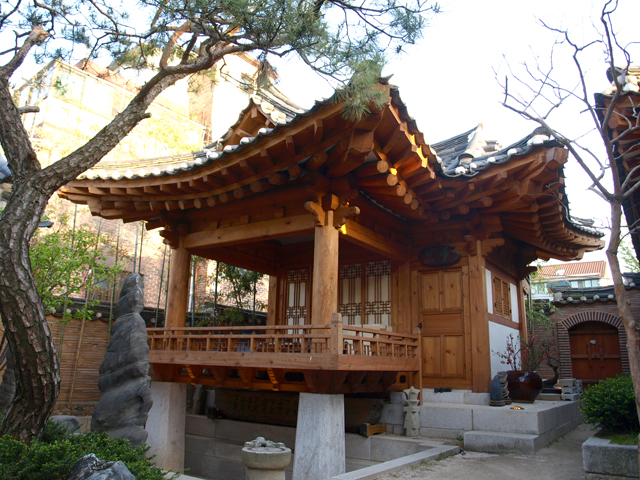
At a time that Koreans are playing such a critical role in the most advanced fields of technology, biotechnology, electronics, new materials and nano technology, there is one field of technology in which Korea has been losing ground and that has potential to be a billion dollar industry with profound implications for Korea’s global standing.

That field of technology is the traditional skills of carpentry and design associated with the building of the traditional Korean hanok house  (한옥).  Although few youth would consider this field of technology from the past as interesting career in an age in which new fields of science are opening up, a strong argument can be made that a massive investment in the technology of the hanok house is exactly what Korea needs at this point in its economic development.

Read more

Beijing’s future appearance?

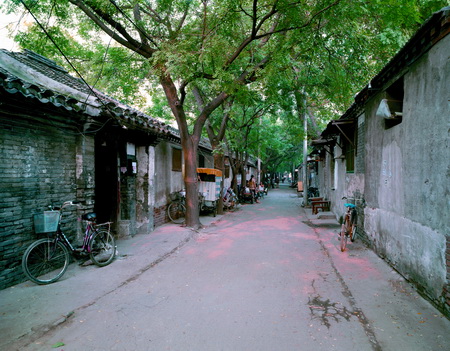
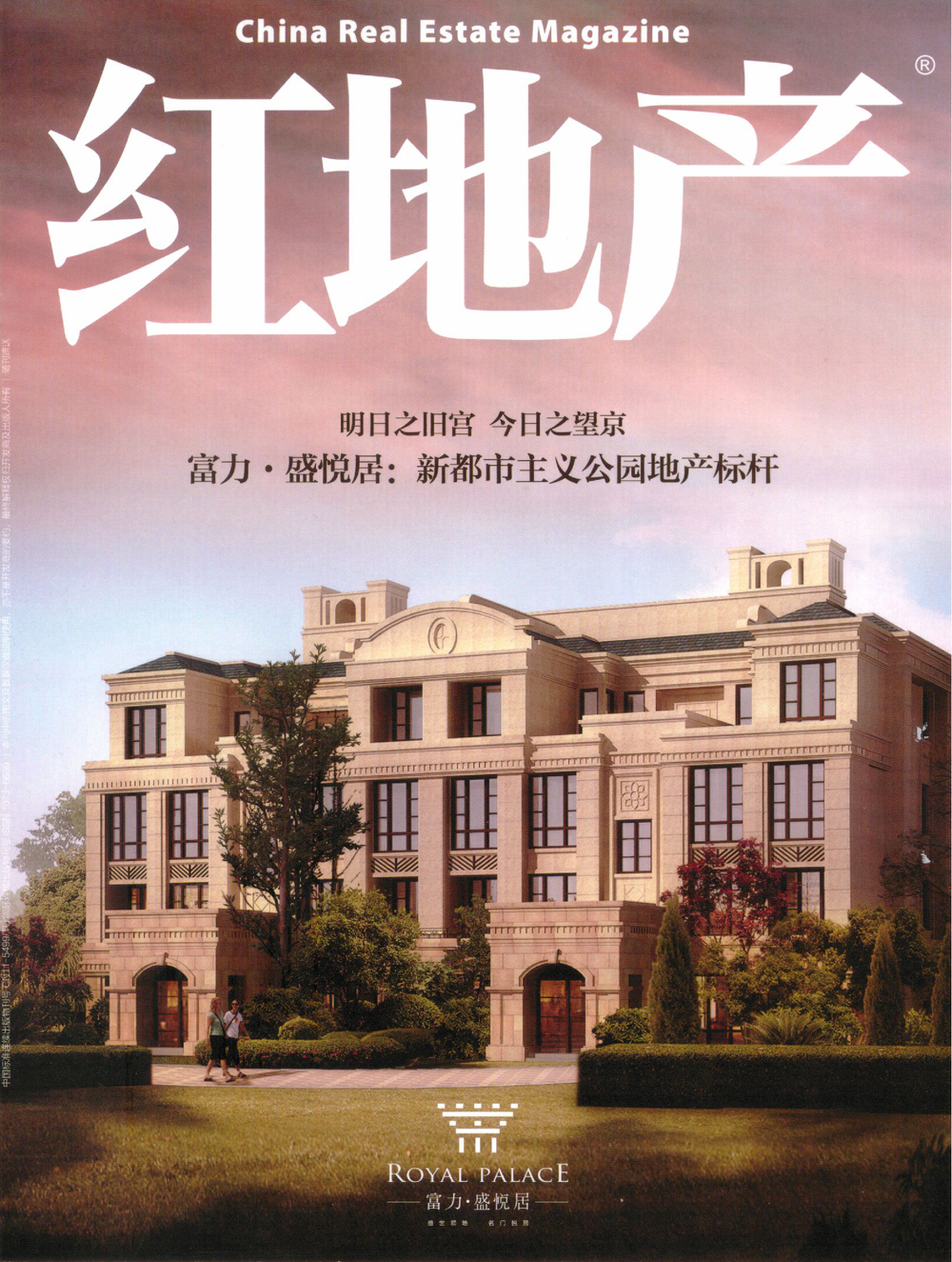
Beijing is one of my favorite cities. I recently visited as part of the Future Forest effort to fight desertification through the planting of trees. I picked up a fascinating booklet at that time that describes plans for extensive new real estate developments. Let us start by looking at traditional Beijing and its narrow alleys known as “hutong.” These hutong roads are rapidly disappearing as part of contemporary progress.

Read more

“DMZ International Peace Residency” Symposium

Emanuel will be a discussant on Saturday, March 17, 2012,  at a symposium concerning the “DMZ International Peace Residency” established adjacent to the DMZ near Yeoncheon by the Institute for Modern Art of Kyung Hee University.

Here is a short description of the event:

The Institute for Modern Art at Kyung Hee University, taking as its subject the “wound of global conflict” that defines the division of the Korean Peninsula strives to imagine how we can use culture and art to heal that wound.

Read more