우리딸은 매우 재미 있는 만화를 작성 했어요. 참고로
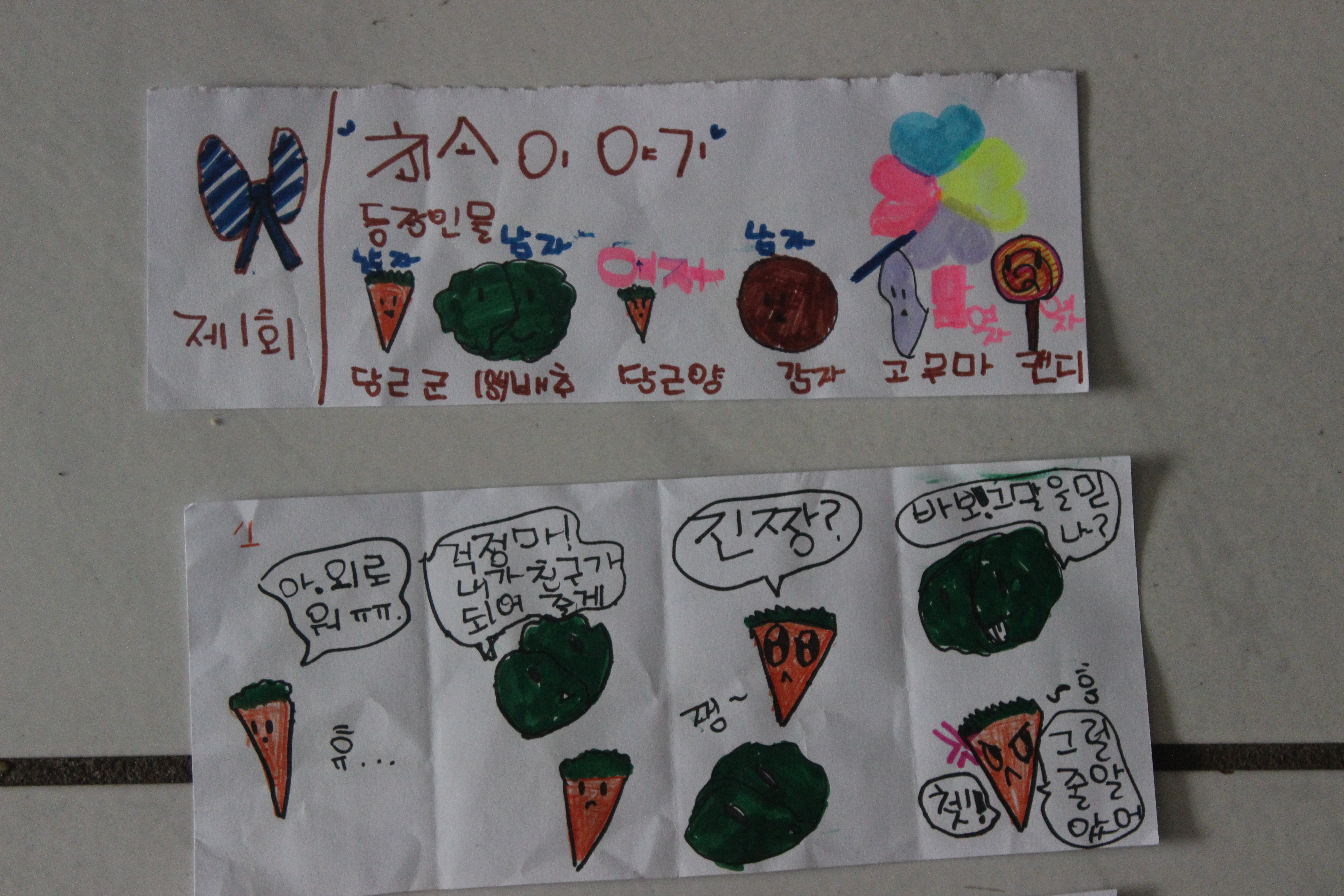
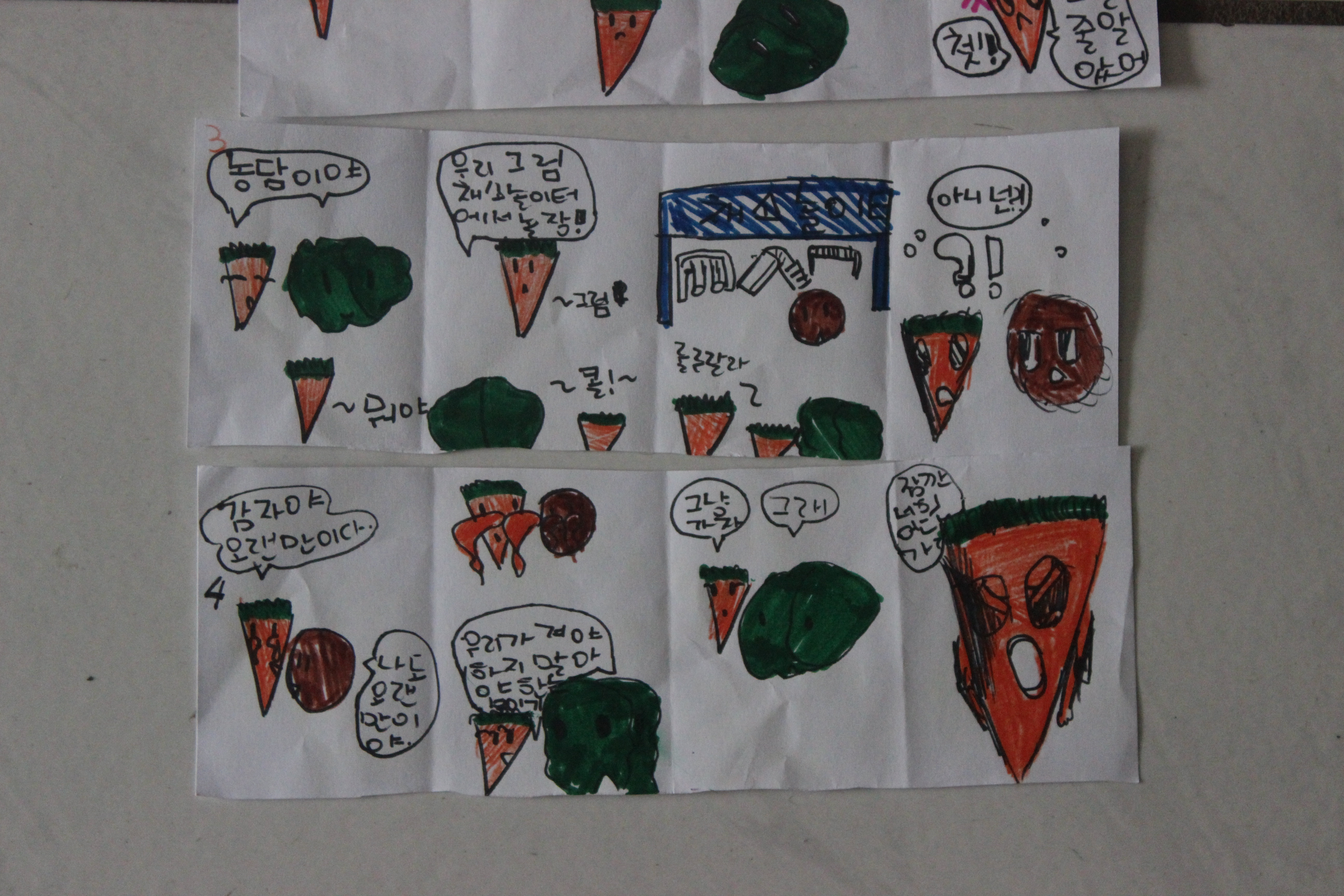
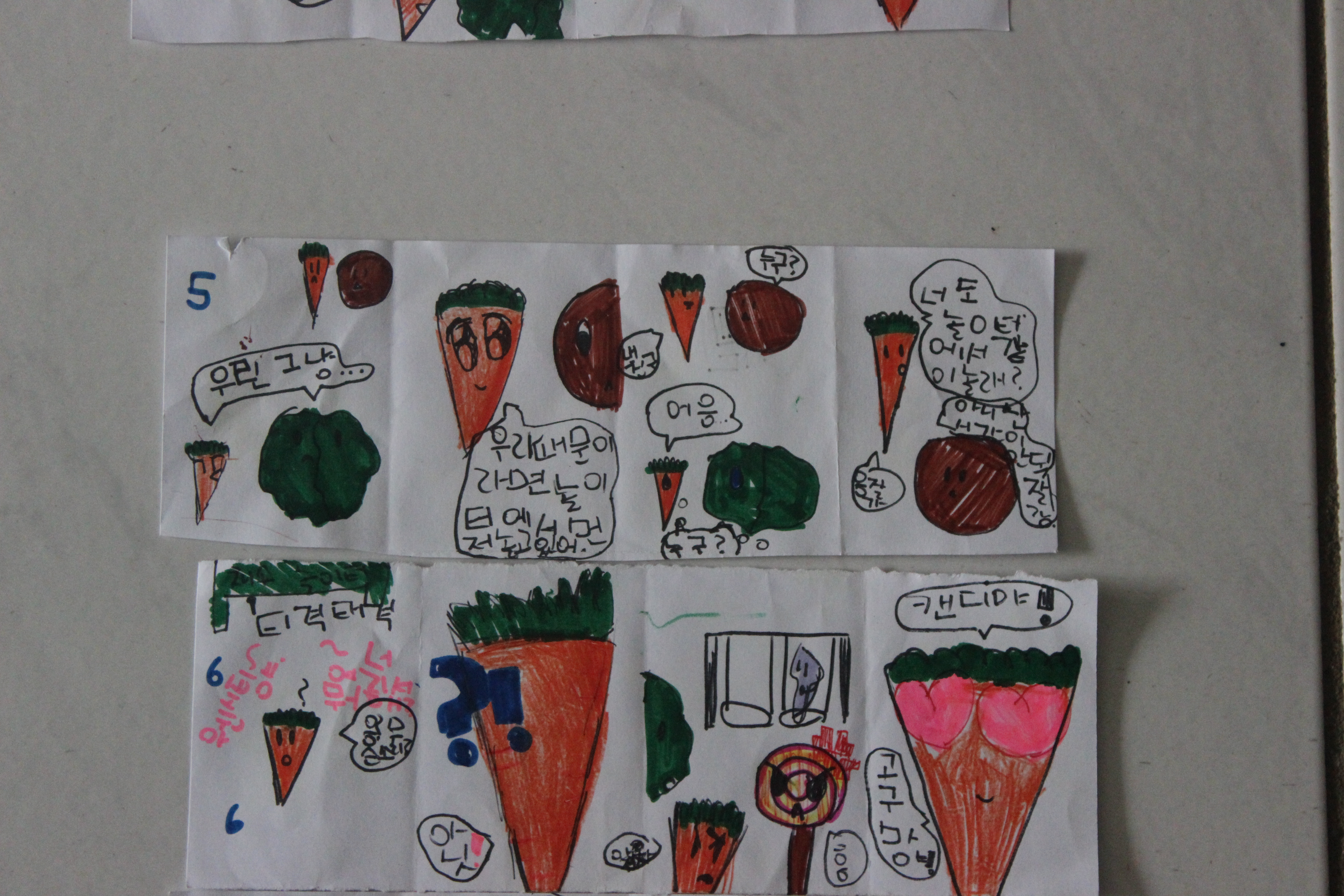
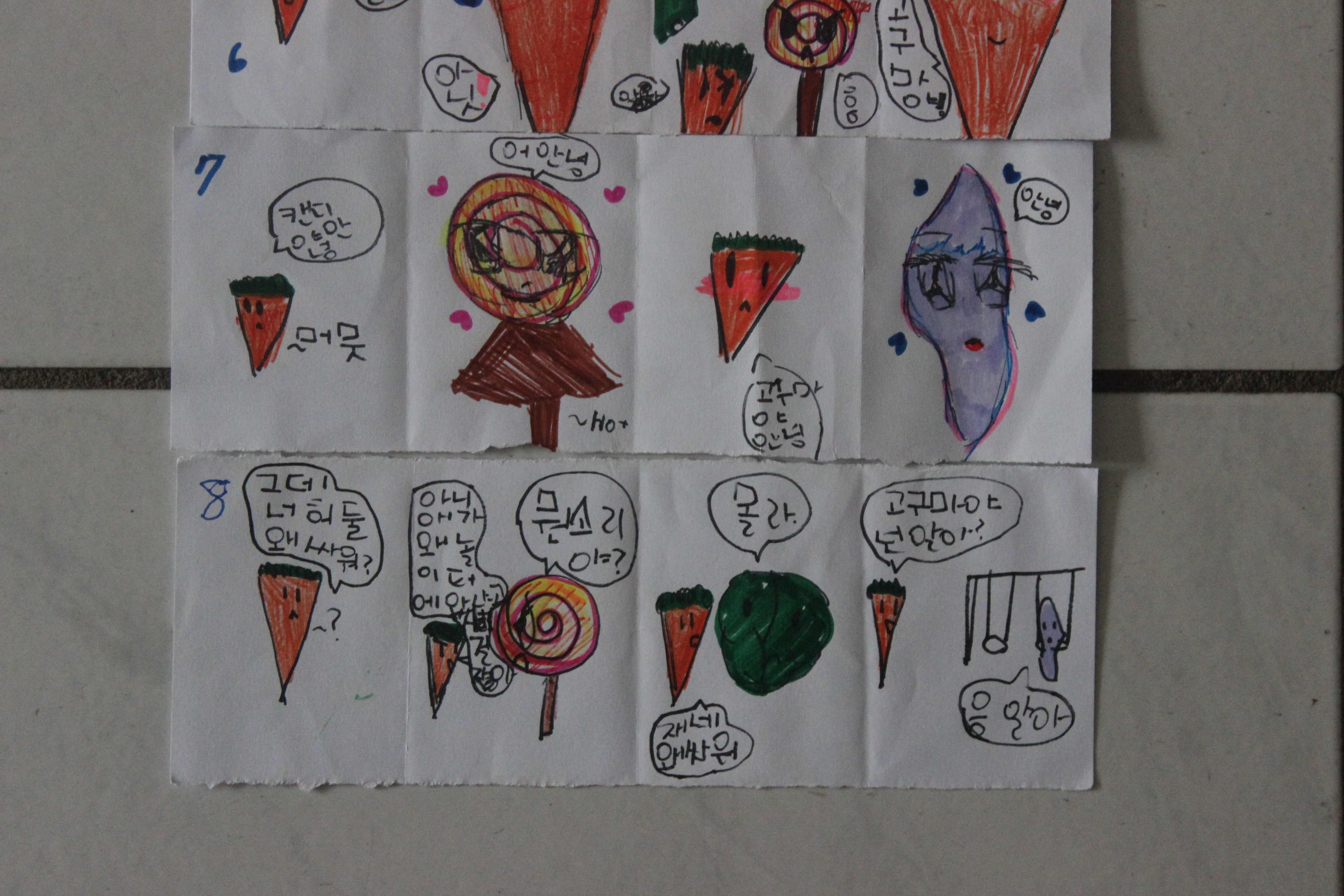
우리딸은 매우 재미 있는 만화를 작성 했어요. 참고로
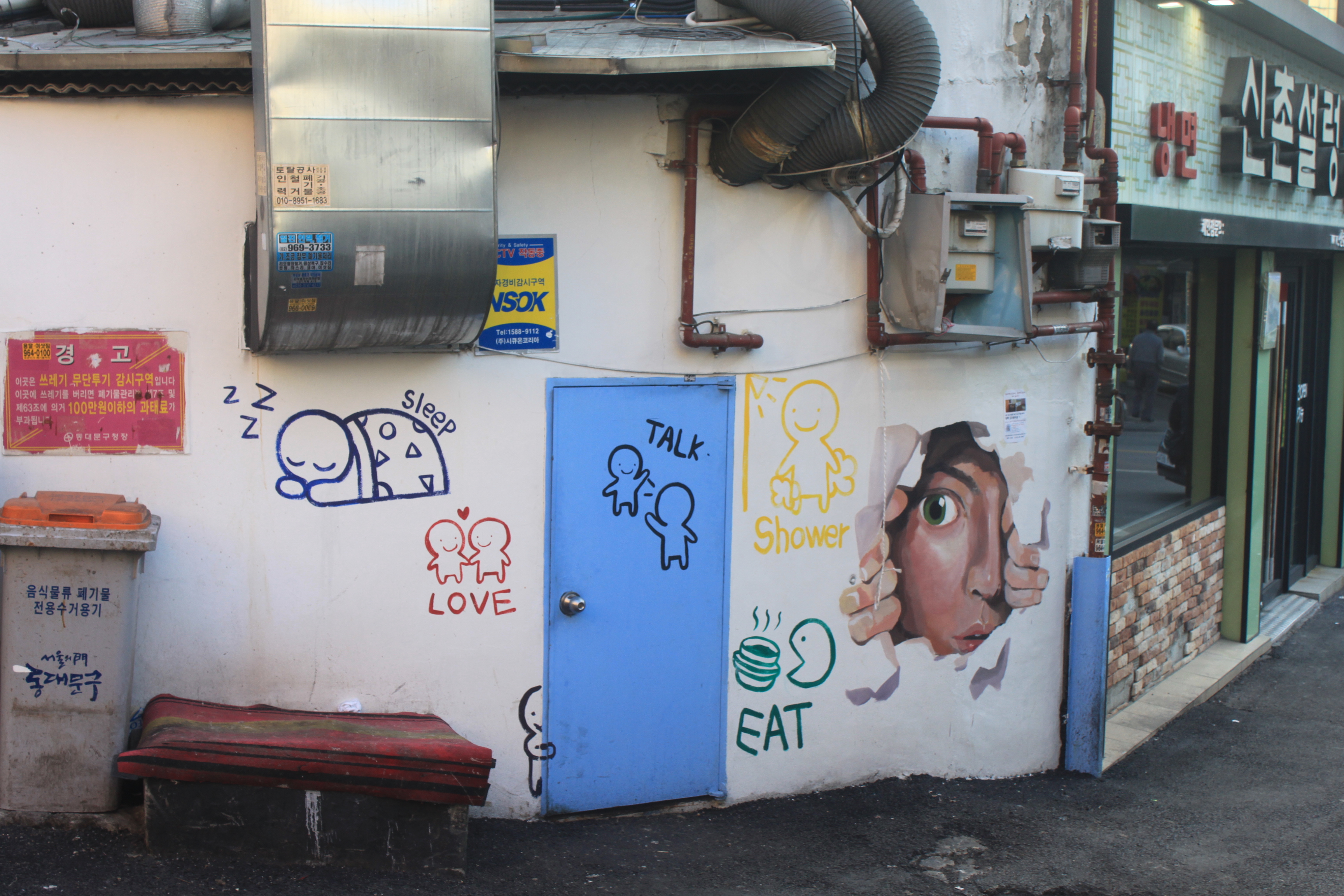
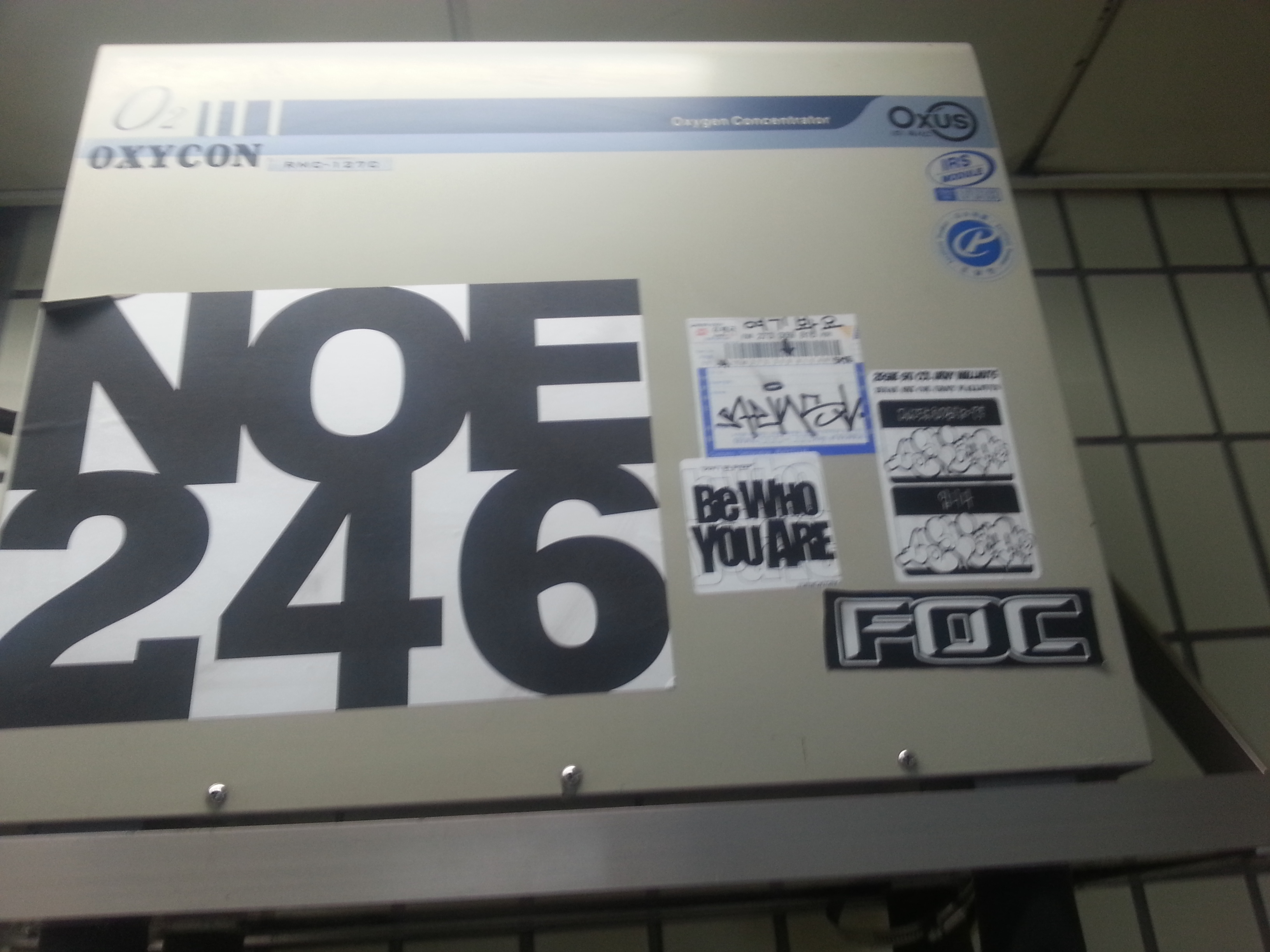
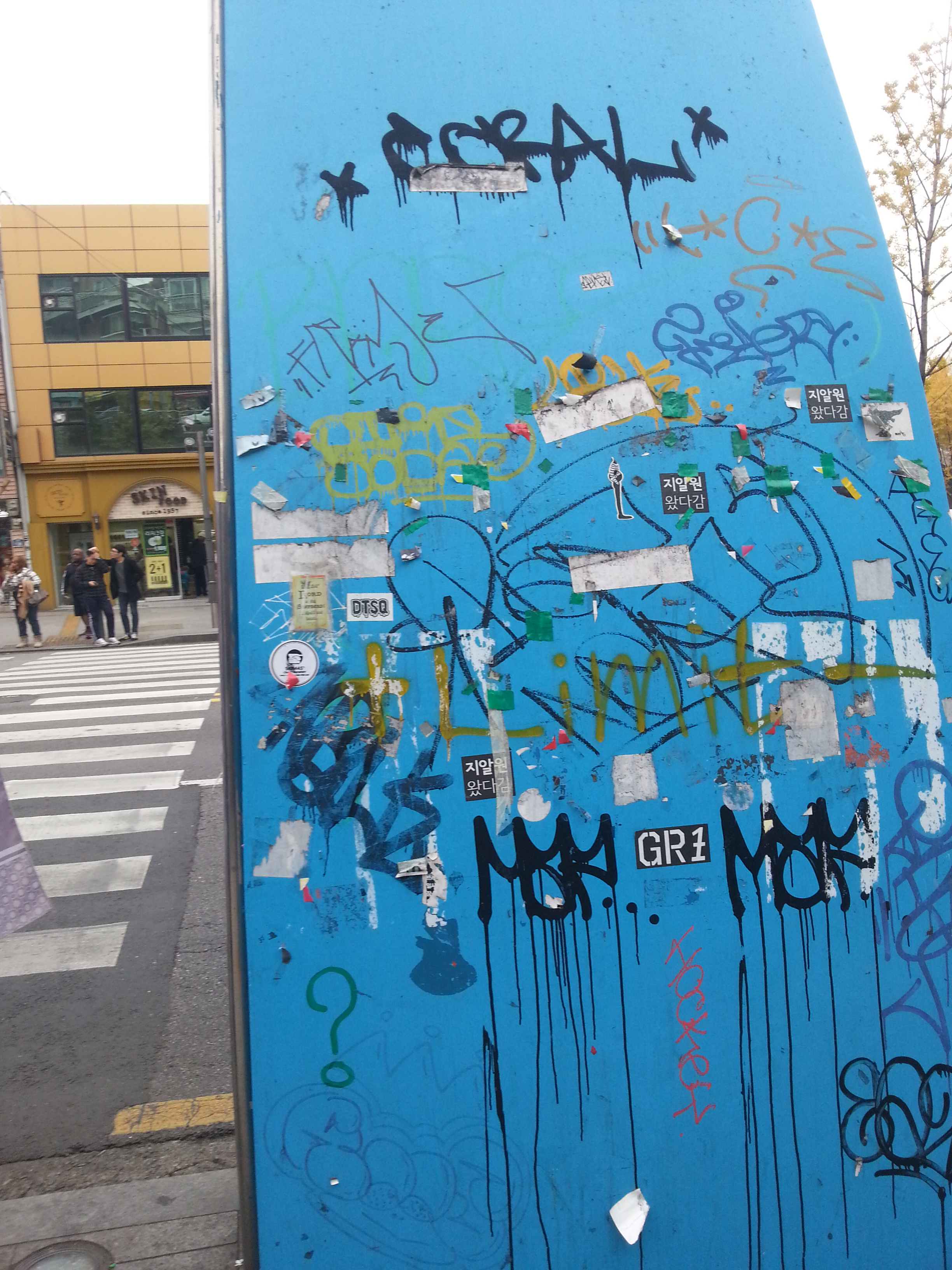
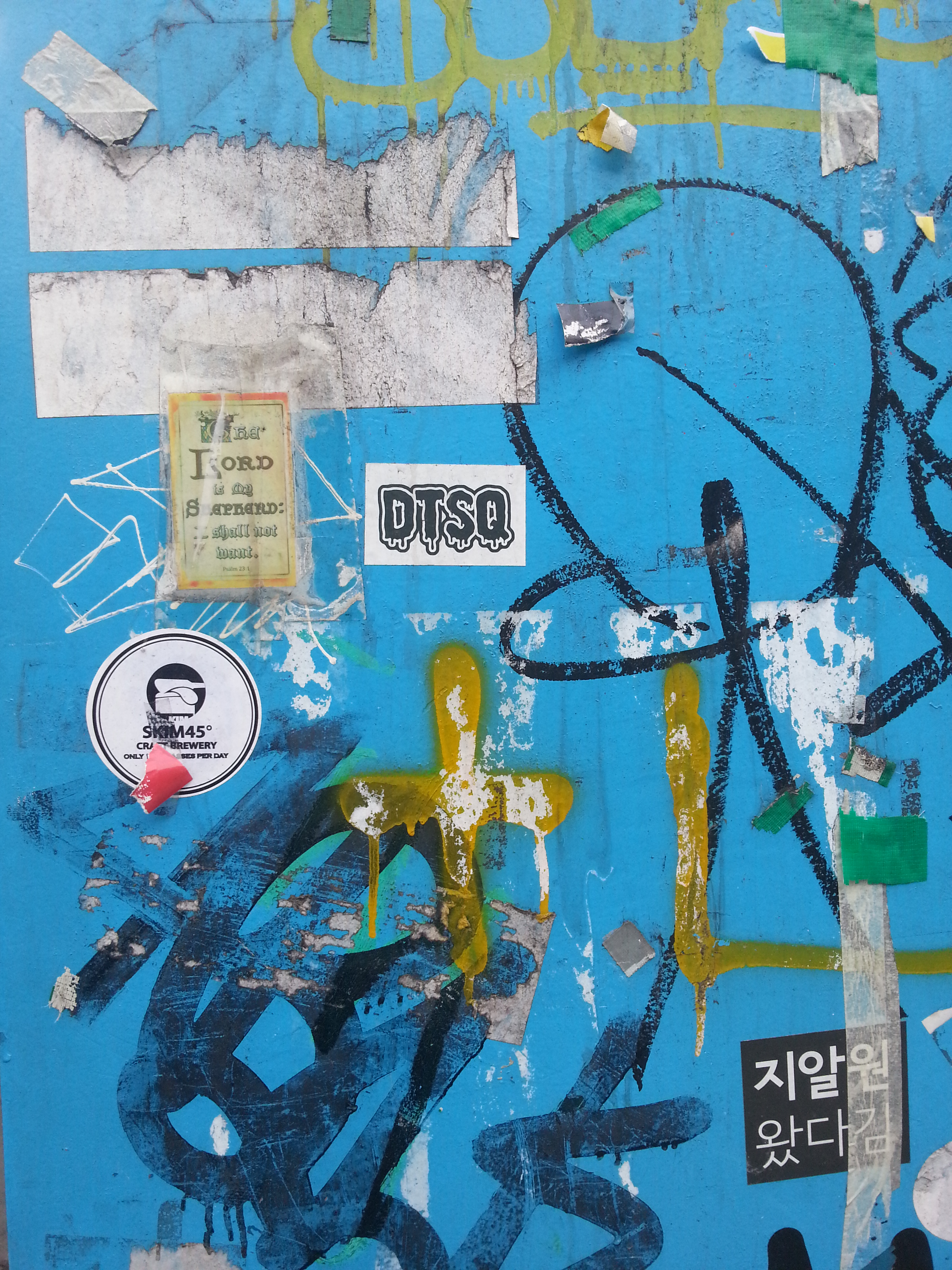
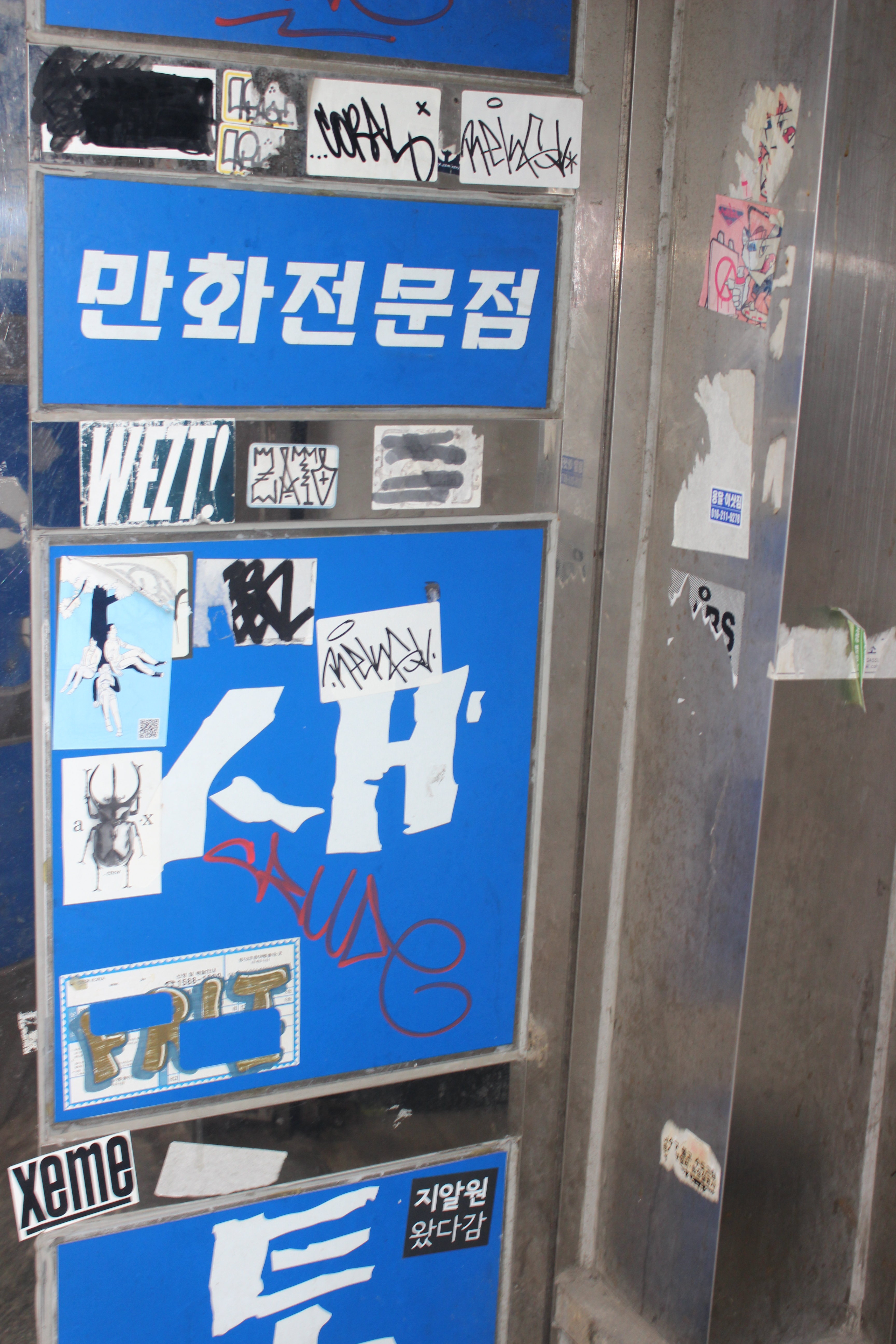
Graffiti in Seoul has its own aesthetics. Not sure what exactly makes the cryptic marks and stickers so compelling.

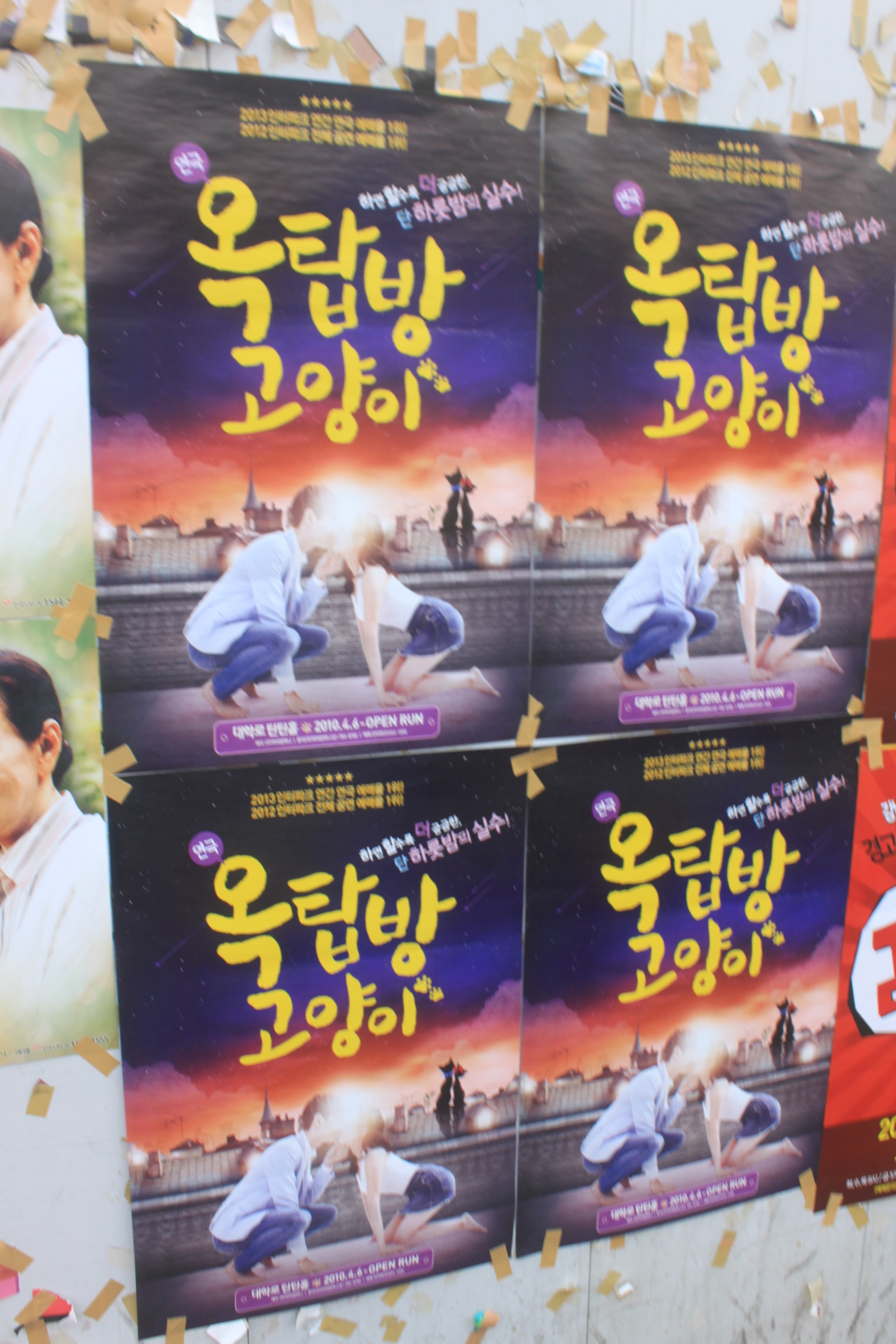
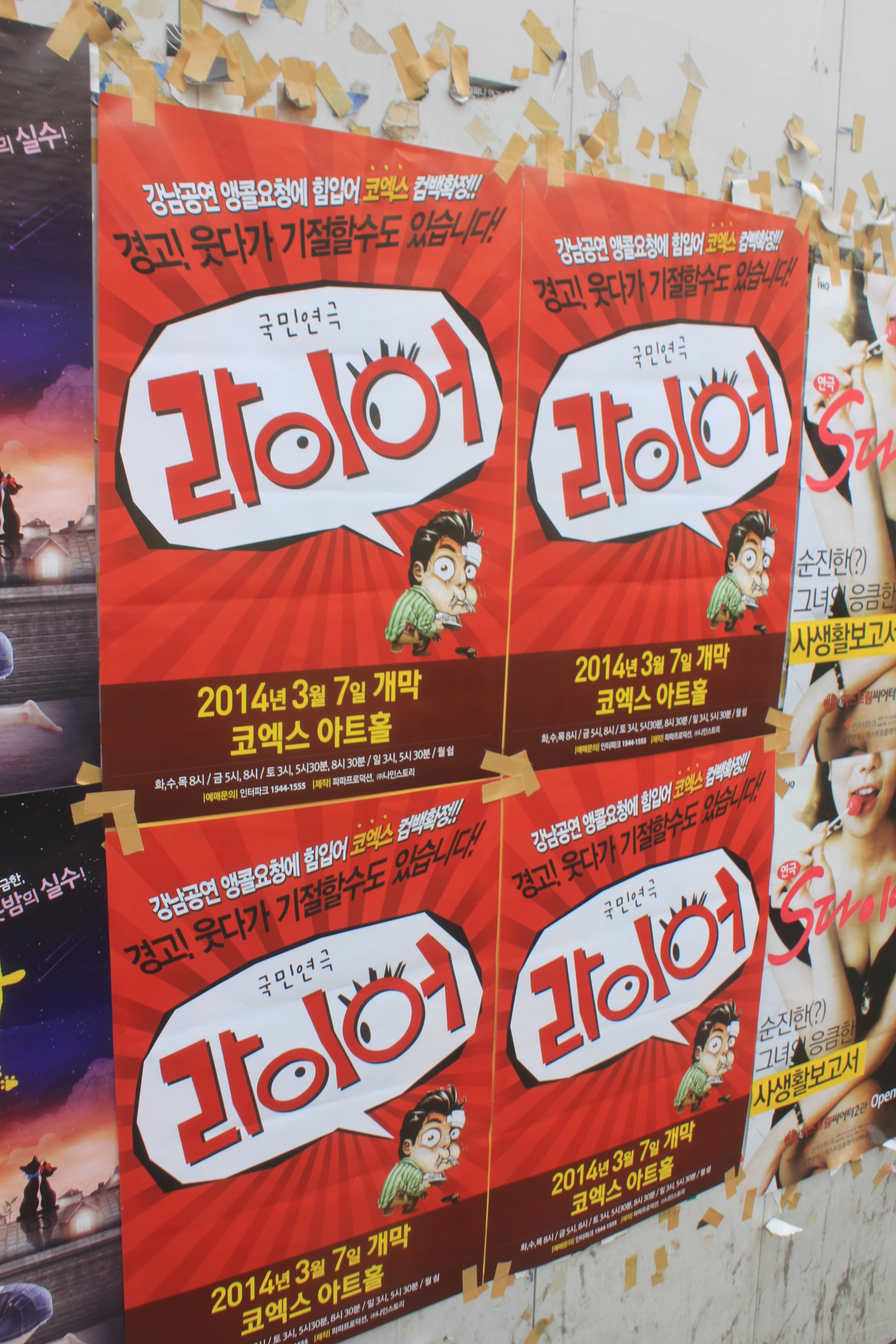
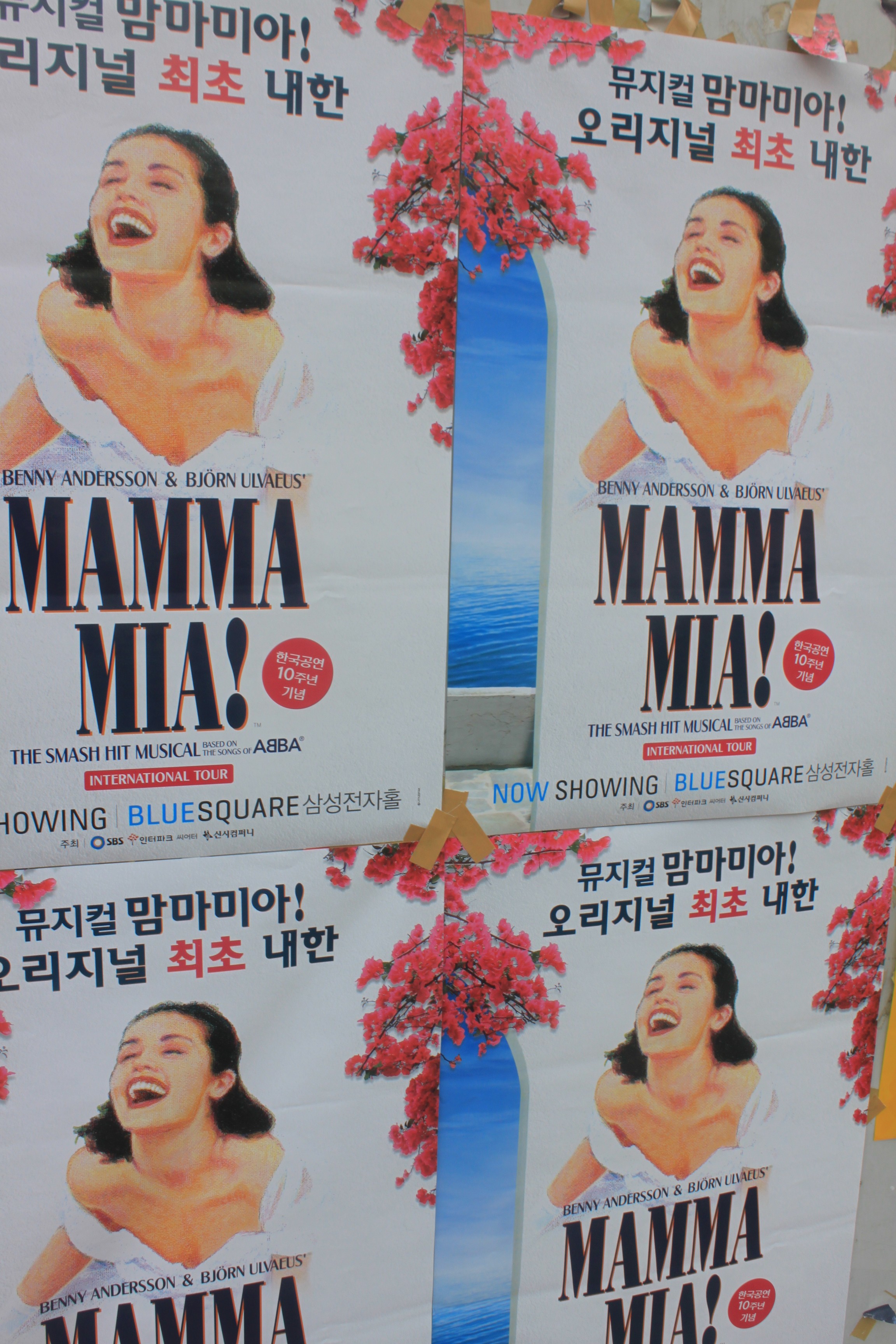
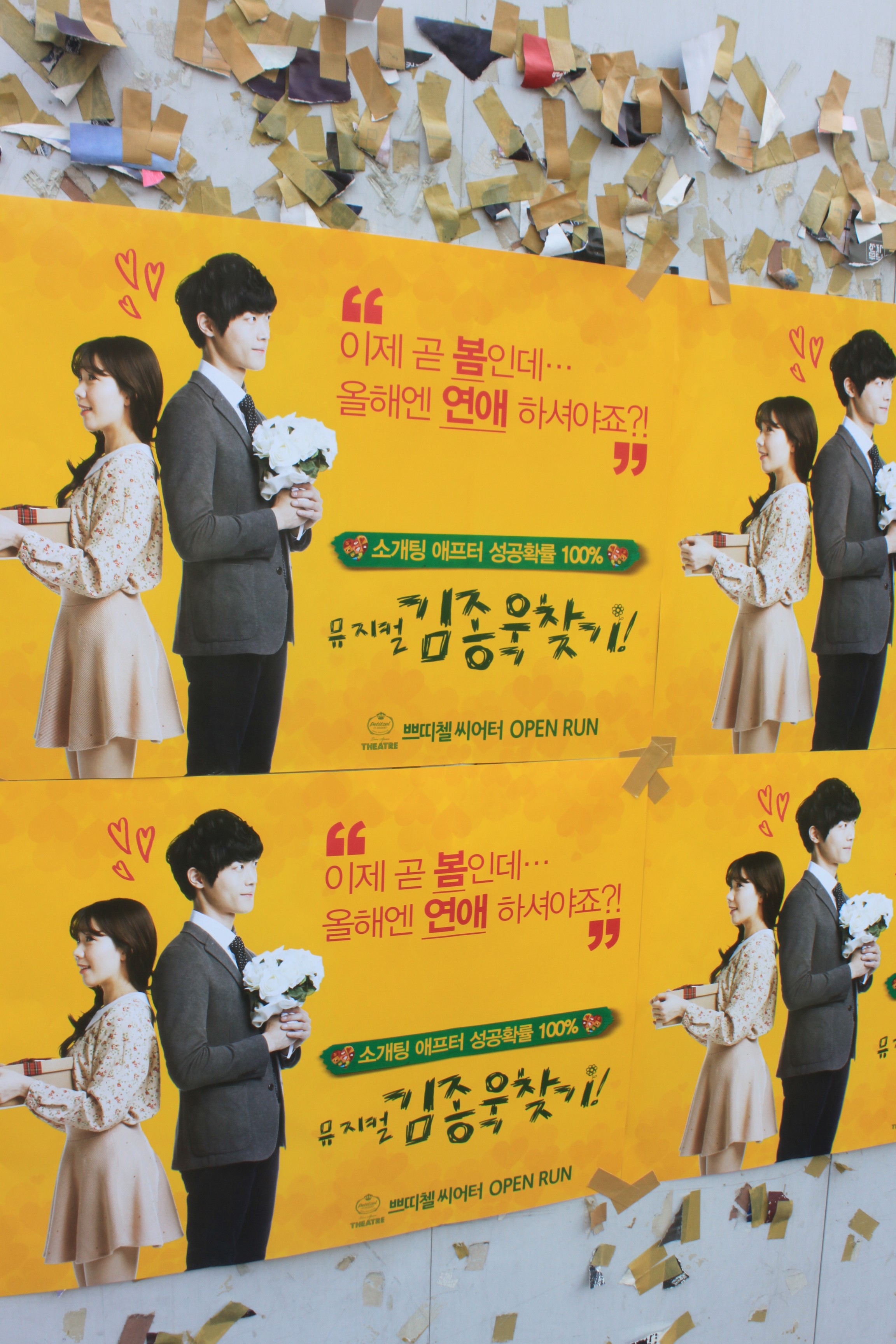
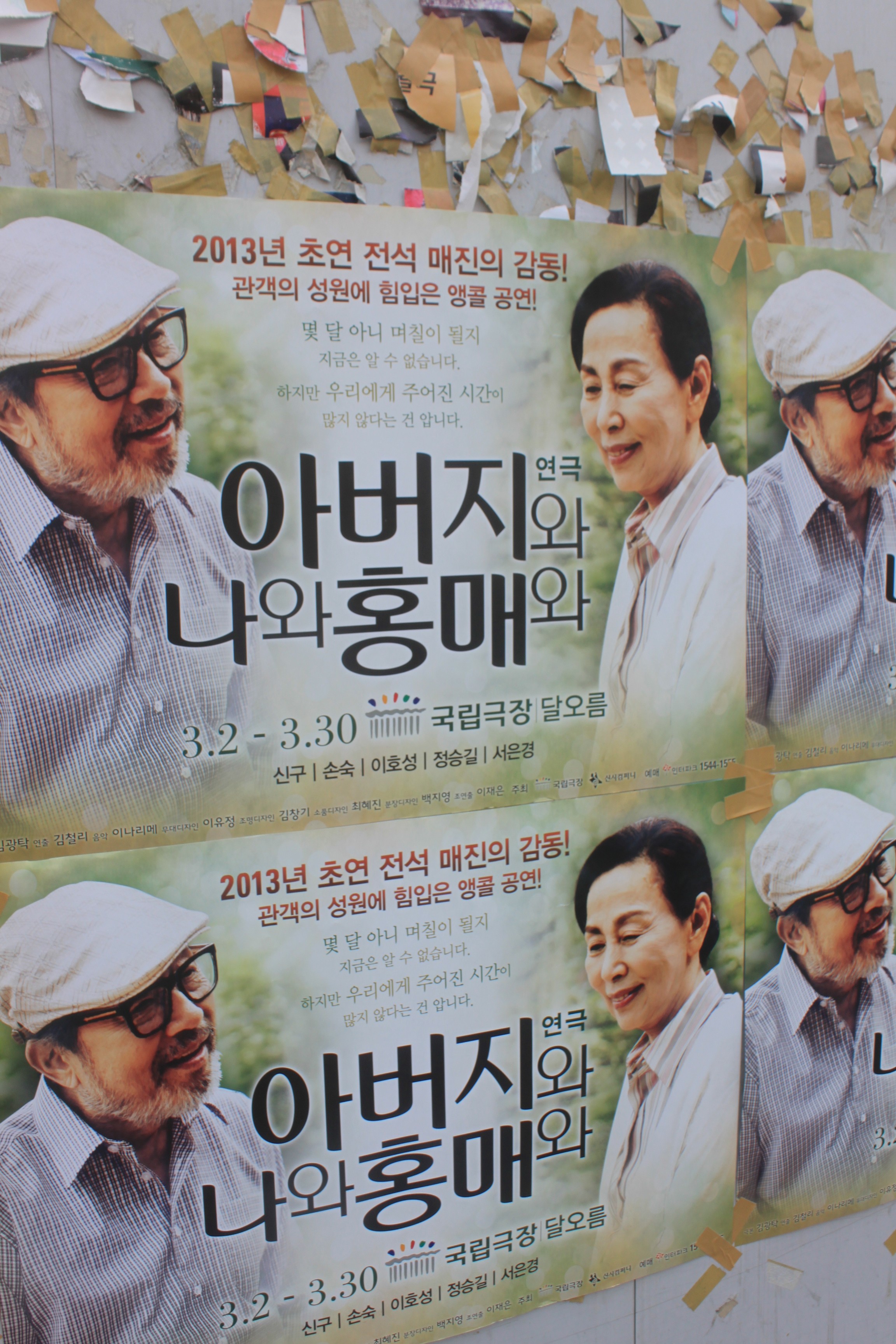
One fascinating aspect of Seoul culture is the vitality of the big stage musical. Seoulites are fascinated with musicals and see an attraction in them unlike most other cities. Many are imported from Broadway, but there are many homegrown versions as well. Here is a small selection of posters that I recently photographed.


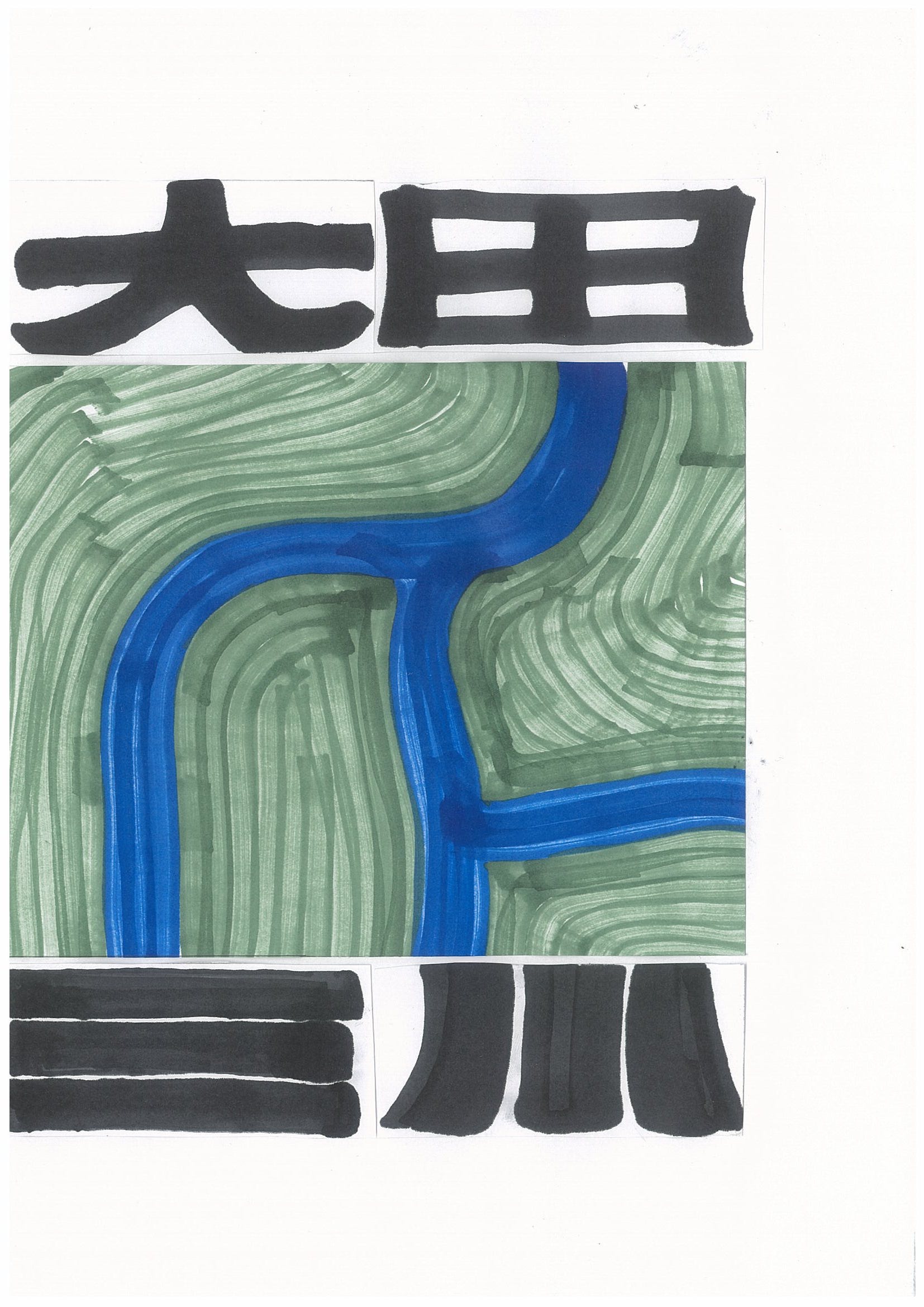
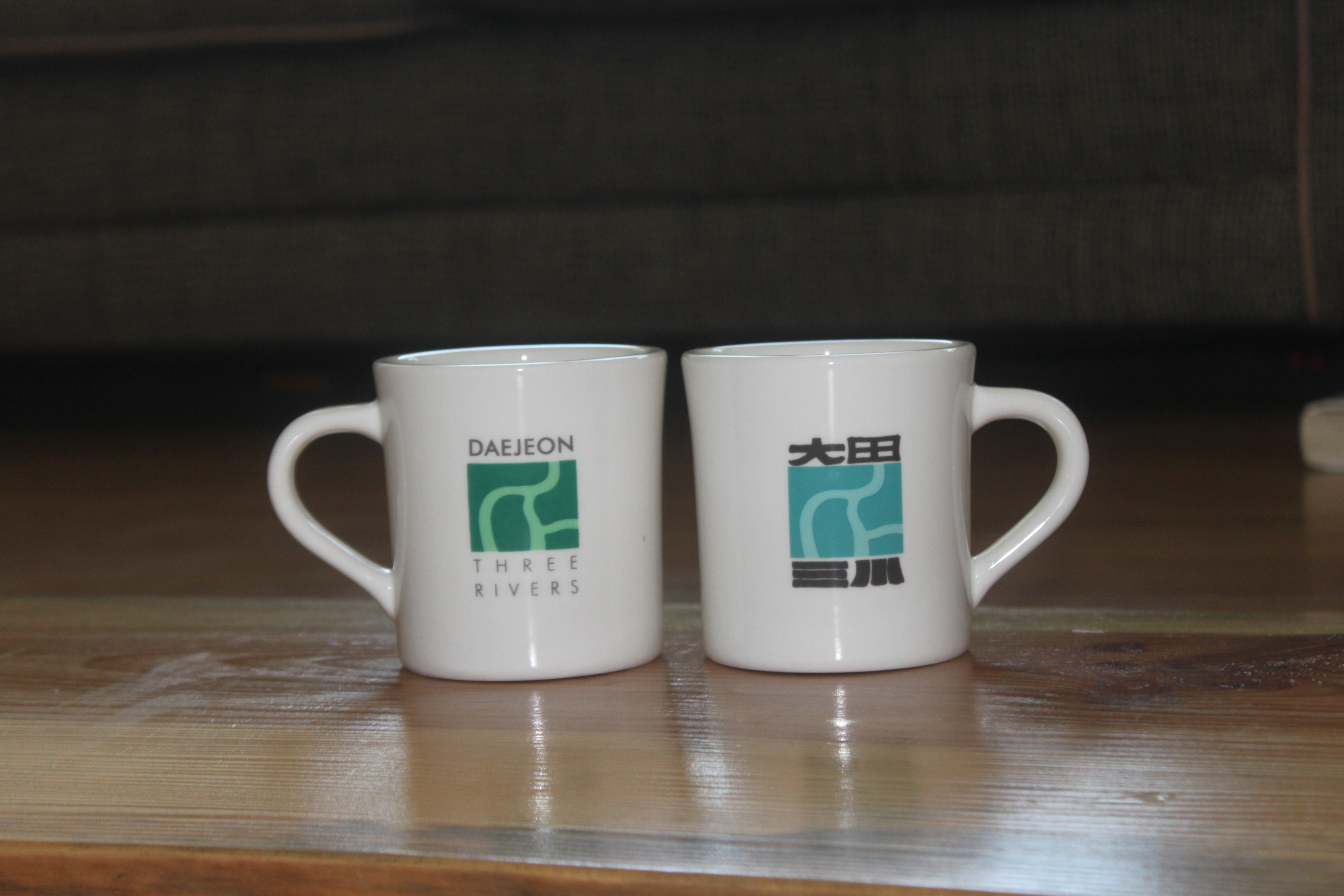
The Daejeon Mug Cup, produced in commemoration of Daejeon’s remarkable ecological foundations as the intersection of the Gancheon River, the Daejeoncheon River and the UDeungcheon River, is now available in two colors (front in English; back in ideographs).
The price is 10,000 Won per mug.
We encourage all interested parties to use our logo to create your own mug cups and other commemorative materials. Just let us know.
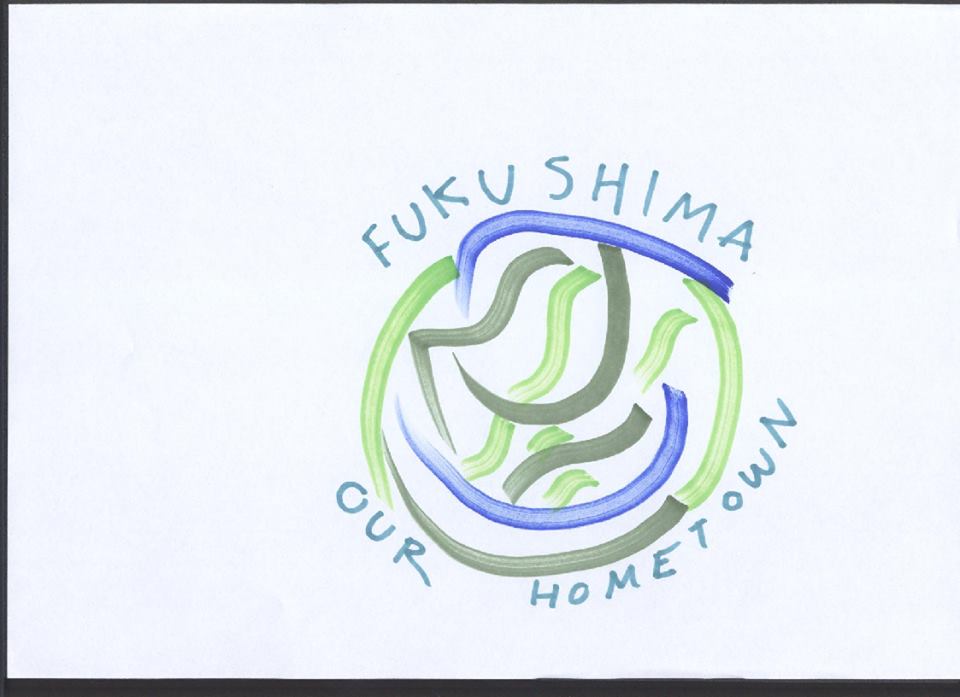
Thinking that it is essential that we imagine what it must be like to live in Fukushima and to make such environmental issues immediate to our daily lives, I made up a logo for “Fukushima: Our Hometown” that I hope can be made into a t-shirt, mug cup and button.
Let me know what you think.
Thanks
Emanuel
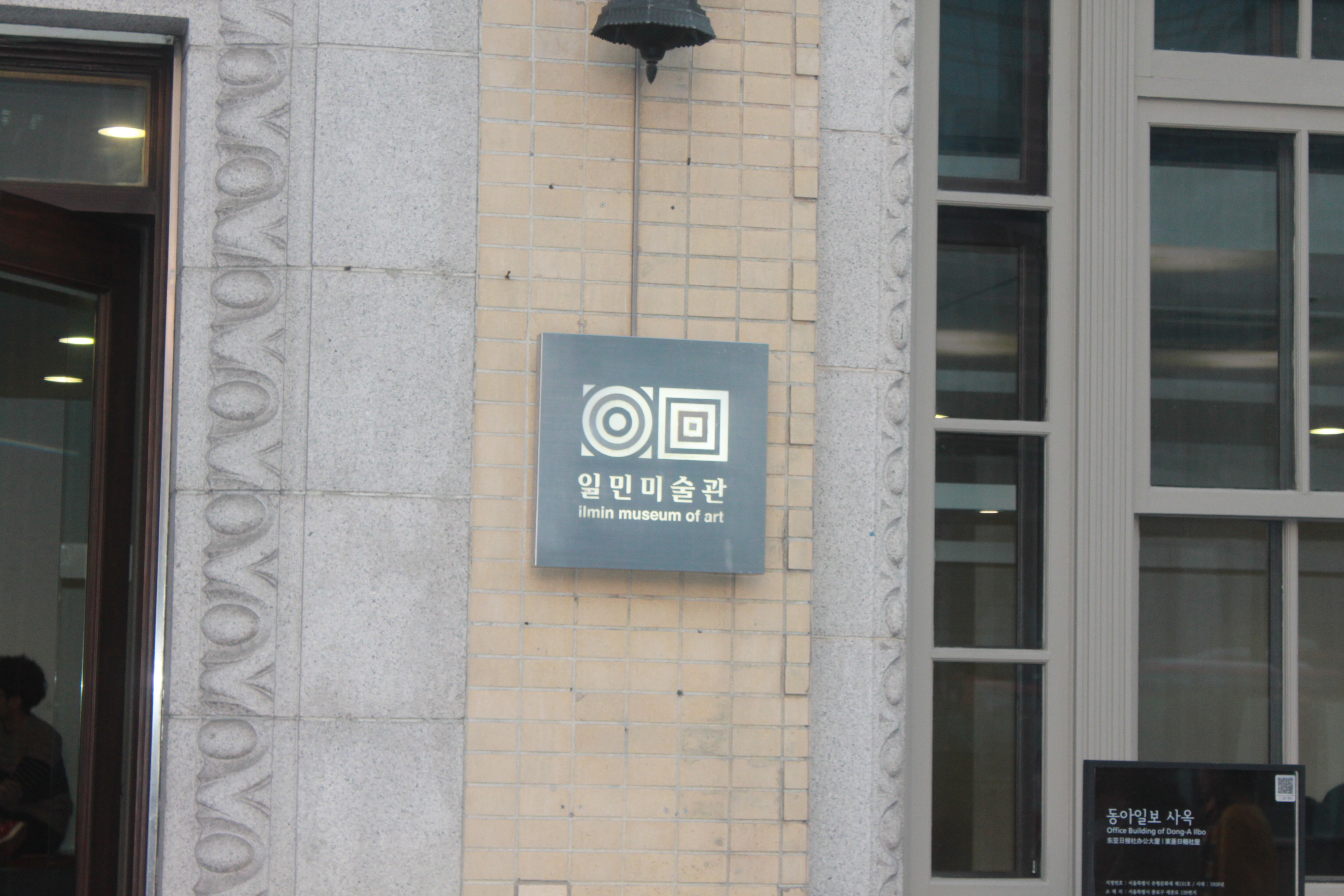
The Ilmin Museum of Art has a logo that perfectly embodies the theme of “circles and squares.”
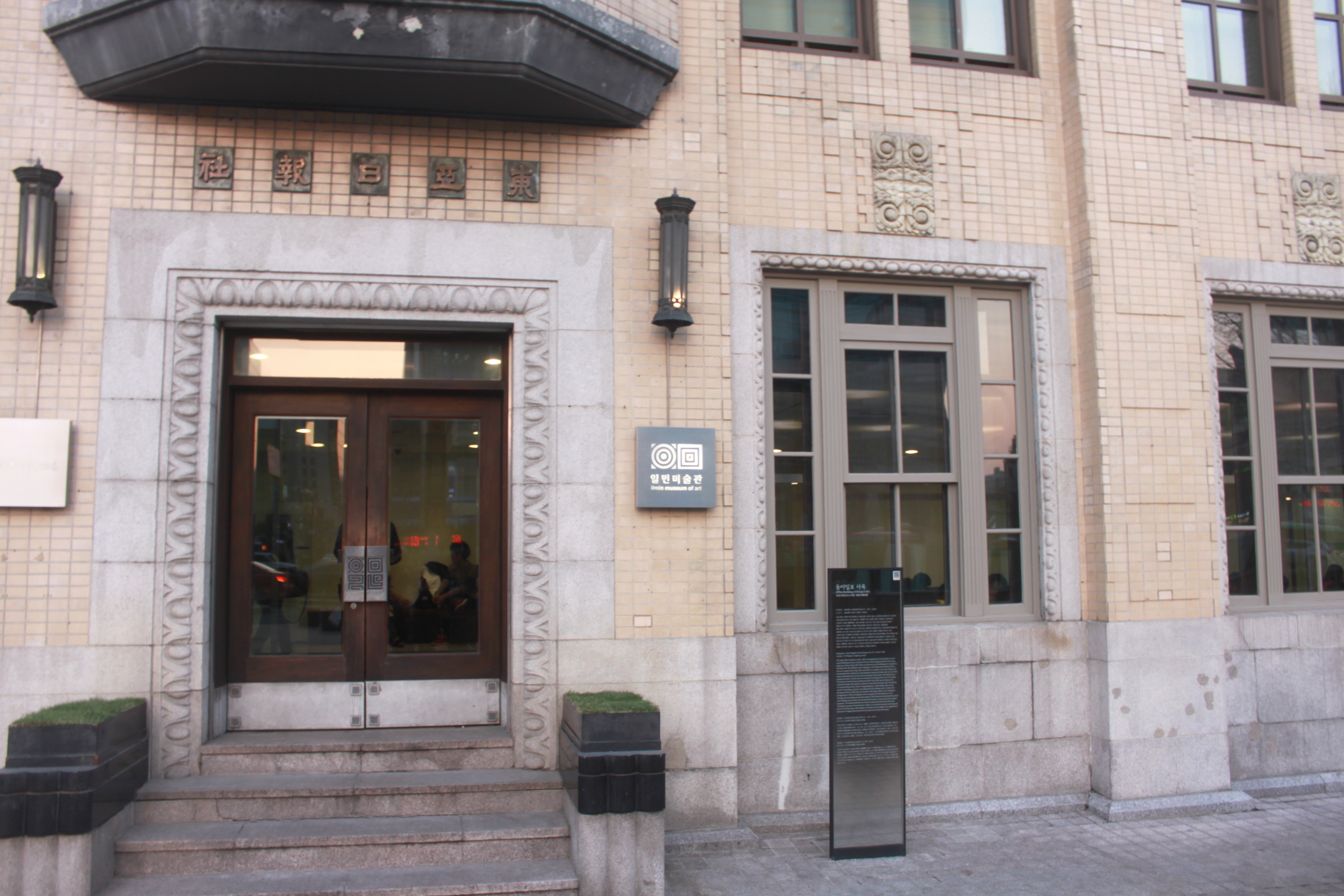
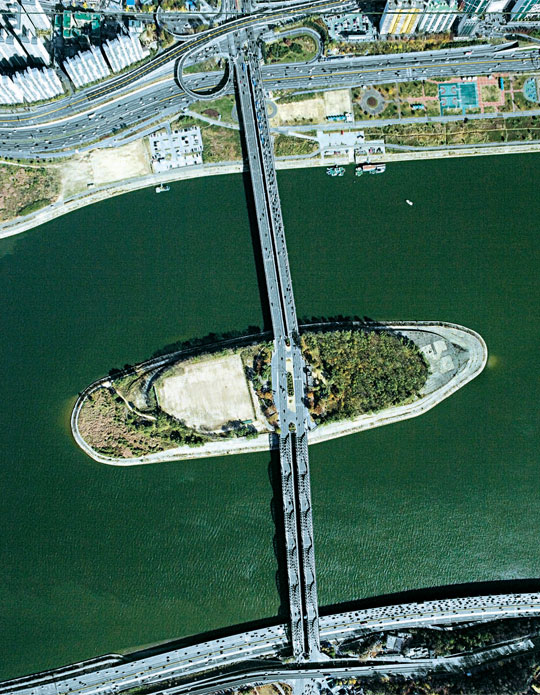
I saw the other day an exhibit of the photographs of Lee Duekyoung, primarily photographs of Seoul–the most striking of which is a running photograph of both banks of the Han River that goes for about 30 meters. Certainly worth a visit.

The School of Art at Kyung Hee University decided to devote its efforts to transforming the alleys around the university by painting a series of compelling posters with strong messages that call out to the passer by. The posters are remarkably effective. Here are a few examples.
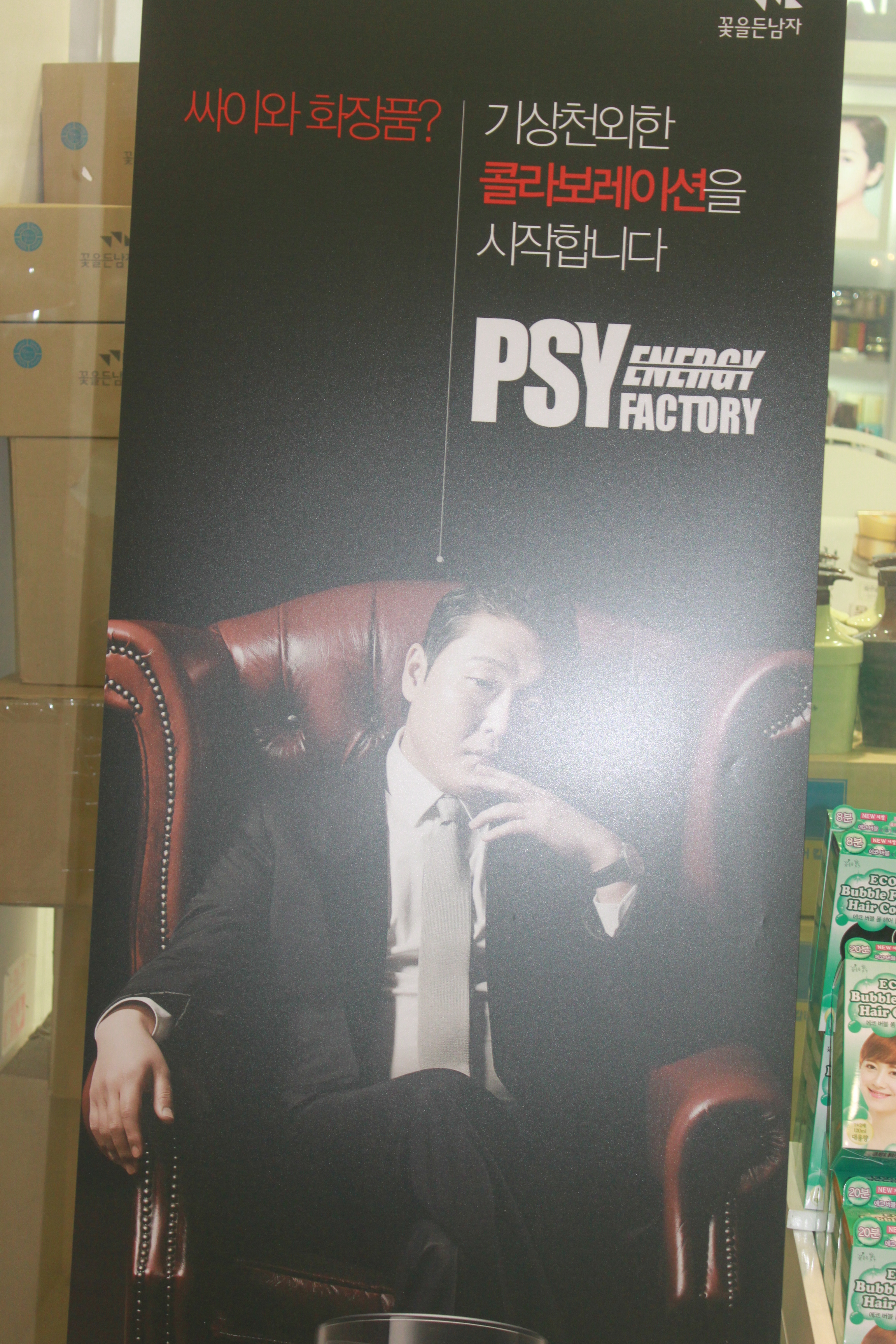
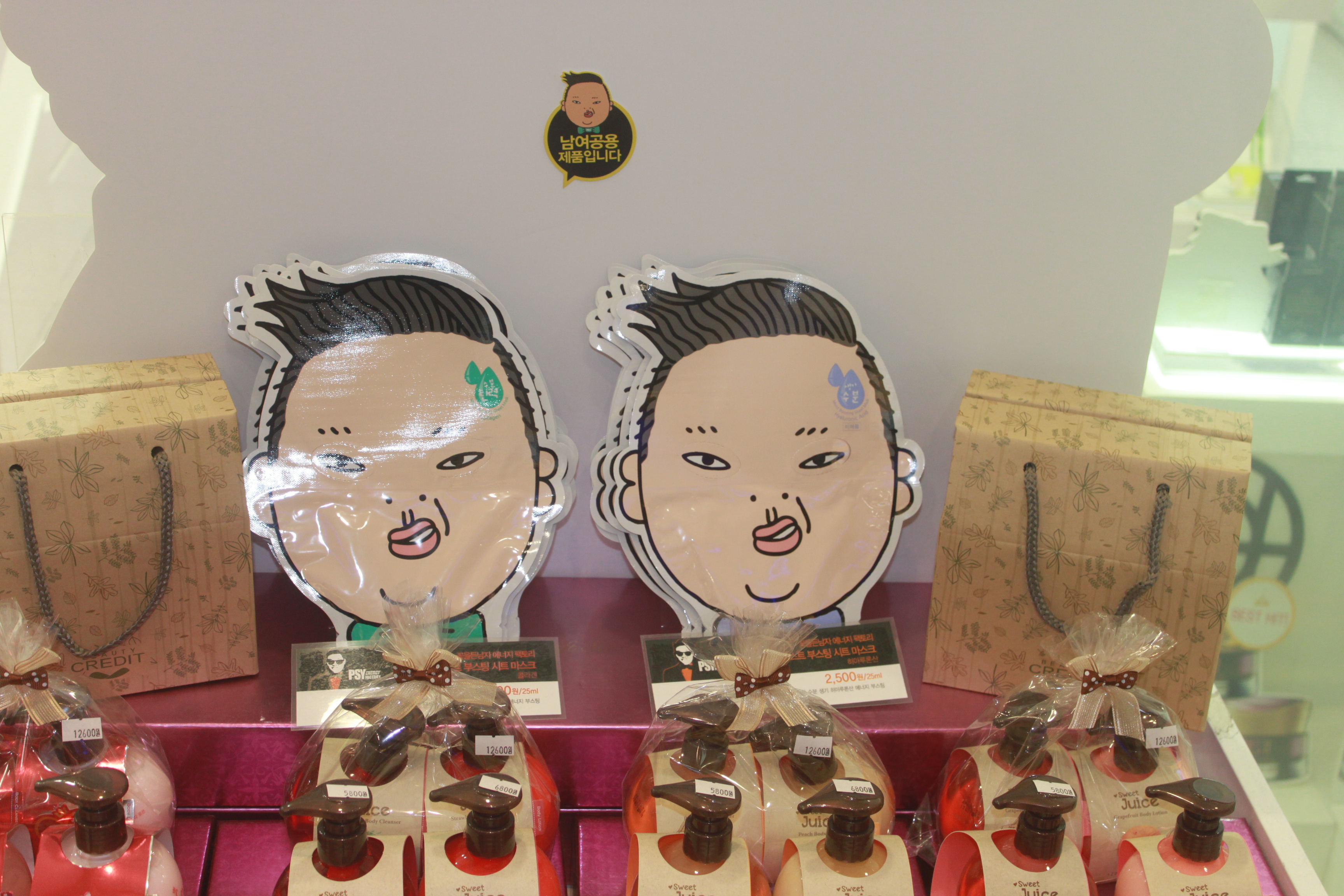
It is remarkable the number of forms Psy has taken in Korea since his success with “Gangnam Style.” You can see him literally on every shelf of the supermarket and every corner of the street.

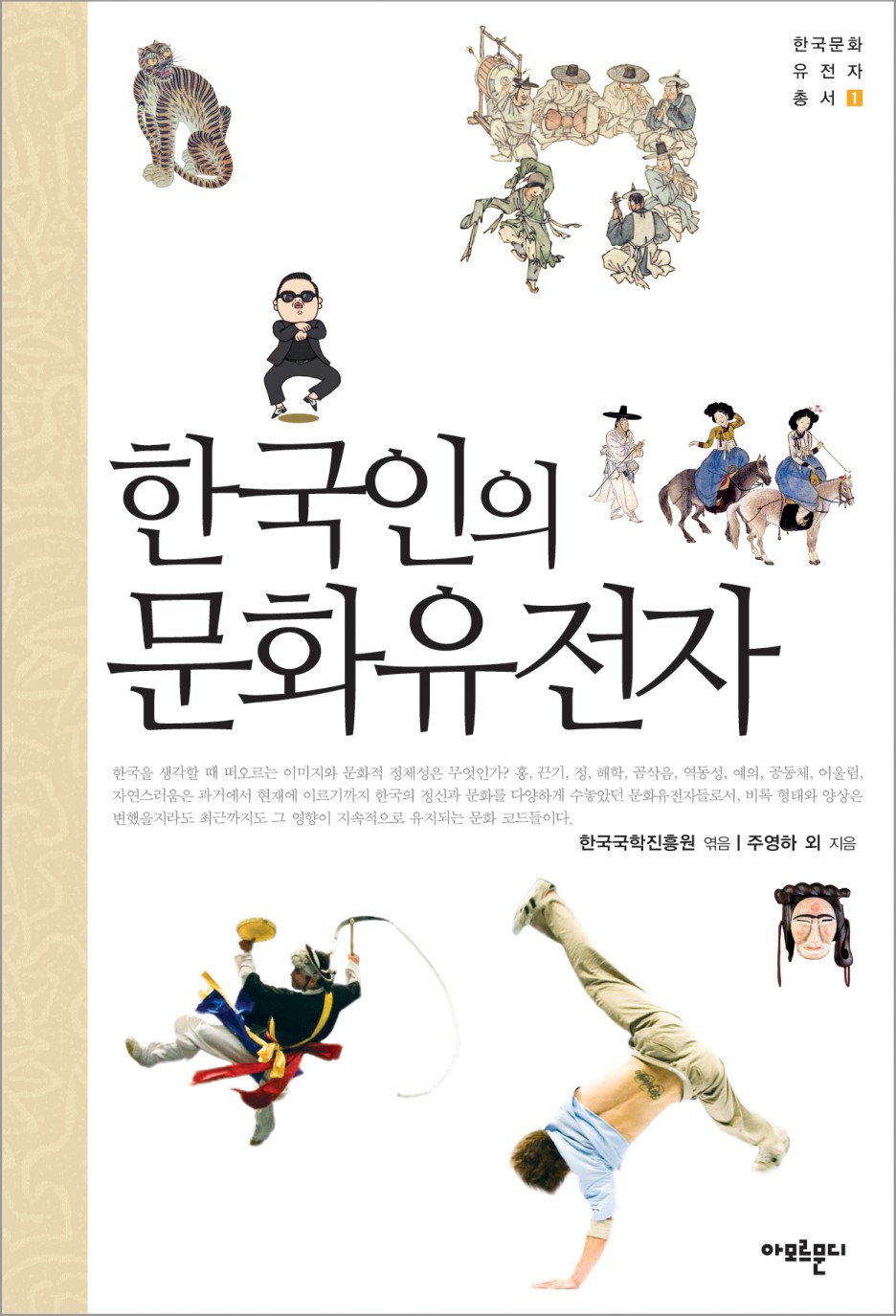
Emanuel has a chapter on “Ritual and Propriety” in the newly released book
“The Cultural DNA of Koreans” (Amore Mundi Publishers; December 2012).
The book features chapters by scholars and artists from various fields about the essential aspects of Korea’s cultural tradition and how they can be integrated into contemporary culture.
In Korean:
이만열은 새로 출간 된 책 한국인의 문화유전자 에서 chapter 있어요
한국인의 문화유전자
(한국문화유전자총서1)
아모르문디 출판사 (2012.12)
“예의”
I recently revised the logo for Daejeon that I designed some two years ago. This time we have gone back to the heavier form that I used in the very first trials. I plan to make mug cups again and will offer them to anyone who is interested.
The three rivers that define Daejeon’s ecosystem: the Gapcheon River, the Yudeung River and the Daejeon River are set against the original green fields that defined “Daejeon” (literally, “big field”)