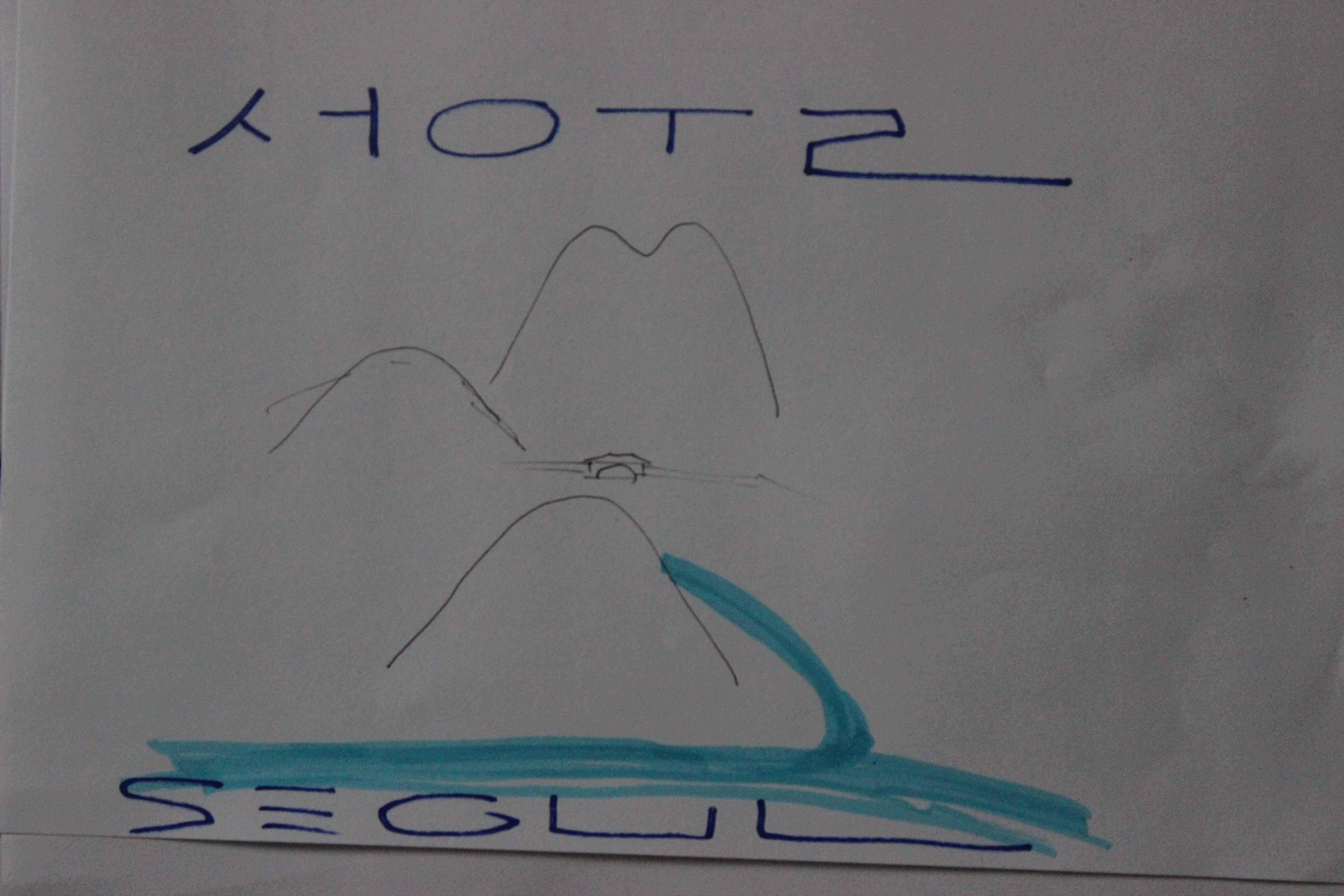
I have been toying around with an idea for a logo to represent Seoul that takes advantage of the three main mountains: Inwangsan, Bukhansan and Namsan and also includes the counter-loop of the Cheonggyecheon feeding into the Hangang. Here is my first stab. I wonder if anyone out there with some real artistic skill can help me make this into something significant.
Associate Professor
College of International Studies, Kyung Hee University
Director, The Asia Institute
“A Tale of Two Cities: Seoul as the Byzantium of the 21st Century”
Friday, May 15, 6 PM
Room 107
New Millennium Hall
Yonsei University
Seoul has emerged at the center of a new economic and cultural order in East Asia and this massive city is increasingly making its presence felt around the world through its music, art, fashion and movies. Could it be that Seoul is becoming the dominant political and cultural center of Asia while remaining closely tied to the United States? Seoul’s rise brings to mind the relationship between Rome and Byzantium in another age.
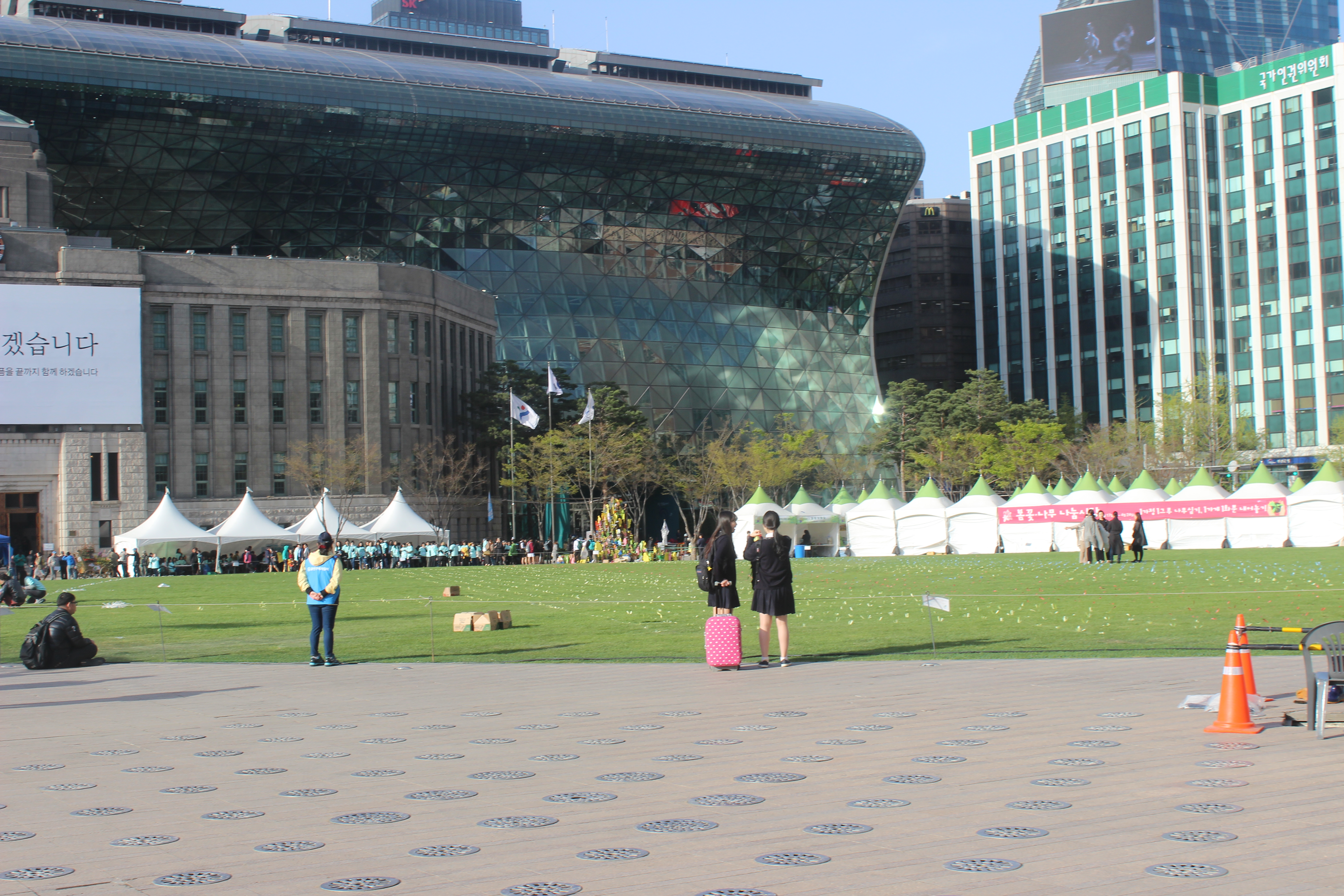
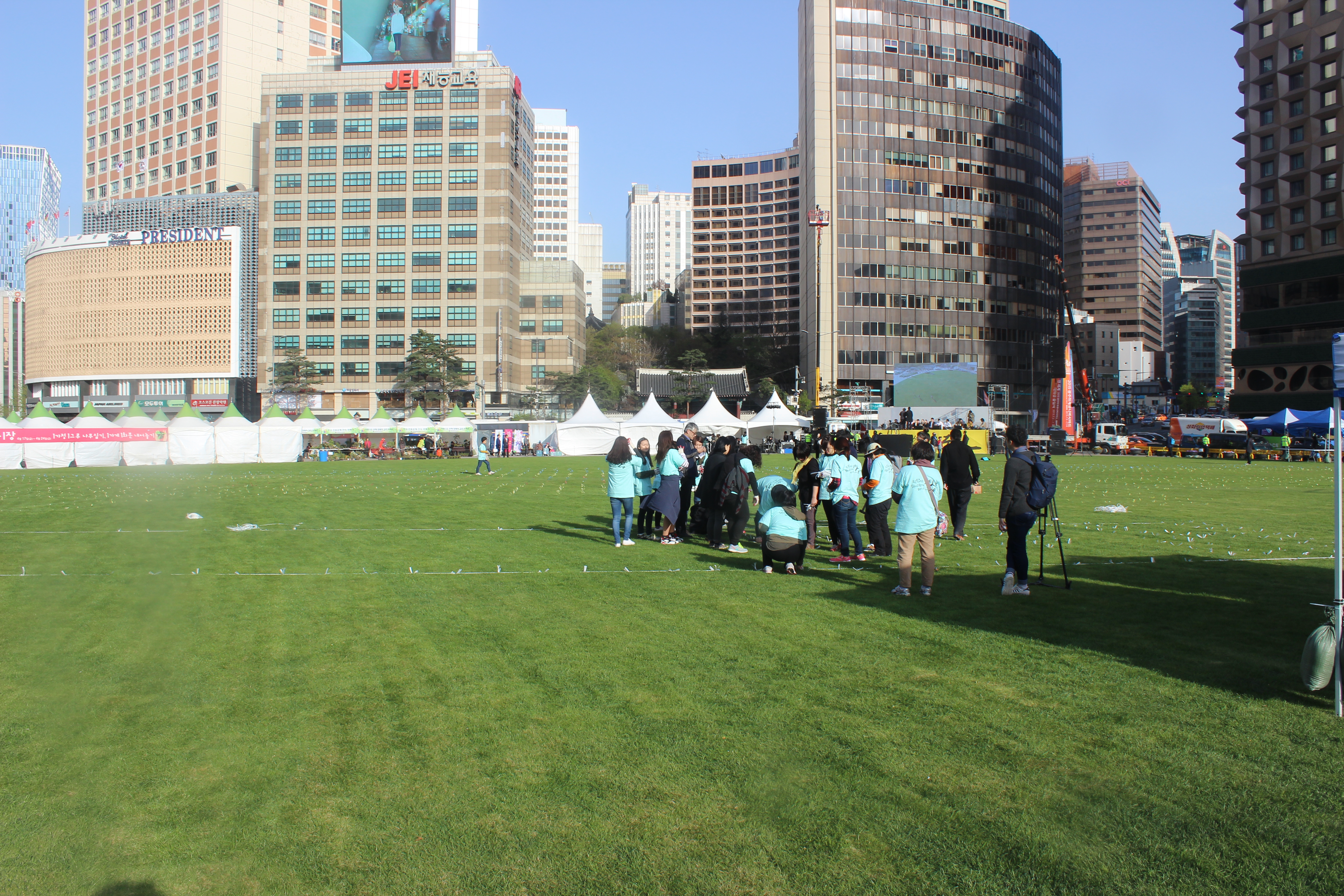
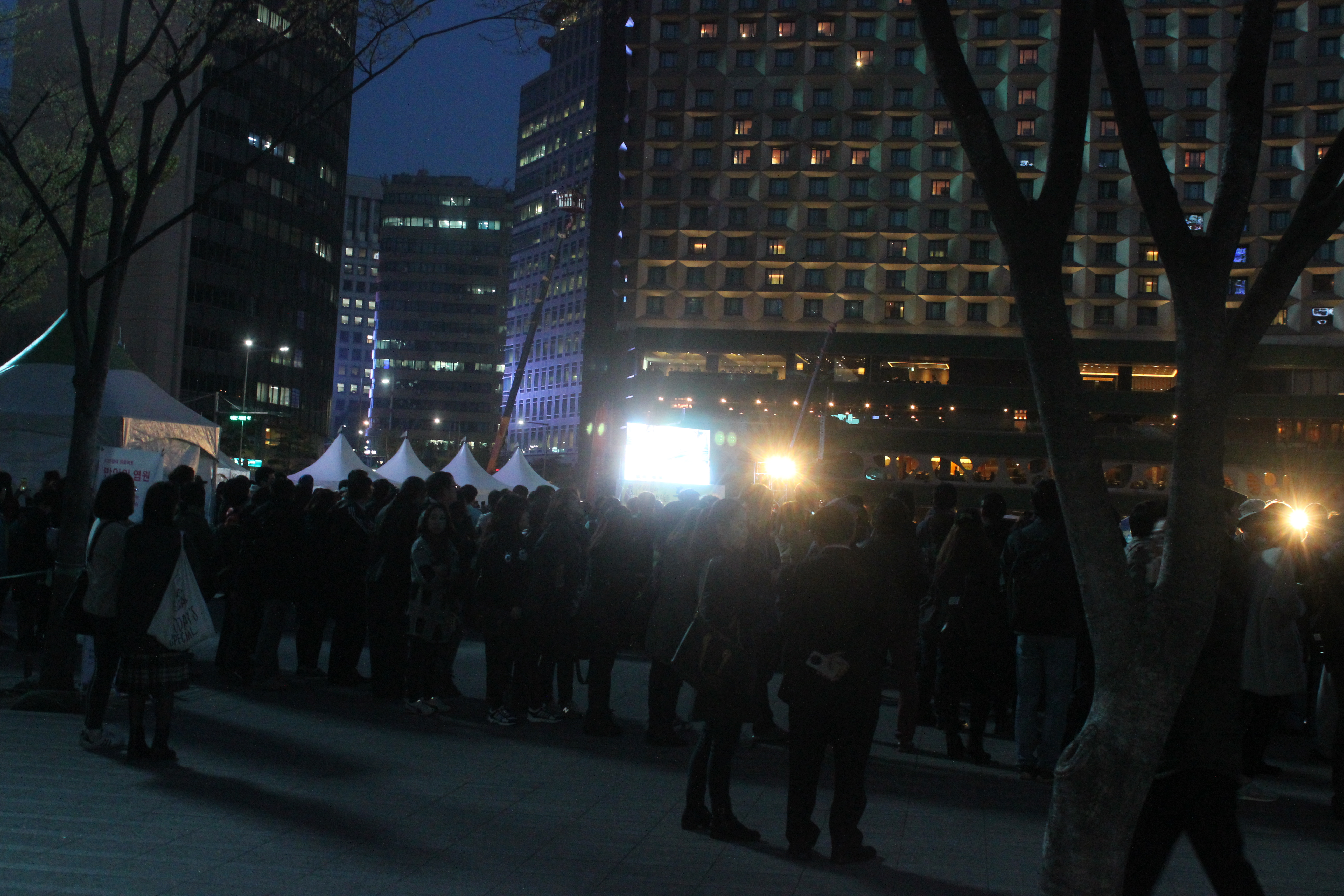
There was an immense gathering in front of Seoul City Hall this evening to commemorate the first anniversary of the sinking of the Sewol Ferry, an event that cost the lives of over three hundred high school students from a working class neighborhood because the ferry operator told them to stay in their seats even after the boat began to tip and he fled himself.
The gathering brought a large number of high school and middle school students who just showed up out of concern, out of “sadness,” as they told me.
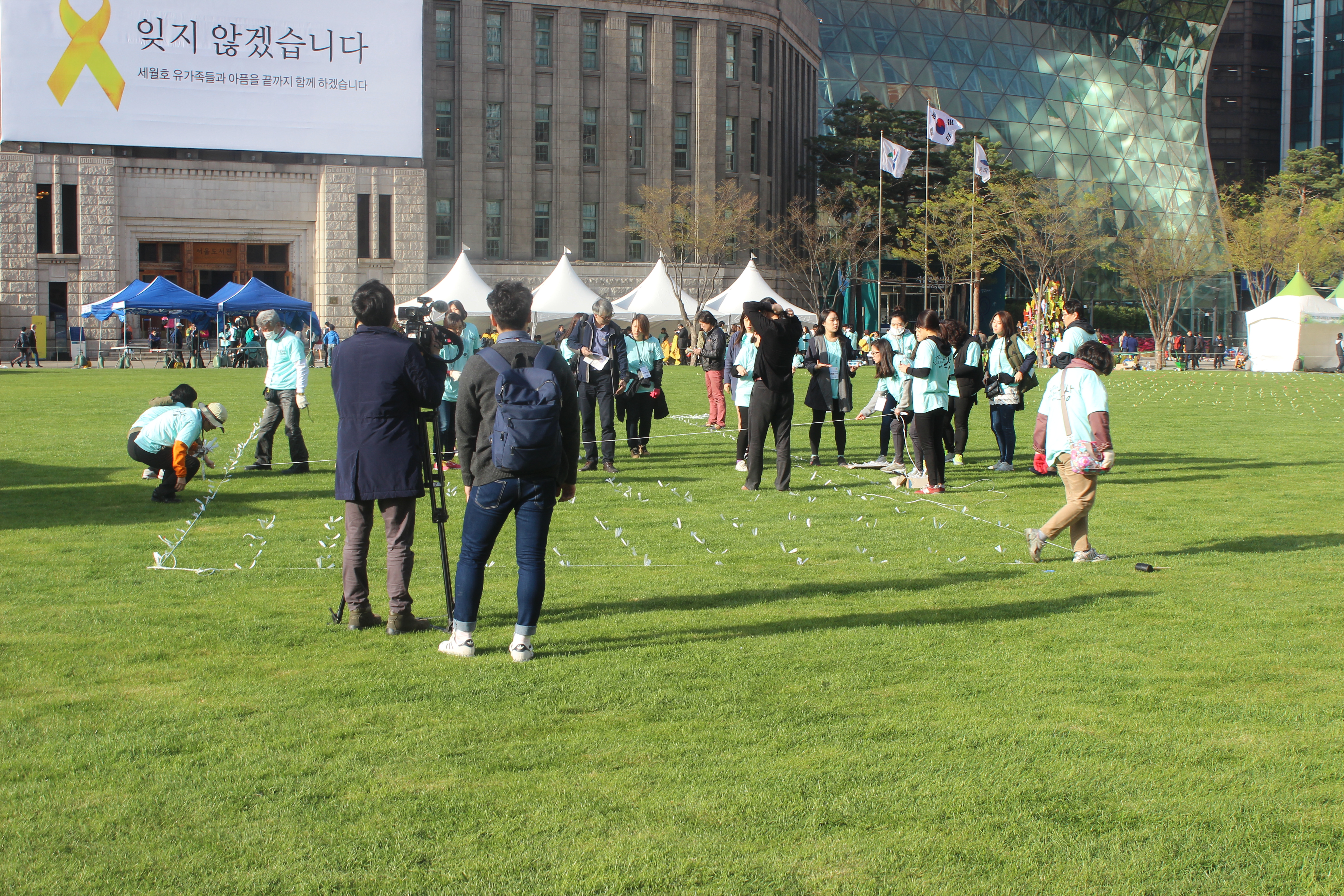
The event was billed as a candlelight vigil that would set a “Guinness Book world record.” The gathering was a mixture of spontaneity and meticulous planning. There was a festive mood at times and deep angst and worry about a world which has gone so completely wrong. It seems as if the students were wrestling to understand how this accident could have taken place and how so many in their society could pretend it had not happened.
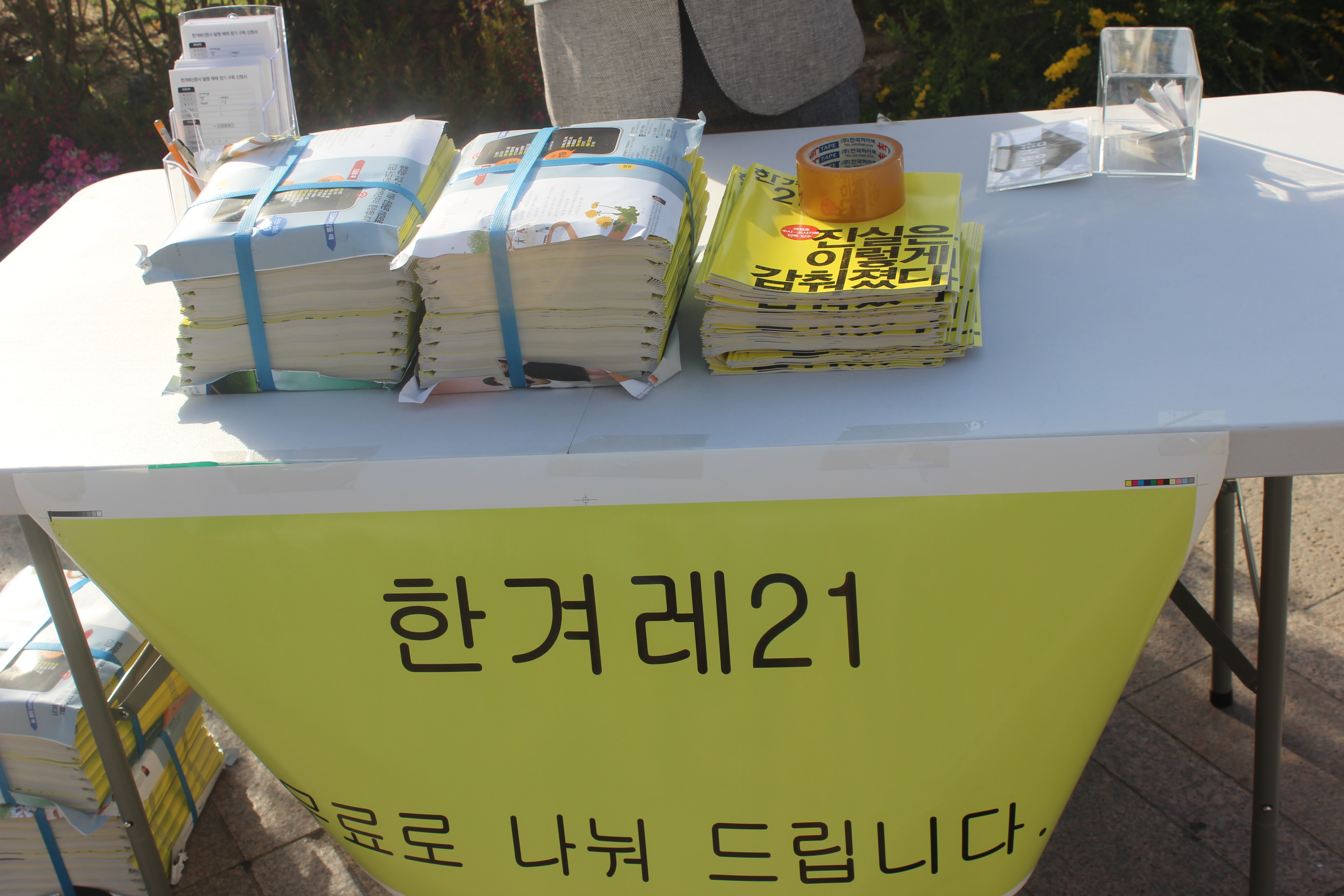
The organizers marked out on the grass the shape of the ferry itself. The participants sat on an imagined ferry right there in downtown Seoul.Hangyore gave away a free edition with all the facts about the sinking.Laying down the strips that will mark where people sit with their candles for the vigil.
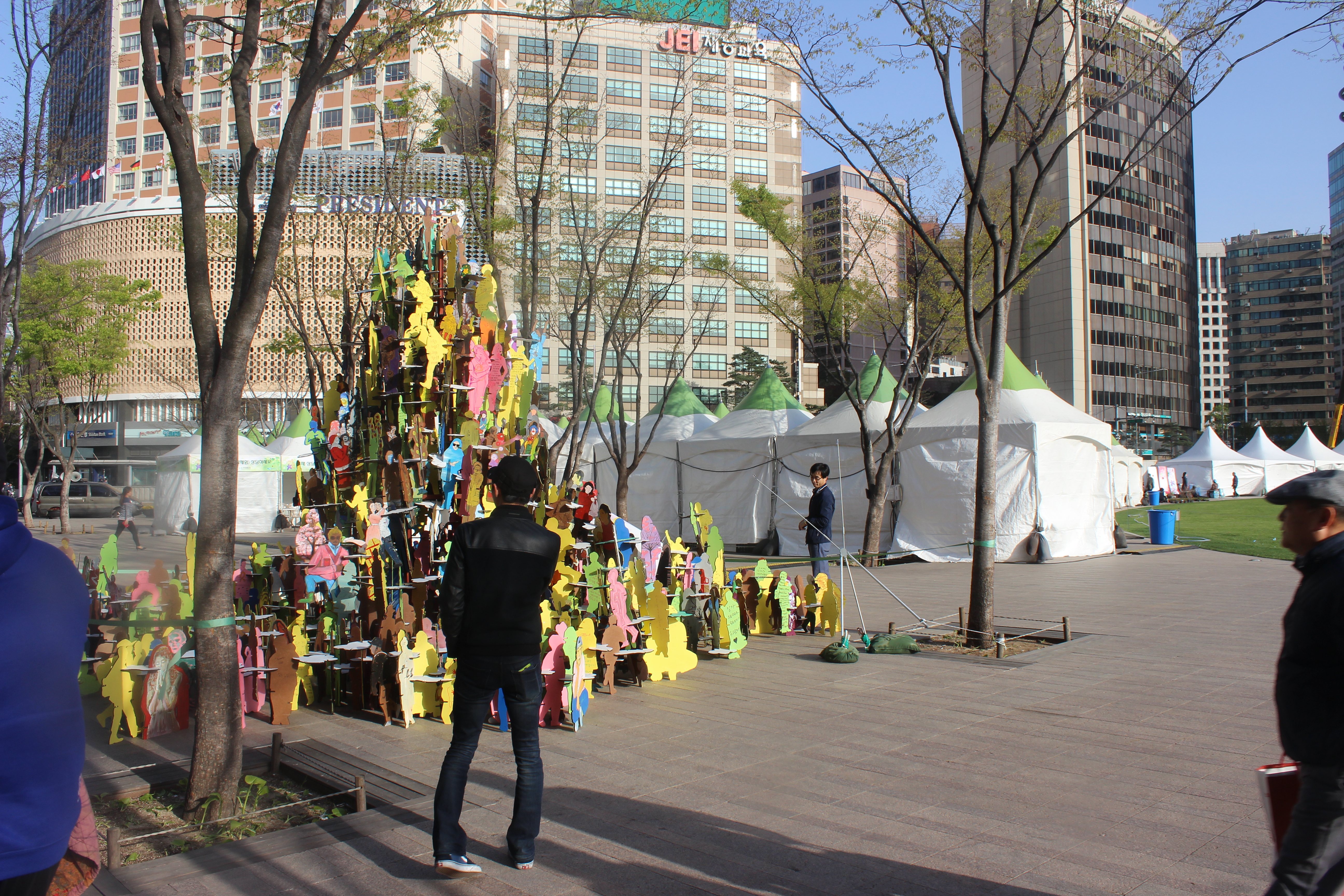
This work of art seems to be made up of figures representing the students who died. I am not sure of its meaning, however. People have scribbled their wishes and fears on the images. Somehow the Sewol Ferry sinking has come to represent all that is dark and hidden for youth in Korean society.The vigil continues.
I have seen all sorts of arguments for new high tech solutions to the environmental problem. They are mostly ridiculous. We need specialized new technologies in the case of responding to Fukushima, but otherwise, actually we need primarily old technologies to respond to climate change.
Most every country in the world required someone purchasing any liquid in a bottle to pay a deposit and then return that glass bottle after the liquid had been used until the 1970s, or even 1980s. This system is very simple and it is not difficult.
I have taken a vow to never use disposal cups, but it is extremely difficult since people will bring me drinks before I say I have my own cup and even in cafes they will ignore the mug cup I have brought. They think I just came up to order coffee and put this plastic thing on the counter. It does not occur to people that I expect them to put the coffee in that mug cup.
I would go as far as to suggest that most Koreans have no idea why I carry a cup with me and no idea why I do not eat meat.
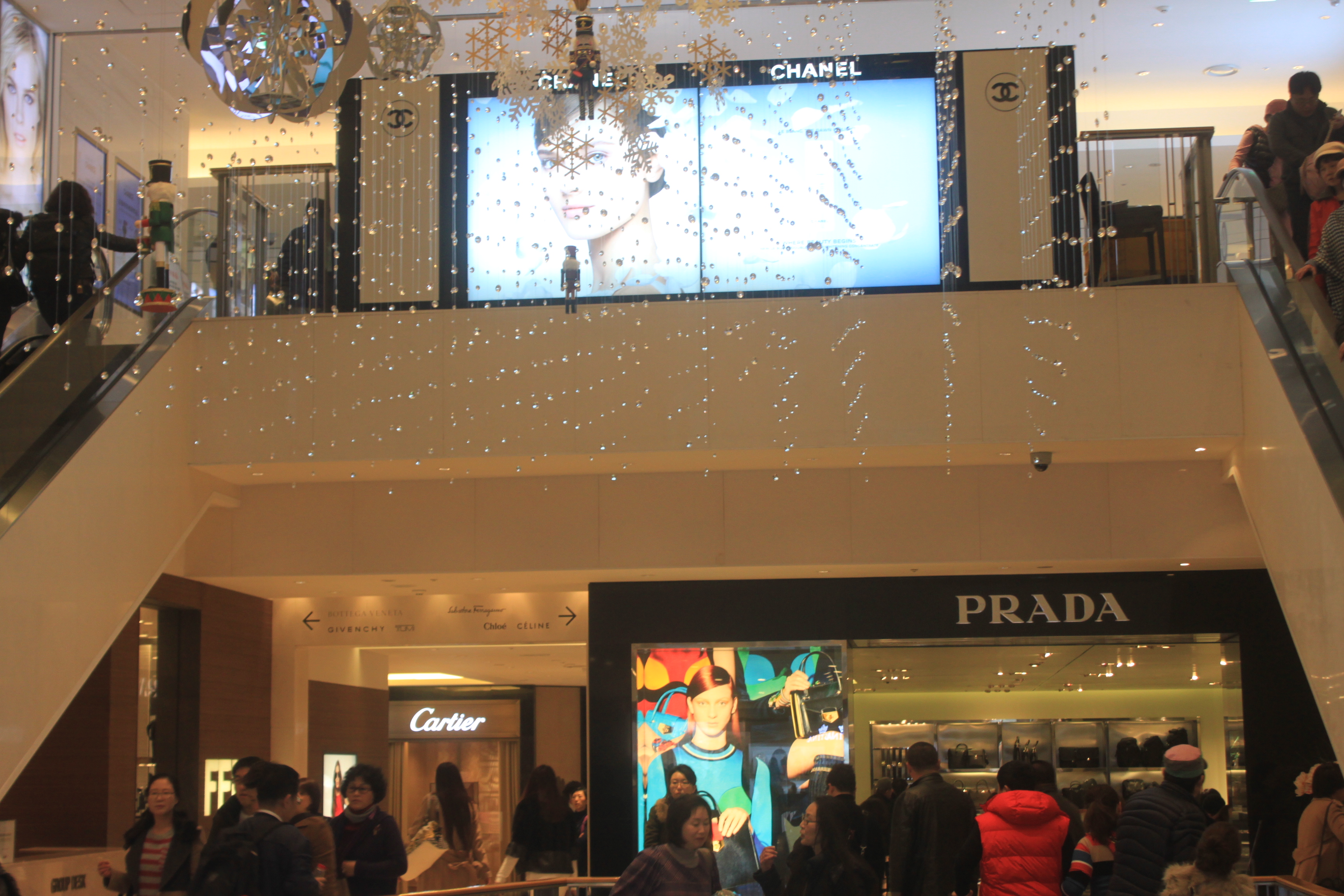
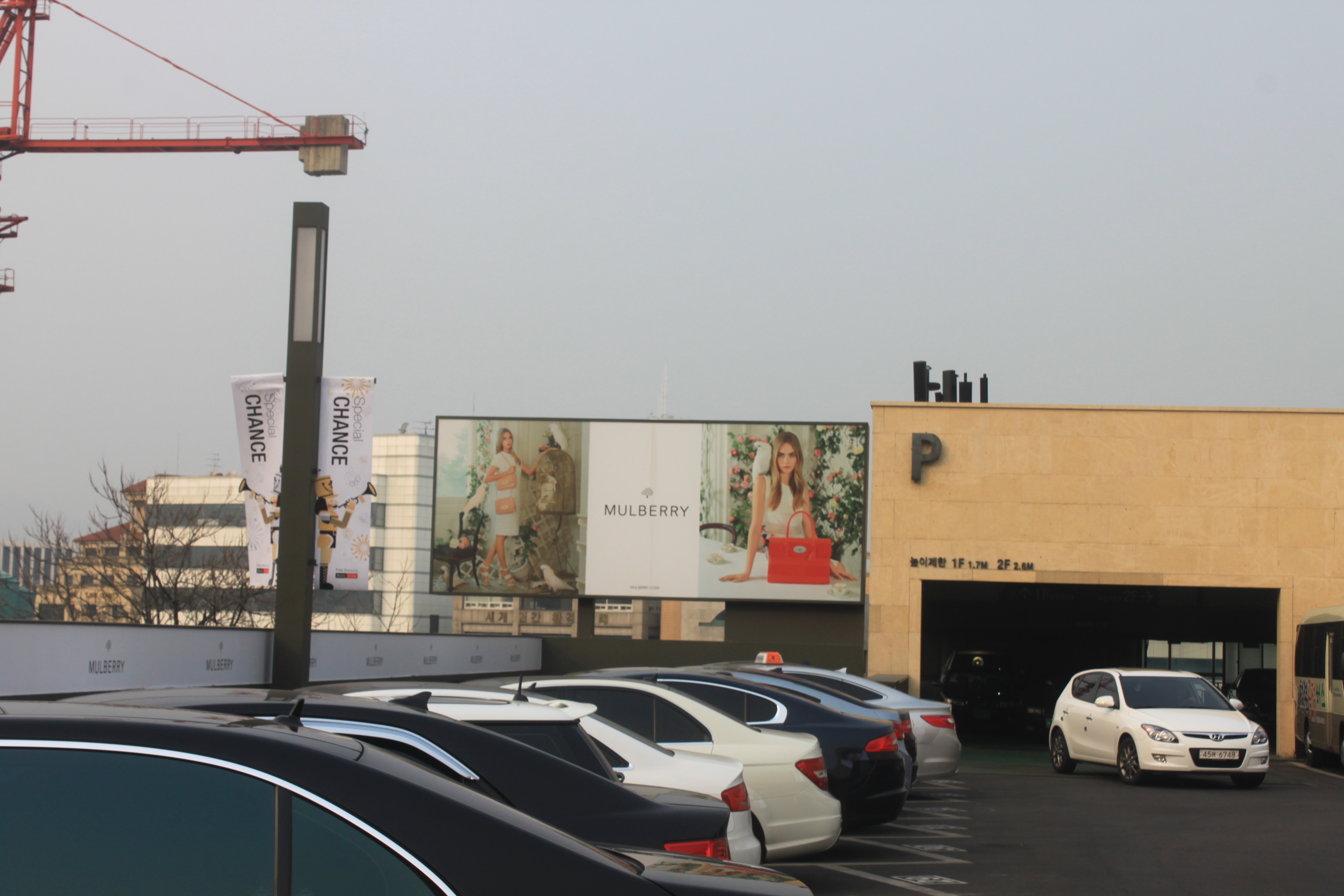
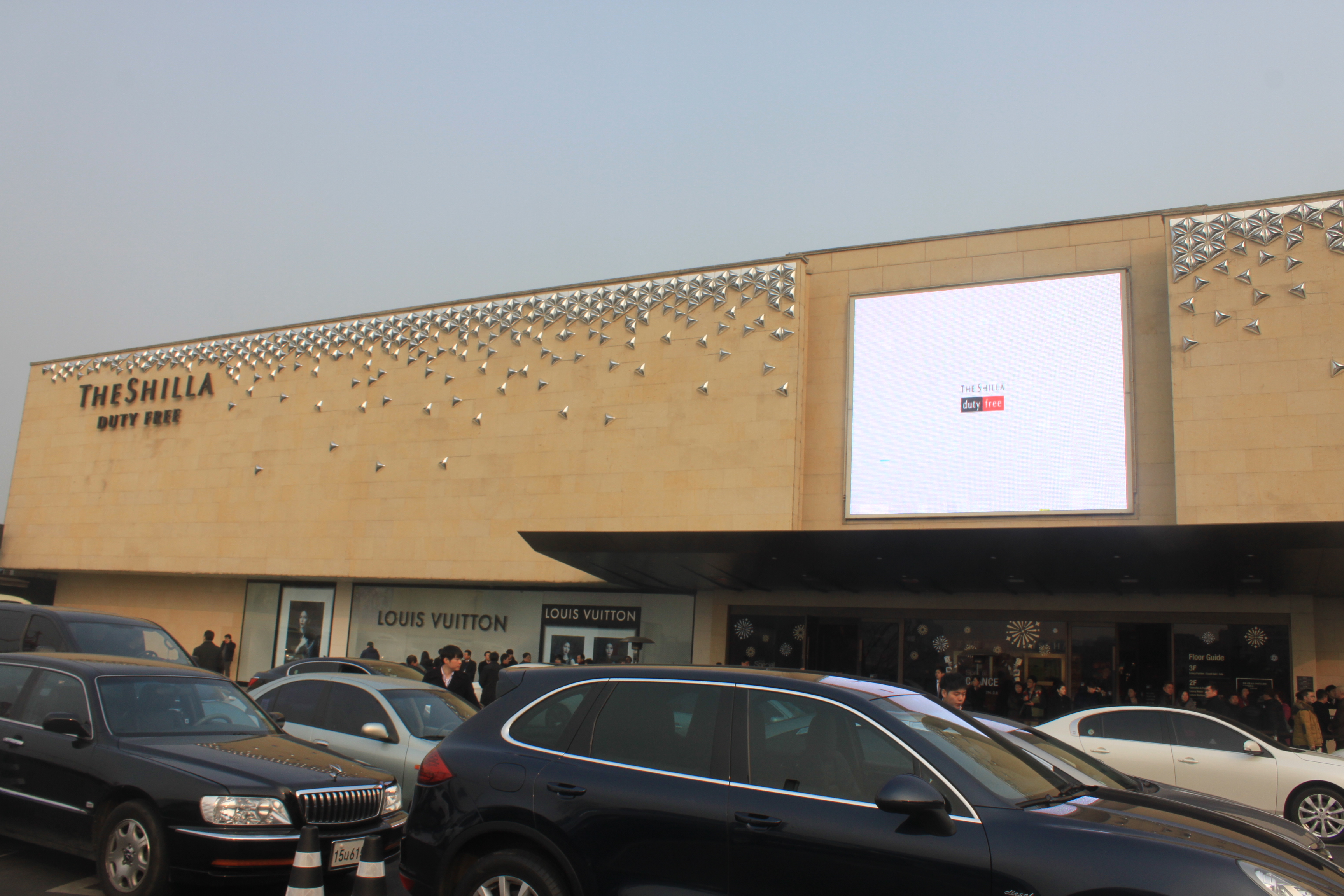
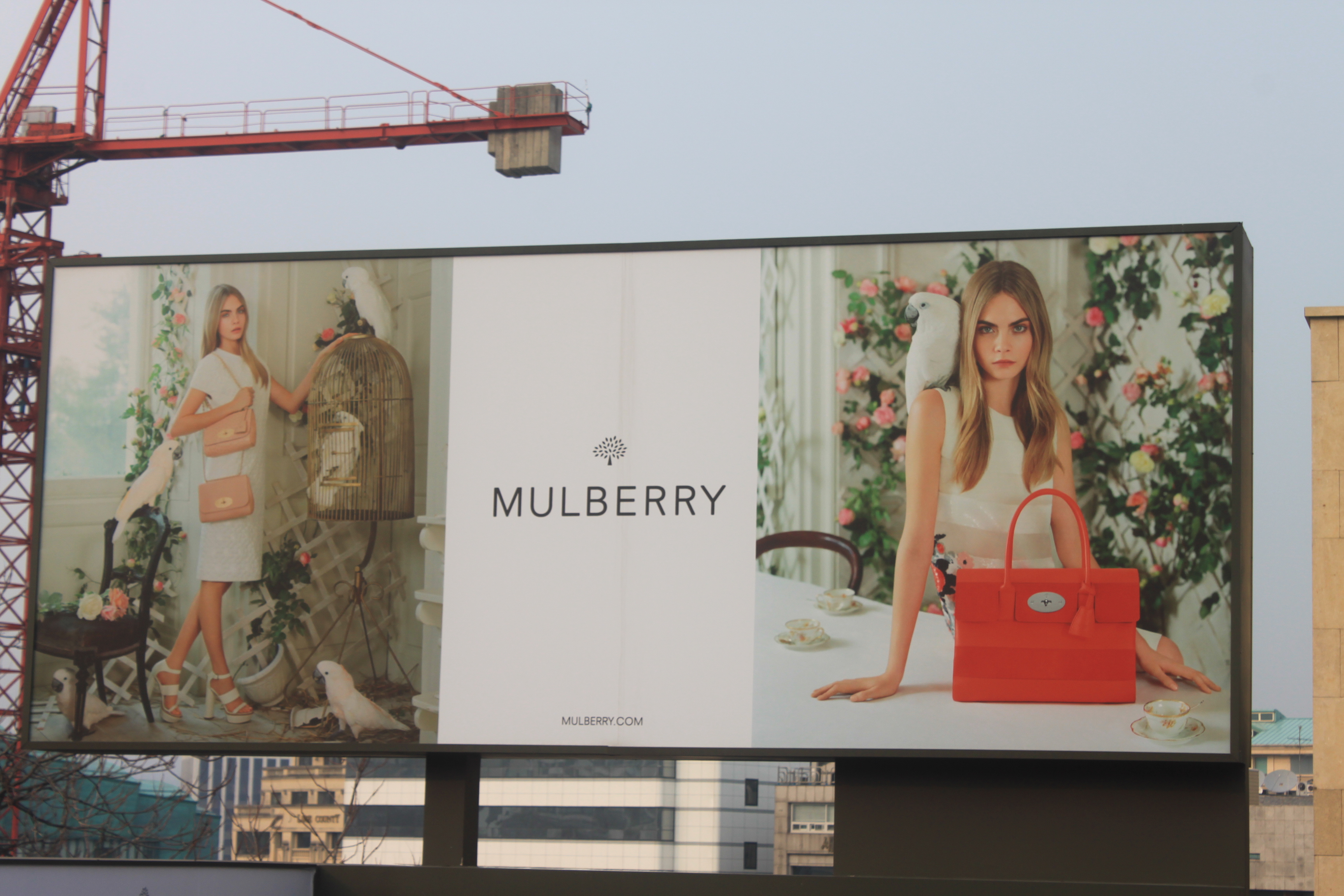
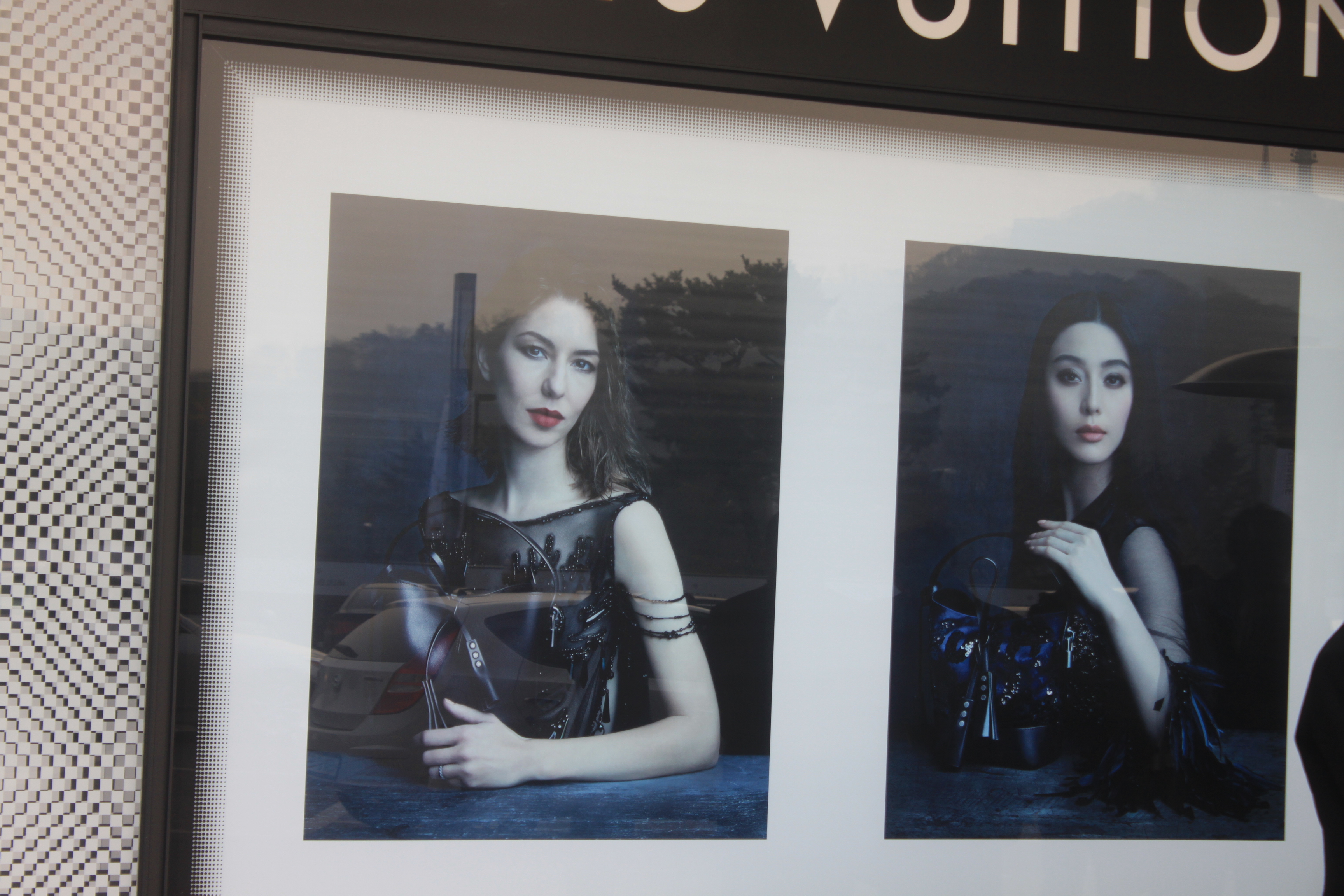
Here are a few images from the Shilla Duty Free Store next to the Shilla Hotel. The culture of duty free is rather mysterious to me. Consumption here seems to approach a religion, an embrace of an image of the “advanced nation” that does not actually exist anywhere.
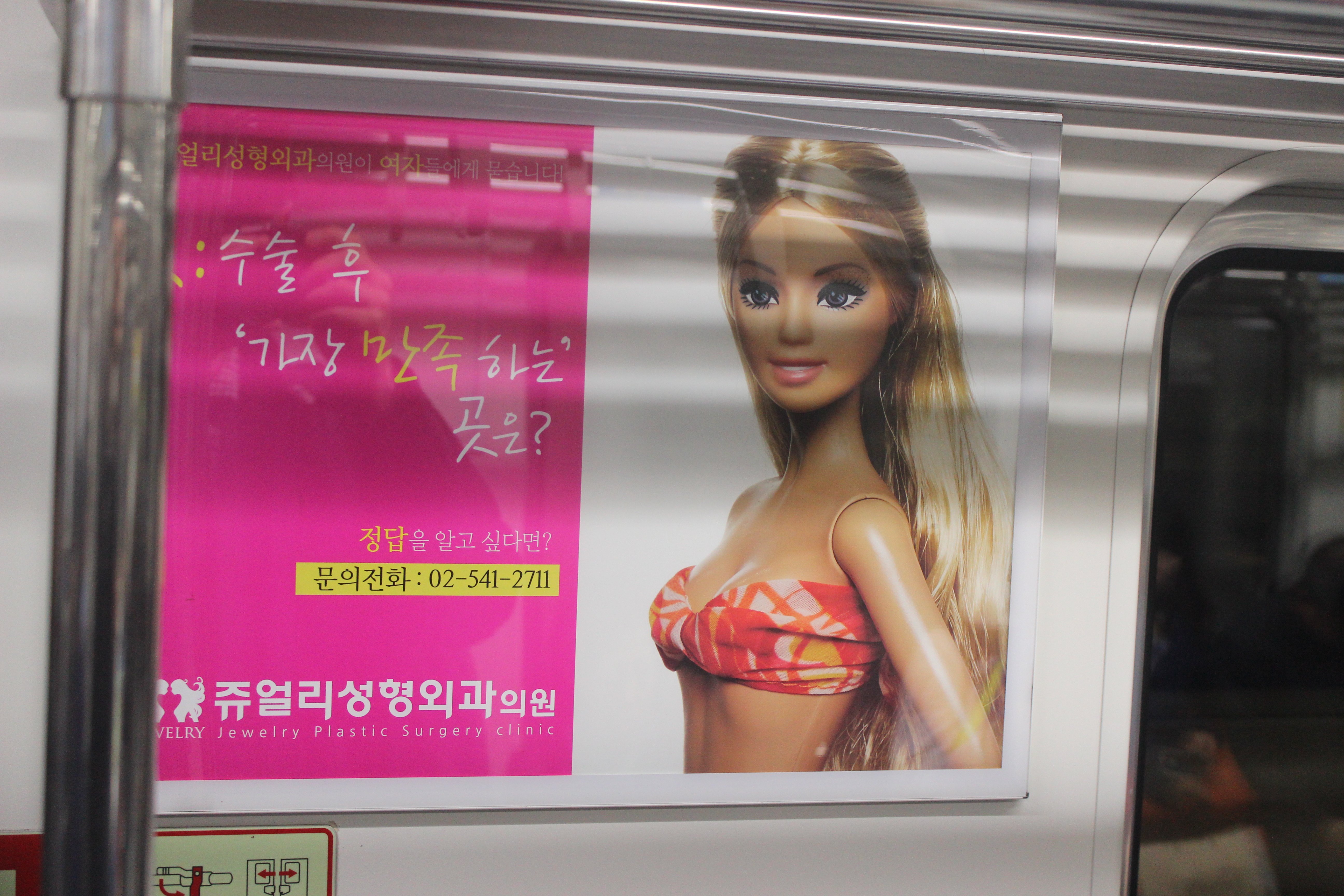
I thought advertisements for plastic surgery in Seoul had gone too far. But had no idea. Personally I feel that all advertisement for plastic surgery should be made illegal and that it should be offered primarily for those who truly require it.
But get a load of this! I want to say it is self-parodic. But no. It looks like it is serious. The Barbie Doll, source of so many complexes for women, from anorexia to neurosis, is held up as a model. What is going on here? Please explain.
The quote is:
“After surgery, which part are you most satisfied with?”
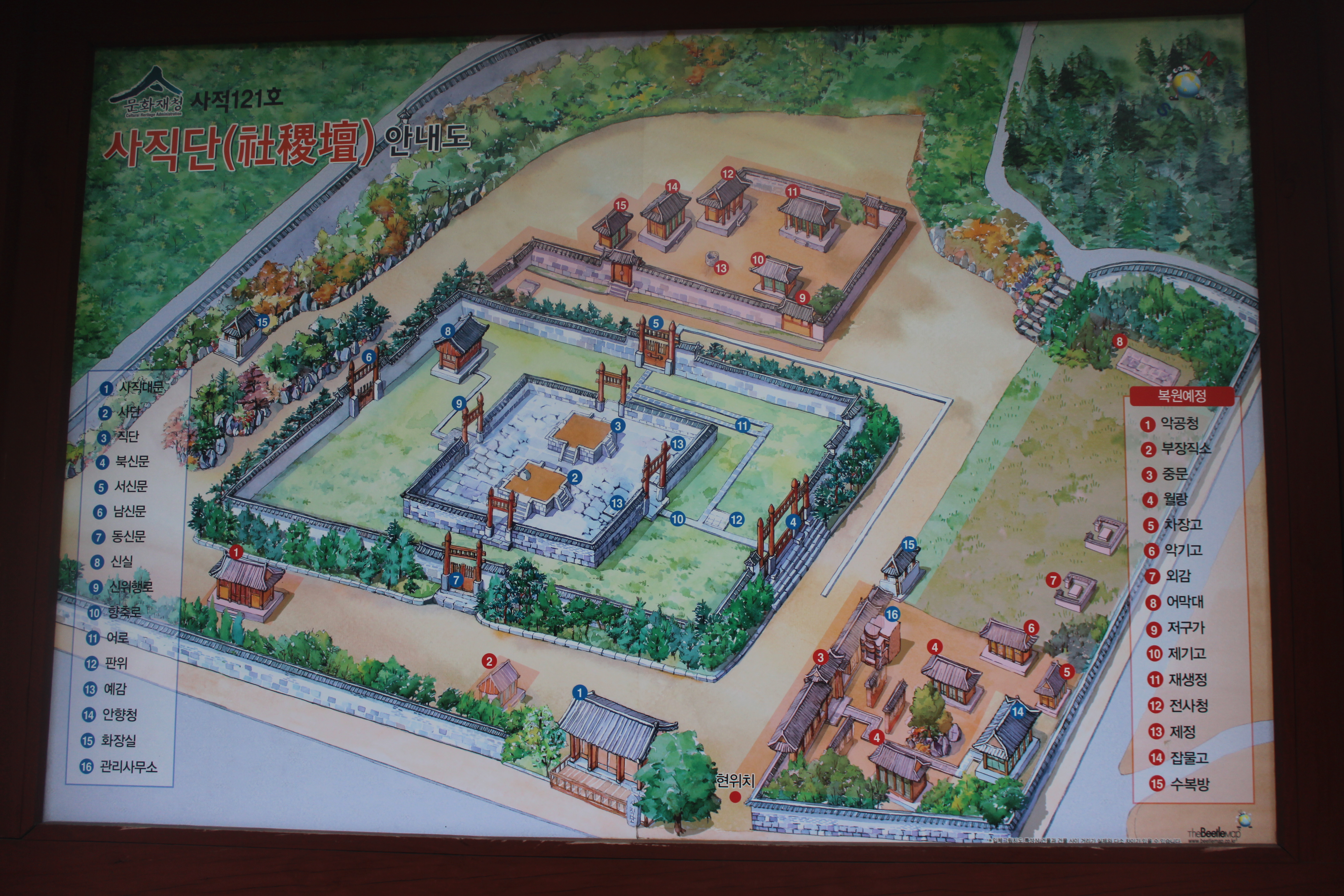
Perhaps one of the greatest monument to the lasting impact of the Japanese colonial occupation of Korea is the sad Sajik Park just to the West of Gyeongbokgung Station.
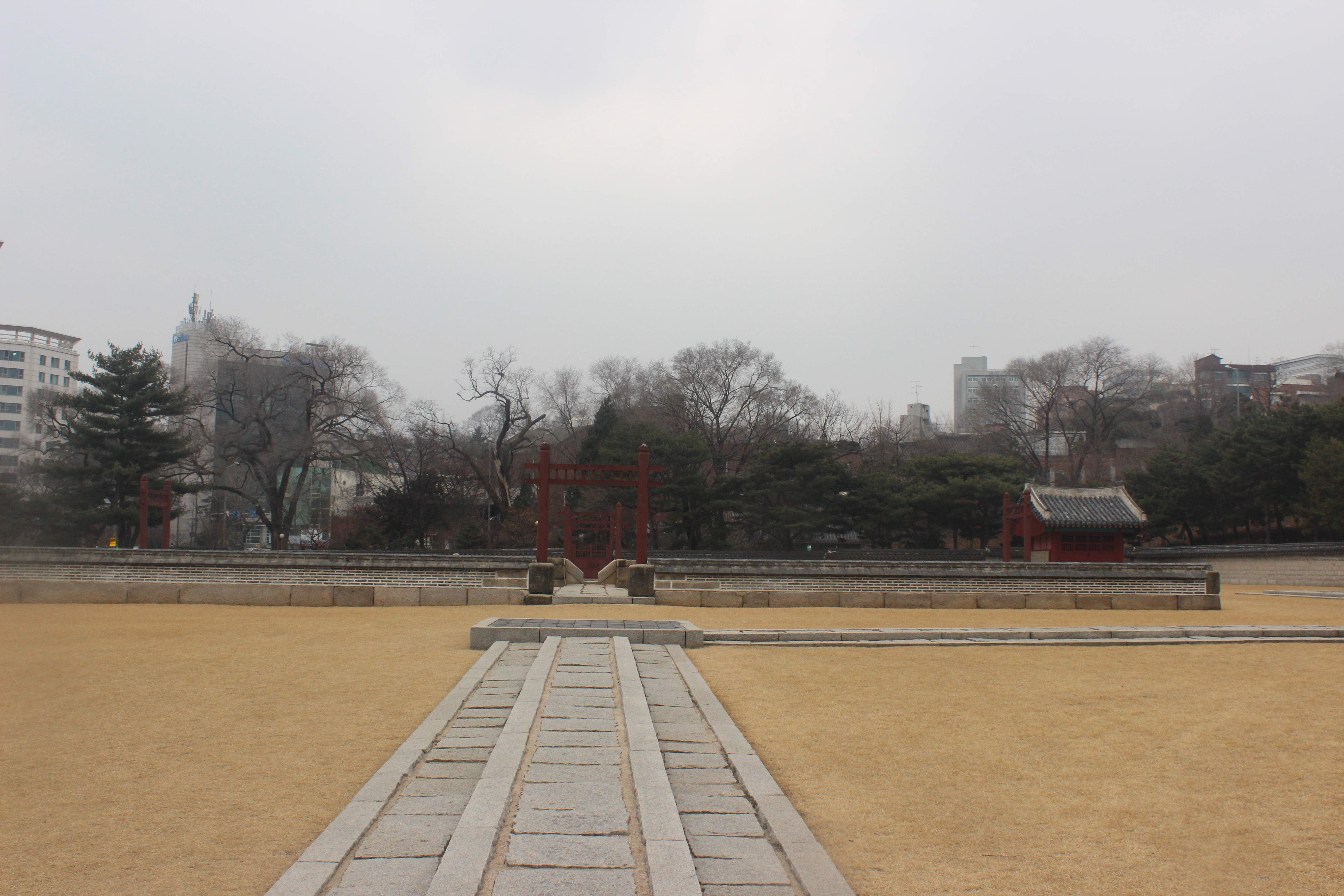
Originally, this space was in fact the site of the Sa and Jik Altars where the King of Joseon prayed for the fertility of the soil to the spirit of the earth “Sa” and to the spirit of grains “Jik” for a good harvest. This ritual, performed in an unadorned space in front of two parallel altars notable for their lack of pretension, was a critical affirmation of the relationship between the kingdom and the livelihood of the commoners.
The Japanese colonial powers had the two altars turned into a park, known thereafter simply as the Sajik Park. This simple act suckout the political and social value of this space and turned it into a quaint park where one could walk one’s dog.
Only recently has the critical step been taken to reclaim this space.
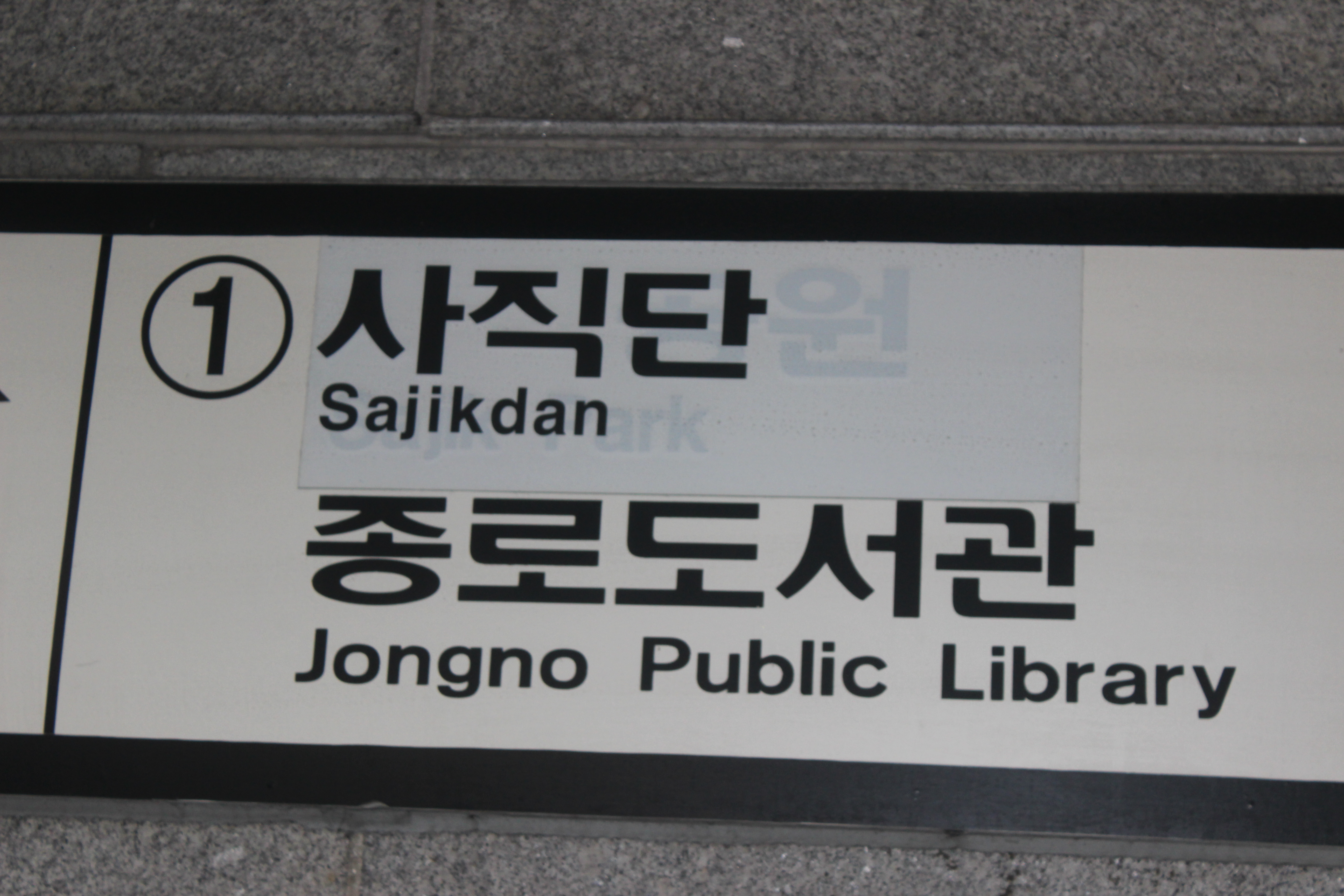
Not that the term “Sajik Park” has been replaced by the term “Sajikdan.” The term has not been fully translated as “Altars of Sa & Jik.” It is astonishing that it has taken so long to change the name.
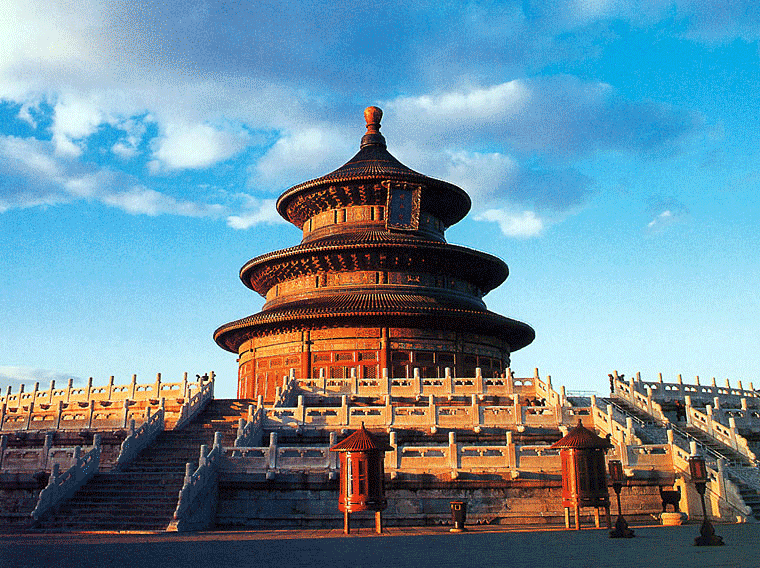
A contrast with the Temple of Heaven in Beijing gives some indication of the cultural difference between Joseon Korea and Imperial China. The understated quality of political power in Korea is extremely impressive and is the key to Korean democracy. By contrast, the spectacle of power in China since the Ming dynasty has profoundly undermined democratic processes and transparency.