Perhaps the most telling statement of
Alexandria Ocasio-Cortez at her meeting with the media (February 7, 2019?) in front
of the Capitol was this one:
“Climate change and our environmental
challenges are one of the biggest existential threats to our way of life.”
Ocasio-Cortez’s comment represents the
manner in which the Democratic Party can take a real issue and turn it into
sawdust with its magic touch. To start with, adding “and our environmental
challenges” to “climate change” significantly weakens the focus and suggests
that there is but a spectrum from climate change, to lead in water to irregular
garbage pickup by the sanitation department. So also the expression “one of the
biggest existential threats” made the term “existential” seem like a colorful booster,
such as those popular with PR firms, or lobbyists, to describe a topic you want
to get tax dollars. It is the equivalent of “robust” or “critical” or “absolute
must.”
Based on my own experience in DC, I am
deeply suspicious that this bright and bold statement was in fact written by a
lobbyist or PR firm.
That interpretation is further supported by her employment of the hopelessly banal expression “threats to our way of life” which makes it seem like there is nothing critical or existential at all about the problem, but rather that in the future we may have to pay more for gas, or for vegetables, or not be able to enjoy our weekends with the kids in the park.
Alexandria Ocasio-Cortez pushes for her borrowed “Green New Deal”
The Democrats have taken the concept and the
content of “Green New Deal” from the Green Party without giving any
credit to Jill Stein and her team. They talked about a broad coalition, but
they did not invite any Greens, or other groups not related to the Democratic
Party. I am a bit shocked at how many are willing to just accept this move and
see it as a revolution in the Democratic Party. The Democratic Party is as
closed as it ever was.
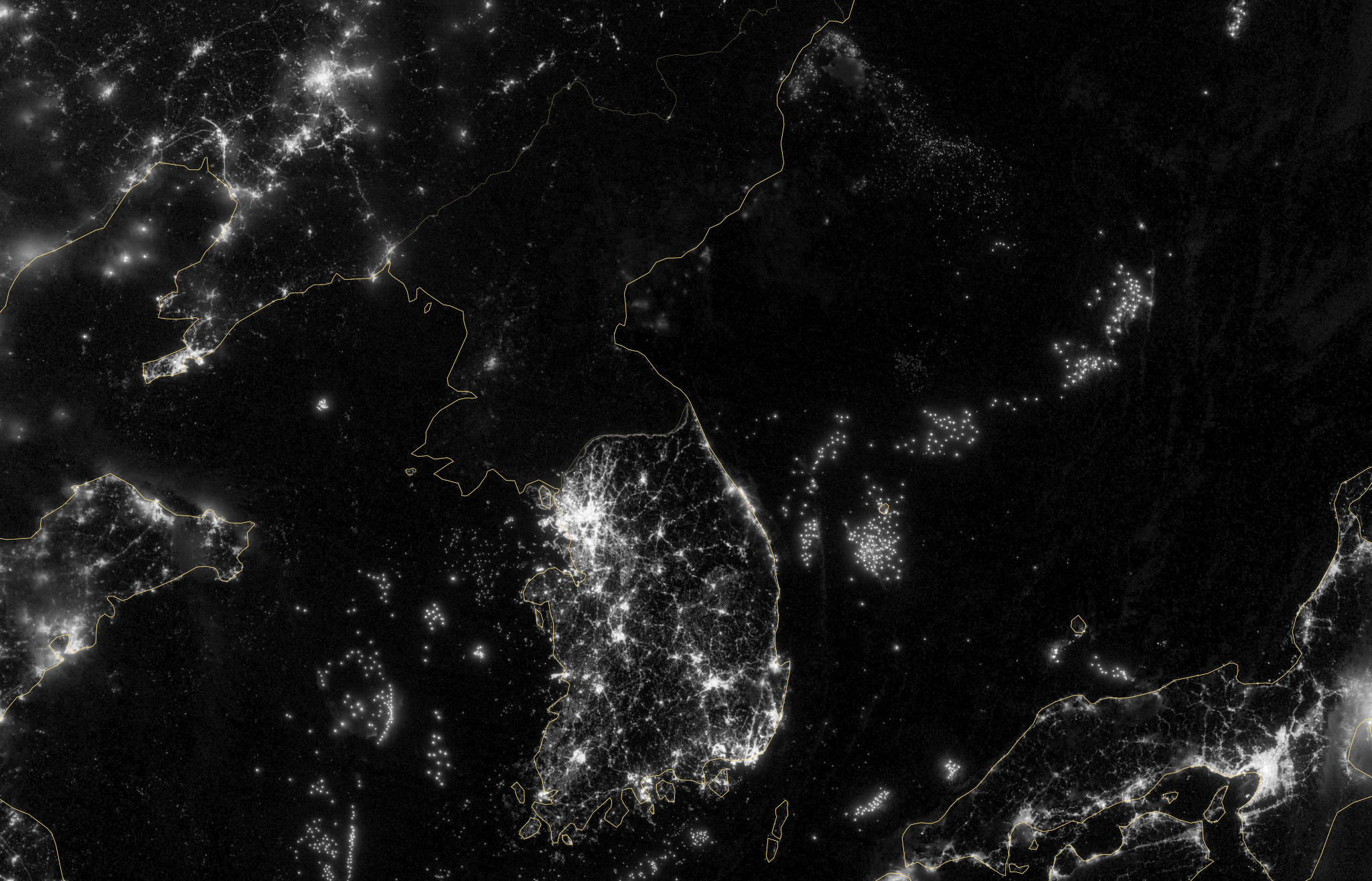
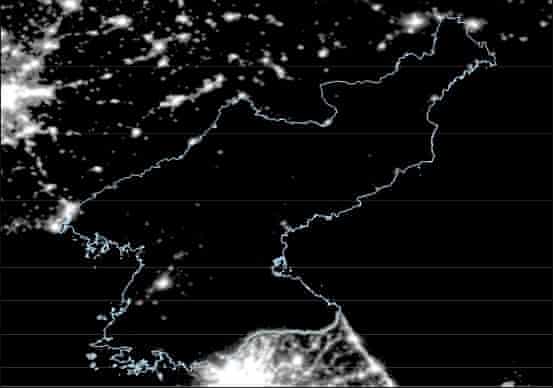
How many times have I seen an American expert pointing to a satellite photo of the Korean Peninsula at night and remarking that the striking difference between the darkness the envelops North Korea and the bright lights that illuminate South Korea, as well as Japan, symbolizes the insularity, the oppressiveness and the pathetically backward economic state of the North. The obvious point is that the brightly lit South is a model of progress, of technology, of democracy and of free markets.
This contrast between the light of
progress and democracy and the darkness of dictatorship and ignorance has a
certain aesthetic perfection that easily feeds the imagination of viewers; the
narrative is intellectually predigested and it goes down smooth.
In the political debate in South Korea,
this narrative is not seriously questioned in the media, among scholars, or
among politicians. The progressive politicians argue that we should engage with
North Korea and invest more in such projects as the Kaesong industrial complex
so that North Koreans can find opportunities for employment and South Koreans
can make profits from the cheap labor and abundant natural resources that North
Korea offers. The conservatives argue that North Korea is a dictatorship and that
it threatens South Korea militarily and cannot be trusted. They say that North
Korea must first open itself up completely to the international business, and
allow complete inspections of all its nuclear facilities.
But the assumptions made by the progressives and conservatives in South Korea do not differ fundamentally. Both are assuming that South Korea is more advanced and that a future North Korea should look more like South Korea where citizens enjoy a far greater GDP, drive cars, live in spacious houses with televisions and smartphone and produce K Pop hits that sell around the world.
Of course, it would be ludicrous to make
an argument that North Korea is a model for others. The closed environment and
the repressiveness of the government is no myth.
But as someone who has lived in South
Korea for twelve years, I have been forced to admit, despite my hesitancy, that
there is something seriously wrong here too. Whether it is the high suicide
rates, the polluted air, the ruthless competition in schools, the deep
alienation felt by young people, the extraordinary dependence on imported food
and imported fuel or the tremendous numbers of the elderly who live in poverty,
there are deep, deep shadows that cross all of South Korea.
There are two important points that are
often buried in the shadows in the official narrative about North and South
Korea. We need to look at North and South Korea from the ground up, not from
high up in space.
I have heard from numerous South Koreans who had the opportunity to visit North Korea that they had a strong sense that something vital had been lost in South Korea when they walked through the small vegetable markets in North Korea, observed the modest décor in the clean-scrubbed hotels and encountered the unadorned and unpretentious behavior of the citizens of Pyongyang.
Such South Korean friends noted that
women in North Korea, although they may not have the luxuries of the South, are
also not under the same pressure to wear makeup and to compete with each other
in consumption. There is not the demand for brand clothing.
South Koreans detect decency in the
manner in which people treat each other on the street in Pyongyang. Many are reminded
of the Korea of the 1960s and 1970s when there were far closer relations in
South Korea between family members, and between members of the community. For
that matter, the absence of automobiles, of youth addicted to cell phones, of
endless advertising that drives people to buy things that they do not need or
want for the sake of profit—all these aspects of North Korea evoke an original
Korean culture that has been lost.
But there is an even more important
issue that has been completely buried in the media of South Korea, and in our
discussions about North Korea.
All the discussion by “experts” by journalists, about North Korea is based on issues involving economic growth, GDP, standard of living, production and consumption. According to these standards, North Korea is helplessly far behind advanced nations, and South Korea in particular. That means that South Korea can be the big brother and teach the North Koreans how to be “advanced” and “modern.” But all those terms are subjective and ideological in nature. The assumption made in South Korea is that wasteful consumption of resources is a positive and that it should be actively encouraged. It is assumed that it is progress to live in bigger, overheated homes and to own automobiles and smartphones.
But there is no scientific evidence,
whatsoever, that underlies these assumptions. They are as accurate as saying
that praying to the moon will bring rain or using leeches to drain blood will
cure the diseases.
In fact, research shows that such behavior patterns focused on consumption can have profoundly destructive effects on society as a whole including deep alienation and increased levels of suicide and substance abuse. That is to say that the assumptions about what North Korea should become, and what South Korea has been successful at, are based on ideology, on unfounded assumptions and on a myth of modernity. The result is that South Koreans are convinced that they are successful even as profound stress and frustration sweep through families.
When we approach this image of the
Korean Peninsula at night using a scientific approach, this image tells a
profoundly different story; the lights and shadows are completely reversed.
The overwhelming opinion among experts
based on objective scientific analysis, not based on ideology, or profit, or
warm fuzzy feelings, is that humanity faces an unprecedented crisis in the form
of global warming (climate change) and that at the current rate we will be
lucky if we manage to avoid extinction as a species.
There are numerous reports and books on
the catastrophic changes in our climate, and the resulting extinctions taking
place already. We can already see in Seoul that mosquitos manage now to survive
until December, and often flowers are found blooming into January. That is just
the beginning of what will be rapid, life threating changes.
If we let things progress as this rate,
the oceans will warm, and grow acidic until fish are extinct, deserts will
spread until much of Earth is uninhabitable and South Korea, hopelessly
dependent on imported food and on the export of fossil-fuel intensive products,
will be devastated
So what should South Korea do if it
wants to survive? The answer is quite clear. It should start looking
more like North Korea in terms of energy consumption and frugality. It should
stop wasting energy and be dark at night, the way it has been for tens of
thousands of years. It should get rid of all the useless lights on apartment
buildings, end those electrified signs on commercial buildings, reduce
dramatically unnecessary internal heating and end the wasteful design of high
ceilings and concrete, glass and steel exteriors found in its buildings. It
should go back to the traditions of frugality and simplicity that characterize
much of its history.
South Korea should be dark at night. Its citizens must
be aware of the tremendous cost of keeping its cities illuminated, in terms of
the expense of importing fuel, in terms of the terrible pollution generated by
subsidized fossil-fuel power plants, in terms of increasing global warming that
is destroying the future for our children.
But there is a deeper, hidden secret. We have been
fed a myth that Korea must grow, must advance, must consume and consume more to
be modern, to be advanced, to be recognized as being special, as opposed to the
unwashed masses of “developing countries.” Becoming modern has been assumed to
be the highest priority for generations. But what is modern if consuming fossil
fuels and wasting natural resources is destroying our ecosystem and damning our
children?
The numerous problems that exist in North Korea are
quite serious, but from the perspective of climate change, South Korea should
be benchmarking North Korea’s low-consumption, rather than planning to vastly
increase consumption and build highways and expensive wasteful apartments.
Many people may find that my words sound odd, even
nonsensical. It is so obvious to many that South Korea’s modernity and its high
level of consumption is a badge of honor, a sign that it is a member of
advanced nations. Consumption considered as a major factor in calculating the state
of the economy? If people consume less (and that means consuming less energy)
then the growth rate will go down.
But if we are facing extinction because climate
change, who cares what stupid things the newspapers tell us about consumption?
We must stop subsidizing fossil fuels immediately. Those numerous lights that
burn all night in South Korea do not represent cultural advancement, but rather
a dark and dangerous game of living for the moment by sacrificing the futures
of our children.
There are infinite meaning and depth, spiritual and personal experience, to be derived from talking with family and friends, from reading books, writing letters and essays, walking in the woods or putting on plays and musical performances for each other. It requires almost no and does far more for us than a jungle of smartphones, lit up Starbucks Cafes, or throw-away plastic toys and cups that we are given, whether we want them or not.
As we think about the future of a unified Korean
Peninsula, we must first move beyond this dangerous concept that being modern
and advanced is a priority. We should ask ourselves rather what does it mean to
be human? How do we live a meaningful and fulfilling life and contribute to
society?
I do hope that North Koreans can live in a freer
way than they do today and that they can eat more nutritious food. Yet they
will not find any nutritious food in the convenience stores that have taken
over South Korea and destroyed the family-owned stores that once gave citizens
economic independence.
But I also hope that South Koreans can be set free also from the invisible chains that bind them to mindless consumption, that force them to consume increasing amounts of coal (heading in the opposite direction of almost every country in the world) and that leave so many feeling deeply alienated from friends and from family because of a brutal culture of endless competition.
The move toward unification must be about freedom
for North Koreans and South Koreans. How unfair it would be if we assumed that
only North Koreans are entitled to be free.
북한의 미래에 관한 논의는 대북 협력 확대를 통한 투자와 비즈니스, 교통망, 전력망, 에너지 협력 등의 증대를 꾀하는 이들과 북한은 아직 완전한
비핵화를 달성하지 못하였을 뿐 아니라, 선진국들과는 달리 민주주의와 자유시장, 국경의 개방을 수용하지 않는 전체주의 국가이므로 국제사회의 신뢰를 얻을 수 없다고 느끼는 이들 간의 싸움으로
비화했다.
지난 해 내내 언론은 이렇게 지극히 단편적인 이야기만 해댔다. 미디어에
드러나는 것 너머의 시사를 통찰하는 시민 토론이 거의 붕괴 지경에 이르렀기 때문에 그런 미디어의 전략이 꽤 효과적일 수 있었다.
더 이상 한국에서 1970년대 또는
1980년대 인사동 찻집에 모여 금서를 논하던 반대파와 학생들을 찾을 수 없다. NGO 모임의
정기적인 토론은 물론, 가정에서 저녁을 먹으며, 학교에서
친구들과, 또는 찻집에서, 정책, 환경 또는 나라의 미래에 대해 토론하던 모습마저 사라졌다. 휴대전화를
통해 유쾌하고 무해한 정보를 수동적으로 습득하는 것이 수동적 인구의 일상이 되었다.
언론이 특정 정책을 “진보”로
또는 “보수”로 규정하면,
대다수의 사람들은 언론의 판단을 그대로 수용한다. 프린스턴 대학교 셸던 월린(Sheldon Wolin) 교수가 언급한 “전도된 전체주의(inverted totalitarianism)”에 이르게 된 것이다. 전도된
전체주의란 상업매체나 광고주의 압력 등 숨겨진 힘에 의해 일상적인 이슈에 대한 담론이 심각하게 제한되는 정치적 상황으로, 복종을 강요하는 독재자 없이도 전체주의적 시스템이 자리잡도록 한다. 이윤을
추구하는 기업의 권력은 우리 시대의 가장 중요한 문제들을 자연스럽게 무시하는 풍토를 만들어냈다.
일례로, 우리는 더 이상 책을 읽지 않는다. 10분 이상 집중할 수 없는 사람이 많다. 기업 미디어는 정보 획득의
장이 되었고, 소셜 미디어는 고양이와 디저트 사진을 보여주거나 이따금씩 기업 미디어가 만들어낸 이미지를
선보일 뿐이다.
한국 사회가 공동의 문제에 대한 담론을 잃었다는 것은 우리 미디어가 지역경제의 붕괴, 외국계 투자은행의 과도한 영향력, 기후변화와 그로 인한 미세먼지의
재앙, 미국 내 일부 세력이 꿈꾸는 세계대전은 언급하지 않는다는 것을 의미한다.
이렇게 제한된 국내의 담론은 남북관계의 발전이 어떻게 비춰지고, 통일은
정확히 무엇을 의미하며, 통일을 어떻게 이끌 것인가에 막대한 영향력을 끼친다. 예컨대, 언론이 문재인 대통령과 김정은 위원장이 포옹하는 사진들을
잔뜩 보여주면, 남북이 DMZ 양측에서 무기를 제거하기 위해
군사적으로 협력했다는 소식, 평양의 번듯한 빌딩이 등장하는 장면 등이 긍정적으로 느껴지게 마련이다.
내용 자체는 모두 긍정적이다. 다만 이를 설명하는 과정에서 세계와
단절, 폐쇄된 봉건-사회주의 국가에 살아야 했던 북한 주민들이
이제는 소비사회의 기쁨을 누리고, 훨씬 부유한 남한의 형제자매들처럼 즐기며 살 수 있게 될 것임을 넌지시
말하고 있다.
하지만 한국도 낙원은 아니다. 한국은 상당한 사회적, 문화적, 경제적 힘을 가졌지만, 그
안에서 많은 이들이 깊은 소외감을 느끼고, 이는 높은 자살율, 일상적인
자기학대와 타인학대를 초래하고 있다. 탐욕스러운 고용시스템도 빼놓을 수 없다. 현재 한국에서는 젊은이들이 어렵사리 일을 찾는다 해도 사회에 봉사하고, 고급
훈련을 받거나 진정한 인생의 결정을 내릴 수 있는 기회는 커녕 커피숍이나 편의점에서 일하게 되는 경우가 많다. 삶의
모든 측면이 이윤을 쫓는 쇼로 변질되었고, 사람들은 이에 지쳐버렸다.
게다가 한국과 미국이 북한을 빈곤과 고립에서 구원하기 위해 제시하는 “민주주의와
시장경제”는 전세계적으로 힘을 잃고 있다. 미국과 일본, 한국, 유럽에서 1930년대와 1940년대 사회주의의 도전에 맞서 진화한 수정 자본주의는 더욱 탐욕적인 형태로, 1990년대보다는 1890년대에 가까운 모습으로 후퇴했다. 프랑스의 갈등을 참고하면 이러한 모순이 더욱 뚜렷해, 한국과 다른
나라가 겪게 될 상황을 엿볼 수 있다.
오늘날 소위 “선진 경제”에서
시장은 단조로운 역할만을 하고 있다. 슈퍼 리치 계층은 경제활동을 독점하고, 해당 계층 구성원이라면 얼마든지 돈을 빌리고 투자할 수 있는 경제적 봉건주의를 확립했다. 반면, 대다수 시민들에게는 극도로 제한된 고금리 대출만이 허용될
뿐이다. 언론은 이렇게 민간 은행과 자본이 악몽 같은 세상을 만드는 과정을 다루지 않고, 정책 결정의 배후에 있는 진정한 의사결정자가 누구인지도 모호하다.
언론이 북한에 도입될 거대한 시장경제를 이야기하는 바로 그 순간, 시장경제는
정작 한국, 프랑스 또는 미국에서 소멸하고 있다. 피터 필립스(Peter Phillip)가 숙고의 연구를 통해 펴낸 저서 “자이언트, 세계 권력의 핵심(Giants: The Global Power Elite)”에서
묘사하는 바와 같이, 슈퍼 리치 계층과 그 조력자들은 이제 서로의 주식을 매입하고, 저금리에 돈을 빌려주는 방식으로 서로를 보호하는 그들 만의 사회를 구성하고 있다. 이에 반해 평범한 사람들은 줄어드는 저임금 일자리라도 잡기 위해 잔혹한 경쟁을 계속해야 한다. 이 착취형 시스템은 “4차 산업혁명”의 산물이다. 4차 산업혁명 시대에는 (글로벌 기관 투자자의 뜻이 아니라, 그저 하늘의 뜻에 따라) 기술로 인해 노동자의 지위가 크게 손상될 것이라 전해진다.
그렇다면 언론이 이렇게 저돌적으로 대북 포용과 새로운 협력의 시대를 보도하는 이면에 은밀히 숨기고 있는 이슈들은
무엇일까? 무엇보다 우리는 누가 무엇에, 왜 돈을 대며, 그로 인해 누가 어떤 이득을 보는 지 등 지저분한 뒷얘기는 하나도 듣지 못하고 있다.
남한과 북한 사이에 철도가 놓인다면, 북한에서 남한까지 석유 또는
천연가스 수송관이 연결된다면, 그 수송관과 그 석유는 누구 소유인지,
석유를 어떻게 팔 것이며 그 수익금은 어떻게 분배할 것인지, 그 수송관을 설치하기 위해
세금이 쓰이는 경우 납세자들도 그 수익금을 일정 부분 돌려받을 수 있는지 등을 우리가 아는 것이 마땅하다.
그런데 우리는 기업들이 어떤 계약을 논의하고 있는지 또는 정부가 북한과 어떤 협상을 진행 중인지에 대해 그야말로
무지하다. 지금 이 시기에는 투명성이 특히 더 중요하다. 광산이나
공장이 정부에 속하는 정부주도형 시스템이 일개 회사 또는 개인이 광산 등 자원에 대한 절대적 통제력을 가지는 자본주도형 시스템으로 변하는 경우에는
비극적인 결과를 낳을 수 있기 때문이다. 예컨대 남한과 북한에 더 큰 빈곤, 더 큰 부의 집중을 불러올 수 있다.
어떤 다국적은행, 어떤 국부 펀드가 어떤 조건 하에서 북한에 투자할
가능성이 있는지 아는 것이 바람직할 것이다. 이 투자자들이 합의를 이행하지 않을 때 북한 또는 남한
주민들을 보호할 장치는 무엇인지, 서명된 (또는 서명할) 계약서를 대중에 공개할 것인지 등을 파악하는 것이 좋다.
북한에 공장을 세울 계획이 있다면 다음의 질문을 해보아야 한다. 누가
그 공장에 돈을 대는가? 수익금은 누구에게 가는가? 누가
그 공장을 소유하는가? 그 공장의 노동자들이 가지는 권리는 무엇이며,
이들은 수익금 중 어느 정도를 받게 되는가? 이들 노동자의 건강을 보호하기 위해 또는 환경에
미치는 공장의 영향력 평가를 위해 어떤 단계들을 수행하는가?
북한은 석탄, 금, 철, 희귀 광물을 채굴하는 광산의 환경 영향성을 평가할 전문지식이 없으므로 전문가와 NGO가 이러한 평가과정에 반드시 참여해야 한다. 그런데 지금 이러한
기구들은 북한 방문 비자 조차 받을 수 없다.
한편, 한국과 일본, 중국, 미국은 베트남이나 미얀마에서 일어난 일들에 크게 관심을 가지지 않았다. 앞으로
북한도 베트남, 미얀마와 비슷한 전철을 밟을 가능성이 있다. 우리는
기업이 베트남의 국유화 자산을 개발하였을 때 평범한 베트남인들에게는 어떤 영향을 끼칠지 생각해보지 않았다. 지금까지
베트남이 번영하고 있다고만 들었는데, 이것은 정확한 설명인가? 그리고
산업화가 베트남의 환경이나 일반 노동자들에게도 긍정적인 영향을 미쳤을까?
우리는 보통 싸게 사서 입고 버리는 옷, 쉽게 소비하는 저렴한 플라스틱, 대수롭지 않게 쓰레기통에 처박는 값싼 스마트폰, 스피커, 선글라스 등에 숨겨진 환경 훼손, 노동자의 피해, 또는 그 밖의 장기적 비용에 대한 토론은 커녕 생각조차 하지 않는다. 솔직히
말하자면 우리는 이 소비사회 안에서 물건에 숨겨진 진짜 비용을 제대로 볼 수 없게 됐다. 이것이야 말로
통일시대의 심각한 문제다.
이제 우리는 북한을 통해 잊혔던 현실을 다시 마주하게 될 것이다. 북한에 20~30개의 석탄 발전소를 건립하면, 이는 생태계의 재앙인 동시에
지구 온난화를 부추길 것이며, 이미 위험한 서울의 대기질을 치명적인 수준으로 끌어내리고 말 것이다. 북한이 이윤을 쫓느라 새로 지어지는 공장에서 나오는 오염물질을 제대로 규제하지 않는 경우, 한국은 그러한 오염에서 자유로울 수 없을 뿐 아니라, 한국 공장들도
북한의 선례를 따를 것이 분명하다.
북한의 형편없는 임금과 허술한 환경 보호는 이미 대기오염으로 신음하는 한국 속으로 빠르게 퍼져 나갈 것임을 반드시
기억해야 한다.
북한 노동자들이 단결권 등 노동자의 권리를 전혀 누리지 못할 경우, 한국
기업들은 이 모델을 따라 한국 내 근로자들을 착취하게 될 가능성이 높다. 다시 말해 우리는 북한이 시장을
개방하면 한국처럼 자유롭고, 행복하고, 부유해질 것이라는
근거 없는 믿음에 빠졌다. 하지만 현재의 개발 모델에서는 한국인들조차 자유와 행복과 부를 잃어가고 있는
것이 실상이다.
아니면 현재 투자은행과 기업이 구상 중인 북한 경제개발계획은 애초에 북한 주민들을 돕기 위한 것이 아닐 수 있다. 북한을 대상으로도 몽고나 베트남 개발에서 그랬던 것처럼 그저 수익성을 생각할 뿐, 사람에 대한 고려는 없는 계획을 구상 중인지도 모르겠다.
부의 집중화는 통일의 어려움을 해결하기 위해 우리가 생각해보아야 할 문제 중,
기후변화 다음으로 중요한 문제이다. 전세계적으로 소수의 몇 명에게만 부가 집중되는 현상이
증가하고 있으며, 특히 한국과 중국에서 이러한 현상이 두드러진다. 이러한
집중화는 법치를 훼손하고, 부패한 미디어의 포장 속에 슈퍼 리치의 사치, 낭비, 화려함을 동경하고 강요하는 문화를 창조한다.
주류 언론의 논조에 따르면, 북한은 가난하고, 남북한 경제에는 커다란 격차가 존재한다. 일반적인 경제용어를 바탕으로
보면 부인할 수 없는 사실이기도 하다.
하지만 이미 한국에 정착한 북한 사람들 중에는 이 곳 생활의 자기중심성, 경쟁, 타인에 대한 무관심 등을 견디지 못하고 다시 돌아가고 싶어하는 이들도 있다.
북한을 방문하는 많은 한국인들이 상업화와 경쟁하는 문화 대신, 예술과 체조, 글쓰기의 목적 자체를 소중히 하는 문화에 큰 감동을 느낀다.
더 큰 문제가 있다. 토마 피케티(Thomas
Piketty)가 “21세기 자본론(Capital in
the Twenty-First Century)”에서 설명했듯이, 소수의 손아귀에 더 많은
부가 집중되게 되면 한반도의 분단은 못 먹고 못 사는 북한과 잘 먹고 잘 사는 남한 사이의 분단이 아니라, 남북한의
평범한 시민은 더 가난해지고, 극소수의 선택 받은 자들만 슈퍼 리치가 되는 분단이 될 가능성이 크다.
현재 남한과 북한 사이에 존재하는 어마어마한 격차를 부인하려는 게 아니다. 다만
부의 집중으로 인한 경제적 왜곡이 훨씬 더 심각하다는 점을 지적하고자 한다.
이런 추세들은 한반도는 이제 매우 다른 문제들을 해결해야 하며, 현
상황에서는 북한에서 한강의 기적”을 재현할 가능성은 없음을 시사한다.
앞으로는 물질적인 발전보다 사회 경제적 정의가 더 중요한 문제가 될 것이다.
통일을 위한 노력은 경제 체계가 보통 사람들에게 미칠 부정적인 영향에 대해서도 반드시 의미 있는 응답을 내놓을
수 있어야 한다. 현재의 경제 체계에서는 전세계 무역항로를 따라 저렴한 물품 운송 시스템이 장려되고, 지역경제가 흔들리며, 오직 대기업만이 합리적인 금융을 누릴 수 있다.
대한민국에서는 개방 경제의 실패로 동네 가게, 동네 공장, 동네 약국, 동네 빵집이 무너진 반면, 스타벅스와 편의점, 프랜차이즈 빵집, 그 밖에 대기업이 진출한 사업들이 번성했다. 대기업들은 값싼 금융을
이용해 수년간 엄청난 손실을 감내할 수 있고, 결과적으로 가족이 경영하는 소규모 비즈니스를 몰아낸다.
그런데 이러한 프랜차이즈에서 일하는 직원들은 장기 고용이나 적절한 퇴직과 건강보험 혜택을 보장받지 못한다. 직원들은 경영과 금융에 대한 의사결정에 어떠한 역할도 할 수 없고, 일하고
있는 지점을 소유할 권리도 없다.
한때 어디서나 볼 수 있었지만 이제는 점점 파산의 위기에 몰리는 소규모 가게들에게는 엄청난 타격이다. 이런 경제학을 북한에 도입할 작정이라면, 북한은 아직 기회가 있을
때 거절해야 한다. 북한에게 가장 중요한 문제는 결국 20년
뒤 또는 50년 뒤 국가로서 어떤 모습이 될 것인가이지, 당장
비디오게임이나 K-Pop 아이돌을 소개해 주민들을 열광시키는 게 아니다.
“통일”이란 무엇인가?
통일의 궁극적인 의미가 혼란스러운 이유는 모호하고 오해의 여지가 있는 방식으로 우리의 통일을 1990년 독일의 통일과 비교하기 때문이다. 늦은 밤 외국인들과 소주
한잔 하며 수다라도 떠는 날엔 이 꿈 같은 비교가 단골손님이다. 언제나 동독은 서독의 경제발전을 따라갈
수 없어 속수무책이었고, 통일 후 동독 사람들의 삶이 좋아졌으며, 그
결과 독일은 더욱 번영하는 강대국이 되었다는 게 그 줄거리다. 한국도 독일처럼 통일의 이점을 누릴 수
있지만, 서독과 동독은 한국과 북한만큼 소득과 산업개발의 격차가 크지 않았던 바, 한국의 통일은 더 오랜 시간을 가지고 진행되어야 한다는 것이다.
남북의 소득 및 산업개발 격차는 긴 통일의 과정 중에 북한의 노동자를 싼 값에 착취하는 한국기업 및 다국적기업의
변명으로 인용되곤 한다. 하지만 북한 노동자가 제대로 보수를 받지 못하고, 전문 기술을 축적하거나 임금을 저축하지 못한다면, 해당 과정은 북한
주민들을 부유하게 만들기 보다는 모든 한국인들의 생활수준을 떨어뜨릴 공산이 크다. 북한 노동자가 적은
월급을 벌어 패스트푸드나 휴대전화에 낭비하게 된다면, 이들의 삶은 더 나빠질 뿐이다.
그리고 한국은 어떻게 지난 수십년간 상대적 경제번영을 누릴 수 있게 되었던가?
그렇게 되기까지의 과정은 “한강의 기적”, 그
중에서도 “기적”이라는 말에 가려져 있다. 한국의 번영은 여러 모순의 종합이지만 기적은 아니다.
한국의 경제 성장은 부분적으로 박정희 대통령의 급격한 산업화계획의 결과였다. 돌이켜보면, 그 급격한 산업화로 한국은 화석 연료와 수입 농산물에 너무 의존하게 되었고 산업화는 더 이상 축복이 아니다. 다만 그의 정책이 효과적이었다는 점 하나는 반드시 인정해야 한다.
박정희 대통령은 만주 개발 모델을 효과적으로 활용해 개발 속도를 높이고, 모든
시민이 마치 거대한 군대의 일부인 듯 국가 사업에 참여하도록 했다.
그러나 이렇게 빨리 산업화로 갈 수 있었던 비결은 외국계 은행과 대기업에서 자본의 통제권을 빼앗아, 정부의 장기 개발 모델 이념에 열정적인 일부 관료들이 그러한 통제권을 갖도록 한 것이었다. 당시 박정희 정부는 국민들의 해외 공금을 전면 제한했고, 국민들이
저축을 통해 (정부 캠페인에서는 저축을 장려) 정부주도 저축계획에
동참, 개발에 자금을 대도록 했다.
또한 한국으로 유입되는 자본을 정부가 통제하여 산업 및 기술의 육성, 기반
시설 개발, 교육에 집중하도록 했다. 이러한 방식은 현재
북한에 계획되고 있는 형태의 단기적 투기 목적에는 사용되기 어렵다.
박정희의 접근방식에는 장점과 단점이 공존했다. 한국 정부와 기업들이
북한의 발전을 위해 그러한 모델을 고려하지 않고 있다는 것만은 확실히 말할 수 있다. 지금까지 장기
프로젝트를 통해 어떻게 북한의 교육수준이 올라갈 것인지, 또는 어떻게 북한의 시민사회를 육성할 것인지, 녹지를 어떻게 구성할 것인지 어떤 이야기도 듣지 못했다. 북한의
차세대 지식층을 키워낼 필요에 대해 일언반구 없었다. 한국에서는 이미 지식인들을 일회용품처럼 쓰고 버리니
그랬는지도 모르겠다.
대기업들이 북한의 발전에 대해 논의하고 있다는 사실 자체가 크나큰 이해의 상충이다. 결국 이 대기업들은 태생적으로 단기적 이익에만 집중하고, 북한의
미래를 계획하는 데 있어서는 아무런 역할도 할 수 없다. 북한의 개발에 대한 논의는 이해의 상충이 없고, 윤리적인 거버넌스에 전념할 수 있는 정부 관료와 전문가들에게 제한하는 것이 옳다.
그럼 다시 1990년 독일의 통일로 돌아가보자. 상당히 오래 전, 상당히 먼 곳에서 일어난 일이다. 당시 서유럽의 경제체제와 산업생산은 훨씬 더 넓은 부의 분배를 지지했다. 노조와
정부의 규제로 오늘날 우리가 (국내외에서) 목격하는 노동자의
착취는 불가능했다. 공산권을 의식하여 경제체제를 견제했고, 부의
집중이 최근처럼 과격할 수 없었던 것이다.
자본주의의 승리로 떠들썩했던 1990년 독일의 통일은 관료주의적 사회주의
대비, 제대로 된 사회복지국가의 강점을 보여주는 것이었다. 그러나
만약 급진적 또는 혁명적 사회주의에 전념하는 반대파의 끊임없는 압력과 비판이 없었다면, 독일에서 (또는 프랑스와 스칸디나비아반도에서) 그런 사회복지국가가 탄생하지
못했을 것이다. 즉, 1990년 승리한 자본주의는 수정된, 희석된 자본주의였다. 공산권의 도전이 없어진다는 것은 앞으로 30년간 세상이 파괴적인 형태로 회귀할 것임을 의미했다
소수가 자본을 독점하고 시민들에게 공허한 소비문화를 강요하는 이 악몽 같은 세상과 급작스러운 기후변화의 등장은
무관하지 않다. 유감스럽게도 언론은 소극적이나마 기후변화를 보도하면서 먼 미래의 일인 것처럼 했다. 과학전문가들은 남은 시간이 없다고 외치는 와중에도 말이다.
기후변화 대응은 통일 정책의 중심이 되어야 한다. 그러나 정부와 기업들은
북한이 환경문제 없이 수십년은 개발을 지속할 수 있다고 태평스러운 가정을 하고 있다. 이 자체로도 위험한
사기행각이지만, 한국이나 동남아시아에서 석탄 사용을 장려하는 것보다는 낫다.
분단의 한반도, 특히 북한이 냉전의 마지막 잔재라는 것 역시 근거
없는 믿음 중 하나다. 북한은 정말 자유로운 개방시장, 자유로운
의견 교환, 민주적인 과정을 통한 개인의 잠재력 실현 등 새로운 세계 질서 곁을 방황하는 한물간 사회주의의
잔재인가? 오늘날 파리의 길 위에서 정부에 맞서 싸우는 사람들은 세상을 그렇게 보지 않는 게 확실하다.
자연환경을 파괴하고 전통적인 농부들을 가난으로 몰아넣는 거대 기업형 농업과 싸우는 사람들은 서구세계에서 파라다이스를
찾지 못했다. 물론 북한이 부패의 늪에 빠져 주민들을 억압하며 너무 오랫동안 잘못된 길을 걸어온 것은
사실이다. 그러나 우리는 북한의 이런 문제를 해결하는 길이 싱크탱크를 통해 정부에 정책을 강요하는 무자비한
다국적 은행들로부터 나오지 않으리라는 것을 안다.
한반도의 비극적인 분단을 가장 강력하게 드러내는 상징인 비무장지대, 즉 DMZ를 생각해 보라.
나이든 세대에게 DMZ는 사회주의와 자본주의의 세계, 국가의 경제 통제와 민주적이고 자유로운 사회 간의 가슴 아픈 분열을 뜻한다.
그들에게 DMZ는 유럽 등지에서 이미 극복한 개인의 고통과 과거의
분열을 기리는 기념물이다. DMZ는 인터넷과 함께 국경이 사라지는 시대, 자유 무역과 자유 관광의 시대, 지난 30년간 자유 무역이 세계의 통합한 지금에도 기묘한 모습으로 남아있다.
이보다 효과적으로 DMZ를 묘사할 수 없을 것이다. DMZ를 다른 시각으로 바라볼 수도 있을까?
젊은 세대에게 DMZ가 무엇인지 물어본다면, 그들은 DMZ를 과거의 잔재가 아니라, 다가올 미래, 다시 말해 자본과 상품, 슈퍼 리치는 어디든 돈이 되는 곳이면 자유롭게 갈 수 있지만 보통 사람들의 이동은 제한되는 미래의 전조라 할
지 모른다.
우리는 팔레스타인 가자지구를 둘러쌓고 있는 장벽에서, 미국과 멕시코
사이에 도널드 트럼프가 건설 중인 거대한 장벽에서 DMZ의 후예들을 만난다. 이들 벽은 가난한 자들을 차단하고, 무력을 사용해 글로벌 투자가
야기한 경제적 갈등을 해결한다.
바로 우리 주변에도 벽이 쌓이는 중이다. 부자만의 세상을 둘러싼 벽, 안락한 삶을 즐기는 그들이 자신과 급이 다른 사람들을 마주치지 않도록 쌓는 벽이다. 이는 한국 뿐 아니라 우리 사회의 모든 곳의 급진적 분열이 편협한 이해관계를 공유하는 작은 집단들로 세분화되고
있음을 암시한다.
드러나지 않은 통일정책의 선례
통일 프로젝트를 더욱 면밀히 보기 위해서는 통일계획을 수립 중인 한국정부와 기업들의 잠재의식 속에 정확히 어떤
통일 모델이 자리잡고 있는지 생각해봐야 한다. 물론 그들은 독일 통일을 이야기할지 모르지만, 독일의 통일 과정은 한반도의 역사나 한국인의 본능적인 반응과는 거리가 멀다.
한국은 과거에도 경제적, 정치적, 사회적
통일을 이룬 바 있다. 한반도는 신라나 고려시대에도 통일되었지만, 시간상
너무나 먼 과거이기 때문에 한국인의 마음에 즉각적인 영향을 미치지 못했다.
다만, 영향력은 없다 해도 한국 사람들의 의식 속에 숨겨져 있는 것, 한국인들이 경제 발전과 통일에 대해 생각하는 방식을 형성한 그것은 무엇인가?
비교적 최근에도 대규모 경제, 정치적 통일 프로젝트의 선례가 있었다. 1936년 일본인 조선총독에 의해 체결된 “제1차 만주-조선 협력협정 (第一次滿朝協定)” 이다. 해당 협정은 만주와 조선 모두의 빠른 산업화와 효과적인
경제문화적 통일을 위해 “만주와 조선은 하나(滿朝一如)”라는 비전에 시동을 걸었다.
1930년대 후반, 한국의
신문들은 한국 기업들은 값싼 만주 노동력을 활용하고, 만주의 천연자원(석탄, 광물, 비옥한 토양)을
이용해 빠르게 부를 창출할 수 있는 엄청난 기회를 얻었다고 보도하기 바빴다.
2014년에 박근혜 전 대통령이 북한과의 통일은 “대박(bonanza)”이라고 했을 때, 대통령이 사용한 대박이라는 단어가 좀 이상하게 느껴졌다. 사실 그
말은 1930년대 만주가 제공한 경제적 기회를 설명하기 위해 자주 썼던 “천금을 낚아챈다”, 즉 일확천금(一攫千金)의 표현을 현대식으로 직역한 것이다.
박대통령이 1930년대 조선과 만주의 정치경제적 통합을 생각하고 그런
말을 한 건 아니었을 것이다. 그러나 조선과 만주가 통합된 그 과정을 통해 많은 조선의 가정이 오늘날까지
계속되는 부를 얻었다. 미묘하지만 분명한 울림이 있었다. 아마도
그녀의 무의식 속에 그런 개념이 내재되어 있었던 듯하다.
박 대통령은 자신의 아버지인 박정희 전 대통령으로부터 정치와 경제를 배웠고, 아버지가
야심 찬 젊은이로서 경제 붐을 이용하고자 만주로 가 권력을 얻기 까지를 주목한 것이다. 19세기 수많은
미국인들이 “Go West” 라는 치명적 유혹에 홀렸던 것처럼,
1930년대의 한국인들도 1930년대 만주라는 넓은 땅으로 달려갔다.
지금 한국인들에게 북한의 개발이 어떻게 묘사되고 있는지, 그리고 1930년대 만주의 개발이 어떻게 사람들의 마음을 끌었는지를 보면, 그
유사함이 충격적이다.
그러나 이번만큼은 그 비극적 길을 따라갈 필요가 없다. 우리에게는
스스로 길을 찾고, 착취나 대규모 자본투자에 의존하지 않고도 한반도와 동북아시아의 새로운 개발 모델을
만들 수 있는 능력이 있다.
통일은 반드시 시민운동이어야 한다. 자본가가 가져갈 수익을 걱정하지
않고 개인들의 잠재력을 완전히 실현하도록 하는 사람들 사이의 거래여야 한다. 통일은 시민들이 비전을
나누고, 실현할 수 있도록 문화와 표현을 되살리는 문화운동이어야 한다.
한반도의 젊은이들이 힘을 모으고, 자신의 권리를 강화할 수 있는 사회를 만드는 청년 운동이어야
한다.
통일은 사회 문제, 환경 문제, 그
밖에 모두가 공유하는 문제에 집중하는 동시에, 군국주의와 거대한 권력 경쟁에서 벗어난 평화운동이어야
한다.
“What the Internet is Doing to Our Brains: The Shallows” has had a deep impact on my thinking about disturbing trends in our society that I had already noticed. Carr demonstrates, with reference to scientific research and philosophical insights, how the computer and the resulting internet (and related market-driven stimulations) are remapping our brains and creating a social and intellectual wasteland in the midst of an unprecedented wealth of information. I have selected a few critical quotes from Carr’s book and will refer to him in an upcoming article.
It is truly “information everywhere but
not a drop to contemplate.”
Nicholas Carr
But the news is not all good. Although
neuroplasticity provides an escape from genetic determinism, a loophole for
free thought and free will, it also imposes its own form of determinism on our
behavior. As particular circuits in our brain strengthen through the repetition
of a physical or mental activity, they begin to transform that activity into a
habit. The paradox of neuroplasticity, observes Norman Doidge,
is that, for all the mental flexibility that it grants up, it can end up
locking us into “rigid behaviors.” The chemically triggered synapses that link
our neurons program us, in effect, to want to keep exercising the circuits
they’ve formed. Once we’ve wired the new circuitry in our brain, Doidge writes,
“we long to keep it activated.” That is the way the brain fine-tunes its
operations. Routine activities are carried out even more quickly and
efficiently, while unused circuits are pruned away. (page 34)
The potential for unwelcome neuroplastic
adaptations also exists in the everyday, normal functioning of our minds. Experiments
show that just as the brain can build new or stronger circuits through physical
or mental practice, those circuits can weaken or dissolve with neglect. “If we
stop exercising our mental skills,” writes Norman Doidge, “we do not just
forget them: the brain map space for those skills is turned over to the skills
we practice instead.” Jeffrey Schwartz, a professor of psychiatry at UCLA’s
medical school, terms this process “survival of the busiest.” The mental skills
we sacrifice may be as valuable, or more valuable, than the ones we gain. When it
comes to the quality of our thought, our neurons and synapses are entirely
indifferent. The possibility of intellectual decay is inherent in the
malleability of our brains. (page 35)
“A new medium is never an addition to an
old one,” wrote McLuhan in Understanding
Media, “nor does it leave the old one in peace. It never ceases to oppress
the older media until it finds new shapes and positions for them.” His
observation rings particularly true today. Traditional media, even electronic
ones, are being refashioned and repositioned as they go through the shift to
online distribution. When the Net absorbs a medium, it re-creates that medium in
its own image. It not only dissolves the medium’s physical form; it injects the
medium’s content with hyperlinks, breaks up the content into searchable chunks,
and surrounds the content with the content of all the other media it has
absorbed. All these changes in the form of the content also change the way we
use, experience, and even understand the content.
(page 89)
What can science tell us about the
actual effects that Internet use is having on the way our minds work? No doubt,
this question will be the subject of a great deal of research in the years
ahead. Already, though, there is much we know or can surmise. The news is even
more disturbing that I had expected. Dozens of studies by psychologists,
neurobiologists, educators and Web designers point to the same conclusion: when
we go online, we enter an environment that promotes cursory reading, hurried
and distracted thinking, and superficial learning. It’s possible to think
deeply while surfing the Net, just as it is possible to think shallowly while
reading a book, but that’s not the type of thinking the technology encourages
and rewards. (page 115)
One thing is very clear: if, knowing
what we know today about the brain’s plasticity, you were to set out to invent
a medium that would rewire our mental circuits as quickly and thoroughly as
possible, you would probably end up designing something that looks and works a
lot like the Internet. It’s not just that we tend to use the Net regularly,
even obsessively. It’s that the Net delivers precisely the kind of sensory and
cognitive stimuli—repetitive, intensive, interactive, addictive—that have been
shown to result in strong and rapid alterations in brain circuits and
functions. With the exception of alphabets and number systems, the Net may well
be the single most powerful mind-altering technology that has ever come into general
use. At the very least, it’s the most powerful that has come along since the
book. (page 116)
As we go through these motions, the Net
delivers a steady stream of inputs to our visual, somatosensory, and auditory
cortices. There are sensations that come through our hands and fingers as we
click and scroll, type and touch. There are the many audio signals delivered
through our ears, such as the chime that announces the arrival of a new e-mail
or instant message and the various ringtones that our mobile phones use to alter
us to different events.
The net also provides a high-speed
system for delivering responses and rewards—“positive reinforcements,” in
psychological terms—which encourage the repetition of both physical and mental
actions.
(omitted)
The Net commands our attention with a
far greater insistency than our television or radio or morning newspaper ever
did.
(page 117)
This is particularly true for the young
who tend to be compulsive in using their phones and computers for texting and
instant messaging. Today’s teenagers typically send or receive a message every
few minutes throughout their waking hours. As the psychotherapist Michael
Hausauer notes, teens and other young adults have a “terrific interest in
knowing what’s going on in the lives of their peers, coupled with a terrific
anxiety about being out of the loop.” If they stop sending messages, they risk
becoming invisible. (page 118)
The constant distractedness that the Net
encourages—the state of being, to borrow another phrase from T.S. Eliot’s Four
Quartets, “distracted from distraction by distraction” –is very different from
the kind of temporary, purposeful diversion of our mind that refreshes our
thinking when we’re weighing a decision. The Net’s cacophony of stimuli
short-circuits both conscious and unconscious thought, preventing our minds
from thinking either deeply or creatively. Our brains turn into simple
signal-processing units, quickly shepherding information into consciousness and
then back out again. (page 119)
What we’re not doing when we’re online
also has neurological consequences. Just as neurons that fire together wire
together, neurons that don’t fire together don’t wire together. As the time we
spend scanning web pages crowds out the time we spend reading books, as the
time we spend exchanging bite-sized text messages crowds out the time we spend
composing sentences and paragraphs, as the time we spend hopping across links
crowds out the time we devote to quite reflection and contemplation, the
circuits the support those old intellectual functions and pursuits weaken and
begin to break apart. The brain recycles the disused neurons and synapses for
other, more pressing work. We gain new skills and perspectives but lose old
ones. (page 120)
But brain scientists have come to
realize that long-term memory is actually the seat of understanding. It stores
not just facts but complex concepts, or “schemas.” By organizing scattered bits
of information into patterns of knowledge, schemas give depth and richness to
our thinking. “Our intellectual prowess is derived largely from the schemas we
have acquired over long periods of time,” says John Sweller. “We are able to
understand concepts in our areas of expertise because we have schemas associated
with those concepts.”
(page 124)
Imagine filling a bathtub with a
thimble; that’s the challenge involved in transferring information from working
memory into long-term memory. By regulating the velocity and intensity of
information flow, media exert a strong influence on this process. When we read
a book, the information faucet provides a steady drip, which we can control by
the pace of our reading. Through our single-minded concentration on the text,
we can transfer all or most of the information, thimbleful by thimbleful, into
long-term memory and forge the rich associations essential to the creation of
schemas.
With the Net, we face many information
faucets, all going full blast. Our little thimble overflows as we rush from one
faucet to the next. We’re able to transfer only a small portion of the information
to long-term memory, and what we do transfer is a jumble of drops from
different faucets, not a continuous, coherent stream from one source. (page
124)
Still, [Google’s] easy assumption that we’d all “be better off” if our brains were supplemented, or even replaced, by artificial intelligence is as unsettling as it is revealing. It underscores the firmness and the certainty with which Google holds to its Taylorist belief that intelligence is the output of a mechanical process, a series of discrete steps that can be isolated, measured, and optimized. “Human beings are ashamed to have been born instead of made,” the twentieth-century philosopher Gunther Anders once observed, and in the pronouncement of Google’s founders, we can sense that shame as well as the ambition it engenders.
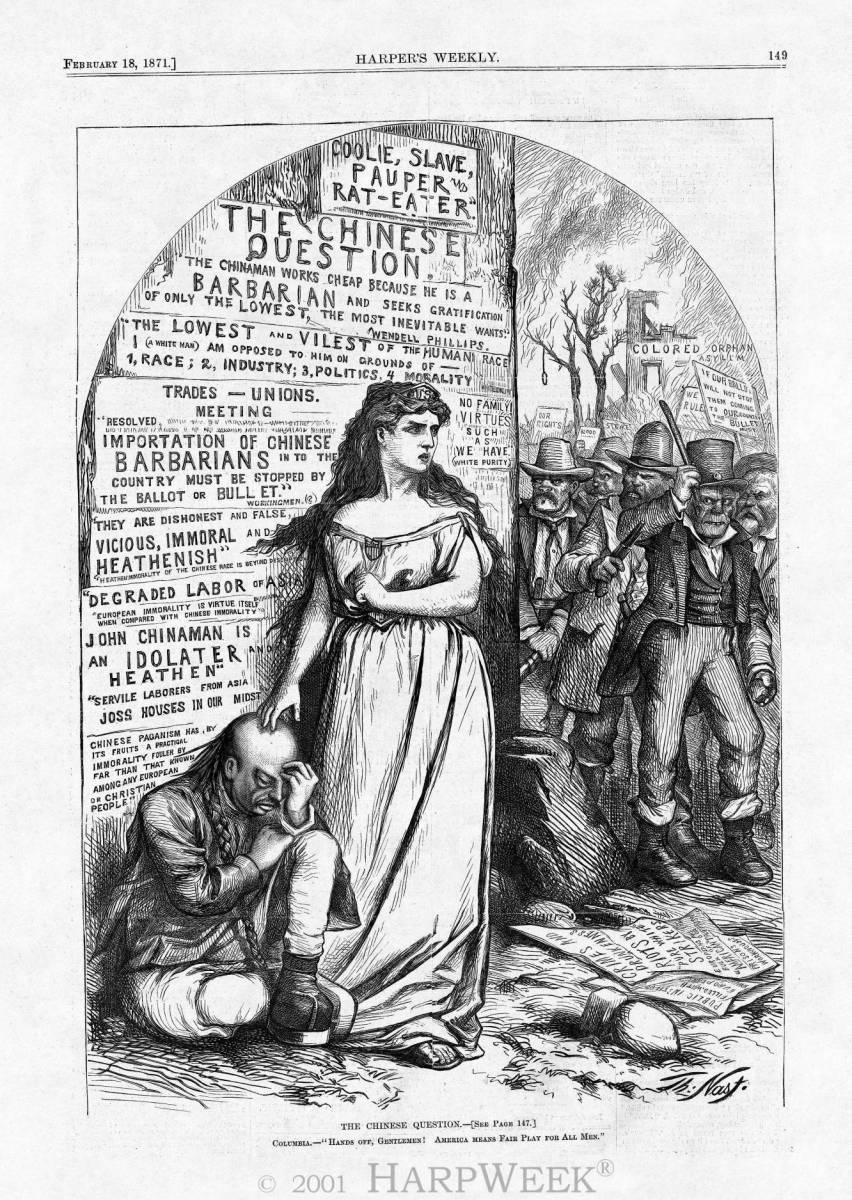
Harpers Weekly The Chinese Question “Hands off, Gentlemen! America means fair play for all men.”
Cartoon by Thomas Nast from
February 18, 1871,
The Chinese Question “Hands off, Gentlemen! America means fair play for all men.”
New York Times source:
The Harper’s Weekly article dismissed the purported “Chinese invasion” as “altogether mythical,” and argued that most Americans “still adhere to the old Revolutionary doctrine that all men are free and equal before the law, and possess certain inalienable rights …” That sentiment is reflected in Nast’s cartoon, where Columbia, the feminine symbol of the United States, shields the dejected Chinese man against a gang of thugs, whom she emphatically reminds that “America means fair play for all men.”
The armed mob includes stereotypes of an Irish American (second from right), perhaps a German American (on the far right), and a “shoulder-hitter” (far left), who enforced the will of urban politicians (like Tweed) with threats or acts of violence. The imagery in the back alludes to the Civil War draft riots of 1863, during which angry, largely Irish American, mobs in New York City protested the Union draft and Lincoln’s Emancipation Proclamation by burning the Colored Orphan Asylum and lynching blacks. For years after, Nast incorporated those images into his cartoons as symbols of the alleged Irish-American and Democratic penchant for violence and mob rule.
“Wildfire: Two Roads Diverging in a Woods on
Fire: The spread of climate chaos and trends in global response today”
Daniel Garrett
Senior Associate
The Asia Institute
Response by
Emanuel Pastreich
President
The Asia Institute
(
Moderated by
Rachel Stine
Researcher
The Asia Institute
7-8 PM
Monday, February 18, 2019
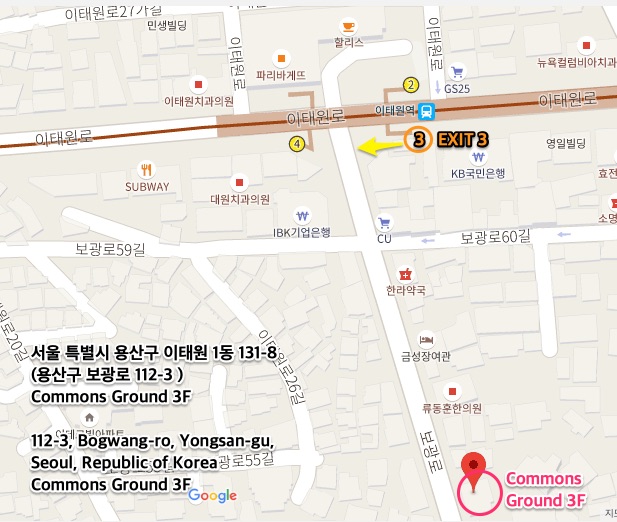
The Earth System is transitioning to a new phrase – that of Hothouse earth. We see climate refugees everywhere at the same time that right-wing governments that derive their power from racism, nativism, and other forms of the “fear of the other” purposely ignore the threat. The wildfire of climate chaos already been lit and will burn even brighter. In this seminar, former State Department official Daniel Garrett and refugees’ rights advocate Rachel Stine will explore the following topics: 1.) How can we preserve a livable environment? 2.) What new forms of governance – and approaches to living will be demanded in such difficult times? What can we do now and during the climate chaos to improve the chances that eco-civilizational and climate justice models emerge victorious rather than the “vultures” of disaster capitalism? Join The Asia Institute for this exciting first event of 2019.
@ Commons Foundation
Daniel Garrett is a retired U.S. Department of
State diplomat. His areas of expertise include human rights, trafficking
in persons, Himalayan regional issues, climate change and international
trans-boundary water issues. He is currently working to facilitate the
accelerated emergence of innovative ideas and technologies that make it
possible for human civilizations and their infrastructures to be seamlessly
interwoven in a productive manner into the earth systems which sustain and
support them.