Comics on Economics:Korea’s Hidden Strength

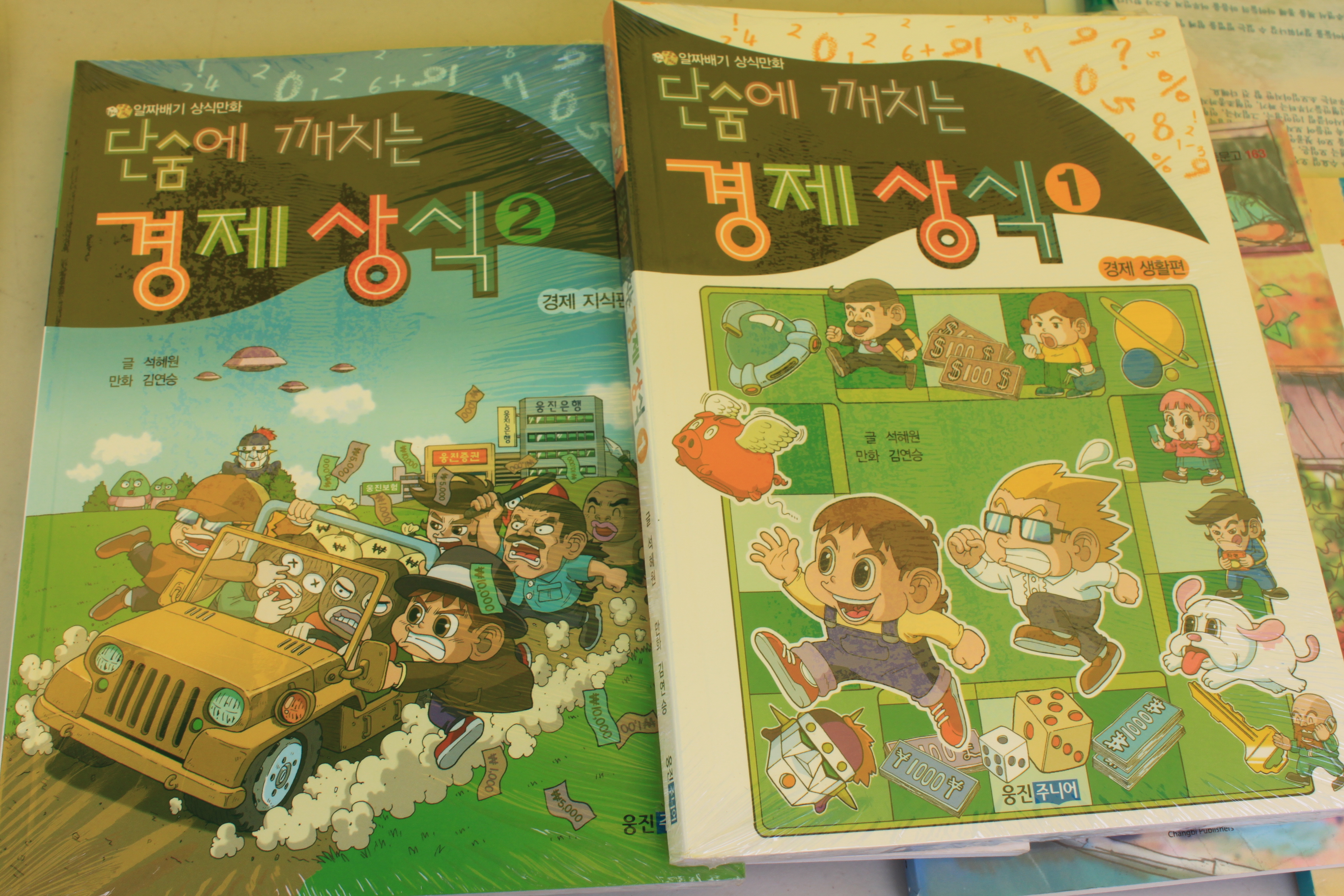
I have noted previously that one of the outstanding aspects of Korean education is the development of educational comic books aimed at elementary school students that present rather complex information about contemporary society and the world in a readable and entertaining manner. These educational comic books are so well done that I think they deserve to be translated into English for international use.

Read more

A Day of Fasting in Seoul

I decided to fast for the entire day on Saturday, June 23. There were a variety of reasons why I did so. I last fasted in 1997. I did so at that time in solidarity with the starving people in North Korea. I felt that I needed to know what it was like to go hungry, granted for me it was just a short experiment. In 1997, I did so at a time when a large number of people were fasting for that same purpose.

Read more

Sungmisan School in Seoul: A remarkable Approach to education.

I had a chance to visit the Sungmisan School (성미산학교) in Seoul today for their yearly festival and I spoke a few minutes with one of its founders, Yu Chang-bok (유창복) and the current principle Park Bok-seon (박복선).

Founded in 1996, Sungmisan School is one of the best-known of the alternative schools in Korea, running a program from nursery school through high school—and there is even a plan to establish a university. The school puts a tremendous emphasis on the role of students in society, and particularly courses related to the environment and agriculture (while the school is located in the middle of Seoul).

Read more

Big Data Health in Korea: A Brave New Body?

This article suggests the new concept of “big-data based health IT services” in Korea. The potential for innovation is considerable as many in the United States and Europe would simply not tolerate this use of information. But in Korea, and in China, and elsewhere, it could well be a new model.

MK Business News

2012.05.21

SKT, KT venture into big data health IT business

Yoo Ki-yoon (aged 51) recently received a personalized healthcare plan based on genome analysis, which processes the patient’s medical and family history and offers relevant healthcare information. This comprehensive health IT service suggests which hospital to visit

Read more

Deb Havens & Arthur Park of Grand Rapids, Michigan call for a Korean Cultural Center

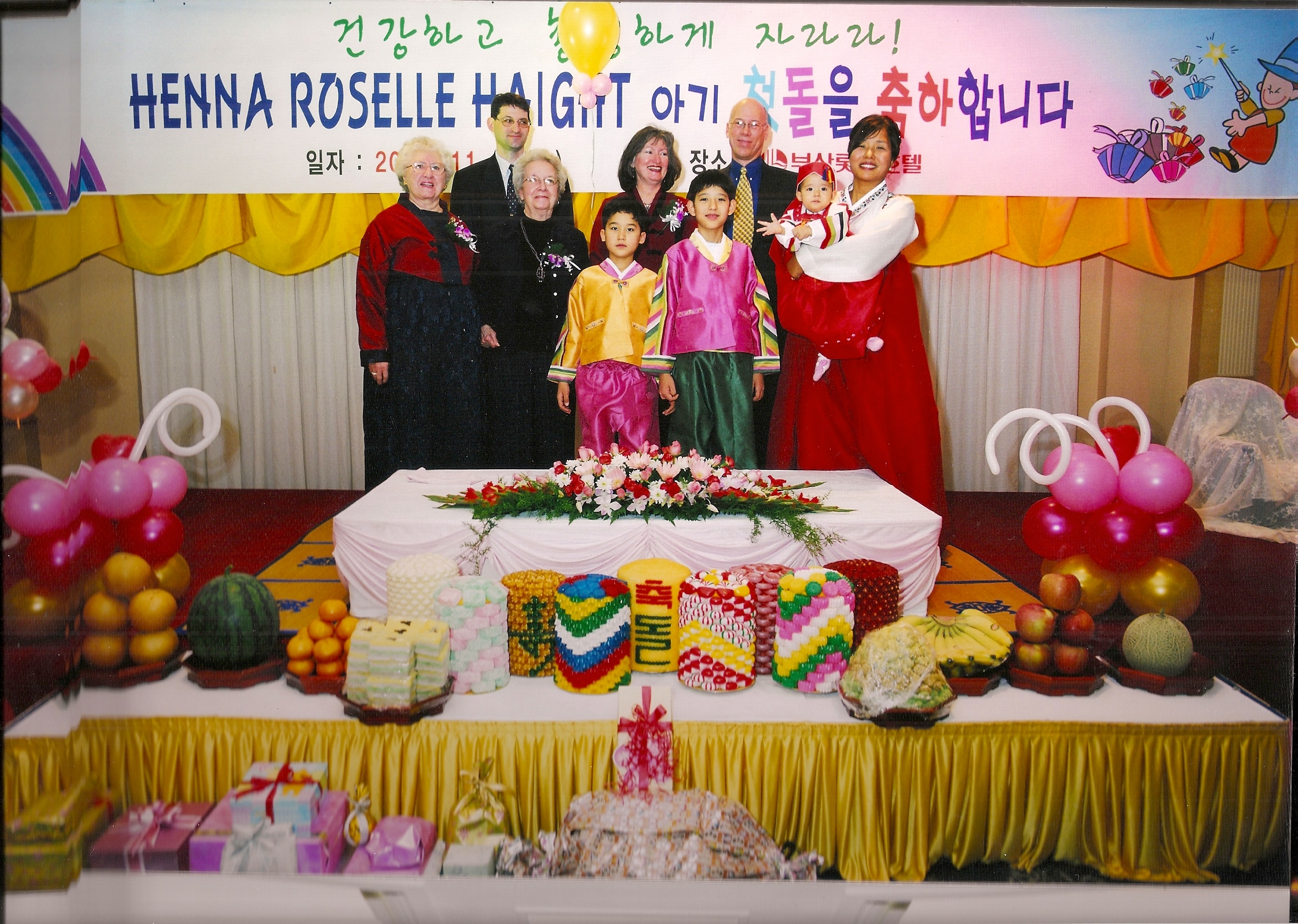
I recently received a note from two individuals in Grand Rapids, Michigan, who have engaged in an in ambitious project to build a center for Korean culture in Grand Rapids that could serve as a hub for introducing Korea to Americans. Tragically, although Americans drive Hyundais and watch Samsungs, many know more about North Korean missiles than they do about Korean history and culture. The approach put forth is very innovative and inspired. Dr.Deborah Havens, a scholar who has taken a deep interest in Korean culture since her son Haight married an Korean woman (and she was blessed with three grandchildren with Korean roots), has teamed up with the Korean-American Professor Arthur K. J. Park to launch a new initiative for education about Korea in the United States. Professor Park has already started his own effort to introduce Korea to Americans through his Morning Crane Tea and Morning Earth Korea projects (including cultural tours to Korea).

Deborah Haven’s family: Mrs. Haven’s mother is on the far left next to her mother-in-law. She is next to her husband David Charles Limbaugh who served in the Korean War. Their grandsons Brennan and Henry are in front, next to Henna and her daughter-in-law Jungson.

Read more

“외국학생의 한국어 능력 떨어지는 까닭” (서울신문)

서울신문

2012년 5월 16일

“외국학생의 한국어 능력 떨어지는 까닭”

임마누엘 페스트라이쉬 

전 세계적으로 한국어 교육 열풍이 일고 있다. 한국 대학에서 한국어로 강의하는 수업을 듣는 외국인 학생들의 수도 상당히 늘어났다. 한국인들은 한국어를 배우려는 외국인들을 낯설어하면서도 상당히 잘해 주려고 한다. 그러나 애석하게도 그러한 친절함이 도리어 부정적인 결과를 가져오기도 한다. 가장 심각한 문제는 많은 외국학생이 고급 한국어를 구사할 정도로 배우지 못하고 있으며, 복잡한 내용의 표현이나 멋들어진 에세이를 쓰지 못한다. 이는 부분적으로 한국어 교재의 부재, 혹은 한국어 교육지침이 제대로 되어 있지 않기 때문이다. 그러나 더욱 큰 문제는 한국어를 배우려는 외국인들에 대한 한국인의 선입견에 있다.

Read more

“Every Practitioner of International Relations Should Major in Literature” (essay)

Emanuel Pastreich

“Every Practitioner of International Relations Should Major in Literature”

May 14, 2012

The Study of Literature and International Relations

There is a general assumption in the study of international relations that one should have a strong background in economics, development policy or the study of international relations if one wishes to play a significant role in diplomacy or security, whether that role is in government itself, or in the broad range of disciplines related to the global exchanges between NGOs, governments and corporations.

Well, as someone who did not take a single economics class as an undergraduate, and who did not start following international relations with any real seriousness until I was already a professor at University of Illinois, I feel a need to justify why I came to both write about international relations, and to be involved in a variety of activities related to international relations and

Read more
Political and Apolitical Reasons for Drinking Coffee in Korea

When I wrote the article about the “Café Revolution in Korea,” I did not go into a sufficient consideration of what is driving this craze for cafes. I would say that they make no economic sense. There seem to be cafes sprouting up on every corner and in the case of the road leading up the Kyung Hee University, I would go as far as to say that it is almost wall to wall coffee shops, many empty.

Read more