2013 GCF YOUTH CLIMATE SUMMIT for High School Students

2013 GCF YOUTH CLIMATE SUMMIT

July 12-14, 2013

Songdo Global Campus

Songdo International City, Korea


. Introduction

The historic decision to locate the Green Climate Fund in Songdo International City in the Republic of Korea presents a remarkable opportunity to discuss the significance of significance of this commitment on the part of the international community to address environmental issues. The Asia Institute and HOBY (Hugh O’Brian Youth Leadership) Korea present an unprecedented youth climate summit that brings together the most capable and passionate high school students to debate thoughtfully the future of the environment, the significance of the Green Climate Fund and the role that youth can play, starting today, to address climate issues. The 2013 GCF Youth Climate Summit brings two Harvard Professors together with Professors from Seoul National University and Kyung Hee University for a challenging and inspiring set of exercises, lectures and debates about climate issues and the role of youth that will inspire and prepare the next generation.


The GCF Youth Climate Summit consists of the following activities:


1. Lectures

Invited lectures by outstanding experts on environmental and policy issues, culture and climate, leadership, personal development, and inspirational volunteerism that provide students with an extraordinary opportunity for direct interaction.


2. Leadership Dynamics

A series of activities, simulations and games designed to forge close relations between students and encourage leadership skills among participants.


3. Responding to Real Issues

The symposium demands that participating youth wrestle with actual issues and current policy challenges, working closely together with each other and representatives from international NGOs and the United Nations Environment Programme.


4. Additional activities

Youth will have the unique opportunity to engage in intense group discussions with other outstanding young people from around the world and to compete through presentations and other applied exercises.


. Speakers


Confirmed Speakers:


● Marc Shell, Professor of Literature, Harvard University & Associate of Harvard Center for the Environment

● Michael Puett, Professor of Chinese History, Harvard University

● Johannes Maximilian Tschapka, Professor of Geography Education, Seoul National University

● Emanuel Pastreich, Director of the Asia Institute & Professor of International Studies, Kyung Hee University


For more see click here at the Asia Institute

‘다른 대한민국’ 꿈꾸는 임마누엘 교수 (연합뉴스)

연합뉴스 

2013년 3월 07일 

강진욱 기자

다른 대한민국’ 꿈꾸는 임마누엘 교수

“내·외국인 구별 없이 나라 발전에 필요한 재능을 발휘할 수 있는 대한민국이 되면 좋겠습니다.”

올해부터 경희대 국제대학원에서 한-중-일 3국 문화와 동아시아학을 강의하는 이만열(미국명 임마누엘 페스트라이쉬·49) 부교수는 7일 연합뉴스와의 인터뷰에서 “미국인이면서 한국인으로 살고 있으니 한국이 앞으로 나아가야 할 진로를 모색하는 의미에서 책을 쓰고 있다”며 이렇게 말했다. 책 제목이 ‘다른 대한민국'(가제)이다.

이 교수는 지난 2년간 경희대 후마니타스칼리지에서 학생들을 가르쳤고, 올해 이 대학 국제대학원으로 자리를 옮기며 부교수가 됐다. 그는 “한국에 온 지 6년 만에 비로소 전문가로 대우받는다는 느낌”이라고 털어놓았다.

Read more

Asia Institute Seminar with Professor Benjamin Barber, March 25, 2013


The Asia Institute presents with HOBY Korea this unprecedented opportunity to speak directly to the world-famous scholar Professor Benjamin Barber and join him for an intimate lunch on Monday, March 25, 2013. The event is aimed specifically at those engaged in the education of high school students as this event is leading up to the Asia Institute’s GCF Youth Green Fund Symposium for high school students (July 12-14, 2013). Please contact me: epastreich@asia-institute.org

Read more

A Revolution in Seoul! The Return of the Fortress Wall

For the last sixty years, Seoul has been trying to forget its past and establish a new image, both at home and abroad, as a truly international city. Those bits of old Seoul, whether the palaces or old hanok houses, strike the observer as incongruous traces of a completely different world that somehow avoided the wreckers ball. Moreover, a key aspect of Seoul’s project for modernization has been the integration of the northern and southern banks of the Hangang River into one modern global city connected by freeways. It seems that the old streets crowded with grocery stores and dry goods had to be completely replaced with large-scale towers of glass and steel. That part is not uniquely Korean–it is the plague that swept the United States in the 1970s and only started to be turned around with the demolition of Penn Station in New York City.

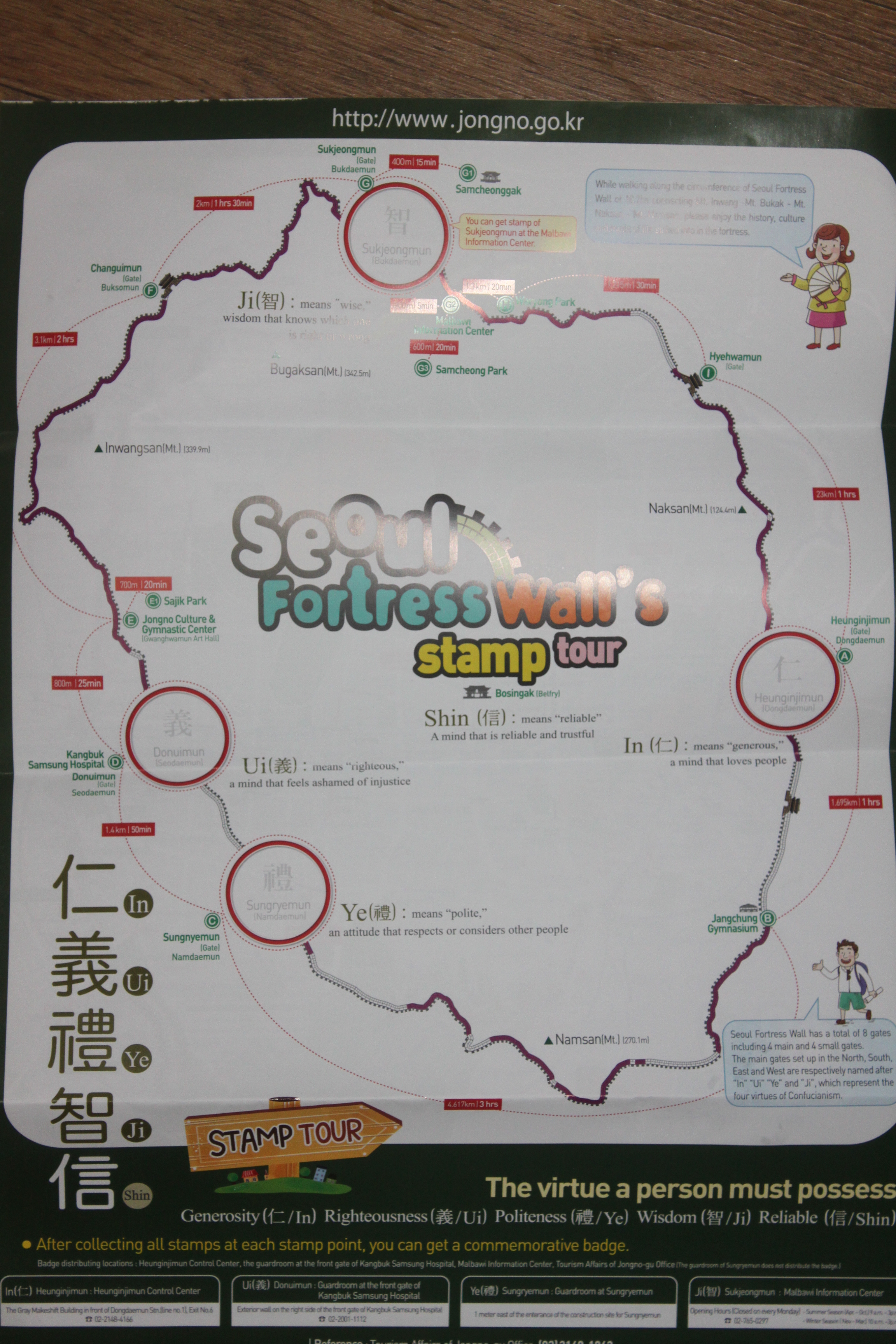
But now a new image for the northern bank of the Han River is emerging and becoming very powerful. The new vision focuses on the fortress wall that has survived in part around old Seoul The new posters, such as this one below, make the fortress wall a defining element for Seoul and go so far as to sketch in the parts that have been razed.

The city of Seoul has put together a very impressive walking tour based around the fortress wall for tourists (and residents). I am delighted as someone who has often walked around the city wall and found it quite beautiful.

The second poster offers stamps for a cultural passport for those who visit each of four designated city gates in the fortress wall. In good Zhu Xi style, each wall is associated with a virtue–as the poster explains.

Even three years ago it would have been hard to imagine the city of Seoul making the fortress wall so central to its own

Read more

Avatar Culture in Korea

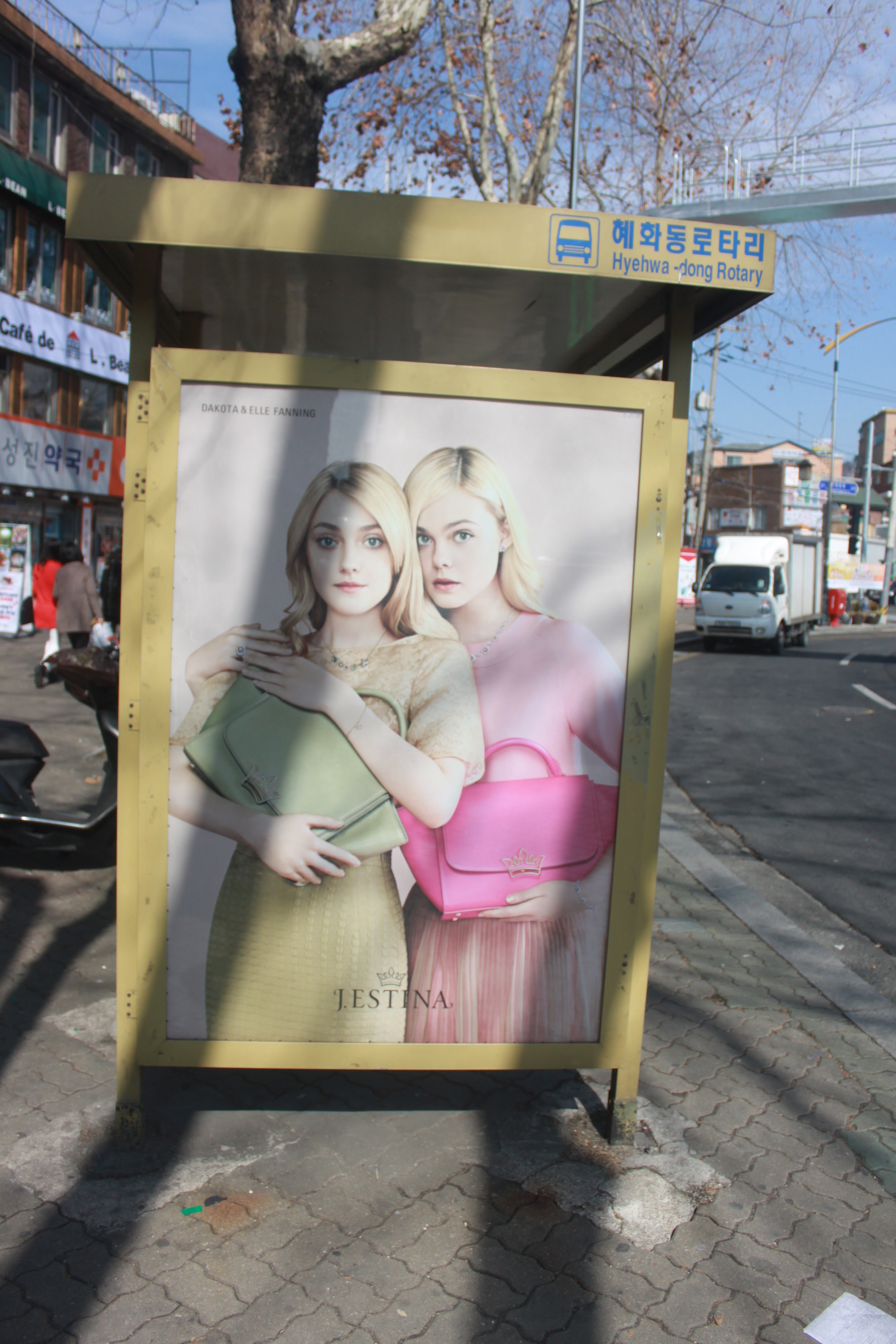
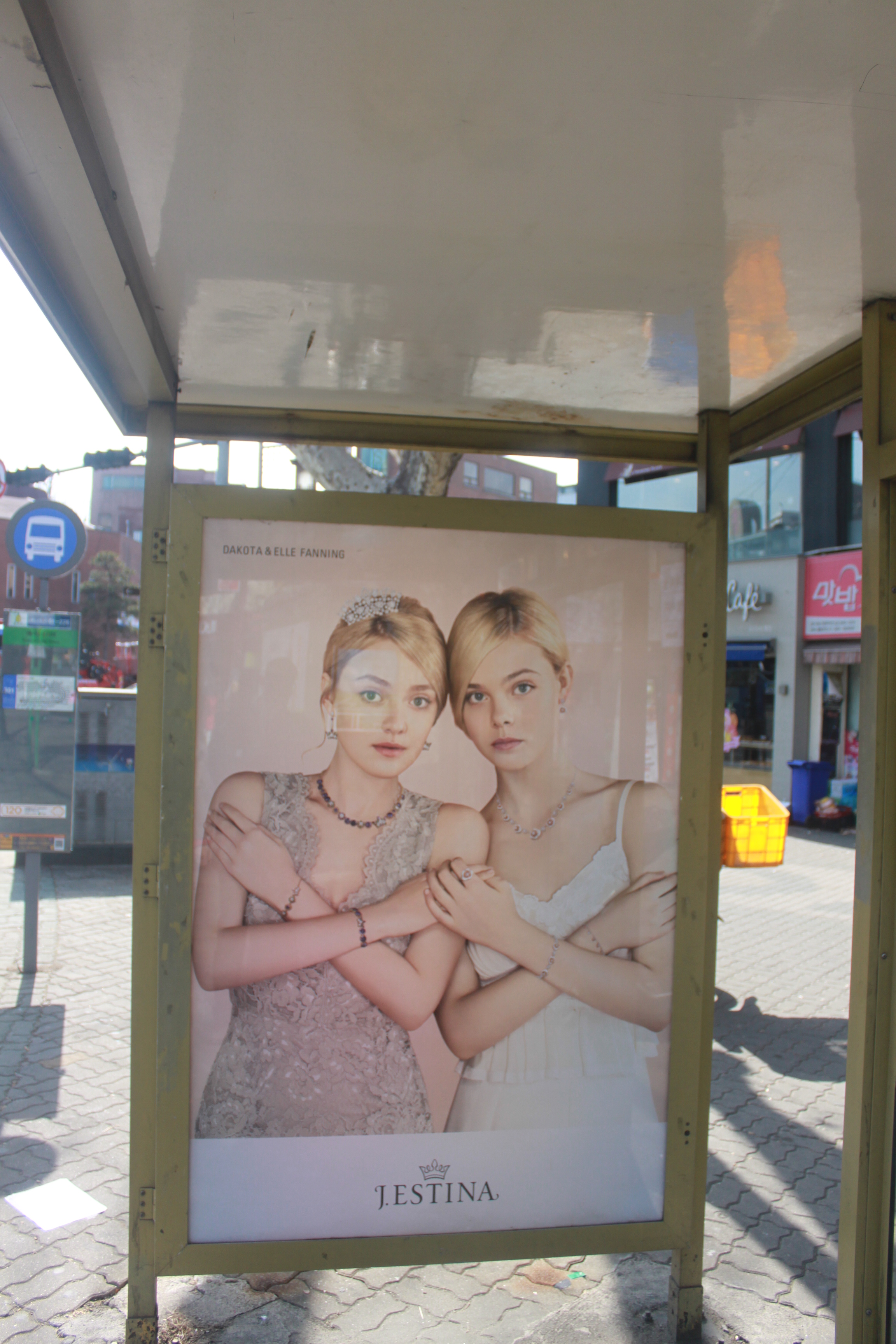
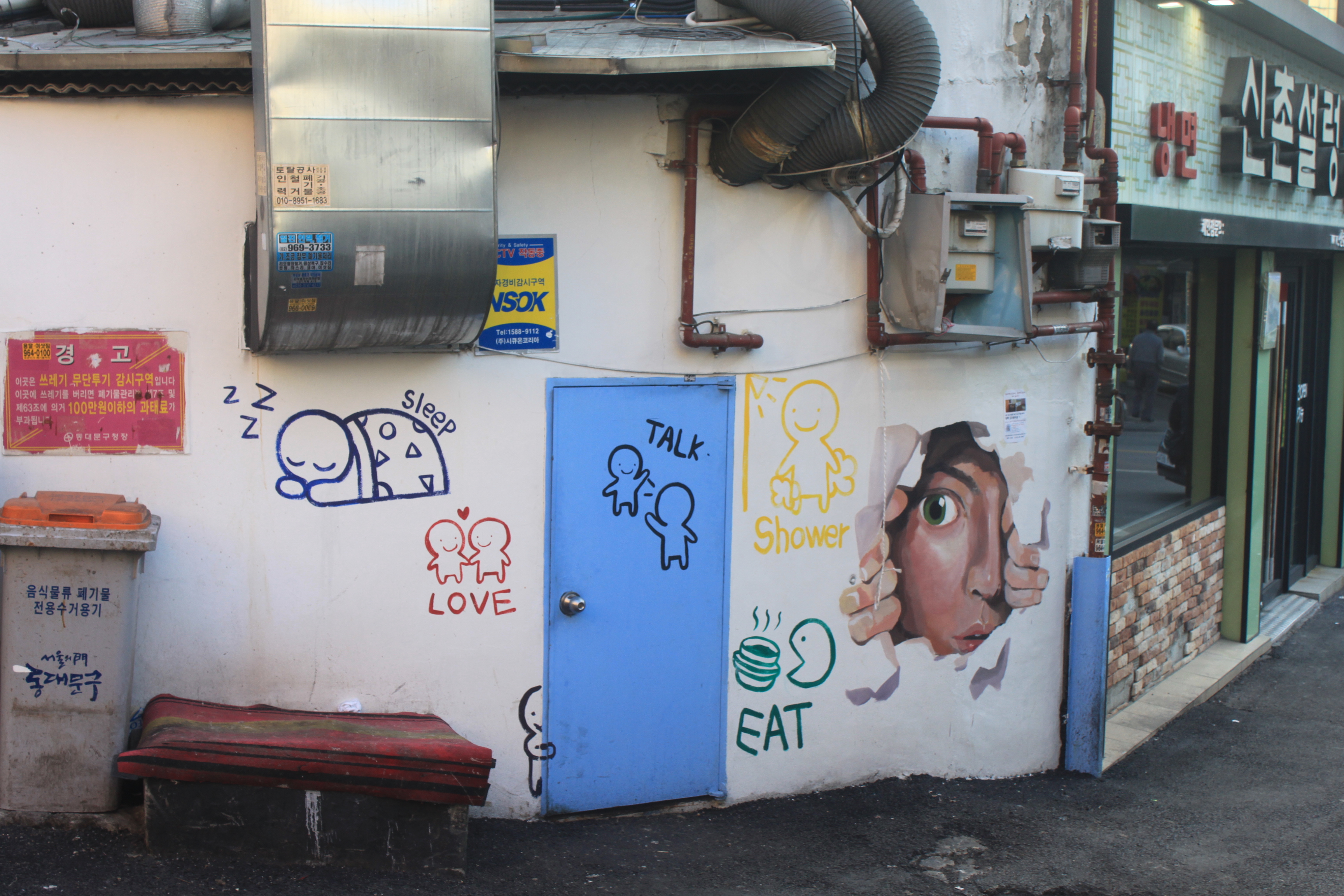
Korea is swept by avatar culture: a tendency to define one’s identity in terms of virtual representations. Avatar culture is one of the driving forces behind plastic surgery, by the way, since avatar representations of the human body put immense pressure on the individual to conform–often to an entirely unrealistic, or fantastic, model.

This photograph represents quite accurately the broad impact of avatar culture in daily life.

IMG_5316

Here are a few more avatar-like commercial images from downtown Seoul. Imagine the impact they have on young women who see them every day.

IMG_5270IMG_5272

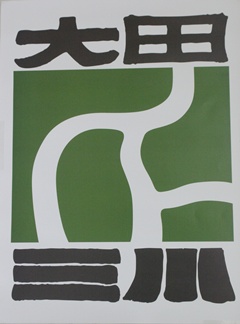
大田三川: “과학·자연·예술 융합된 생태도시 대전을 꿈꿉니다” (대덕넷)

대더넷 HELLO DD

2013년 3월 6일 


“과학·자연·예술 융합된 생태도시 대전을 꿈꿉니다”

이만열 경희대 교수, 대전의 하천 형상화한 포스터 제작
하천로고 머그컵 이어 ‘대전삼천 포스터’로 대전사랑 지속


이주원 기자

원문 


“대전의 하천은 참 멋있습니다. 이 하천을 중심으로 앞으로 대전이 자연과 과학, 예술이 융합된 멋진 생태도시가 되길 바랍니다”

이만열 경희대 국제대학원 교수. 한국말을 유창하게 구사하는 외국인 교수로 유명한 그가 이번에 대전의 삼대하천을 모티브로 한 포스터를 소개하며 한 말이다.


대전삼천

Read more

Oped: “On Climate, Defense Could Preserve and Protect, Rather Than Kill and Destroy”

TRUTHOUT

On Climate, Defense Could Preserve and Protect, Rather Than Kill and Destroy

Thursday, 07 March 2013 10:34

Holding the line against the Kubuchi Desert.

One hundred groggy Korean college students stumble off the train in Baotou, Inner Mongolia, blinking in the bright sunlight. A 14-hour train ride from Beijing, Baotou is by no means a popular destination for Seoul’s youth, but then this is no shopping excursion.

A short, elderly man in a bright green jacket leads the students through the crowd in the station, hurriedly giving orders to the group. In contrast to the students, he does not appear tired at all; his smile is unimpaired by the journey. His name is Kwon Byung-Hyun, a career diplomat who served as the Republic of Korea’s ambassador to China from 1998 to 2001. Whereas his portfolio once covered everything from trade and tourism to military affairs and North Korea, Ambassador Kwon has found a new cause that demands his full attention. At 74 years of age, he has no time to see his colleagues who are busy playing golf or for indulging in hobbies. Ambassador Kwon is in his little office in Seoul on the phone and writing letters to build an international response to the spread of deserts in China – or he is here, planting trees.

Kwon speaks in a relaxed and accessible manner, but he is anything but easy-going. Although it takes him two days to get from his home in the hills above Seoul to the front line of the Kubuchi desert as it makes its ineluctable way southeast, he makes the trip often, and with enthusiasm.

The Kubuchi Desert has expanded so that it is just 450 kilometers west of Beijing

Read more

“Greed, Capitalism and the Second Law of Thermodynamics” in The Hangyoreh

The Hangyoreh

March 4, 2013


Greed, Capitalism and the Second Law of Thermodynamics


By Emanuel Pastreich


Many lament  our consumer culture and the ruthlessness and selfishness of today‘s people. The phenomenon of blind consumption is undeniable, and its damage to the ecosystem and to humanity itself is increasingly the primary threat we face. But the ultimate cause of such consumption is far from clear. In fact, one of the biggest mistakes that people make is to assume that because a trend is manifest that it necessarily has a single cause. Simple trends can be generated through the interference of complex factors.

There is great enthusiasm for employing the word “capitalism” to describe the run-away quality of contemporary consumer society, and increasingly that term is used by groups that we think of as both left and right.

But the word “capitalism” is rather ambiguous and its use obscures as much as it illuminates. To start with, that term suggests that the problems we are facing today, from climate change to the destabilization of markets and the disruption of economic systems through the globalization of production and distribution, are somehow just a repeat of the industrial revolution that socialists and communists denounced as “capitalism” in the nineteenth century.

Read more