“What It Will Take to Make Korea the Center for Think Tanks” (Huffington Post May 22, 2015)

Huffington Post

“What It Will Take to Make Korea the Center for Think Tanks”

May 22, 2015

Emanuel Pastreich


Governance is perhaps the greatest crisis we face today. Governments are run by bureaucracies and corporate clients which are not accountable to the citizens and they are most influenced by media corporations that serve to distract and entertain, rather than to inform and to challenge. There is literally no space for the citizen to engage in the debate on policy and many have simply given up.

The think tank today is a double-edged sword. There are think tanks that honestly offer an opportunity for citizens to participate in a discussion on policy. Such organizations as the Korea Federation of Environmental Movements and People’s Solidarity for Participatory Democracy are representative of this movement. Nevertheless, even the most progressive of those think tanks are often dominated by an inside circle of influential figures and are not so welcoming to outsiders. Equally important, they tend not to be as international in their outreach. Progressive think tanks do have their partners around the world, but they rarely hold seminars in English, or produce reports in English, let alone Chinese or Japanese.

On the other hand, there are massive spaces for the discussion of policy like the Asan Institute for Policy Studies that bring together leading figures for seminars and publish numerous policy papers aimed at policy makers. And yet such think tanks as the Asan Institute are not meant as places to debate policy, but rather for experts, often from the far right, to kindly explain an agenda that has already been decided. These think tanks feature many events that are invitation only and they take pride in their exclusivity, limiting meetings with important public officials to VIP guest lists.

Read more

“President Park’s Upcoming Visit to the United States” (Huffington Post June 2, 2015)

Huffington Post

“President Park’s Upcoming Visit to the United States”  

June 2, 2015


Emanuel Pastreich


Several Korean friends have asked my advice about what President Park Geun Hye should do for her upcoming visit to the United States this June. From what they say, it seems as if Koreans are assuming that President Park must somehow reaffirm the alliance in light of the overwhelming success of Japanese Prime Minister Abe Shinzo’s recent visit and the “new honeymoon” between Tokyo and Washington that is supposedly in full swing.

Although there is clearly an alignment between certain interest groups in Washington and Tokyo, the pomp accompanying the meetings between Abe and Obama struck most everyone as being rather forced and the results of the discussions was ambiguous.

It is true that Prime Minister Abe addressed both houses of congress and he received much applause. But the congress in the United States is at a historic nadir in terms of the trust that the American people put in it. Most Americans feel that congress is completely out of touch with their needs. So much so that Princeton University issued a report entitled “Testing Theories of American Politics: Elites, Interest Groups and Average Citizens” which suggests that congress rarely represents the concerns and interests of average Americans. .

Prime Minister Abe was welcomed to the United States by a petition signed by 200 scholars of Japanese studies that calls for “as full and unbiased an accounting of past wrongs as possible.” This unambiguous critique of Japanese revisionism was produced by experts including Ezra Vogel, a professor at Harvard University who has worked closely with Japan on economic and security issues for decades.

For that matter, the much ballyhooed Transpacific Trade Partnership promoted by the United States and Japan remains stalled, and unpopular, in both countries.

It is true that the two leaders announced historically significant military guidelines that will allow the Japanese and American military to work in close coordination around the world. But there is far from a consensus in the United States (whatever congress may say) that there is an urgent need for Japan to assume such a role, or that the dismantling of Japan’s peace constitution will make Asia safer.

Above all, President Park should remember that her visit is important not because it comes after Abe’s visit, but rather because it comes before President Xi Jinping’s visit in October.

A comparison between Obama’s meeting with Abe last month and his meeting with China’s Xi Jinping in November of last year is helpful. A personal rapport between Obama and Xi was palpable and some speculate that Obama found Xi’s thinking to be more congenial than that of the anti-science isolationists who now dominate the Republican Party. US-China negotiations were not easy, but they were serious. There was none of the grand spectacles that Prime Minister Abe was treated to, but the two sides produced historic agreements for military-military cooperation and a joint response to climate change that were welcomed by almost every nation in the world.

The best approach for President Park in the build up to her trip, and during her trip, is to subtly shift the nature of the dialog on security for Northeast Asia to issues which appeal to a broad spectrum of Americans–even some of the most vocal members of congress take no interest. Korea has no choice but to promote a different vision for Asia than the wrong-headed, destructive and wasteful drive to militarize Japan and confront China over issues that are not a direct threat to Korea or the United States. And perhaps Korea is the only country that is positioned to make such an argument effectively.

President Park should take with her a plane full of experts in critical fields such as climate change, human trafficking, non-proliferation and cybercrime and the team should engage in low-key discussions with their peers in Washington and elsewhere so as to produce substantial, but not flashy, results. She should not, by any means, try to “out Abe” Abe.

Read more
Conversation with the mother of a victim of the Sewol Ferry sinking

I had the chance to speak with Ms. Hong Yong-mi 홍영미 the mother of one of the Lee Jae-Wook, a victim of the Sewol Ferry sinking. She was out at the Sewol Plaza today and I had a chance to speak with her. She spoke with great honestly and affection about her son.


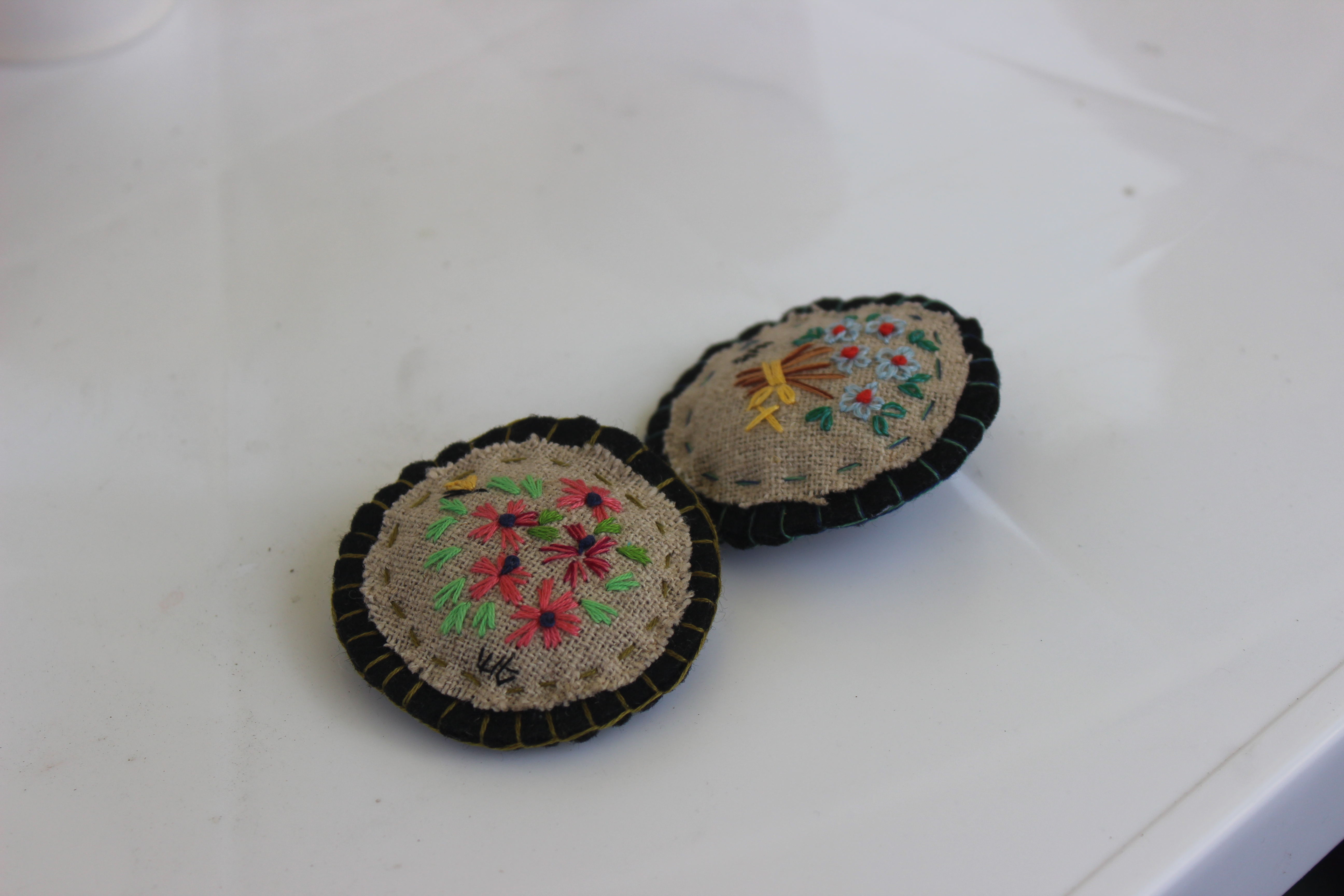
The stitched buttons that Ms. Hong has made by hand to give vistors to Ansan.
Ms. Hong speaks about her son Lee Jae-Wook with great affection

IMG_3073

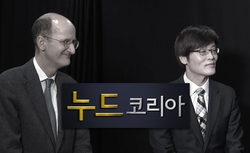
중앙일보 누드코리아 유승민, 이훈범, 이만열

중앙일보     누드코리아  (1회)

이훈범 & 이만열

2015년 5월 18일

 nudekorea

유승민 원내대표:

“박 대통령, 10년 전엔 귀 열려 있었고 민주적인 모습이었다”

http://joongang.joins.com/opinion/opinioncast

유승민 새누리당 원내대표는 “과거의 박근혜 대통령은 지금보다 사람들을 많이 만나 소통하는 모습을 보였다”며 “박 대통령이 남은 임기 동안 과거의 모습으로 돌아와주길 바란다”고 밝혔다. 유 원내대표는 18일 이훈범 중앙일보 논설위원과 임마누엘 패스트라이시 경희대 교수가 공동 진행하는 중앙일보 논설위원실의 인터넷 방송 ‘누드 코리아’ 첫 회 초대손님으로 출연해 이같이 말했다. 2005년 박대통령의 한나라당 대표 시절 대표 비서실장을 지냈던 유 원내대표는 “당시 박 대통령은 귀도 열려 있었으며 매사에 민주적으로 의견을 수렴하려고 노력했다”며 “생각이 다른 사람도 많이 만나 의견을 듣는 것이 국민들이 바라는 대통령의 모습이고 성공적인 대통령이 되는 길”이라고 말했다. 유 원내대표는 “공무원 연금개혁 합의안에 대해서도 청와대가 불만을 나타냈지만 법안이 통과되면 결국 박 대통령의 개혁성과로 나타날 것”이며 “그것이 국가적으로도 옳은 길”이라고 강조했다. 또 유 원내대표는 “박 대통령의 외교에 대해서도 사실 걱정을 하고 있었다”며 “한·미 관계가 겉으로 보는 것만큼 튼튼하지 않다”고 지적했다. 이어 “다음달 예정된 박 대통령의 미국 방문 때 아베 신조 일본 총리의 방미 행보를 의식하지 말고, 한·미 혈맹관계가 왜 서로에게 이득이 되고 동아시아 평화 번영에 이바지할 수 있는지를 버락 오바마 대통령과 미 의회 지도자들에게 설명해야 한다”고 조언했다. 유 원내대표는 한국의 외교정책에서 중국이 차지하는 중요성도 강조했다. 유 원내대표는 “안보는 미국하고 경제는 중국하고 한다는 소위 ‘안미경중’은 전략이라고 이름 붙일 수도 없다”며 “국제관계에서는 정말 속보이는 얄팍한 생각”이라고 지적했다. 이어 “중국에 한반도의 안보 상황을 잘 설명하면서 떳떳하게 할 말은 다 하고, 그 위에 중국과 신뢰 관계를 쌓아야 경제도 챙길 수 있다”고 덧붙였다.

Read more

“朴大統領の米国訪問アジェンダ  (中央日報 2015年05月16日)

中央日報

“朴大統領の米国訪問アジェンダ

2015年05月16日


朴槿恵(パク・クネ)大統領が6月に米国を訪問する。朴大統領が米国で何をすればよいのか私に尋ねる韓国人の友人が多い。彼らの言葉を聞いてみると、朴大統領は何よりも韓米同盟が確固たるものであることから再確認しなければいけないようだ。最近米国を訪問した安倍晋三首相が新しい日米ハネムーン時代を開いたためということだ。

しかし日米首脳会談の裏には何か無理な点があり、議論の結果はあいまいだった。慌ただしく米国と日本が推進している環太平洋経済連携協定(TPP)は停滞状態だ。両国でともに人気がない。

新しい日米防衛協力のための指針(ガイドライン)は歴史的に意味があることは事実だ。新しい指針で両国軍は全世界で緊密に協力できる。しかし依然として、日本がそういう役割を担うべき緊急な必要性や、日本平和憲法の廃棄がアジアをさらに安全にするかに対する米国内部の合意はない。議会が何といおうとだ。

朴大統領が銘記するべきことは、自らの訪米が安倍首相の訪米後でなく中国の習近平国家主席の訪米(10月)前であるため重要だという点だ。

Read more

“朴总统的访美议题” (中央日报 2015年 5月 16日 )

中央日报

“朴总统的访美议题”

 2015年 5月 16日


朴槿惠总统6月将访问美国。有很多韩国朋友都问笔者,朴总统访问美国时做点儿什么好呢。从他们的言语中可以看出,朴总统在这次的访美行程中最重要的是要再次确认牢固的韩美同盟关系。因为最近访问美国的日本首相安倍晋三成功开启了新的美日蜜月期。

但是,美日首脑会谈的华丽背后存在一些牵强与做作,双方讨论的结果模棱两可。美国和日本大肆推进的《跨太平洋战略经济伙伴协定》(TPP)基本处于停滞状态,这在两国都没有引发强烈反响,人气低落。
新的《美日防卫合作方针》(指南)具有历史性的意义,这是不争的事实。新方针让两国军方可在全世界范围内进行紧密的合作,但美国内部没有就日本必须履行这样的角色或日本和平宪法的废除会让亚洲变得更加安全的相关讨论,与议会的意见赞成与否无关。

朴总统需要记住一点的是,她的访美不是在安倍访美“之后”,而是在中国国家主席习近平10月访美“之前”成行的,因此非常重要。

我们有必要比较一下上月的美日首脑会谈与去年的美中首脑会谈。笔者个人感觉关系更密切的一方是美中首脑。甚至有观测认为,比起由反科学主义的孤立主义者们控制的共和党,奥巴马总统与习主席更加心灵相通。美中协商虽然也不容易,但双方都很真诚。与安倍首相访美时不同的是,虽然没有奢华的款待,但两国首脑就军事合作达成了历史性的协议,并决定共同应对气候变化问题。世界上几乎所有国家都对此表示欢迎。

朴总统最好的接近法是提出能引发更多美国人关注的议题,改变东北亚安全讨论的方向。坦白讲,这是就连议会上发言积极的政治人士也不太关心的议题。对韩国来说,除了提出有差别性的亚洲愿景外别无其它选择。目前,美国的政策已经出现了偏颇,走上了破坏性和浪费性的道路。美国支持日本的军事化,因为一些并不会对韩国或美国造成直接威胁的事案而与中国对峙。因此,韩国是唯一一个可以有效提出新主张的国家。  

Read more

“박 대통령의 미국 방문 어젠다” (중앙일보 2015년 5월 16일)

중앙일보

“박 대통령의 미국 방문 어젠다”

임마누엘 페스트라이쉬


박근혜 대통령이 6월에 미국을 방문한다. 박 대통령이 미국에서 무엇을 해야 좋을지 내게 묻는 한국인 친구들이 많다. 그들이 하는 말을 들어보면 박 대통령은 무엇보다 한·미 동맹의 굳건함부터 재확인해야 할 것 같다. 최근 미국을 방문한 아베 신조(安倍晋三) 일본 총리가 성공적으로 새로운 미·일 허니문 시대를 열었기 때문이라는 것이다.

하지만 미·일 정상회담의 화려함 뒤편에는 뭔가 억지스러운 게 있었고 논의의 결과는 애매했다. 떠들썩하게 미국과 일본이 추진하고 있는 환태평양경제동반자협정(TPP)은 정체 상태다. 양국에서 모두 인기가 없다.

새로운 미·일 방위협력지침(가이드라인)은 역사적으로 의미가 있는 게 사실이다. 새 지침으로 양국 군은 전 세계에서 긴밀히 협력할 수 있다. 하지만 여전히 일본이 그러한 역할을 맡아야 할 긴급한 필요성이나, 일본 평화헌법의 폐기가 아시아를 더 안전하게 만들지에 대한 미국 내부의 합의는 없다. 의회가 뭐라고 하든 말이다.

Read more

“Geopolitical Ripples: Cracking the Code of the North Korea-Japan Diplomatic Game TAI Seminar at Yonsei

Arirang Institute & Asia Institute Seminar


“Geopolitical Ripples: Cracking the Code of the North Korea-Japan Diplomatic Game”


Tuesday, June 30, 2015


4:30-6:00 PM


New Millennium Hall,  Room 701

Yonsei University


Although Japan has consistently postulated North Korea as a security threat and the conservative governments of Japan have taken a hard line on abductee issues and other matters, in fact Prime Minister Koizumi visited North Korea twice (whereas no leader of Korea or the United States had done so recently) and a series of confidential negotiations between Japan and North Korea have been carried out recently. What exactly is Japan trying to achieve through its back channel conversations with North Korea and what might be the larger implications of these actions for the region?


Opening Remarks

Mike Lammbrau , Bureau Chief of the Arirang Institute


Moderator:

Emanuel Pastreich, Director of the Asia Institute


Panelists:

Professor Jin Kai, Research Fellow
Center for International Studies, Yonsei University


Dr. Kim Changsu, Senior Researcher, Korea Institute Defense Analysis