The July edition of Eureka Magazine 유레카논설, a journal aimed at middle and high school students in Korea featured this article of mine presenting suggestions for how students can make the most of their educations.
Entitled
“Cultivating a Strategic Perspective and Looking far into the Future”
“전략적 사고를 기워 멀리 내다보라” the article argues that students should study about the humanities because such studies better equips them for the challenges of the future.
Education
アジアインスティチュートとは
アジアインスティチュート
アジアインスティチュートは、アジアに集中している世界レベルの問題を扱う初めての汎アジアシンクタンクである。全世界にわたる関心事を包括し、適切な観点を示すべく専念する。技術、国際関係、経済、環境分野にいたるまで、多用な討論が可能な客観的な場を提供する。
昨今、アジアは貿易、技術、財政面において著しい速度で統合されている。アジアが知的、技術的、財政的な面において世界のハブとなるといえども、物流、エネルギー、財政的な面でアジア統合及び文化的、知的連携の遅れが発生している。このような変化に対してアジア人の間で真の討論が十分になされていないのが現実である。国境を越えて全ての利害当事者が参加した上で、アジアの流れについて分析し、討論を交すことが切実に必要な状況である。アジアインスティチュートは技術が我々社会に及ぼす影響、環境、青少年及び女性の問題、教育、コミュニケーション、そして個人事業が国際関係にもたらす影響について集中することに決定した。これら全ての問題点がアジアの未来のためには重要であり、慎重な分析と討論が行われるに値すると見込まれる。アジアインスティチュートは企業、政府機関、学界において貢献度の高いリーダーへの信頼を基に問題点について討論し、解決策を講究するために知識及び資源をとりまとめる中立の場を提供する一方で、アジアのあらゆる事柄について関与していく。
アジアインスティチュートは中国、日本、韓国、南アジア、中東、中央アジア、東南アジア、その他の国家間における協力及び論議が円滑に行われるための新たな機会を模索しつつ、アジア全体をまとめ有意義な協力関係が保たれるよう貢献する。アジアインスティチュートは生態学的に持続可能な統合及び安定したアジアの新たなビジョンを示していくが、収益事業として利用されることはない。
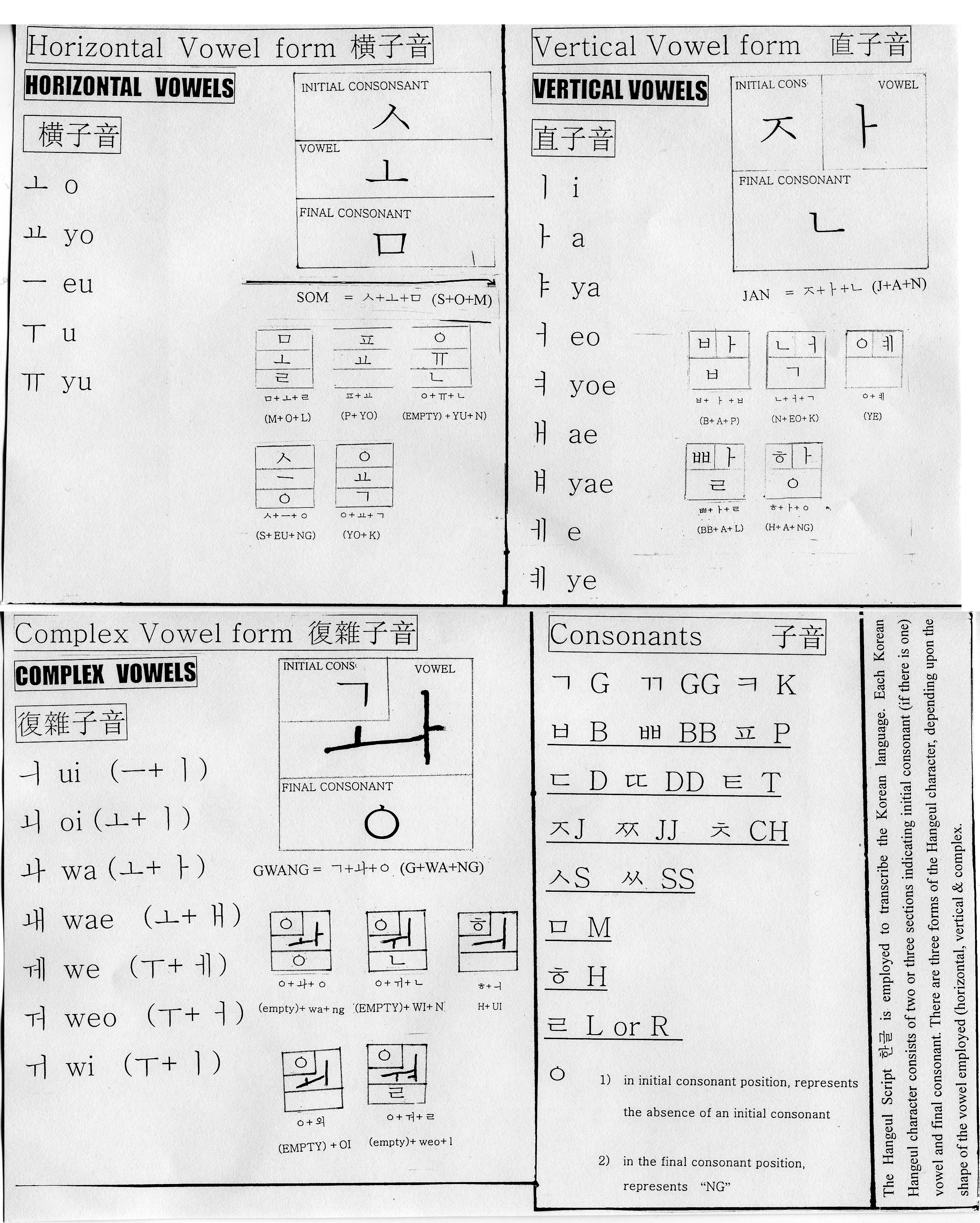
Learning the Hangul Script (Emanuel’s chart)
I made this chart for understanding the hangul script back in 1995. I was learning Korean myself at the time and felt frustrated that hangul was not taught in a systematic manner. This simple chart (here designed for Chinese and Japanese speakers as well) is above all systematic. Hangul are broken down into three forms: horizontal, vertical and complex, according to the shape of the vowel.
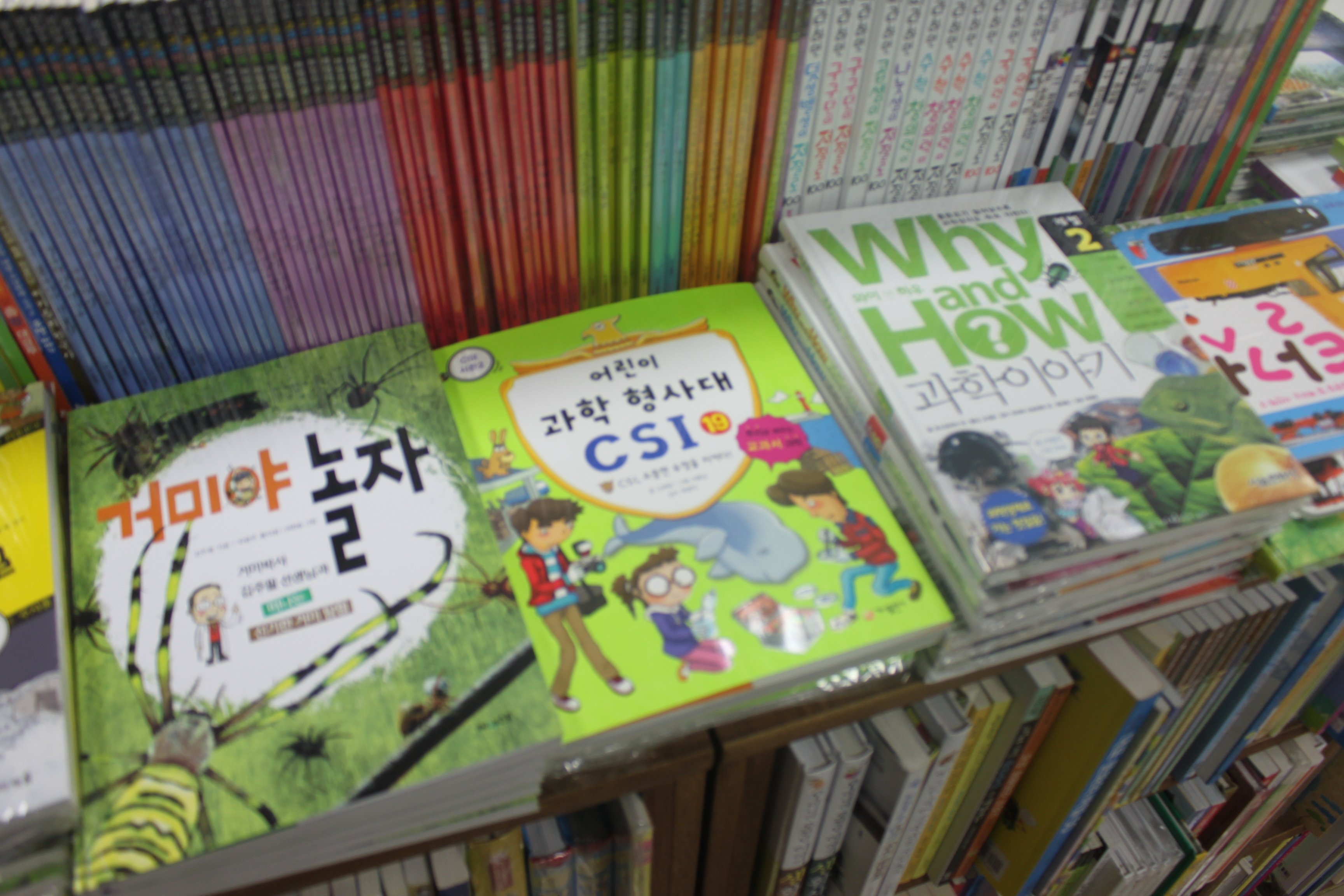
More of Korea’s educational comics “manhwa”
Here are a few more interesting educational comics, “manhwa,” from Korea.
“The Korean Dream” (article in the Hangyoreh, June, 24, 2012)
The Hangyoreh
June 24, 2012
The Korean Dream
Emanuel Pastreich
The United States became the major cultural force in the world during the 1950s and 1960s, putting forth through its media and its cultural institutions an image of a better life in a free society. The United States offered a powerful vision of a society wherein the individual could realize his or her dreams without the terrible institutional and cultural limits that hold back so many. That image of a good life in the United States was known as the “American Dream.” The American Dream was accompanied by significant intellectual and ethical content such as democratic process, social responsibility, the rule of law and excellence in scholarship and the arts that inspired the world to strive for something greater.
Not everything in the United States was as perfect as the vision given to the world. There were dark aspects of the United States such the hypocrisy of racial discrimination in a nation that spoke of equality and the ruthless pursuit of national interest in a nation that spoke of universal values. Nevertheless, the American Dream inspired people around the world to strive for something greater, to raise their standards for education, for fairness and for democracy to a new level. They stepped forward to demand changes in their countries, to innovate and to create a new society in every corner of the world.
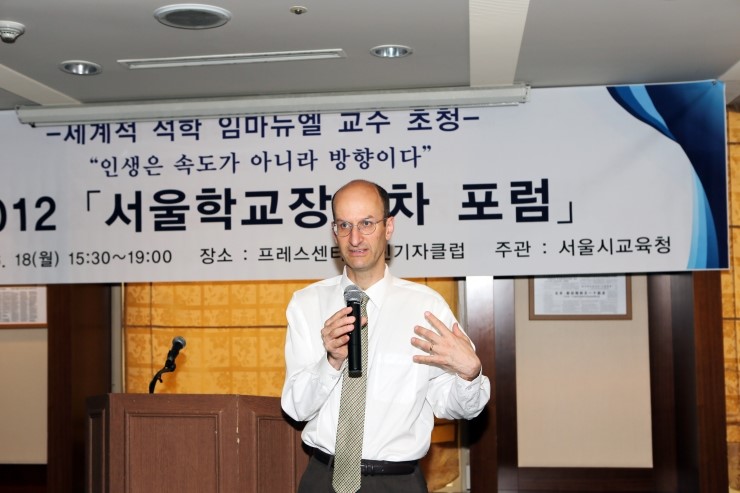
Talk about culture and education for elementary and high school principals
I gave a talk about education and culture on June 17, 2012 in front of a group of about one hundred principals of elementary and high schools in Seoul organized by the Seoul Metropolitan Office of Education (서울시교육청). This “Principals Forum” was the first of its kind, a voluntary gathering of principals from around Seoul to exchange opinions on how education can be improved in Korea.
í•œêµ êµìœ¡ì˜ 위기
한국 교육의 위기
올해 들어 KAIST 학생의 4번째 자살 소식은 다시금 한국 교육시스템에 근본적인 문제가 있다는 것을 드러냈다. 이는 단순히 시험과정이나 학생들이 소화해야 하는 엄청난 교과 학습량의 문제가 아니다.
그동안 KAIST는 세계 대학순위에 있어 수직 상승으로 각종 언론의 주목을 받아 왔다. 하지만 그 이면을 들여다보면 인간적인 경험이나 정신적인 성장은 배제되어 왔다. 학교의 명성과 숫자에 불과한 대학 서열을 위해 학생들의 희생이 계속되어온 것이다. 학생들은 마치 품질 좋은 메모리칩이나 탄소나노튜브처럼 높은 효율로 ‘생산’되고 있다. 엄청난 스트레스 아래 높은 학점과 좋은 직업 외에는 아무 것도 생각할 여유가 없었다. 심지어 삶의 궁극적인 목적이 무엇인지는 모른 채 학교 당국의 목표에 끌려갔다.
Asia Institute Gathering to talk about the Environment with Youth (Friday, June 15, 2012)
Asia Institute Gathering
Please do join us for an informal gathering for students to discuss this most critical topic:
“What youth can do for the environment?”
Your presence would be greatly valued, and your suggestions as to what can meaningful responses to the environmental crisis.
(Hosted by Emanuel Pastreich, Professor of Humanitas College)
Friday, June 15
5 PM
Location Room #209 (second Floor) Neo-Renaissance Hall
Kyung Hee University (Hoegi-dong)
Talk on how Korea can learn from the past in implementing a program to work together with China to combat the spread of deserts (Saturday, May 26, 2012)
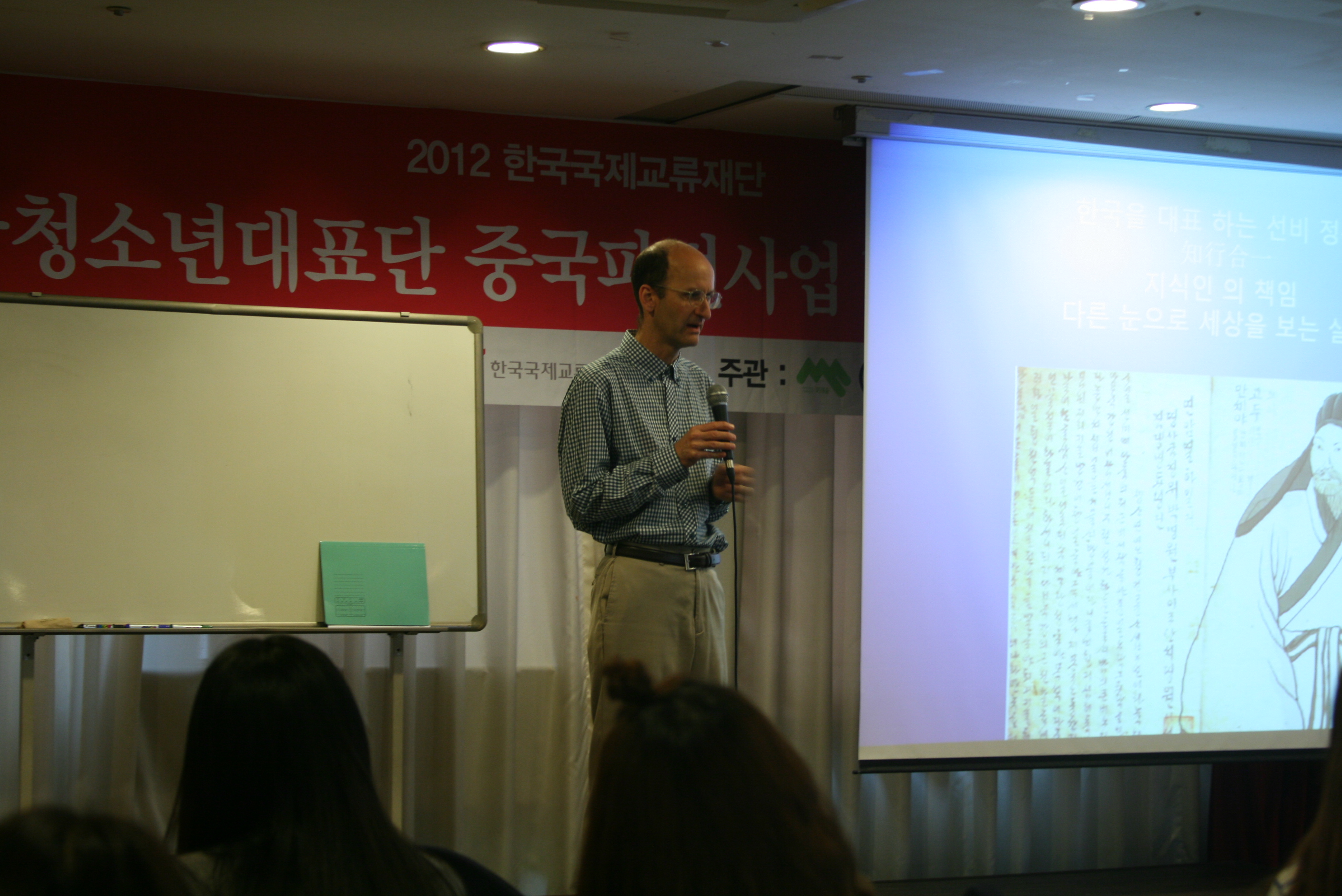
I gave a talk for a group of Korean college students preparing to travel to China where they will work together with Chinese students on anti-desertification projects in July. The students are from universities across Korea and the event was sponsored by the Korea Foundation and Future Forest, the NGO dedicated to Korea-China cooperation on environmental issues of which I am a member. This new effort to bring together young people from Korea and China represents the initiative of the Asia Institute to build close networks between people of different nations that parallel technological and logistical integration.
Seoul goes Global (this time for real!)
Seoul is stepping into a much accelerated rate of internationalization over the last six months, so much that I would argue that Seoul should no longer be considered as representative of Korea, but put in a new class of global cities that are competing for global domination in economics, culture, education and prestige. That is to say, Seoul is going head to head with Dubai, Singapore, New York, London and Shanghai in a race for the top seat. You can refer to my previous short post on the next Byzantium for a few thoughts on this phenomenon.
For example Seoul is going through a wave of enormous building projects such as the Dongdaemun History and Culture Park that may well fundamentally alter the landscape of the city.