The “Daejeon: Three Rivers” Mug Cup

The “Daejeon: Three Rivers” Mug Cup

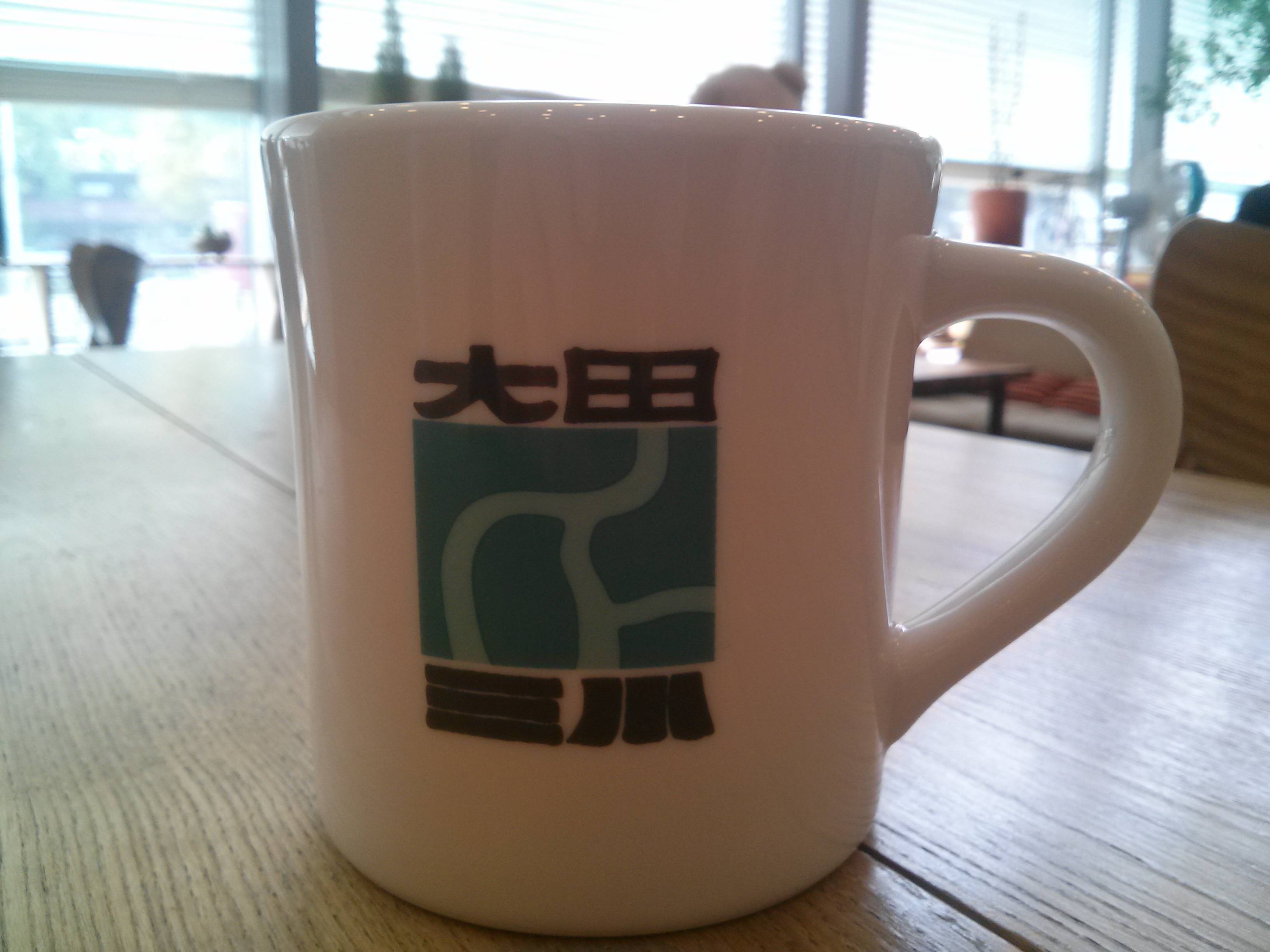
The Asia Institute launches the “Daejeon Three Rivers” mug cup in honor of the remarkable city of Daejeon. Surrounded by mountains and defined by three beautiful rivers, the Gapcheon River, the Yudeungcheon River and the Daejeoncheon River, Daejeon is perfectly represented by its ecosystem in these attractive mugs. Produced by the Asia Institute in recognition of Daejeon’s beauty and history, the mugs make perfect Christmas presents as the only commemorative goods for the city Daejeon available anywhere.

The mug cups are of the highest quality.

daejeon mug cup english

daejeon mug cup chinese char.

PLEASE ORDER TODAY!!!!

Prices: 

Set of 4:

40,000 Won

Set of 20:

190,000 Won

Individual cup       

12,000 Won


As our director Park Kyungho must prepare and often deliver the mug cups, we ask that you order a set of 4 or a set of 20.

For orders, please contact

Park Kyungho 박경호 국장

External Director

The Asia Institute

Cell:             010 2825-1908

Email:           pkjuls@daum.net
Read more

通貨融合する「エコ通貨」 ザ・ハフィントン・ポスト・ジャパン

ハフィントンポストジャパ

通貨融合する「エコ通貨」

2013年10月19日  


原文


今後、十年間、地政学的な側面において起こりうる変化や国際貿易体制において現れうる不安定性を考慮する場合、現行の金融システムを改善する必要がある。これは新たな金融システムが必要だと言う意味でもある。今後、登場するであろう金融システムの核心は環境と金融との調和だ。外見上、環境と金融は相容れない問題のように見えるが、実際、今まで多様な国際問題においては、金融は環境と配置されるものと思われていたのも事実である。 

しかし、我々が直面した環境上の挑戦を一つ一つ論じる場合、成長に対する伝統的な概念をもう一度考えてみる必要がある。もはや終わりのない消費や無制限な開発をこれ以上許すわけにはいかない時代になった。すべての経済問題において環境について考えなければ解決の糸口を見つけることができない時代に到来した。即ち、環境自体が経済システムの内部に溶け込まなければならず、経済成長を測定し、評価する立場に格上げされなければならない状況になったのである。

最近、気候変更対応をリードしている日本は、アメリカ、中国、インドをはじめとした他の国家との緊密な関係を通じて、このようなシステムを作ることにおいて活発な役割が可能である。具体的に言うと、 日本は地球生態系の持続性や金融、貿易、投資のルールを直接つなぐマーケニズムを形成するのにおいて大きな役割を果たすことができ、このような役割を通じて国際的な信頼を得て、影響力を拡大することができる。

環境問題を経済と融合させるもっとも直接的な方法は、環境と通貨を結びつけることである。ここで登場する概念が、「エコ通貨」だ。あたかも国際通貨基金の特別引出権(SDR)のように普遍的な通貨でありながらも、経済問題だけでなく、環境問題まで反映する点では異なる。「エコ通貨」システムの下では各々の国家が自国の通過量を、いわゆる、「環境信用(クレジット)」に比例して決定することができる。

Read more

Shadows of War in Daily Consumer Life: “Cataclysm”

One striking thing in Seoul today is the absence of explicit reference to the multiple wars that are going on around the world. Even Guantanamo Bay never comes up in conversation with Koreans and is rarely mentioned in the media. But that does not mean that Koreans are unaware of these endless wars dragging on out there. Oddly, even as those wars remain invisible in the daily life of Seoul, little hints of violence appear in the margins and corners of society. They can be found in the video games children play. But oddly also that violence is implied in the T-shirts that Koreans wear. I have noticed many youth in Seoul wearing T-shirts dotted with skulls.

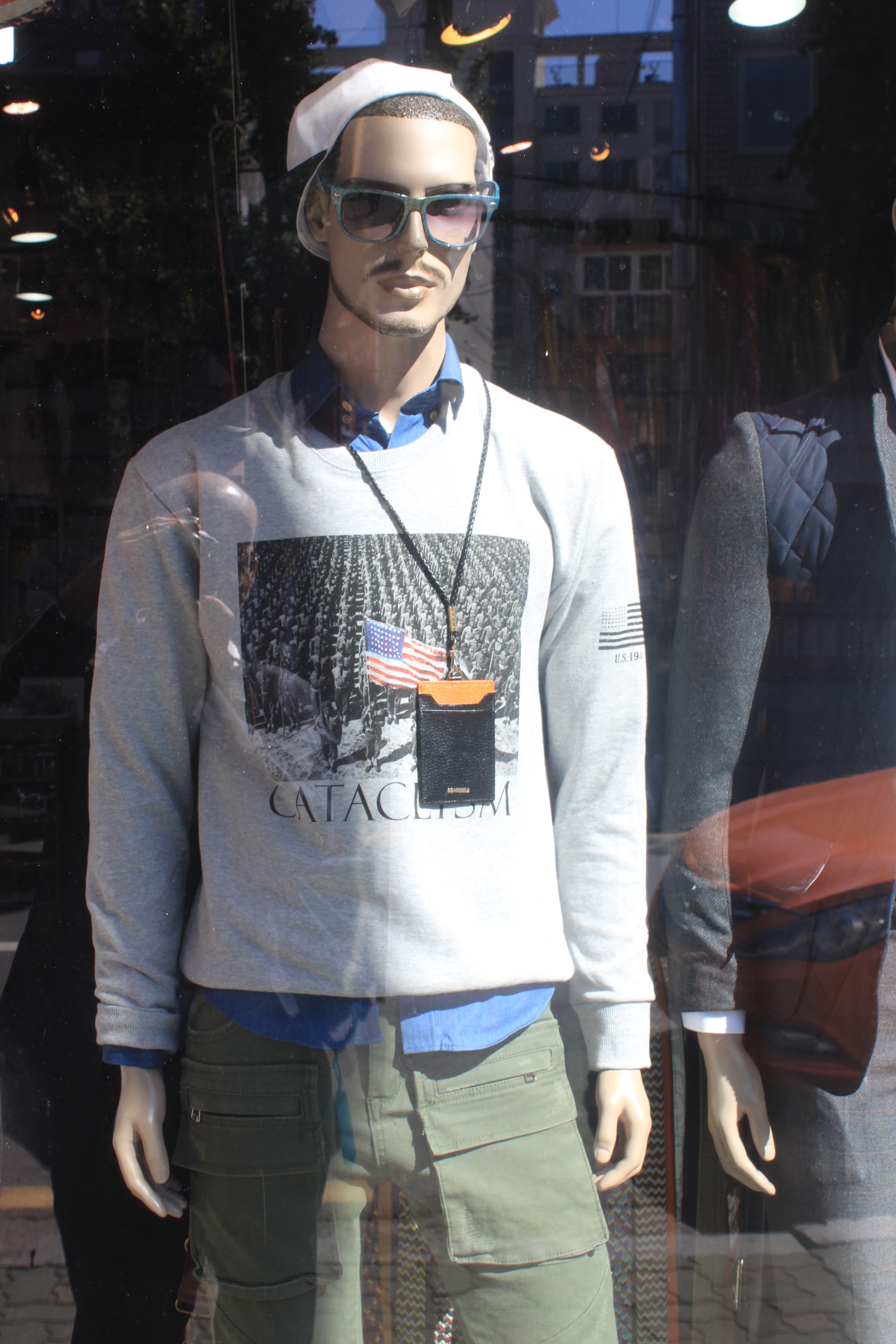
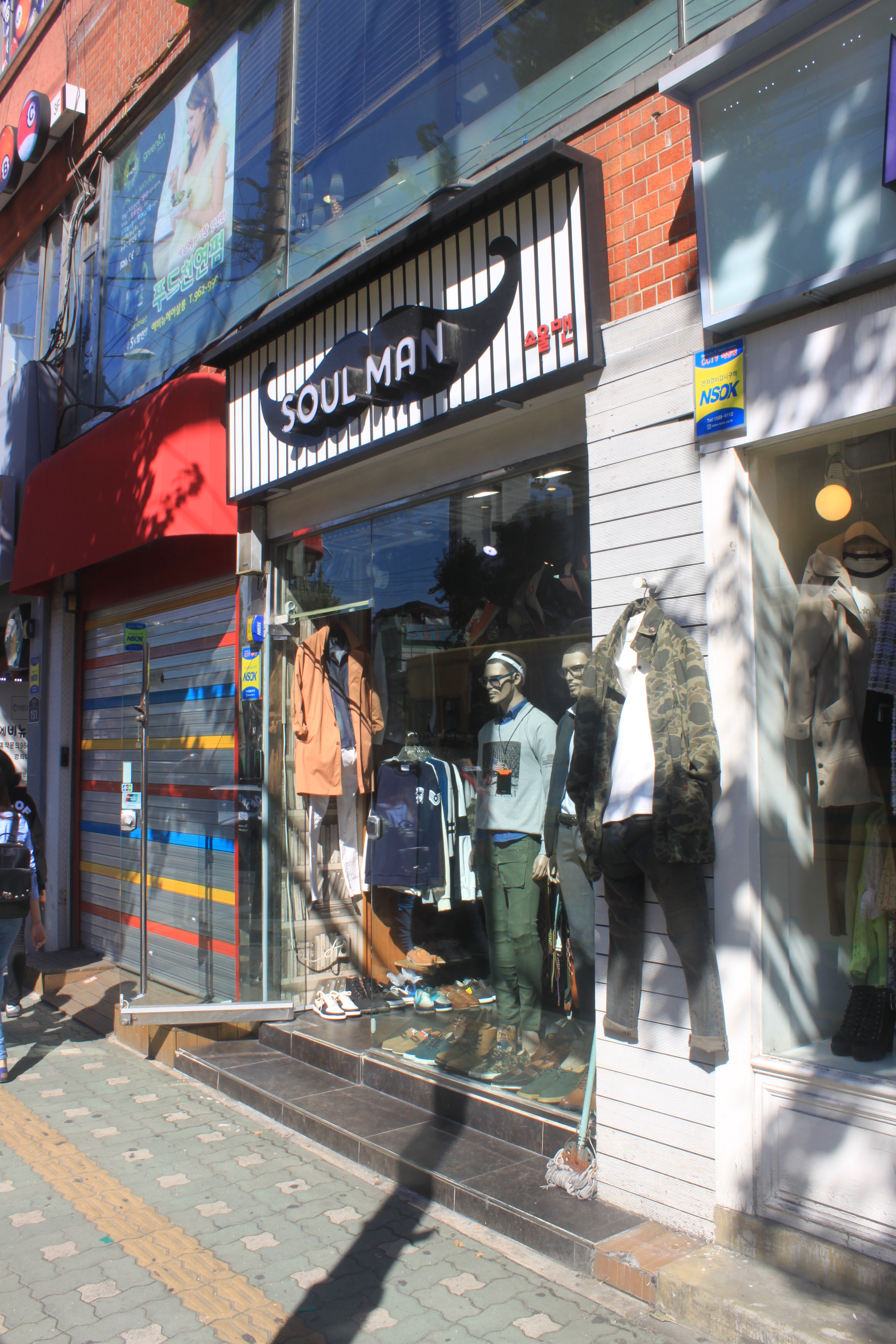
The store “Soul Man” features a variety of hip clothes for young men. Look a little more closely.

Clothing store near Kyung Hee University in Seoul

IMG_7643

Ths maniquin is wearing an odd T-shirt in the display. The maniquin is wearing a case for a bus pass like dog tags and looks like he is ready to hang out in Greenwich Village, but note the odd T-shirt. Above the ominous words “Cataclysm” we see a group of soldiers in black and white with an American flag in color flying in front. The color contrast suggests that the soldiers may be dehumanized. The entire shirt suggests a systematic and ethical collapse.

Cataclysm

“Thoughts on the Question of Value”

value

Thoughts on the Question of Value

Emanuel Pastreich

October 16, 2013

I am sure that you have noticed the disturbing trend in our world to evaluate just about everything in a materialist manner and to take pleasure only from material objects. Oddly, we find highly educated people, people who have read literature and philosophy, wasting their time talking about how expensive food they have eaten was or how big the car that they drive is. This trend is getting worse, especially as the previous generation that knew something of frugality is dying off. Some of our friends want to calculate the value of the entire world in monetary terms. How much the dinner cost? How much did you pay for the house?

The consequences of such thinking based entirely on a monetary equation, this object has this much value, are profound. Not only is food, housing and daily experience evaluated in monetary terms (which is to say numerical terms), but in that process people also are assigned monetary values. There is a powerful trend to determine how important people are to us in terms of how much money they possess, or how much money or power they control through organizations. We favor the uncle who can pay for an expensive meal or drive a Lexus over the uncle who is a kind and thoughtful man. I have frequently had the experience that someone initially is very warm to me when they learn I am from Yale, but then cool off when they learn that I am a poor professor and not of the proper class that they assumed.

We are bothered by this constant need to evaluate everything in terms of its monetary value. Although we make the calculations of “value” naturally, somehow that behavior just seems wrong to us in some fuzzy ethical manner. But the habits are so deeply engrained in our society. For example, art is given a value, a price, and that price then determines how the art is appreciated. A beautiful hand-woven dress made by an old woman in the mountains has limited monetary value, but a designer dress sold at a boutique in downtown Shanghai will be extremely expensive—and most people will readily accept that norm. If you compared the two dresses carefully, it would not be clear that the designer dress was in any means superior to the hand-woven dress. But the price comes first, before any aesthetic appreciation. Most people would show great appreciation for the designer dress regardless of its actual quality—not to do so would seem abnormal.

Even those of us who denounce such thinking and who advocate a greater concern for the environment often find ourselves falling into exactly such a mode of thinking in daily life. It seems to be an inescapable part of our culture that impacts everything we do, if we are not reducing reality to dollar value, we are measuring it in meters or kilograms. Even if we do not want to assess the world based on monetary value, everyone else around us is doing so and we feel as if we have no choice. Once we hear that a dress cost $2,000, the dress simply looks different for us.

But it is more than just social pressure that drives us into this sort of monetary thinking. There is something else out there that drives us to fall back on monetary assessments, a force that draws us to these primitive price categories for assessing the value of our possessions and of our experiences.

Part of the problem can again be traced back to the end of the Cold War and the unexpected impact it has had on every aspect of our lives. Previously, there were large parts of our economy, of our society, that were government owned and did not belong to anyone. That was true in the Soviet Union, the People’s Republic of China and in Eastern Europe, but it was also true in places like the United States in which there was a strong demand from the public to maintain public institutions and lands.

There was a strong sense of the nation and the common interest in the United States, for example, that derived in part from a need to counter the constant attacks from the Soviet Union that suggested that workers were terribly exploited in capitalist nations. Although the United States constantly criticized the Soviet Union for lacking freedom, the United States still had to show itself to be committed to supporting some level of

Read more

“한국 전통문화 와 1 등 국가” 중앙일보 사설

중앙일보

사설

2013년 10월 15일

“한국 전통문화 와 1 등 국가”


임마누엘 페스트라이수.


한국 전통문화의 재발견에 대한 책을 쓴 사람으로서 배명복 논설위원의 4일자 ‘또 다른 일등 국가 한국?’ 칼럼에서 인용해준 것에 감사한다. 지적이 예리하고 다양한 접근법의 필요성을 재확인해준다는 차원에서 생산적인 토론이 됐다고 본다. 다만 칼럼에서 나온 지적과 관련해 저자로서 해명과 추가 설명이 필요해 보인다.

우선 필자는 한국이 1등 국가로 가게 될 것이라고 예언하지 않았다는 점을 강조하고 싶다. 필자 주장은 대한민국이 1등 국가로 갈 수 있는 잠재력이 있고 이는 한국의 전통문화에서 쉽게 찾을 수 있다는 것이다. 그리고 이를 잘 계발해 1등 국가로 도약해 보라고 제안한 것이다. 또 1등 국가는 미국처럼 초강대국을 의미하는 게 아니라 정치·경제·사회·문화적으로 선진 문명을 구가하는 모범 국가를 상정하며 이를 한국이 가야 할 길로 제안한 것이다. 특히 2013년 대한민국은 선진국 그룹과 개발도상국 그룹, 중국 중심의 대륙국가 그룹과 미국 중심의 해양국가 그룹의 중간자적인 위치에 처해 국제사회에 여러 가지 면에서 기여할 수 있는 특수 조건을 갖췄다는 점을 설명한 것이다. 조건은 형성됐지만 한국인이 이를 활용하지 않으면 위상이 변하지 않을 것이 자명하다.

문화결정론의 함정, 또는 인종주의나 민족주의로 빠지는 위험이 있다는 우려

Read more

Multicultural Day in Seoul and Help for Non-Korean Workers

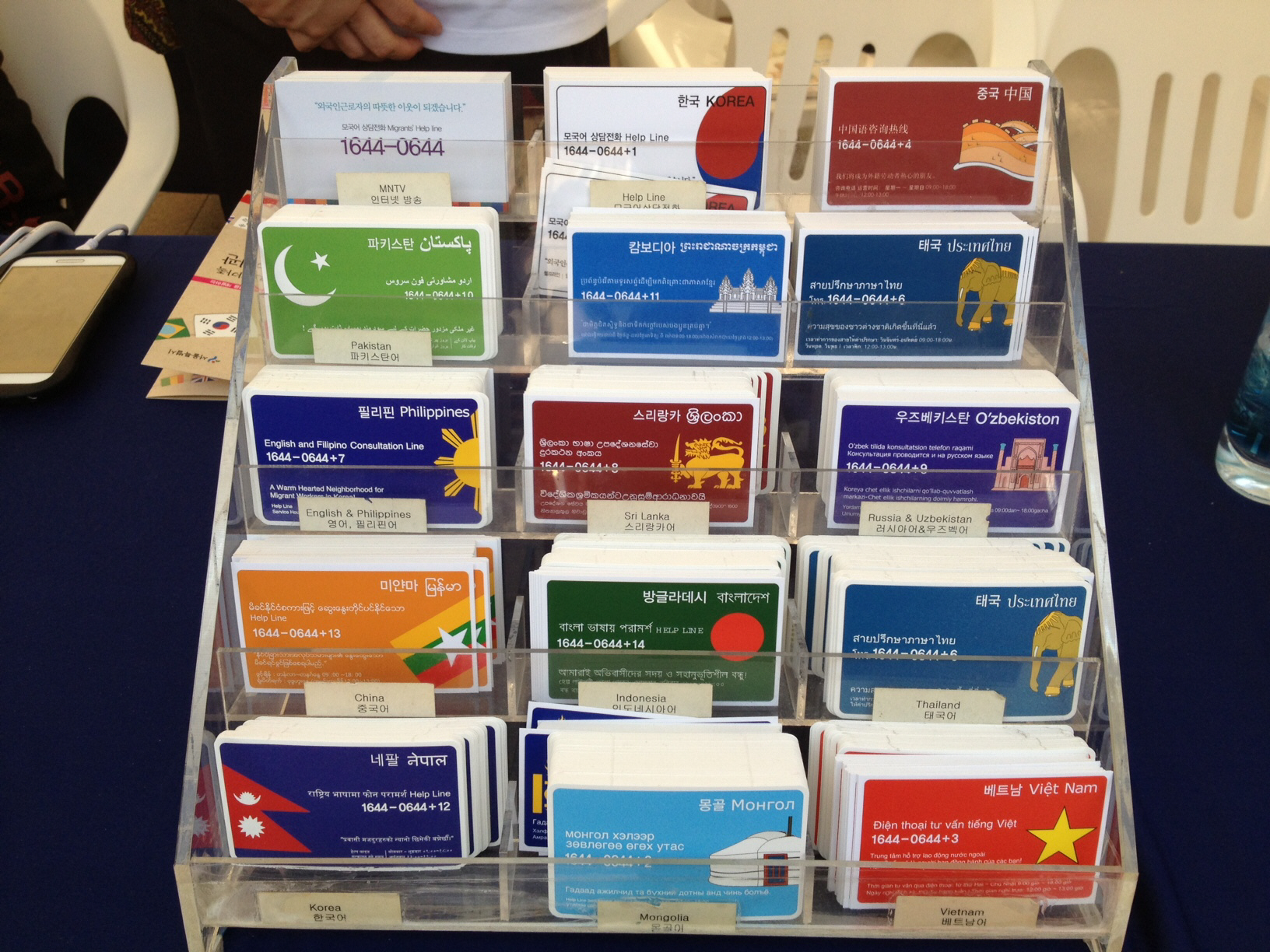
I am more and more impressed with Seoul every day. There was an enormous “Multicultural Festival” in the plaza in front of Seoul City Hall dedicated to making Seoul a more open and tolerant place for people from around the world. In the middle of that exhibition I came across this table. These cards, in fifteen different languages, have a number that workers who do not speak Korean can call to get advice and legal help concerning their status in Korea and possible problems they may have with their employers regarding wages or other issues. Although I cannot say how effective the services are, never having called, the very concept and the effort are quite inspiring and suggest a new facet of contemporary Korea.

Image

“외국 학자들이 본 ‘한류’..한국 창조성의 근원은?” YTN (2013년 10월 13일 방송) 외교부 공공외교 세미나

“외국 학자들이 본 ‘한류’..한국 창조성의 근원은?”

 YTN  (2013년 10월 13일 방송)

외교부 공공외교 세미나


세계적으로 뻗어가고 있는 한류, 그 저력은 어디서부터 비롯됐으며 한국 문화를 더 잘 알릴 수 있는 방법은 무엇일까?

우리나라와 미국, 터키 등 세계 10여개 국의 학자들이 머리를 맞댔습니다.

김희준 기자입니다.

[기자]

싸이, 소녀시대, 슈퍼주니어로 대표되는 K-POP.

세계 영화제를 휩쓸고 있는 한국 영화.

어느덧 세계로 뻗어가고 있는 한국 문화의 창의성은 어디서 나온 걸까?

임마누엘 페스트라이쉬 경희대학교 교수는 한국인의 창의성은 현대가 아니라 우리 오랜 전통 속에 깊이 자리잡아 왔다고 진단합니다.

[인터뷰:임마누엘 페스트라이쉬, 경희대 교수]

“(성리학과 주자학에는) 한국인이 추상적으로 사고 할 수 있는 엄청난 철학적 전통이 담겨 있습니다. 이것이 바로 한국인들이 없는 것을 볼 수 있는 능력, 무에서 유를 창조해내는 능력의 뿌리입니다.”

“There was a tremendous philosophical in Korea much of it a tradition of abstract thinking and this has contributed enormously of the ability of Koreans to conceive of things, essentially to see things that are not there.”

사람을 널리 이롭게 한다는 홍익인간 정신, 학문과 행동을 일치시켰던 선비 정신, 그리고 소통과 토론의 장이었던 사랑방 등 한국 전통 문화의 강점을 알리는 것이 진정한 한류의 출발이라는 겁니다.

[인터뷰:임마누엘 페스트라이쉬, 경희대 교수]

“한국이 세계적으로 성장해 감에 따라 한국의 훌륭한 전통을 영어로써 해외에 더 많이 알려야 합니다. 현대적인 한국의 표면 이면에 있는 전통의 노하우를 보여줘야 합니다.”


“I think the next step, as Korea plays a more important role in the world, is to introduce in English,  for an international audience, some of the know how that lurks beneath the surface in the tremendous tradition of Korea.”

한국이 전쟁의 상처를 딛고 이룬 ‘한강의 기적’도 한국인의 피에 흐르는 창의성 덕분이었다는 의견도 나왔습니다.

[인터뷰:딜립 다스, 솔브릿지 국제대학 아시아연구소장]

“한국은 1960년 대부터 경제 성장을 시작해 40여년 만에 놀라운 성취를 이뤘습니다. 이것이 창의성이 아니고 무엇이겠습니까?”

한국의 전통을 세계인이 공감할 수 있도록 어떻게 현대화시키고 홍보할 것이냐에 대한 토론도 이어졌습니다.

[인터뷰:후세인 이지트, 터키 이스탄불 문화원장]

“역사적인 드라마 보면서 요즘은 한류 통해서도 사람들이 한국에 대한 관심 많이 가지고 있고 그 전통을 현대화 세계화시키면 전세계에서 제대로 한국 문화 알릴 수 있다고 생각합니다.”

한국에서 일하는 세계 15개국 출신 외국인 학자들은 이번 1차 토론회를 시작으로 우리 정부에 한국 문화 세계화 전략에 대한 의견을 전달할 예정입니다.

YTN 김희준입니다.

[YTN 화제의 뉴스]

[저작권자(c) YTN & Digital YTN. 무단 전재-재배포 금지]


외국 학자들이 본 ‘한류’..한국 창조성의 근원은?

한류한문화 특강 임마누엘 페스트라이쉬 10월 12일 (토) 3-6

한류한문화 특강

임마누엘 페스트라이쉬

(아시아인트티튜트 소장)

“한국인만 모르는 다른 대한민국”

pastreichimage

한류
일시: 10월 12일 (토) 3-6
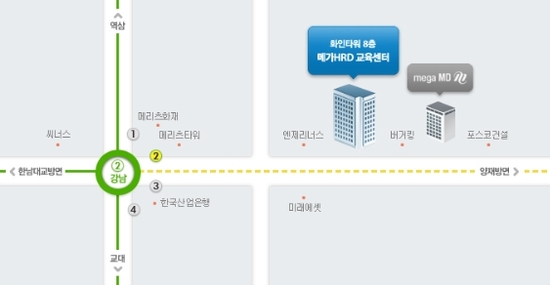
장소: 메가HRD교육선터 (강남역 3-4번 출구 사이)

한륭열풍사랑

한류한문화 특강 ‘한국인만 모르는 다른 대한민국’
< 저자 임마누엘 페스트라이쉬 교수 초청 특강>

▶강연자 : 임마누엘 페스트라이쉬 경희대 교수님
▶일시 : 10월 12일 토요일 오후 3시 ~ 6시
▶장소 : 메가HRD교육선터 (강남역 3-4번 출구 사이)
▶인원 : 100명 규모
▶주관 : 커뮤니티단체 한류열풍사랑, 한류문화교류단 케이랑(K-rang)
▶후원 : 장소 후원사 (구하는 중)
▶한류열풍사랑 주소 : http://cafe.daum.net/hanryulove

▶구체일정 (자세한 일정은 변경 가능)
3시: 00 ~ 3:15 영상 상영 (출석 확인 )
3시 15분 ~ 5시 00분 강연 (강연 + 질의 응답 포함)
5시 이후 소셜 파티 (다과와 음료 준비)
* 국악 공연 등을 앞푸리로 넣을 수 있습니다.
* 사회는 케이랑 단원 중 1명 (오동석 작가 or 다른 단원)
메가hrd교육센터_이미지(약도만)_megahrd

링크 

Pastreich talk “Leadership in an Age of Existential Threats” at State University of New York at Songdo, Korea

Emanuel Pastreich delivered a talk at State University of New York at Songdo on September 23, 2013, on the topic “Leadership in an Age of Existential Threats” in which he tried to address the serious issues facing the next generation in an age of climate change and unprecedented technological change. The full talk is available here. Of particular value are the opening comments by the students who arranged the event and also the closing comments by students.


See the posting at Asia Institute


중앙일보

2013년 10월 4일

배명복 논설위원

 배명복

“또 다른 일등 국가 한국?”


임마누엘 페스트라이쉬(경희대) 교수가 쓴 책을 읽었다. 『한국인만 모르는 다른 대한민국』이란 책이다. ‘하버드대 박사가 본 한국의 가능성’이란 부제가 달려 있다. 표지를 장식한 그의 얼굴 위로 “아시아에 등장할 또 다른 일등 국가는 한국이다”라는 자극적인 문구가 도드라져 보인다.

페스트라이쉬 교수의 한국 이름은 이만열이다. 한국인 출신 부인의 성(姓)을 취해 지은 이름이라고 한다. 얼마 전 우연한 기회에 만나 얘기를 나눠 보니 본명보다 한국 이름이 더 어울려 보였다. “요즘 가끔씩 영어 단어가 생각이 안 나 애를 먹는다”고 우리말로 능청을 부릴 정도다. 그는 한·중·일 3국의 고전문학과 역사를 깊이 팠고, 그걸로 박사학위를 받았다. 우리 역사와 문화에 대한 견식이 그에 비해 턱없이 모자란 걸 부끄러워하자 “전혀 그럴 필요 없다”며 “나는 그걸 전공한 사람”이라고 오히려 나를 위로했다.

페스트라이쉬 교수는 한국은 인구 2000만 명이 넘는 나라 중 식민지를 경영한 경험 없이 선진국이 된 세계 최초의 사례라고 지적한다. 6·25전쟁이 끝난 1953년, 소말리아와 비슷한 수준의 경제력을 지녔던 한국이 불과 두 세대 만에 선진국 대열에 진입하게 된 근본적 배경은 무엇일까. 그 해답은 바로 한국의 과거에 있다는 것이 그의 주장이다. 수천 년간 지속된 지적·문화적 전통이 있었기에 그런 기적이 가능했다는 것이다.

그럼에도 한국인들이 ‘새우 콤플렉스’에 사로잡혀 과거를 부정하고 극복의 대상으로 여기는 현실이 너무나 안타깝다고 말한다. 한국이 일등 국가가 될 수 있는 열쇠가 바로 자신들의 과거에 있는데 왜 그 ‘보물’을 무시하고 외면하는지 이해가 안 된다는 것이다. 한국 문화와 전통의 가치를 제대로 알려 정당한 평가를 받을 수 있다면 한국은 ‘코리아 디스카운트’에서 벗어나는 정도가 아니라 ‘코리아 프리미엄’을 누리고도 남을 것이라고 그는 확신하고 있다.

 일면 고개가 끄덕여지면서도 100% 동의하긴 어려운 건 왜일까. 긍정보다 부정, 낙관보다 비관에 길들여진 먹물적 근성이나 자학적 식민사관의 잔재 탓만은 아닐 것이다. 그의 논리대로라면 자칫 ‘문화 결정론’의 함정에 빠져 인종주의와 민족주의로 치달을 위험이 있다. 문화는 우열의 문제가 아니라 차이와 다양성의 문제다. 한국의 문화가 소중하고 가치 있는 만큼 소말리아의 문화도 값지고 소중한 것 아닌가. 각자의 고유한 문화적 정체성을 살려 성장과 발전의 밑거름으로 삼는 것은 누구나 해야 할 일이다.

남북한의 격차를 어떻게 설명할지도 의문이다. 남북한은 문화적 전통을 공유하는 같은 종족이고 같은 민족이다. 하지만 북한은 선진국은 고사하고, 하루 세끼 밥 먹는 것조차 해결하지 못하고 있다. 체제의 차이 말고는 달리 설명할 길이 없다. 문화적 전통보다 체제의 차이가 더 중요할 수 있는 것이다.

1979년 에즈라 보겔(하버드대) 교수는 『일등 국가 일본』이란 책을 썼다. 출간 즉시 세계적 베스트셀러가 되면서 일본에 대한 미국인들의 인식을 완전히 바꿔놓았다. 그러나 “재팬 이즈 넘버 원(Japan is Number One)”을 외치며 기세 좋게 나갔던 일본은 거품 경제가 꺼지면서 맥없이 주저앉았다. 그리고 20년을 허송했다. ‘아베노믹스’란 이름으로 재기를 노리고 있지만 전망은 불투명하다. 체제도 중요하고, 문화적 전통도 중요하지만 그 못지않게 중요한 것은 당대를 사는 동시대인들의 선택이다. 어떤 리더십을 선택하느냐가 결정적으로 중요하다.

요즘 주변에 보면 가슴이 꽉 막힌 것처럼 답답하다고 말하는 사람이 많다. 계층 간 격차는 갈수록 벌어지고, 사회는 갈라져 허구한 날 패싸움이다. 어느 편에도 속하기를 거부하는 사람들은 설 땅이 없다. 참신함과는 거리가 먼 ‘올드보이’들의 귀환과 함께 대한민국이 1970년대로 회귀하고 있다는 탄식도 들린다. 그럴 때마다 빠지지 않는 것이 박근혜 대통령의 리더십과 국정 운영 스타일에 대한 걱정이다. 고공비행을 하던 박 대통령의 지지율에 최근 빨간불이 켜지기 시작한 것은 이런 분위기와 무관치 않아 보인다.

박 대통령은 탕평과 대통합을 약속했지만 갈등과 분열의 골은 갈수록 깊어지고 있다. 반대편을 포용하는 것이 아니라 배제하는 것이 통합이라고 믿고 있는 건 혹시 아닐까. 깨알 같은 지시만 있지 토론다운 토론은 안 보인다. 밤잠을 설쳐가며 꼼꼼하게 보고서를 읽는다니 그게 되레 걱정스럽다. 지금 청와대의 공기는 자유롭지도 여유롭지도 않아 보인다. 숨막힐 듯한 침묵만 보인다. 이런 분위기에서 어떻게 문화가 융성하고, 창조가 가능할지 의문이다. 페스트라이쉬 교수에겐 미안한 얘기지만 일등 국가 한국은 요원해 보인다.

배명복 논설위원·순회특파원


link