第九章 中国的未来
多元历史成就未来中国
想要探讨中国的未来,首先要做的就是深入研究中国的历史。事实告诉我们:人类不可能做出完全的创新。那些所谓的“创新”,实际上只是重复和翻新了一些已有的文化代码,而这种重复与翻新,事实上或许比想象中更陈旧。因此我们可以认为:人类并没有必要为了脱离原来的世界而去尝试一些完全崭新的事情,因为这样一来根本无法知道下一步正确的路该怎么走。
세월호 사건을 계기로 한국 정치 시스템의 변화를 위한 대대적인 압박이 가해지고 있다. 그러나 한국 사회의 구조적 문제를 정부기관 개편으로 해결하려는 태도는 비현실적으로 보인다. 적지 않은 이들이 정부의 이런 움직임에 대해 뭔가 실제로 변화가 일어나고 있는 듯이 국민을 안심시키려는 의도가 아닐까 의심한다.
전방위로 펼쳐지는 정부의 신속한 조치는 일시적인 만족을 가져다줄지 모른다. 그러나 분명한 사실은 장관 교체나 정부조직 개편, 또는 세월호 사태에 직접 관련된 몇 명을 처벌한다고 해서 앞으로 그런 사건이 일어나지 않으리란 보장이 없다는 점이다.
한국이 겪는 문제는 정책의 문제가 아니라 문화의 문제다.
(Searching for the Truth on Both Sides of the Ocean)
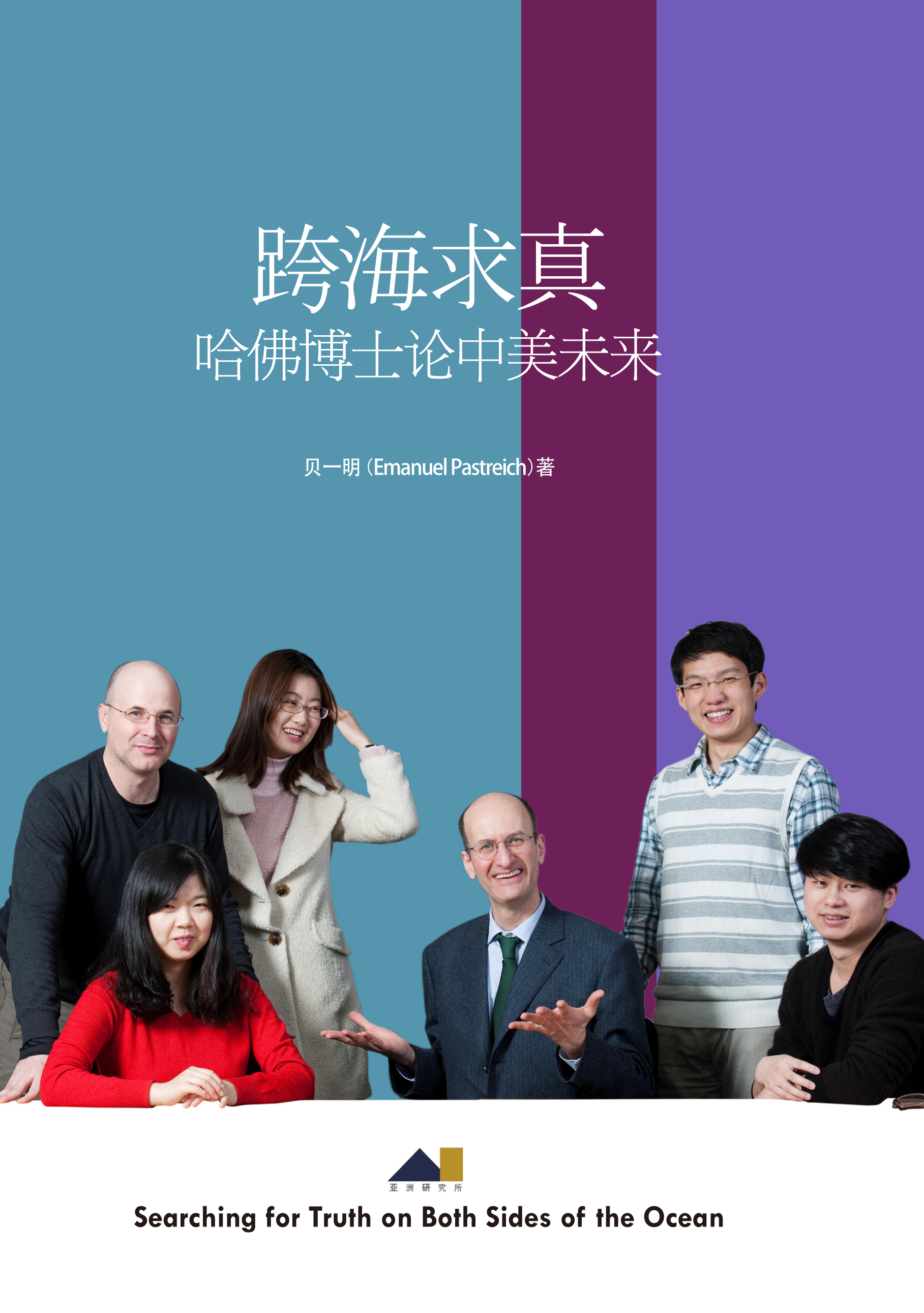
贝一明(Emanuel Pastreich)著
首尔:亚洲研究所出版社
ISBN: 978-0-692-20612-6
编辑委员会: 赵寒玉 赵心悦 钱梦仑 李振寰 李松竹
澳大利亚前总理陆克文不久前撰文指出,中国目前的种种变化展现,绝大部分是有益于中国和全世界的。自此不难看出,中国在世界舞台中日益重要的作用已经显现无遗。越来越多的专家、学者、政客、商人纷纷将目光投向中国。中国,正迈进全新的阶段。
在此阶段中,中国面临新的挑战,中国的年轻人更肩负重任:自身的发展,文化的传承,国家的兴盛,世界的改善。期间所承受的压力,品味的冷暖,似乎使得前路漫长且迷茫。物质与精神,现实与理想,之间的平衡仿佛那般的不易寻找。动力何在?勇气何在?方向何在?思考许多,行动极少。有时不是不愿动,而是不知如何动;有时不是没有行动,而是不知何以坚持。
Emanuel led a discussion at the Trilateral Cooperation Secretariat (for cooperation between China, Japan and Korea) on Wednesday, August 6 (2014) on the topic of regional cooperation in East Asia. The discussion involved the members of this year’s Young Ambassador Program. Each year, a group of fifteen outstanding youth from China, Japan and Korea with a deep commitment to improving relations between the nations and promoting meaningful integration are selected for a four day program of activities and lectures by the Trilateral Cooperation Secretariat. As the only organization run jointly by the governments of China, Japan and Korea, the Secretariat plays a critical role in facilitating greater understanding and cooperation.
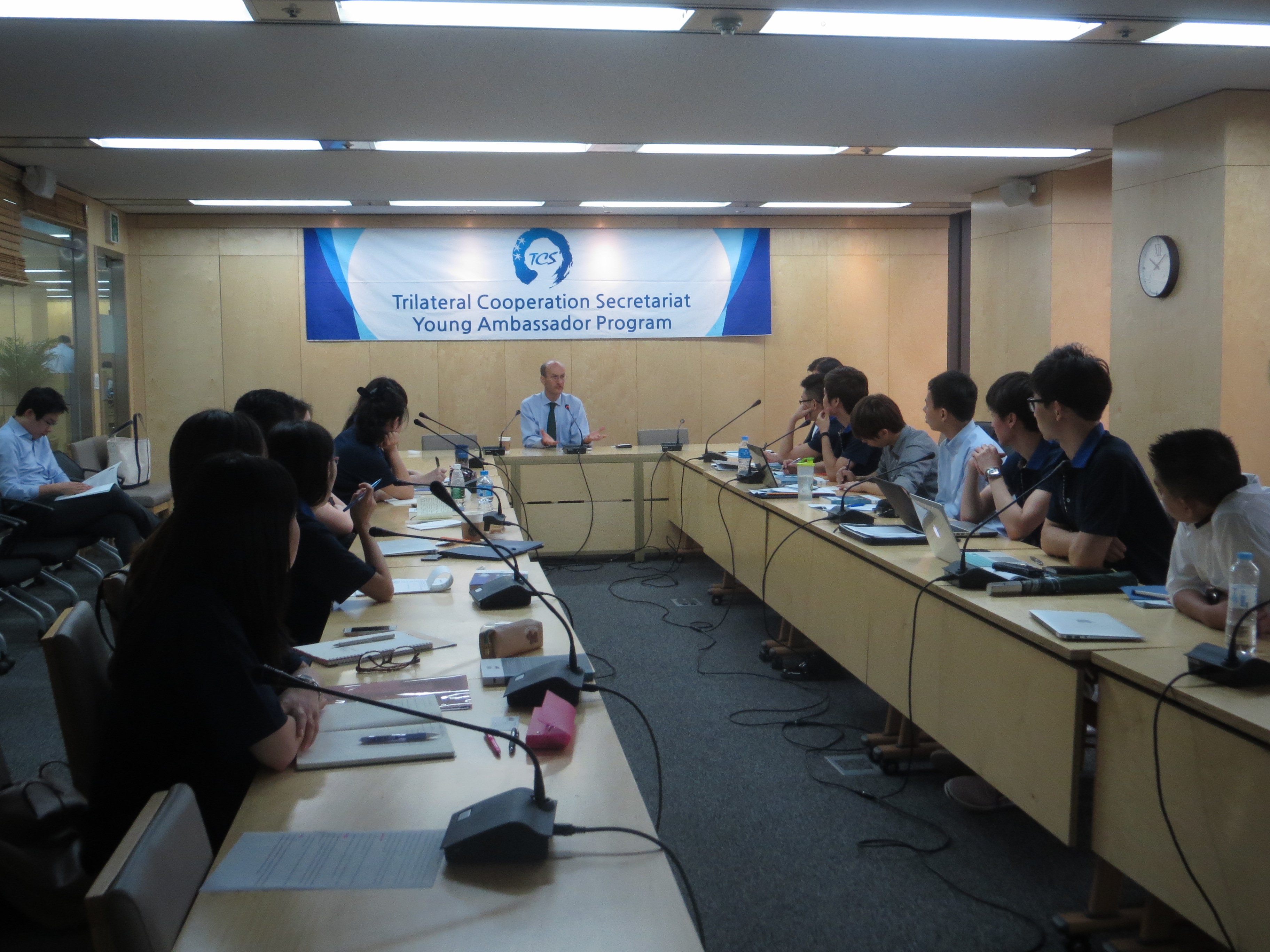
Emanuel talked about the challenges of globalization and its causes, focusing on the impact of technology on globalization and addressing directly the completely unprecedented challenges of climate change and digitization that we face. He discussed with the students the effectiveness of current mechanisms for international cooperation in East Asia. The students, in turn, made concrete proposals for new approaches to the promotion of substantial cooperation and offered their opinions of existing institutions.
The seminar was also an opportunity to introduce Emanuel’s new book “Searching for Truth on Both Sides of the Ocean” (跨海求真),a book that raises a variety of mechanisms for promoting international cooperation in East Asia.
Many theories have been advanced concerning the growing conflict between the United States and Russia over the future status of Ukraine. The American media is hyping up the confrontation between the West and Russia as fast as it can. Many of those articles use the classic term “the West” in a most disingenuous manner. The media suggests that somehow the entirety of the enlightened world, all those who grew up in the tradition of Plato and Voltaire, are fed up with Russia and its undemocratic and expansionist moves. But there is plenty of evidence that the actual populations of European nations, regardless of what the bigwigs at NATO say, have little sympathy for this dangerous project of confrontation.
But among the many articles on the situation in Russia, or in Gaza, oddly the impact of climate change on policy related to Russia is completely overlooked. Although we cannot produce a “smoking gun,” there is plenty of circumstantial evidence that suggests that pushing Russia to the edge of war is inseparable from the life and death struggle within the security apparatus itself to avoid taking climate change seriously.
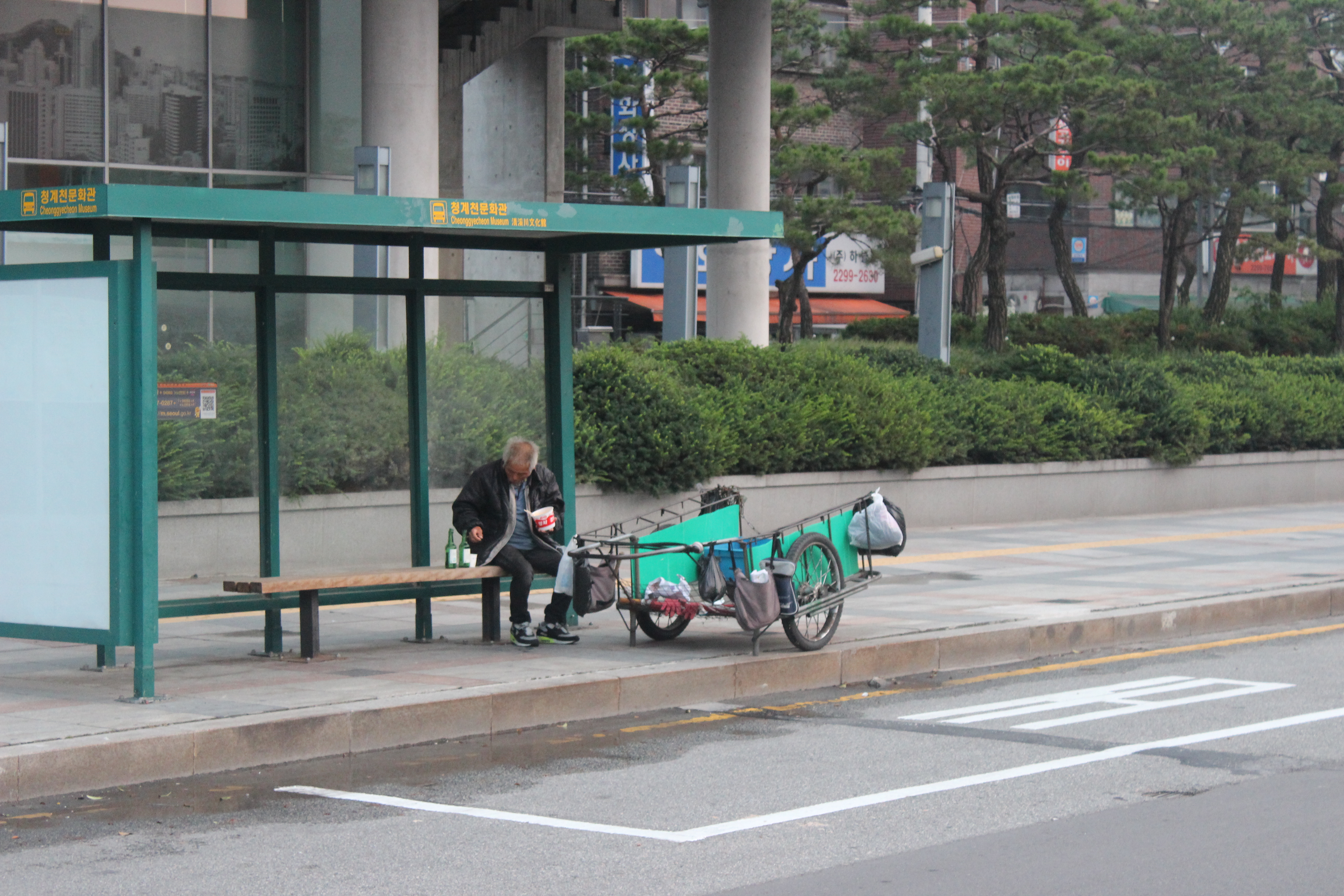
Over the last few years I have come to have such an affection for Seoul that I want to show all aspects of the city. Needless to say, how poor people live in Seoul, the people who make their living by collecting bits of metal or recyclable paper, is important for us to see. We should not turn away from them and pretend that they do not exist. Nor should we pretend that only the mentally ill find themselves in such a state. As the Korean novelist Park Jiwon so well expressed, the experiences of the poor are our own experiences. The only difference perhaps, is that we are unaware of just how poor we are.
I see many pushing carts in search of small amounts of income. Often they are older women who have a difficult time. If they were in wealthy families, they would be pampered and taken to expensive doctors for minor ailments.
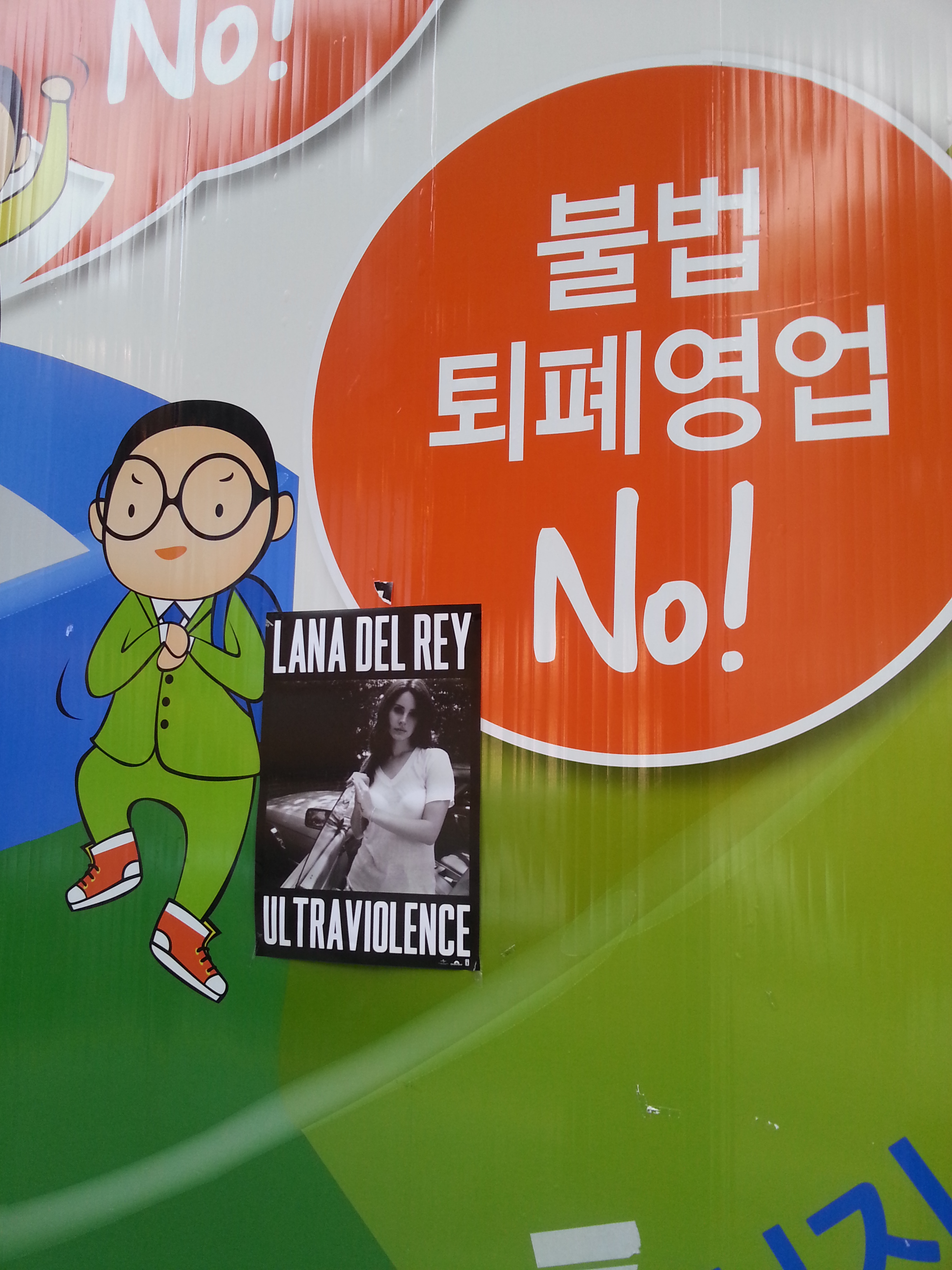
The image isjarring. This upbeat government poster encouraging moral rectitude among citizens features the image of rock star Psy doing his “Gangnam Style” dance. The title given for this section is ” ‘Illegal Business of Ill-repute’ NO!” No doubt a campaign against houses of prostitution. But the poster someone has put up advertizing “ultraviolence” is a bit jarring. I wonder if the person who posted that poster understood the term “ultraviolence” in its original context, or meant the juxtiposion to be humorous.
Recently it seems like Seoul is being swept by a conspiracy fashion wave. Here are just a few examples I spotted around town.


한국의 입시 개혁을 얘기한다는 것은 간단한 문제이기도, 아주 복잡한 문제이기도 하다. 사람의 가치를 졸업한 학교에 따라서 판단하는 한국의 관습이 남아 있고, 사람의 사회적 지위를 직업에 따라 판단하고 그중 일부 직업이 특별히 높은 대우를 받고 있는 한 입시 개혁을 말하는 것은 큰 의미가 없다.
이 문제를 해결할 수 있다면 자연스럽게 입시 개혁이 이뤄질 수 있다. 한국에서 오랫동안 논란이 이어져 온 입시 개혁의 요소들을 살펴보자. 현재 소외되고 있는 인문학, 국사, 철학에 대한 질문을 입시에 추가하면 좋은 일이다. 학생한테 더 나은 사회를 위한 제언을 하도록 해도 좋겠다. 입시에 윤리적인 판단을 할 수 있는 질문을 넣는 것도 바람직하다. 질문을 던져 고르게 하는 것보다 글로 답변하게 하는 것도, 다른 학생들과 같이 협력해서 과제를 풀게 하는 방식도 의미가 있다.