“The future of Korea’s exports” (JoongAng Daily February 19, 2016)

JoongAng Daily

“The future of Korea’s exports”

February 19, 2016


Emanuel Pastreich


The record dip in Korea’s exports in January, down 18.5 percent, has sent shivers down the spines of Koreans whose custom it is to measure economic development in terms of trade. The challenge is serious; but will the solution be investing more to promote what Koreans manufacture, or rather, will it be making a fundamental shift in the country’s strategy?

The exponential advancement of technology is changing the world so quickly we can barely keep up. I recently sat on the panel at the seminar “The Future of the Republic of Korea” and heard Global Future Studies Association Chairman Lee Nam-sik remark: “Uber, the world’s largest taxi company, owns no automobiles; Facebook, the world’s greatest media source, creates no content; and Alibaba, the strongest retailer, has no inventory.”

His comment on the paradoxical nature of an information-driven economy came together in my head with the news of Korea’s drop in trade. Would it be possible for Korea in the future to become the biggest trading nation in the world and not export any products?

At the lowest level, the increase in Korean manufacturing in China, Vietnam and elsewhere suggests that this transition is already taking place. Korean companies take advantage of their strengths in finance, marketing and scale of production to create a global manufacturing system. But that trend has had clear negatives for ordinary Koreans who have seen good jobs vanish either because factories have gone abroad or because they have been more completely automated.

What is Korea good at? It is not a particular technology that only Koreans have, but rather the ability of Koreans to build complex integrated systems for the planning of industrial development, design, manufacturing, marketing and sales. In the past, Koreans moved fast to seize opportunities without losing sight of their long-term goals to be successful in shipbuilding, automaking, smartphones and household appliances.

The Korean ability to integrate technologies so as to produce a solution to a complex problem is something that itself can be exported as a package.

Let me give an example. One of the largest emerging markets in the world over the next 15 years will be the conversion of sprawling cities focused on heavy manufacturing, which were constructed using Western-style automobile-centric city planning, into sustainable eco-cities. There are hundreds of these cities in India, China and elsewhere in the developing world that will become uninhabitable in the near future because of pollution and other sustainability issues. They will all have to be completely rebuilt as sustainable cities that can support millions of residents.

The market for such projects will be immense, and Korea could be the country that will do the work because Korea is making the same transition. But this work will be a fundamentally different kind of business than the standard export-based growth that many are accustomed to.

First, Korea should rapidly convert all its major cities into the most advanced eco-cities in the world, using Korean technologies to meet its needs and using its strengths in the adoption and implementation. The creation of cities that are truly sustainable is not a matter of obtaining cutting-edge technology, but rather of integrating technology with institutional innovation.

Moreover, the project has much to do with culture: creating a new cultural paradigm that appeals to young people. The eco-city includes the development of new online communities and networks for collaboration – another strong-point for Koreans.

The product is Korea itself.

We must move beyond the terrible irony of Korea producing solar cells for export but not using them domestically.

Read more

The Asia Institute proudly announces the launch of the Korea Peace Movement, lead by Dr. Lakhvinder Singh, long-time partner and friend. In these risky times it is essential that we “wage peace,” as Mahatma Gandhi once suggested. Please join us. 


Korean Peace Movement-02

Korea Peace Movement 

Dr. Lakhvinder Singh

Director


Peace:

Between humans and nature

Between family members

Between members of society

Between the nations of the world


The risks of conflict are rising on the Korean Peninsula, and throughout East Asia. We need a true Peace movement that recognizes that true peace requires engagement at every level between people, not machines, to create a culture of peace that is lasting and that will create a positive cycle of giving and sharing in our society.

We must recognize first that there is a direct link between man’s thoughtless contempt for the ecosystem, the collapse of relations within families, the alienation between people within our society and the increasingly militarized environment. The final, and fatal, result of this decay of human culture is conflicts between nations that will lead inevitably to terrible wars. We will show through our peace movement the imagination and the bravery to counter these conflicts by, as Mahatma Gandhi said, “waging peace.” And the essential step for such a success is spiritual peace, peace between man and his creator.

The first level of the peace movement is the establishment of true harmony between man and nature. The selfish exploitation of nature and of environment for short term gain is a root cause of the chaos and violence that pervades our society. We need a balanced growth based on moral principles in which peace and the environment is a fundamental imperative. There can be no political economy that is not linked to ethical principles.

The second level of the peace movement is the creation of peace between the members of the family. Our materialistic attitudes towards our surroundings have created unlimited desires that are tearing our families apart. The institution of family should be the center for ethical behavior, but as families collapse, we are seeming increasing social chaos and violence. Just as the family decays, so do institutions decay.

The third level of the peace movement is the creation of peace and harmony between the members of his society. Thoughtless consumption and materialism has created terrible alienation for us that leaves us all isolated and lonely. Such a breakdown of the social fabric creates disorder and violence in society and makes it impossible to implement new policies.

Read more

“韩国未来将出口什么?” (中央日报 2016年 2月 16日)

中央日报

“韩国未来将出口什么?”

 2016216

贝一明


2016年1月韩国的出口足足下降了18.5%,这一急剧下降创下了纪录。韩国人习惯用出口测定经济发展,因此这一结果让韩国人集体感到不寒而栗。出口减少是严峻的挑战,然而为实现翻盘,究竟扩大投资是解决之策?还是说需要的是根本性的战略修正?

世界因呈几何级数发展的技术而迅速变化。最近笔者参加了国会举办的“大韩民国的未来”专题研讨会,并有幸聆听了国际未来学会会长李南植(音)的如下发言。“世界最大的出租车公司优步(Uber)并没有出租车;世界顶级的媒体源泉脸书并不制作任何内容;最强零售企业阿里巴巴并没有存货”。

Read more

「日本―21世紀新たな挑戦と信頼への道」(3月5日 2時@京都大学)

エマニュエル パストリッチ

Emanuel Pastreich

アジアインスティチュート所長

「日本―21世紀新たな挑戦と信頼への道」

3月  5日 (土曜日)午後 2時


「戦争をさせない1000人委員会」

「東アジア青年交流PJ」

縮小社会研究会のメンバー


京都大学@文学部新棟 第3講義室


領土問題をめぐる中国と日本の間の緊張の高まりは、韓国との慰安婦などの歴史問題をめぐる論争と組み合わさり、日本が隣国から軍事的にも政治的にも攻撃的だと思われる政治的な環境を作り出している。

Read more

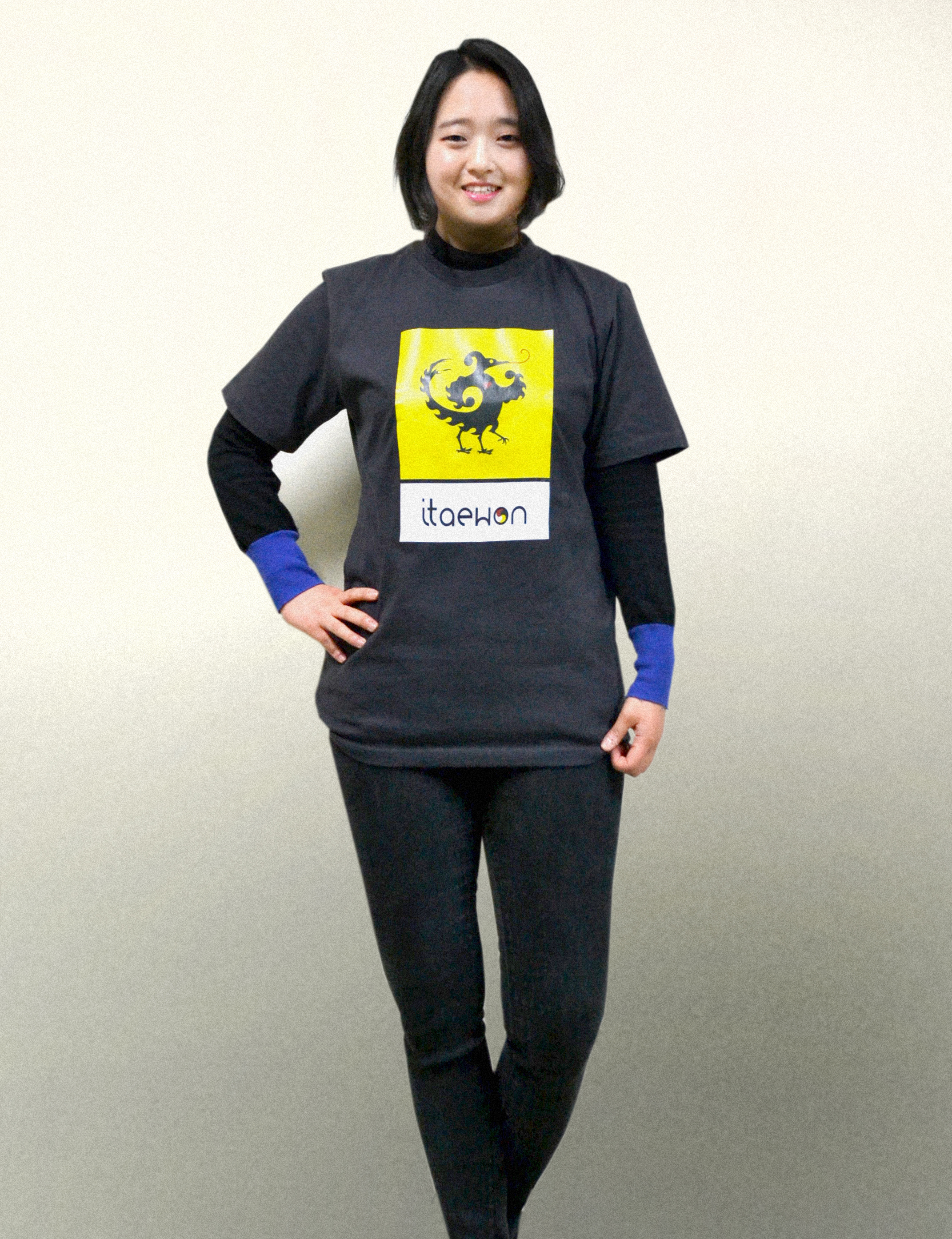
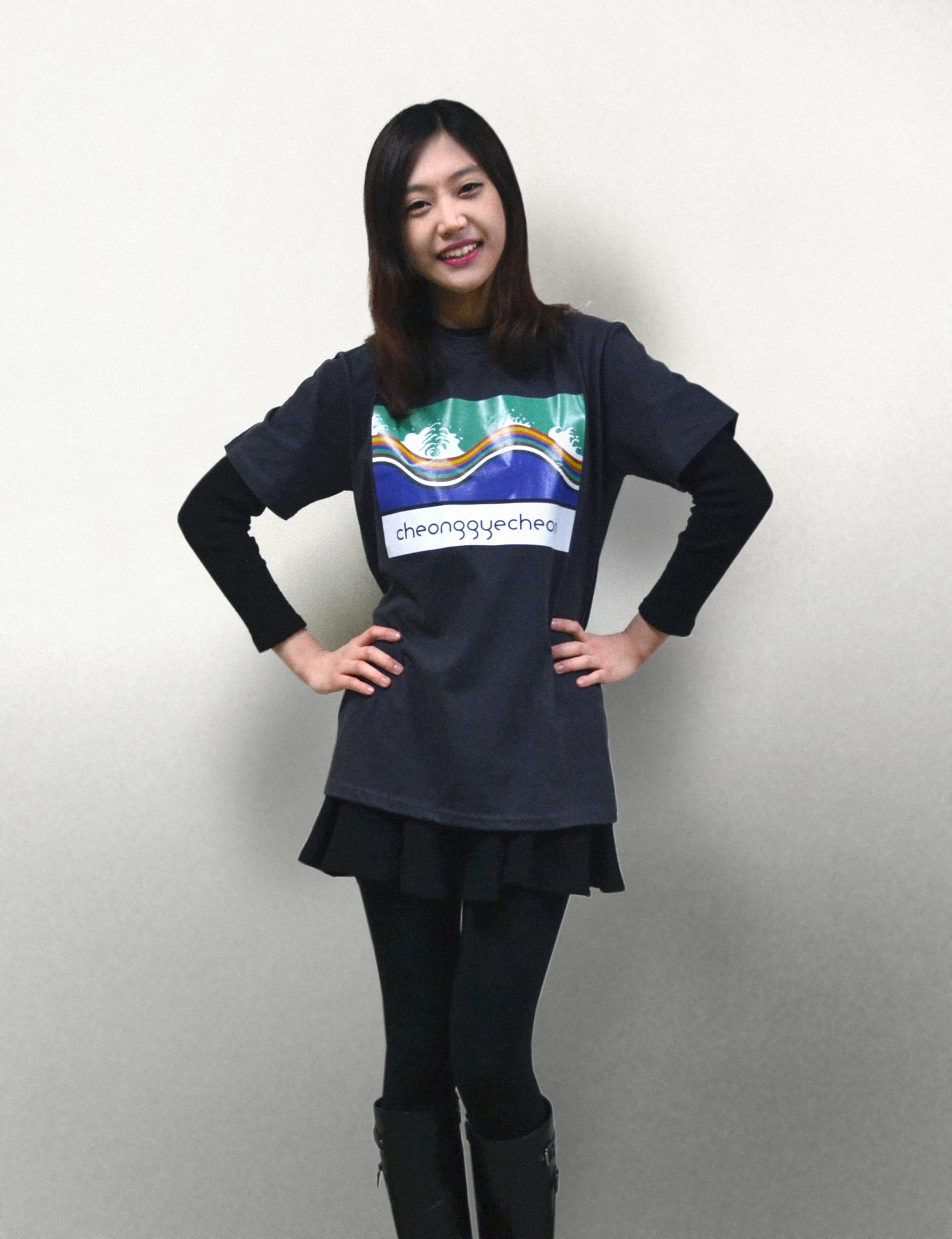
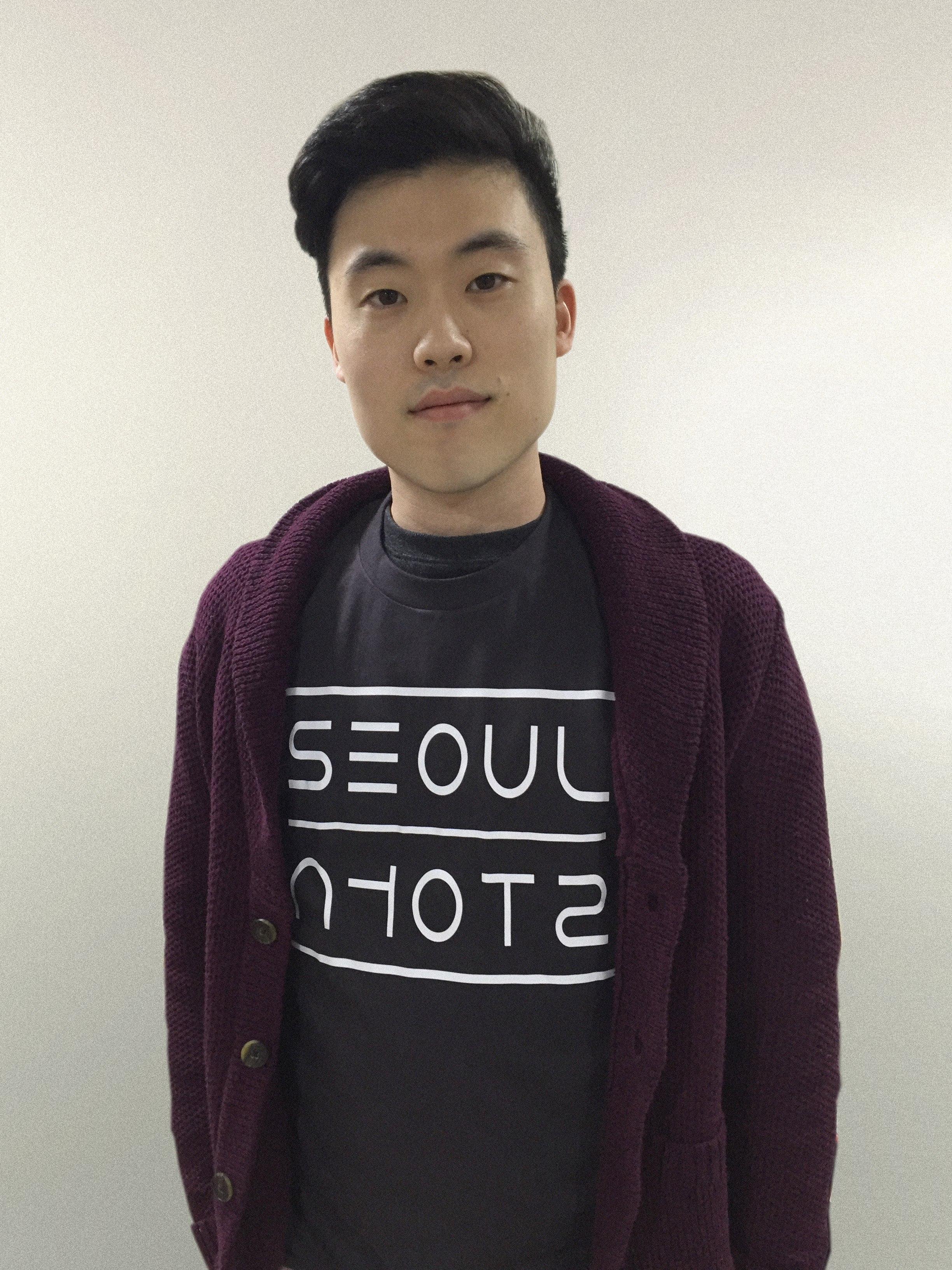
Seoul T-Shirts from Asia Institute

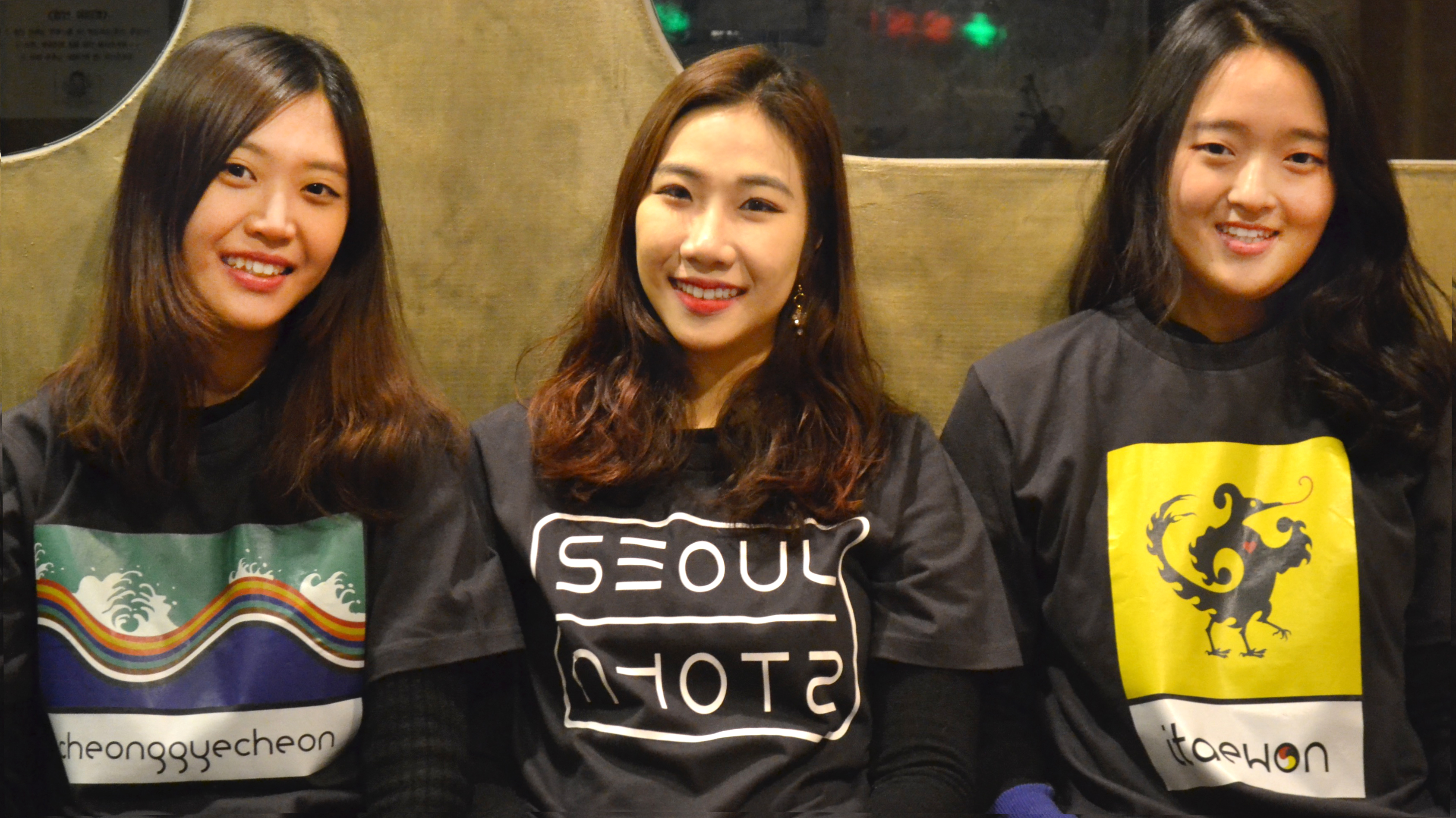
Three new Seoul T-shirts from Asia Institute.
The Itaewon T-shirt features Sam Jok-o, the three legged phoenix accompanied by the triskelion that is a universal symbol for balance and eternity.
The Cheongyecheon T-shirt uses traditional Korean colors in a representation of the ecological elements of the river which defined the city of Seoul since the 14th century.


The Seoul T-shirt features "Seoul" in both Roman and Hangul scripts in a strikingly modern manner.
The Seoul T-shirt features “Seoul” in both Roman and Hangul scripts in a strikingly modern manner.


The first run of Asia Institute T-shirts will be available in high quality cotton at a price of 25,000 Won. Contact us for more information.


“미래에 한국은 무엇을 수출할 것인가” (중앙일보 2016년 2월 13일 )

중앙일보

 “미래에 한국은 무엇을 수출할 것인가”

2016년 2월 13일 

임마누엘 페스트라이쉬 


한국의 수출이 1월에 18.5%나 줄었다. 기록적인 급락이었다. 한국인들은 경제발전을 수출로 측정하는 습관이 있기 때문에 집단적으로 등골이 오싹함을 느꼈다. 수출 감소는 심각한 도전이다. 하지만 반전을 위한 더 많은 투자가 과연 해결책일까. 근본적인 전략 수정이 필요한 것은 아닐까.

기하급수적인 기술의 발전으로 세상은 빠르게 변화한다. 최근 나는 국회에서 개최된 ‘대한민국의 미래’ 세미나에 패널로 참가했다. 국제미래학회 이남식 회장의 다음과 같은 발언을 들을 수 있었다. “세계 최대 택시 회사인 우버에는 택시가 없다. 세계 최고의 미디어 원천인 페이스북은 아무런 콘텐트도 만들지 않는다. 최강 소매업자인 알리바바에는 물품 재고가 없다.”

정보가 주도하는 경제의 패러독스에 대한 이 발언을 나는 수출 급락 뉴스와 연결했다. 이런 생각이 들었다. 한국은 미래에 제품을 전혀 수출하지 않고 세계 최대의 무역국가가 될 수 있지 않을까.

Read more

“The Bernie Sanders of Korea? An Interview With Ahn Cheol-soo” (The Huffington Post February 12, 2016)


The Huffington Post

“The Bernie Sanders of Korea? An Interview With Ahn Cheol-soo”

February 12, 2016

Emanuel Pastreich


I had the first opportunity to talk at length with Ahn Cheol-soo when I made a presentation in front of him and the faculty of the Seoul National University Graduate School of Convergence Science and Technology back in 2012. Ahn served as the dean at the time and he sat across from me as I spoke about possible international collaboration with MIT and Yale University. He did not say a word the whole time. But his silence was remarkably powerful. So completely focused was he on what I said that I was forced to do my best to present the material in more carefully and accurately.

Ahn was unusual even for an academic. He has strong administrative skills and a tremendous sense of self-confidence, but unlike similar personalities, he is not interested in hearing his own voice and is uncomfortable getting undue attention. But beneath the placid surface there is a tremendous energy that keeps pushing him forward. That force is the combination of responsibility, fascination with how things work and considerable ambition. But you have to look very carefully to spot it.

He is profoundly shy. If it were not for his plans and his dreams he would probably just as well just sit and listen. It is still hard to imagine him shaking hands with hundreds of people at local community centers, but that is exactly what he does now, and even more.

A native of Busan, Ahn was originally trained as a medical doctor but later developed the V3 anti-virus software. He became a remarkable business innovator who founded one of the most successful anti-virus software companies in Korea, AhnLab. Ahn is famous for his unrelenting schedule of constant work and reading that left everyone else behind in the dust.

Ahn became immensely popular because of his books. There were many young people, who wanted Ahn to enter the Seoul mayoral election in 2011. He ultimately backed the NGO leader Park Wonsoon who was elected as Mayor in an irregular election. Ahn then decided in 2012 to run for president and in the end joined the Democratic Party (then known as NPAD), backing his formal rival Moon Jaein in his bid for the presidency. Moon Jaein was not successful and Ahn found himself very out of place in the rather cozy Democratic Party, best known for its colossal ineffectiveness.

It was then that he made up his mind to launch a third party, the “People’s Party.” He has referred to himself as a “Bernie Sanders of Korea” but has taken the distinctly different approach of leaving the Korean Democratic Party behind and setting out with both conservatives and liberals to chart a new course.

I had a chance to catch up with Ahn recently and here is what he had to say about this new gambit.

Emanuel Pastreich:

Why did you decide to start a new political party at this moment in time?

Ahn Cheol-soo:

I first got involved in politics because I was affected by the passion shown by ordinary people when they demanded that we must end this doddering way of politics in Korea.
I feel I have been entrusted by the citizens with a mission.

Read more

” ‘3년간 한국정치 밑바닥까지 경험했다’ | 안철수 인터뷰” (허핑턴포스트 2016년 2월 12일)

허핑턴포스트

” ‘3년간 한국정치 밑바닥까지 경험했다’ | 안철수 인터뷰”

2016년 2월 12일


나는 안철수를 2012년에 처음 만났다. 당시 서울대학교 융합과학기술대학원장이던 그와 교수진 앞에서 프리젠테이션을 했기 때문이다. 그는 내가 MIT, 예일 대학교와 국제 협력을 할 수도 있을 거라고 말하는 내 맞은 편에 앉아 있었다. 그는 내내 한 마디도 하지 않았지만, 그의 침묵은 놀랄 정도로 강력했다. 그는 나의 말에 완전히 집중하고 있어서, 나는 더 조심스럽고 정확하게 프리젠테이션을 해야만 했다.

안철수는 학자로서도 흔치 않은 사람이었다. 행정 능력이 뛰어났고 자신감이 아주 강했지만, 그와 비슷한 성격의 다른 사람들과는 달리 자기 목소리를 듣는 것에 관심이 없었고 지나친 관심을 받으면 불편해 했다. 그렇지만 차분한 표면 아래에는 그를 앞으로 계속 밀어붙이는 엄청난 에너지가 있다. 그것은 책임감, 일이 진행되는 방식에 대한 매료, 상당한 야망이 합쳐진 힘이다. 그렇지만 그 힘은 주의깊게 살펴야 발견할 수 있다.

그는 굉장히 수줍음이 많다. 그의 계획과 꿈이 없었더라면 그는 그냥 가만히 앉아서 귀를 기울였을 것이다. 그가 지역 주민 회관에서 수백 명의 사람들과 악수를 하는 것은 아직도 상상하기 어렵지만, 지금 그가 하고 있는 게 바로 그런 일이며, 심지어 그 이상을 하고 있다.

부산 출신인 그는 원래 의사가 되기 위한 공부를 했으나 V3 백신 소프트웨어를 만들었다. 그는 한국에서 가장 성공한 안티 바이러스 소프트웨어 기업 중 하나인 안랩을 창립한 대단한 비즈니스 혁신가가 되었다. 그는 쉴 새 없이 일하고 누구보다 책을 많이 읽는 것으로 유명하다.

안철수는 책을 내서 굉장한 인기를 얻었다. 2011년에 그가 서울 시장 선거에 출마하기를 바랐던 젊은이들이 많았다. 그는 NGO 출신인 박원순을 지원했고, 박원순이 시장으로 당선되었다. 2012년에는 대선에 출마하기로 결심했다가 민주당에 입당, 라이벌이었던 문재인을 지원했다. 문재인은 당선되지 못했으며, 안철수는 무능하기로 유명한 새정치민주연합이 불편해졌다.

그래서 그는 국민의 당을 창당하기로 결심했다. 그는 스스로를 ‘한국의 버니 샌더스’라고 부른 바 있으나 새정치민주연합을 떠나 보수와 진보를 모아 새로운 길을 모색하는 그의 접근 방식은 샌더스와는 상당히 다르다.

최근 안철수를 다시 만나 그의 새로운 행보에 대해 이야기를 들어볼 기회가 있었다.


Read more

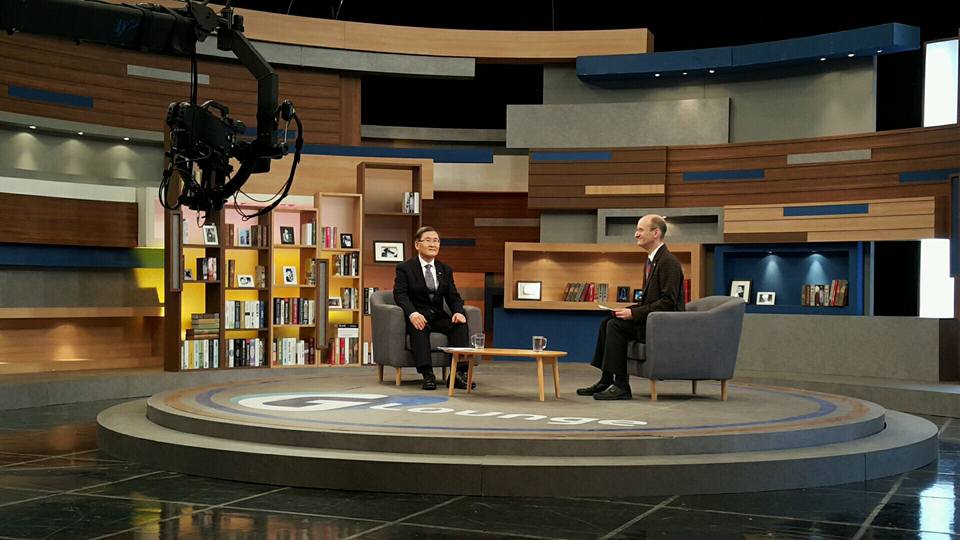
Kang Sung-mo on robotics and the 4th industrial revolution on G Lounge


February 7, 2016

Emanuel Pastreich

Director

The Asia Institute

 steve kang on g lounge

Interview with Kang Sung-mo (Steve Kang) President of KAIST)

Arirang TV

G Lounge

“The 4th Industrial Revolution and its implications for Korea”


A discussion of robotics and their potential for Korea and for the world following Steve Kang’s visit to the World Economic Forum in Davos where the them was the 4th Industrial Revolution and what we need to do to prepare.