Asia Institute Seminar with Larry Wilkerson “The Real Issues on the Korean Peninsula”

Asia Institute Seminar


“The Real Issues on the Korean Peninsula”


August 28, 2012


Asia Institute Seminar


“The Real Issues on the Korean Peninsula”


August 28, 2012


Larry Wilkerson

Pamela C. Harriman Professor of Government and Public Policy

College of William & Mary

(former Chief of Staff, Department of State) 


Emanuel Pastreich:

So the conflict between North Korea and South Korea just goes on and on. We can blame this state on this president or that administration on the Northern side, or the Southern side but clearly the problem goes beyond the capacity of one individual, or even a group, to change. What might be a new way of tackling this problem?

Larry Wilkerson:

I have a solution. I am not sure that it is a politically acceptable solution. Certainly it would not be acceptable to any United States administration we are likely to encounter soon. But this solution deserves to be discussed. I can sum it up succinctly: get the United States out of the process. When I say “get the United States out”I don’t necessarily mean, although it may be possible in the future, the removal of United States forces from South Korea. That is a step that would come later.

The first step is to get the focus away from nuclear weapons and nuclear power in all interactions with North Korea, and also to take the focus off of the United States and its concerns. The United States has developed a lumbering bureaucracy related to East Asia with its own complex security concerns in Northeast Asia that cannot represent the interests of the Korean Peninsula. Let us put the focus back on the Korean people themselves in both North Korea and South Korea.

I am convinced that if we let South Korea and North Korea go forward in their discussions without the constant interference of the United States, they will find a route to accommodation or reunification, whether through a “sunshine policy” or some very different route. Let them deal with the problem themselves. Although the man in the street is not aware of it, the United States is constantly interfering with the attempts of the Koreans to determine their own future.

The United States can offer its support to Korea, but not in the sort of obstruction and interference we have seen so far. When and if necessary, Korea can invite China, Russia and Japan to enter into the effort. That is the only real way to move towards reunification. Consistently the United States has gummed up the works. Requiring all these countries to be part of the process through the Six Party Talks is a perfect example.  
Read more

“From Pacific Pivot to Green Revolution” in Foreign Policy in Focus

Foreign Policy in Focus

“From Pacific Pivot to Green Revolution”

By John Feffer and Emanuel Pastreich

October 4, 2012

The low rolling hills of the Dalateqi region of Inner Mongolia spread out gently behind a delightful painted farmhouse. Goats and cows graze peacefully on the surrounding fields. But walk due west just 100 meters from the farmhouse and you’ll confront a far less pastoral reality: endless waves of sand, absent any sign of life, that stretch as far as the eye can see.

This is the Kubuchi desert, a monster born of climate change that is slouching inexorably east toward Beijing, 800 kilometers away. Unchecked, it will engulf China’s capital in the not-so-distant future. This beast might not be visible yet in Washington, but strong winds carry its sand to Beijing and Seoul, and some makes it all the way to the east coast of the United States.

Read more

The Gate to the East Rises over Suzhou

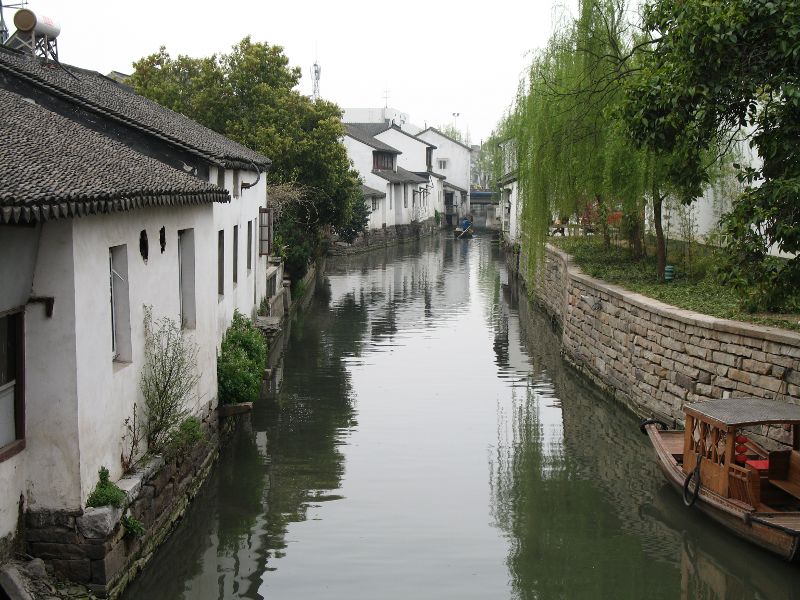
I have not been in Suzhou since 1991. I remember the old canals that I had read about so often were being rebuilt and prettied up in ways that I must say were not exactly to my liking. Suzhou was changing quite rapidly at the time and I felt I could see something slipping away before my eyes.

The canals of Suzhou embody the understated wealth and erudition of this intellectual mecca. If I had to imagine an ideal hope, perhaps Suzhou of the Ming Dynasty would be it.

But now an enormous “Gate to the East” 东方之门 is rising above Suzhou that dwarfs everything else. Two towers come together as one, perhaps symbolizing a marriage of East and West, or of past and present.

The changes are profound, and reminds us that increasing Chinese economic and political self-confidence has not manifested itself in a reaffirmation of traditional Chinese aesthetics, with a few notable exceptions. 

Read more

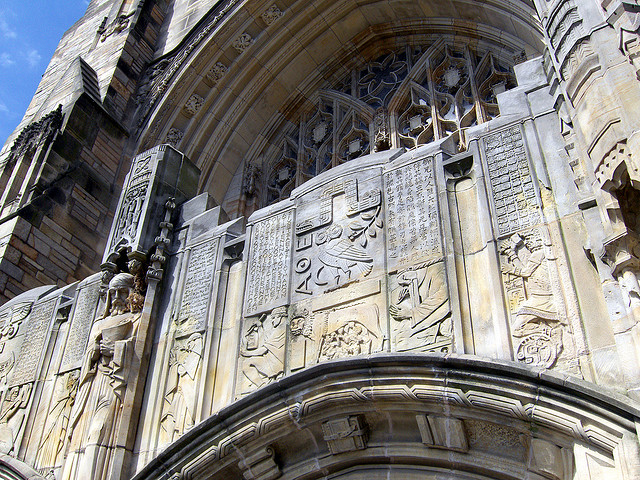
The Chinese inscription above the entrance to Sterling Memorial Library

The stone inscriptions at Yale spoke to me as an undergraduate, particularly the haunting carvings of the Sterling Memorial Library. This enormous bibliographic cathedral is a mixture of late Art Deco and Gothic Revival that was designed by James Gamble Rogers and completed early in the depression in 1931.

Above all, the carvings over the main entrance to Sterling Memorial Library made the deepest impression on me as I passed through them almost every day. From left to right above the right door stand four tablets with ancient scripts: Arabic, Greek, Chinese and Mayan passages with their respective scribes standing below.

Read more

Lively discussion of cultural production in China and Korea

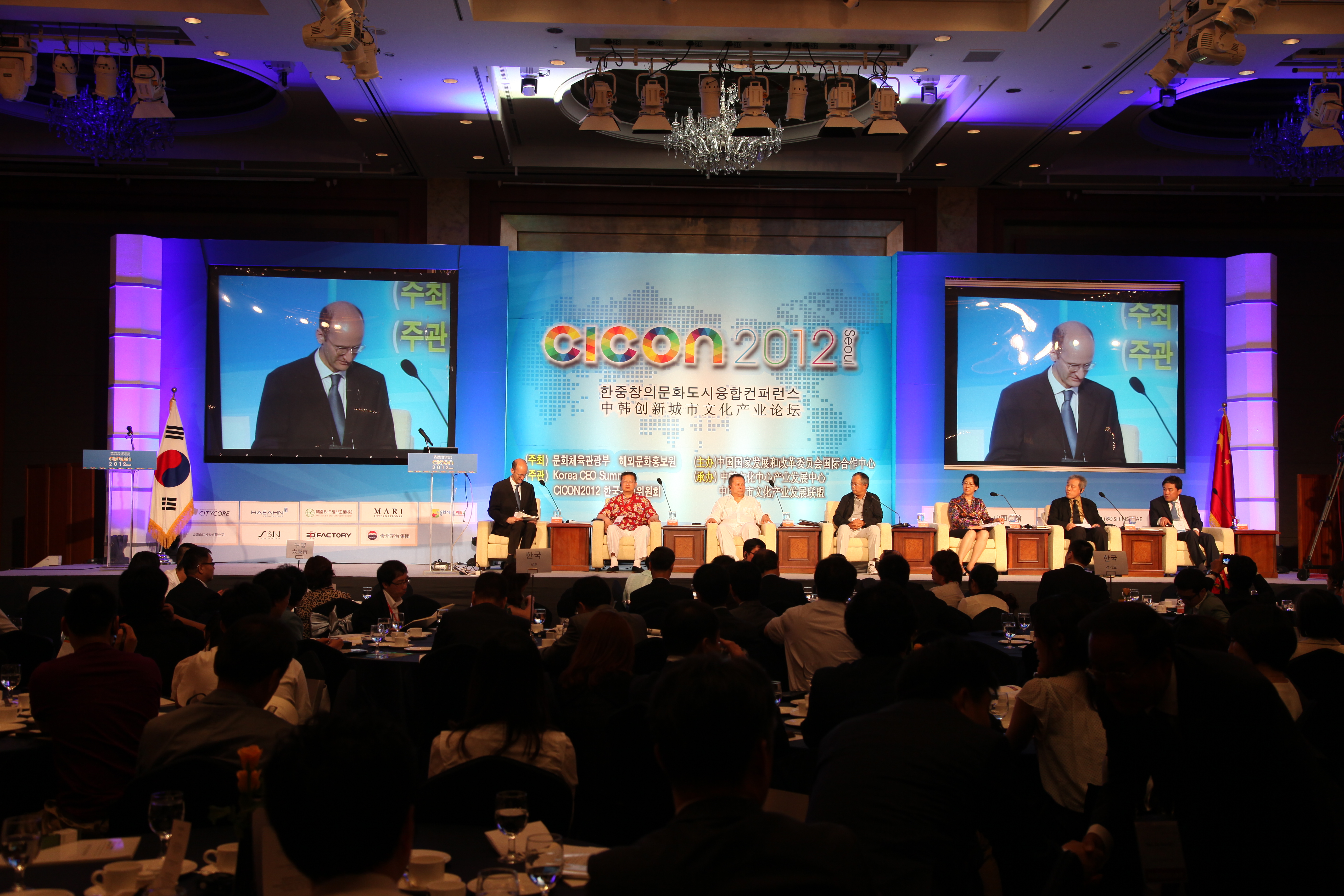
Emanuel was the MC at CICON (China-Korea International Conference on Cultural Innovation Cities; 한중창의문화도시융합컨퍼런스;
中韩创新城市文化产业论坛) on June 22, 2012. This conference, part of a series of events commemorating the twentieth anniversary of the normalization of relations between China and Korea, brought together important  figures from the arts of Korea and China for a thoughtful discussion of he future of cultural cooperation between the two countries.

Emanuel makes opening remarks at CICON.

Read more

“The Great Green Wall and the Fight against Desertification in China”

Opening remarks
Thursday, June 28, 2012

Asia Institute Seminar

“The Great Green Wall and the Fight against Desertification in China”

The Asia Institute seminar on the noble fight against desertification was a wake-call for all of us. I must admit that although I was pleased by the enthusiasm of the participants, I was shocked that we did not have a larger crowd. After all, the spread of deserts in China is perhaps the most serious challenge facing East Asia today and is a crisis that calls for a global solution.


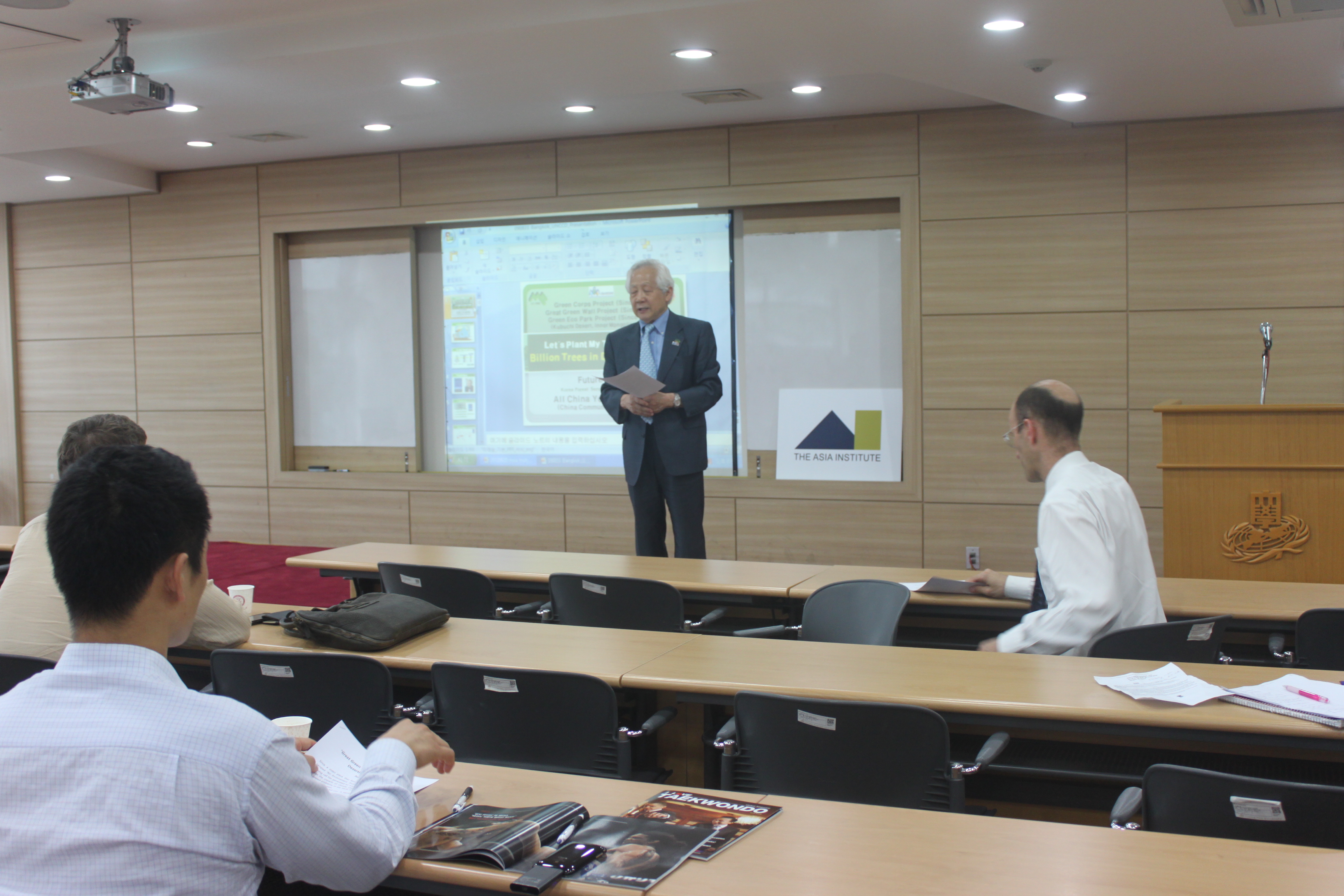
Lecture by Ambassador Kwon

Yet attendance was less than for our seminar on nuclear power in North Korea—an important topic, but not anywhere as significant.

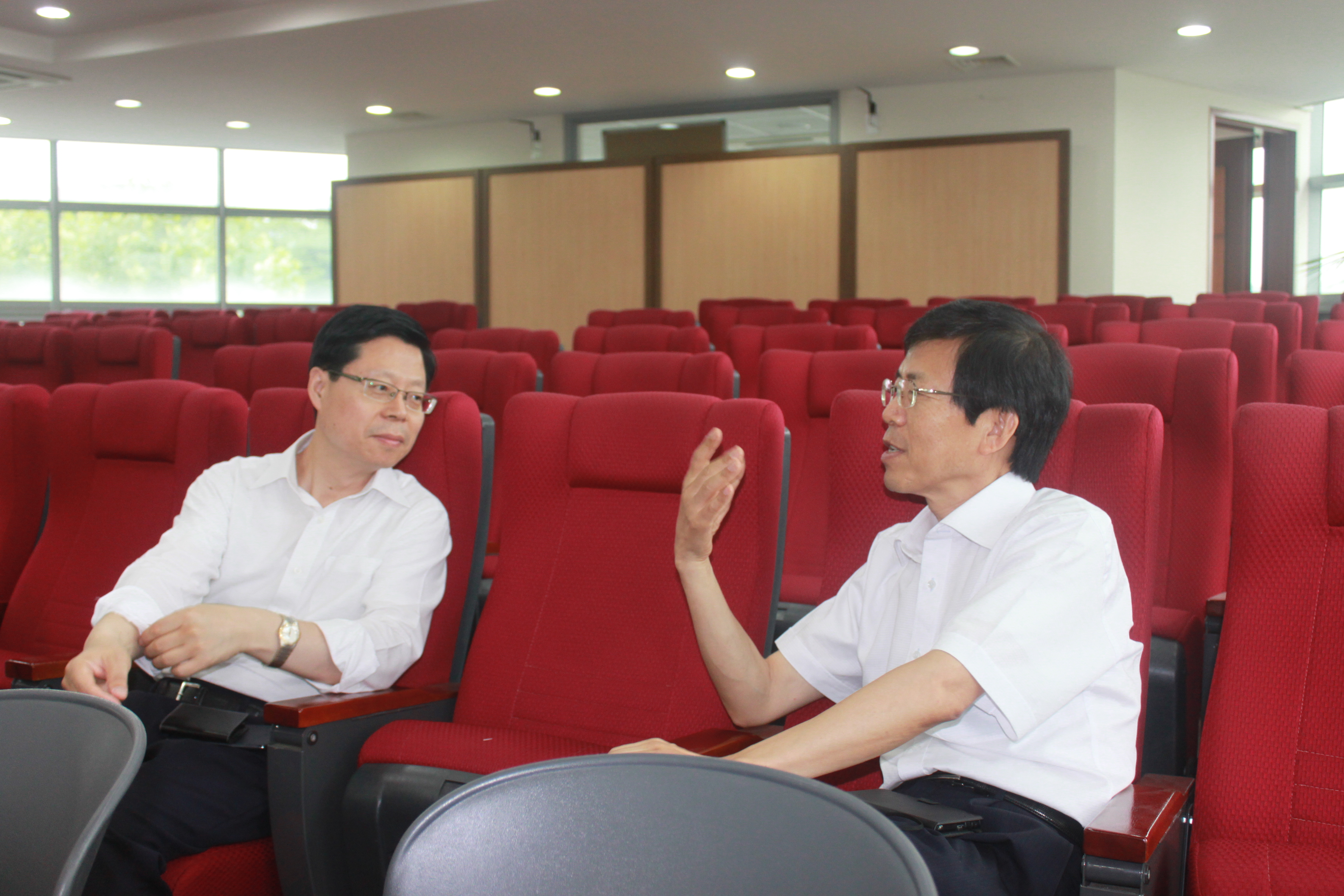
Kwak Sang-soo of Korea Research Institute for Bioscience and Biotechnology talks with David Seol, advisor to Asia Institute for external relations.

Ambassador Kwon Byunghyun spoke about his NGO Future Forest which

Read more

Asia Institute Seminar “The Great Green Wall and the Fight against Desertification in China” JUNE 28, 2012

Asia Institute Seminar


 The Great Green Wall and the Fight against Desertification in China

Report to the Rio +20 United Nations Conference on Sustainable Development


Thursday, June 28, 2012

6:30-7:30 PM

Read more

Talk on how Korea can learn from the past in implementing a program to work together with China to combat the spread of deserts (Saturday, May 26, 2012)

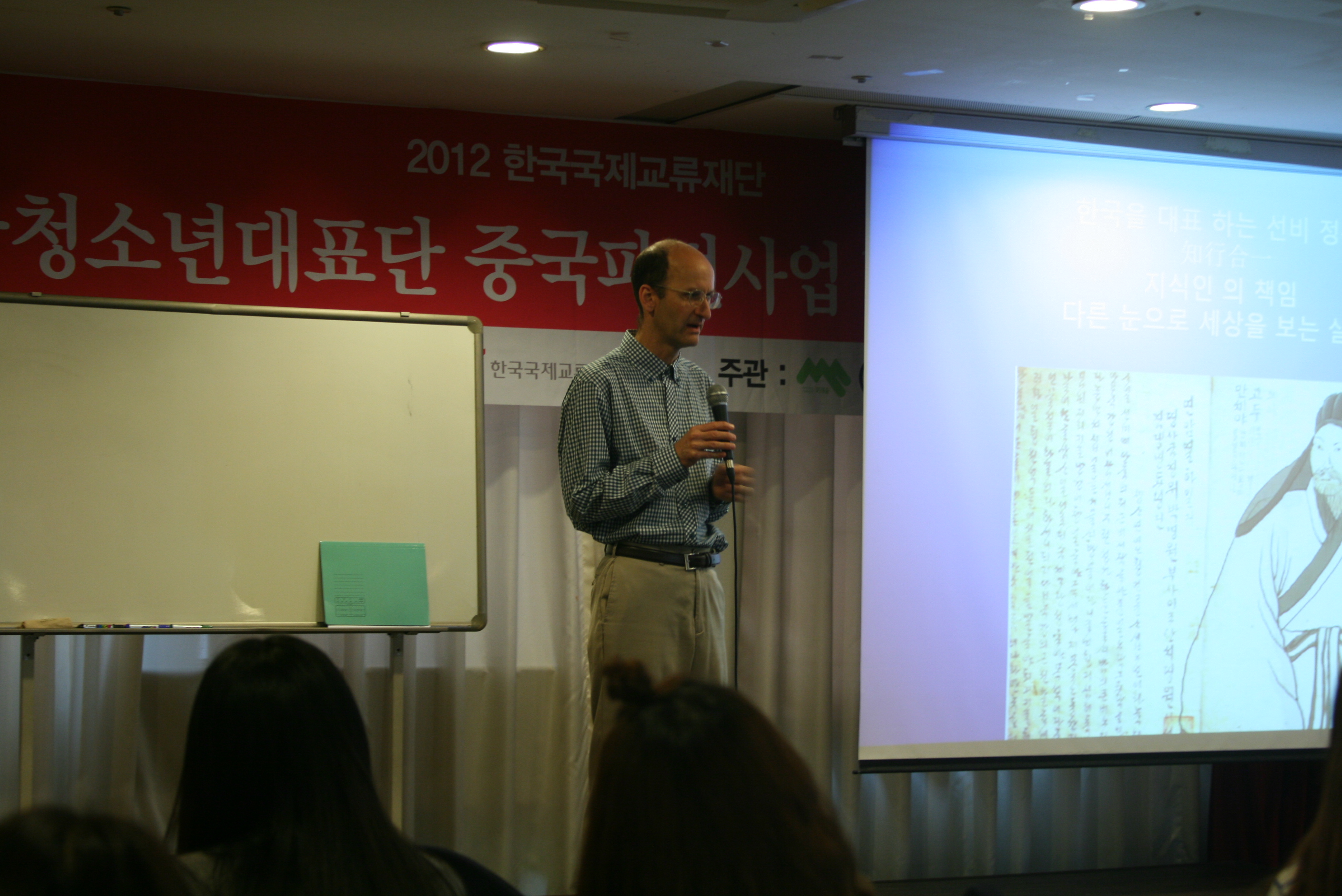
Emanuel addresses Korean college students in Future Forest set to travel to China to work in anti-desertifcation efforts.

I gave a talk for a group of Korean college students preparing to travel to China where they will work together with Chinese students on anti-desertification projects in July. The students are from universities across Korea and the event was sponsored by the Korea Foundation and Future Forest, the NGO dedicated to Korea-China cooperation on environmental issues of which I am a member. This new effort to bring together young people from Korea and China represents the initiative of the Asia Institute to build close networks between people of different nations that parallel technological and logistical integration. 

Read more

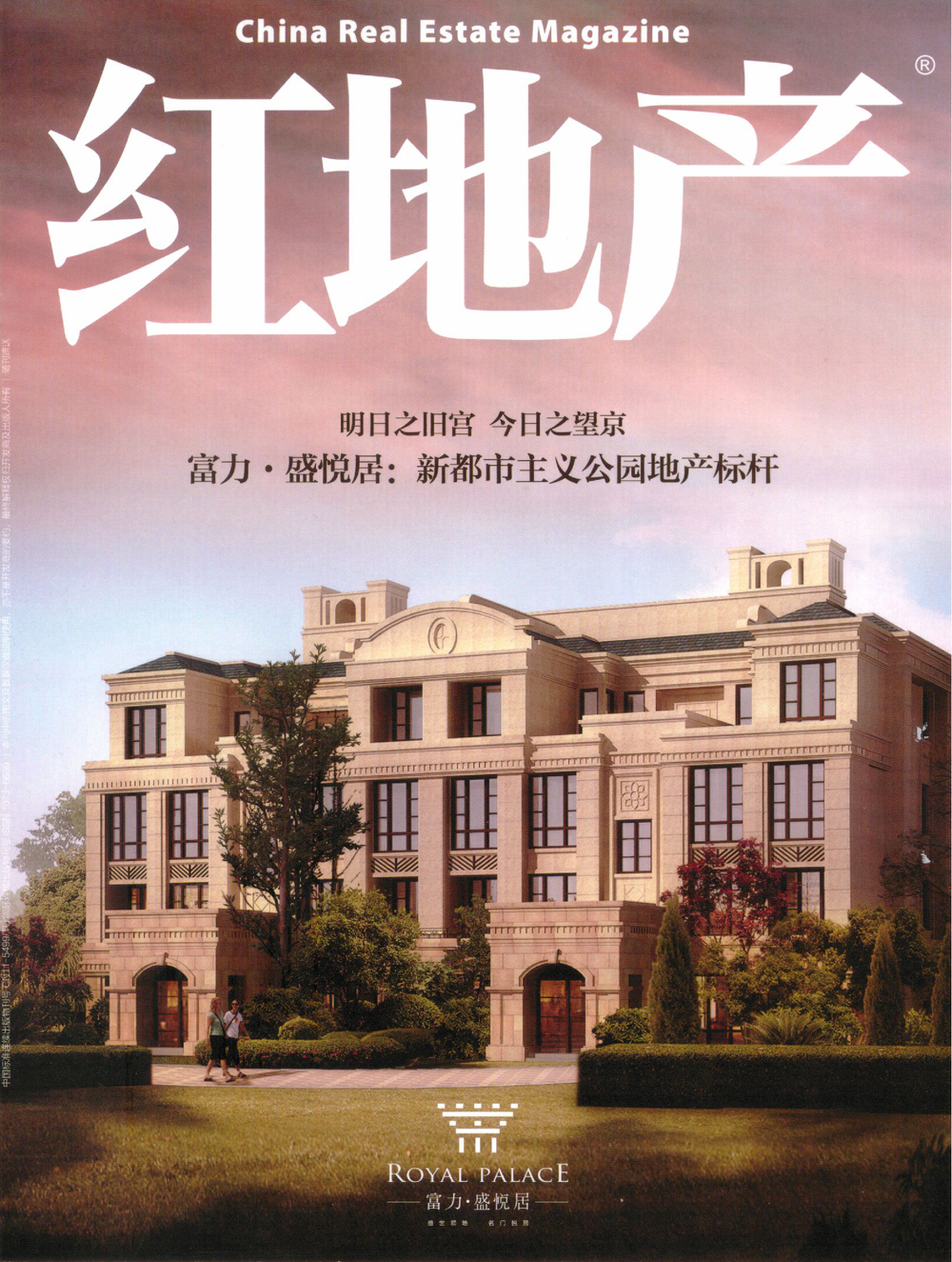
Beijing’s future appearance?

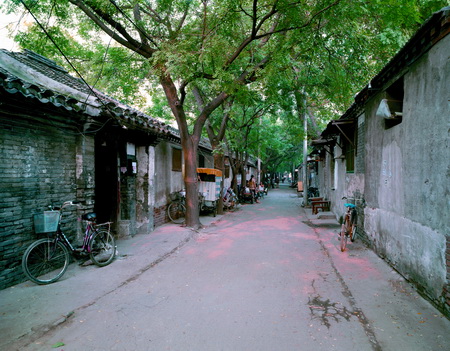
Beijing is one of my favorite cities. I recently visited as part of the Future Forest effort to fight desertification through the planting of trees. I picked up a fascinating booklet at that time that describes plans for extensive new real estate developments. Let us start by looking at traditional Beijing and its narrow alleys known as “hutong.” These hutong roads are rapidly disappearing as part of contemporary progress.

Read more

Joong Ang Monthly Asia Institute Interview with Richard Bush (In Korean 월간중앙) April 2012

In this interview with Richard Bush, director of the Center for Northeast Asia Policy Studies at Brookings Institution in Washington D.C., we discuss recent developments in China and the important role of Korea in Northeast Asia and around the world.


Read more