Share Hub Seoul

Seoul Metropolitan Government has launched an ambitious program to encourage citizens to share tools, space, services and other aspects of their lives as a means of creating a healthier society. The program proposes broad ranging efforts to encourage citizens to share their possessions as a way of creating a common society.


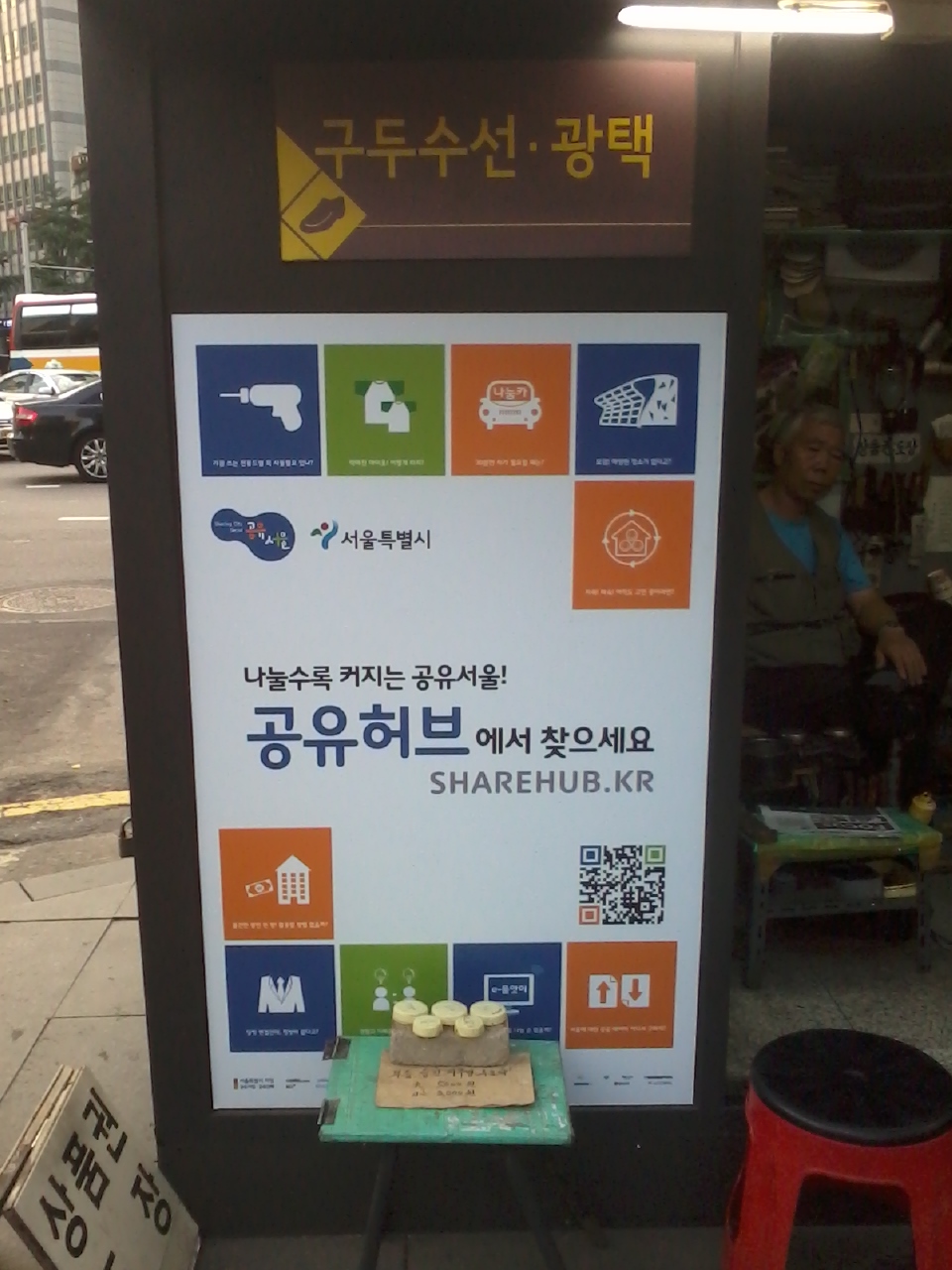
Seoul's Share Hub Program announced
Seoul’s Share Hub Program announced: “the more we share the more our shared Seoul will grow! Find what you need at Share Hub”


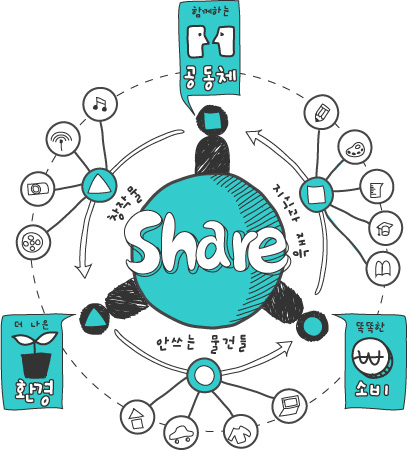
chart explaining how sharing works
chart explaining how sharing works: The three poles are “a better environment”  “smart consumption” & “a common community that works together”


Details about this program are available at sharehub.kr.


Gangnam’s legendary “Garosugil” and the post-causality consumer culture of Seoul

The other evening, I had a chance to walk down Gangnam’s legendary “Garosugil,” or tree-lined boulevard, in the Sinsa District. It is quite a scene. Perhaps reminiscent of Harujuku at its height, but more frenetic and perhaps more creative, if less classy.

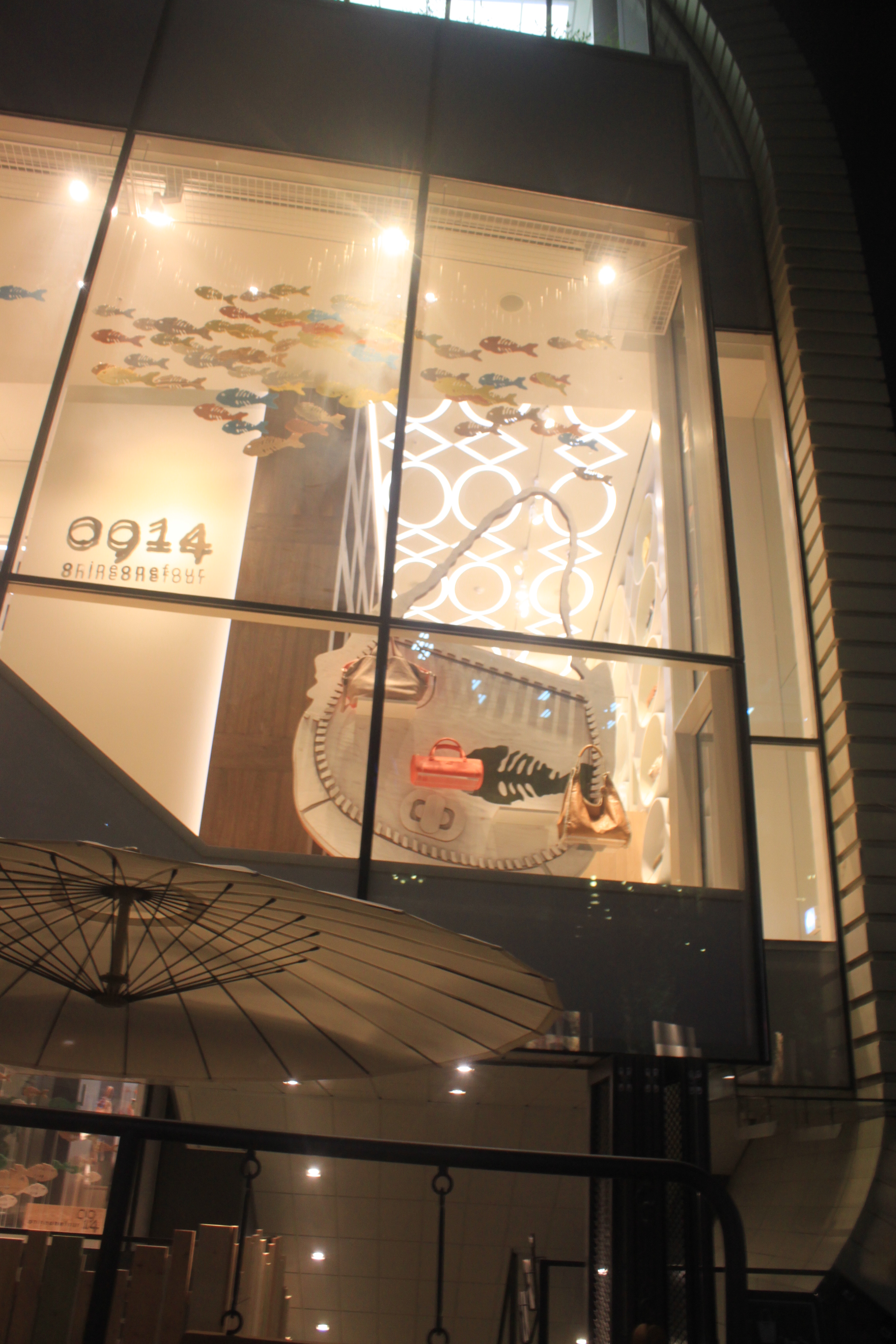
The Handbag Museum in Garosugil is dedicated to every form of handbag. There is a program in the basement that allows you to design your own.
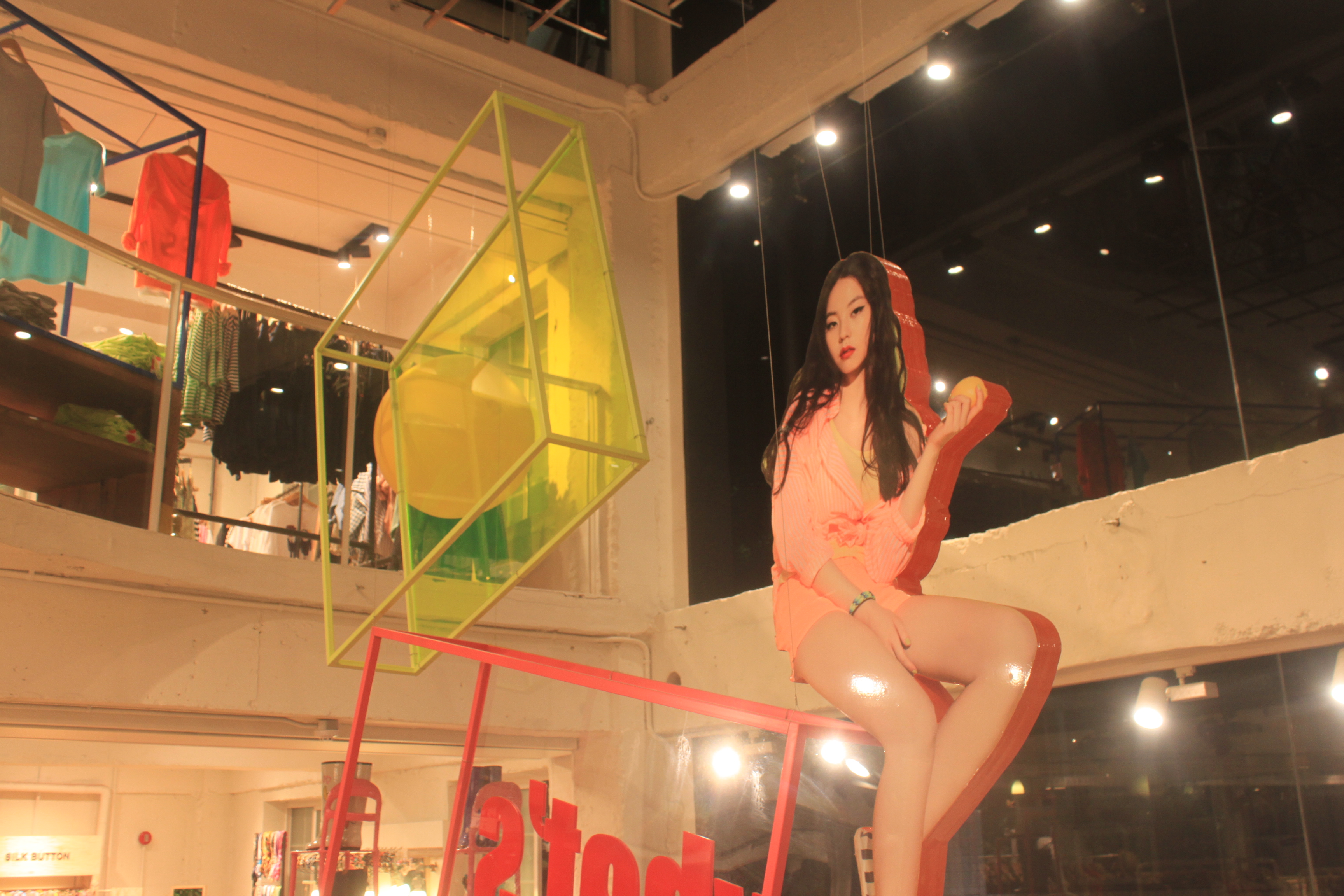
The cultural images presented in this shop suggests an American consumer culture set loose in an unfamiliar ecosystem.

This disjointed video that is constantly played at one of the luxury stores suggest a total breakdown in causality in this cultural environment.

video

Seoul’s “The Big Ear” program to supply the basic needs for the permanently unemployed and impoverished

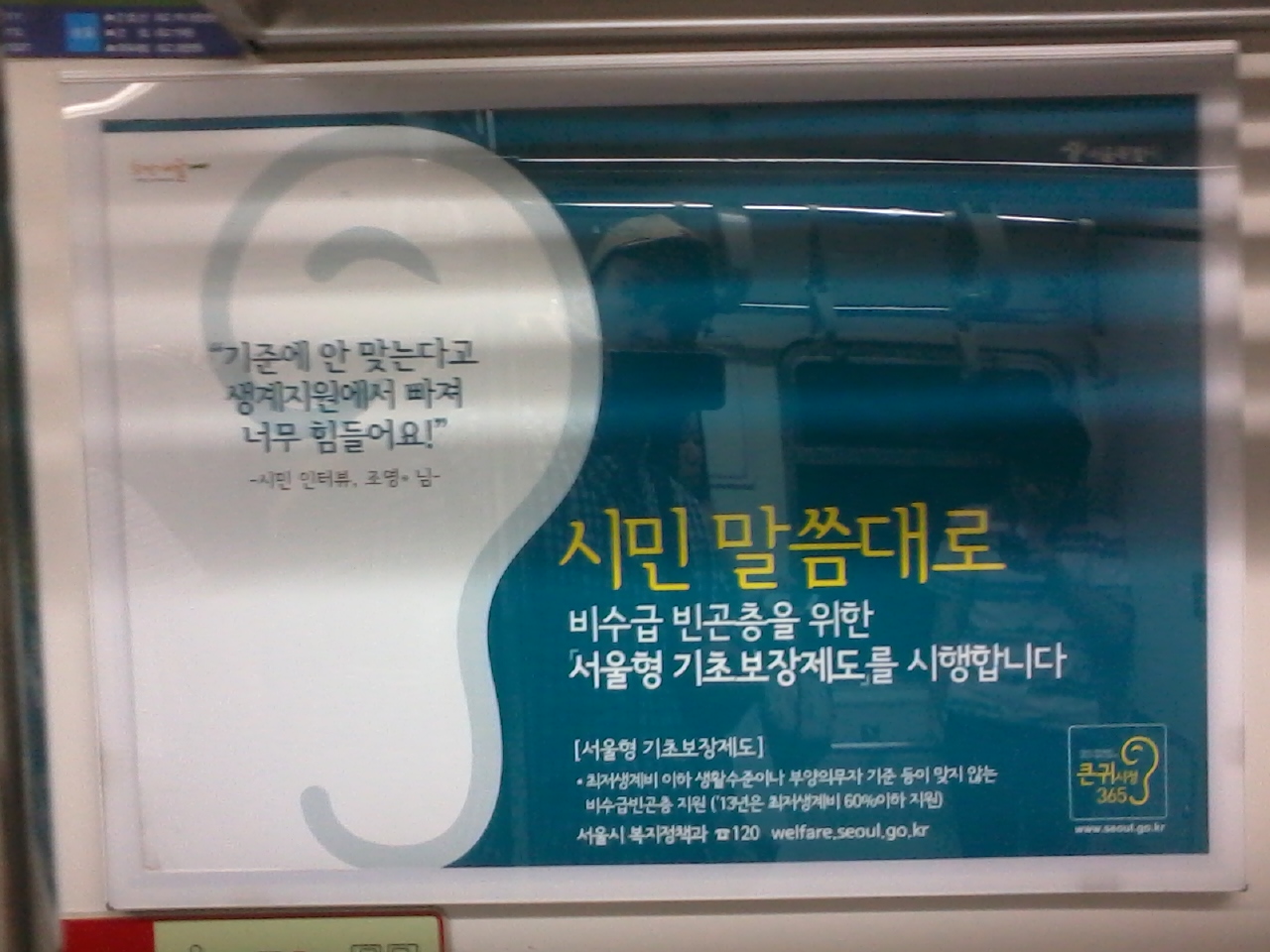
Sign for Seoul Metropolitan City's "The Big Ear" program in Seoul Metro.
Sign for Seoul Metropolitan City’s “The Big Ear” program in Seoul Metro.

Here is an ad for Seoul Metropolitan City’s “The Big Ear” program to help the poor in the city.  The “Big Ear” suggests a government that listens to everyone without exception.


The caption is translated below:


“I was told that I do not meet the standard and lost all economic support. It is just so hard!”(comments of citizen Cho Young-XX)

Following the words of citizens.


Seoul is carrying out a unique “Seoul Style” basic security system for all the unemployed and impoverished.

The program is known as “The Big Ear”


Korean

The Jangchung Neighborhood

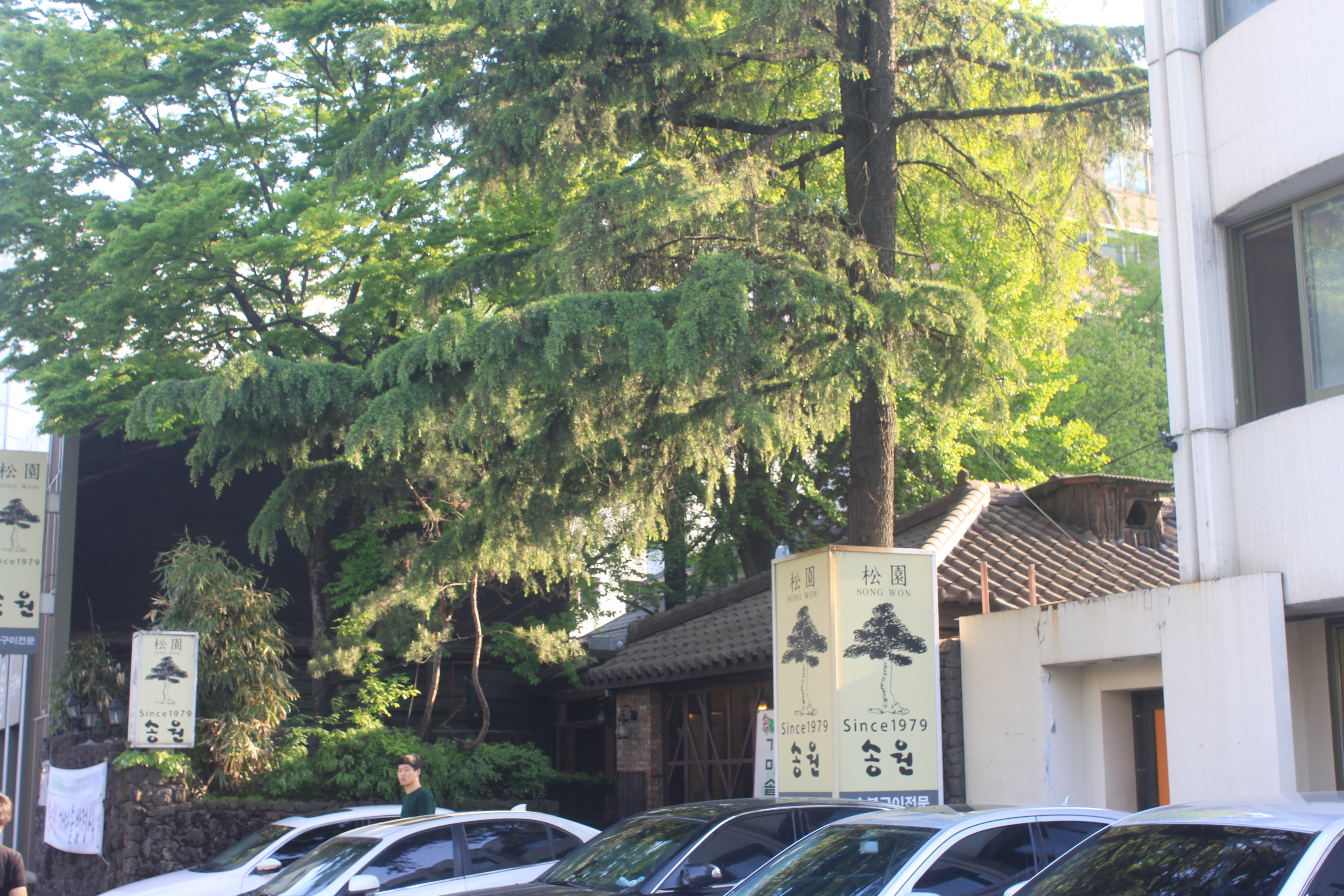
The area near the Dongguk University subway station known as Jangchung-dong includes a remarkable assortment of homes from the 1960s, 1970s and before that sit in a majestic neglected state. A few of the homes have been converted into restaurants but most seem to be in a state of suspended animation awaiting a wrecker’s ball.


IMG_5898


IMG_5900

Read more

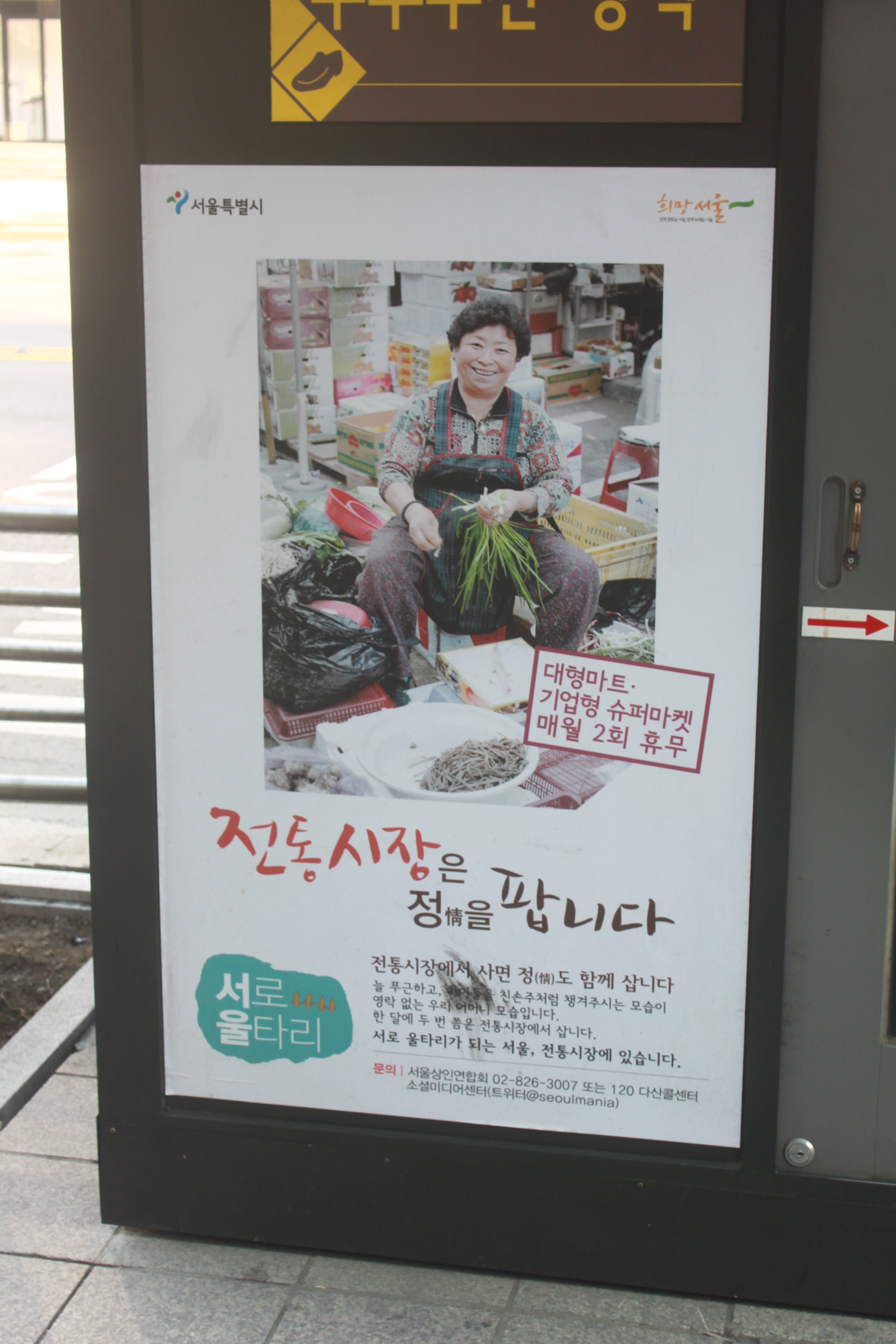
Seoul Metropolitan City makes traditional markets a priority

Seoul has made traditional markets and the lives of ordinary people who work them a priority in its planning in a remarkably far-sighted and enlightened move. This poster put out by the city government encourages people to buy at local markets from ordinary vendors (as opposed to large department stores, we can imply). Such an effort is yet another reason I feel Seoul is different from other mega-cities. Specifically, Seoul has set up a twice monthly vacation for large supermarkets to help local markets.

IMG_5642

Part of the text reads:

“Traditional markets sell affection”

[twice monthly holiday for large scale store and corporate supermarkets]

“when you buy things at traditional markets, you also buy “affection” (jong)”

MNTV.NET Seoul starts TV broadcasts in multiple foreign languages:

Seoul Metropolitan Government has launched MNTV.NET, an experimental broadcast system for information about life in Seoul. Although the content is rather limited, the idea is quite novel because of the wide range of languages offered. It appears that the plan is to address not so much foreign tourists, as non-Koreans living in Seoul. That is to

IMG_5370

say, to treat foreigners as citizens of the city. Here are the languages featured in the broadcasts:

Korean

English

Pakistani

Japanese

Chinese

Thai

Mongolian

Sinhala (Sri Lanka)

Vietnamese

Cambodian

Burmese

Uzbek

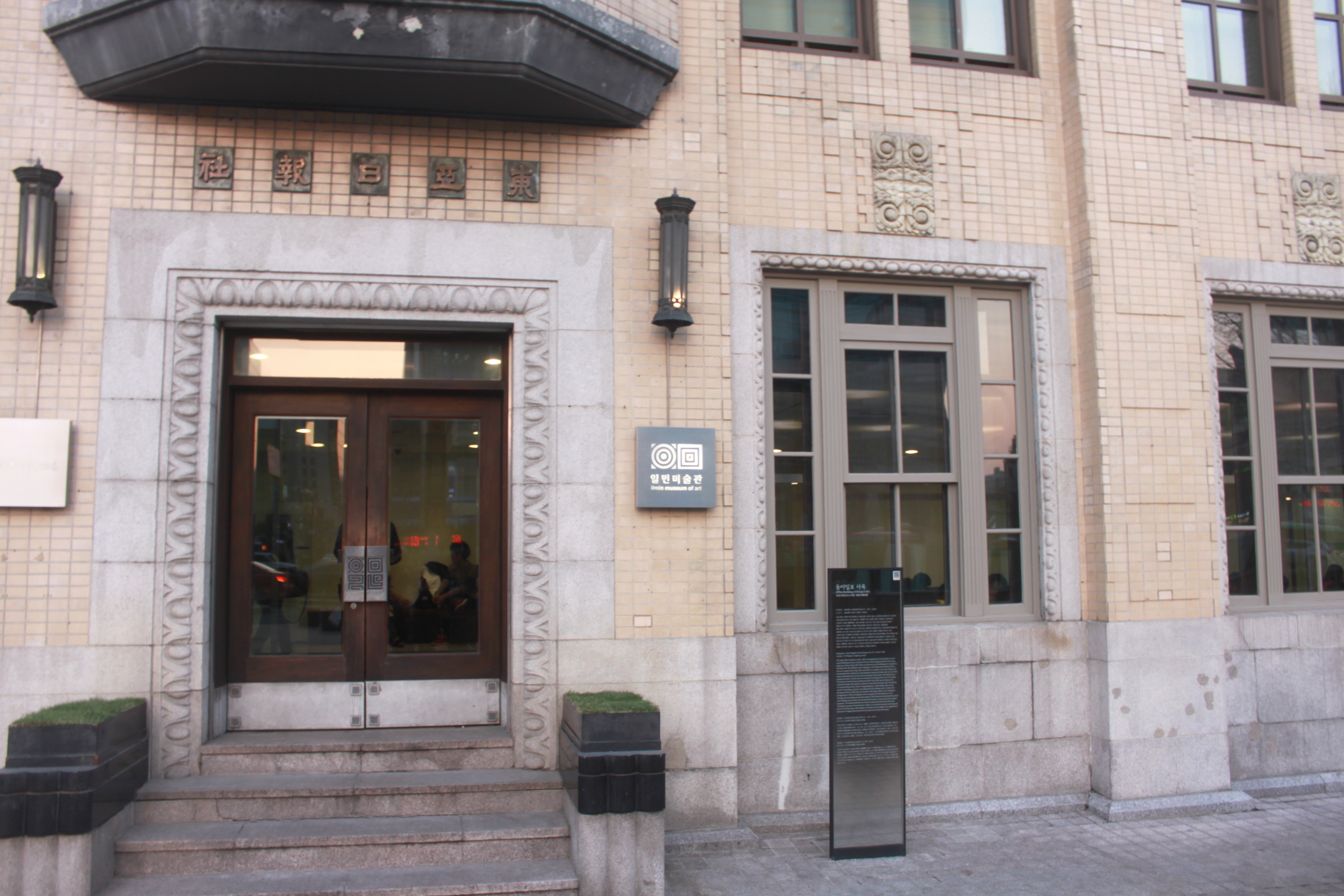
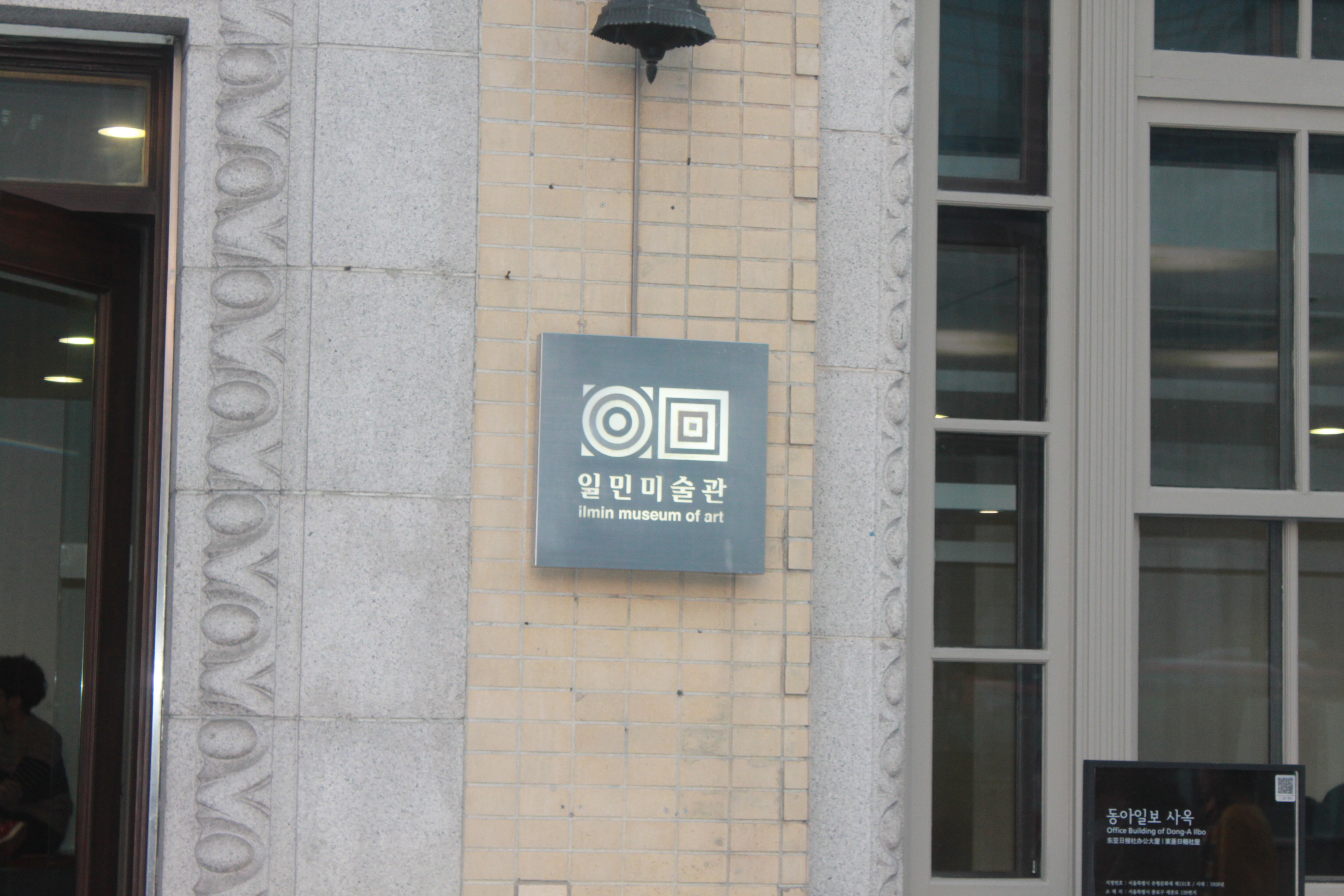
A mark for Circles and Squares

The Ilmin Museum of Art has a logo that perfectly embodies the theme of “circles and squares.”

Circles and Squares in the logo of the Ilmin Museum of Art in Seoul

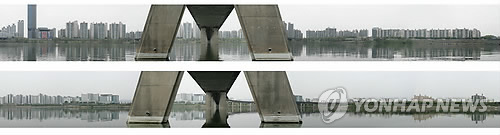
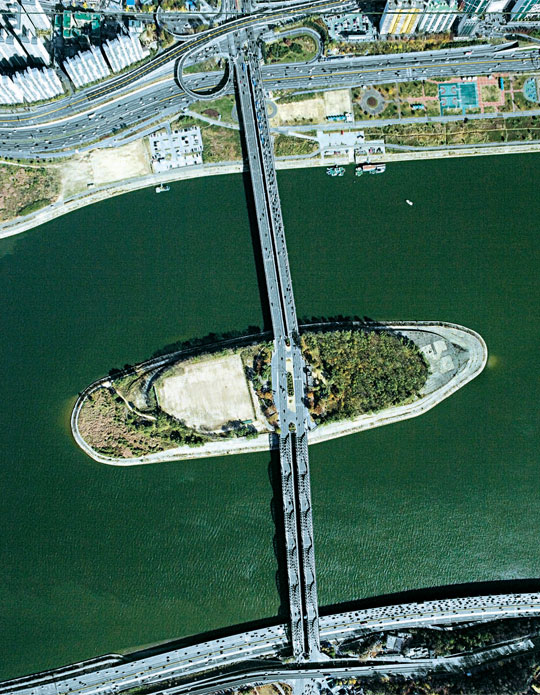
I saw the other day an exhibit of the photographs of Lee Duekyoung, primarily photographs of Seoul–the most striking of which is a running photograph of both banks of the Han River that goes for about 30 meters. Certainly worth a visit.

From Yonhap, copy of part of the series of photographs of Seoul as seen on the North and South sides of the Han river.
One of many aerial photographs in the exhibit.

A Revolution in Seoul! The Return of the Fortress Wall

For the last sixty years, Seoul has been trying to forget its past and establish a new image, both at home and abroad, as a truly international city. Those bits of old Seoul, whether the palaces or old hanok houses, strike the observer as incongruous traces of a completely different world that somehow avoided the wreckers ball. Moreover, a key aspect of Seoul’s project for modernization has been the integration of the northern and southern banks of the Hangang River into one modern global city connected by freeways. It seems that the old streets crowded with grocery stores and dry goods had to be completely replaced with large-scale towers of glass and steel. That part is not uniquely Korean–it is the plague that swept the United States in the 1970s and only started to be turned around with the demolition of Penn Station in New York City.

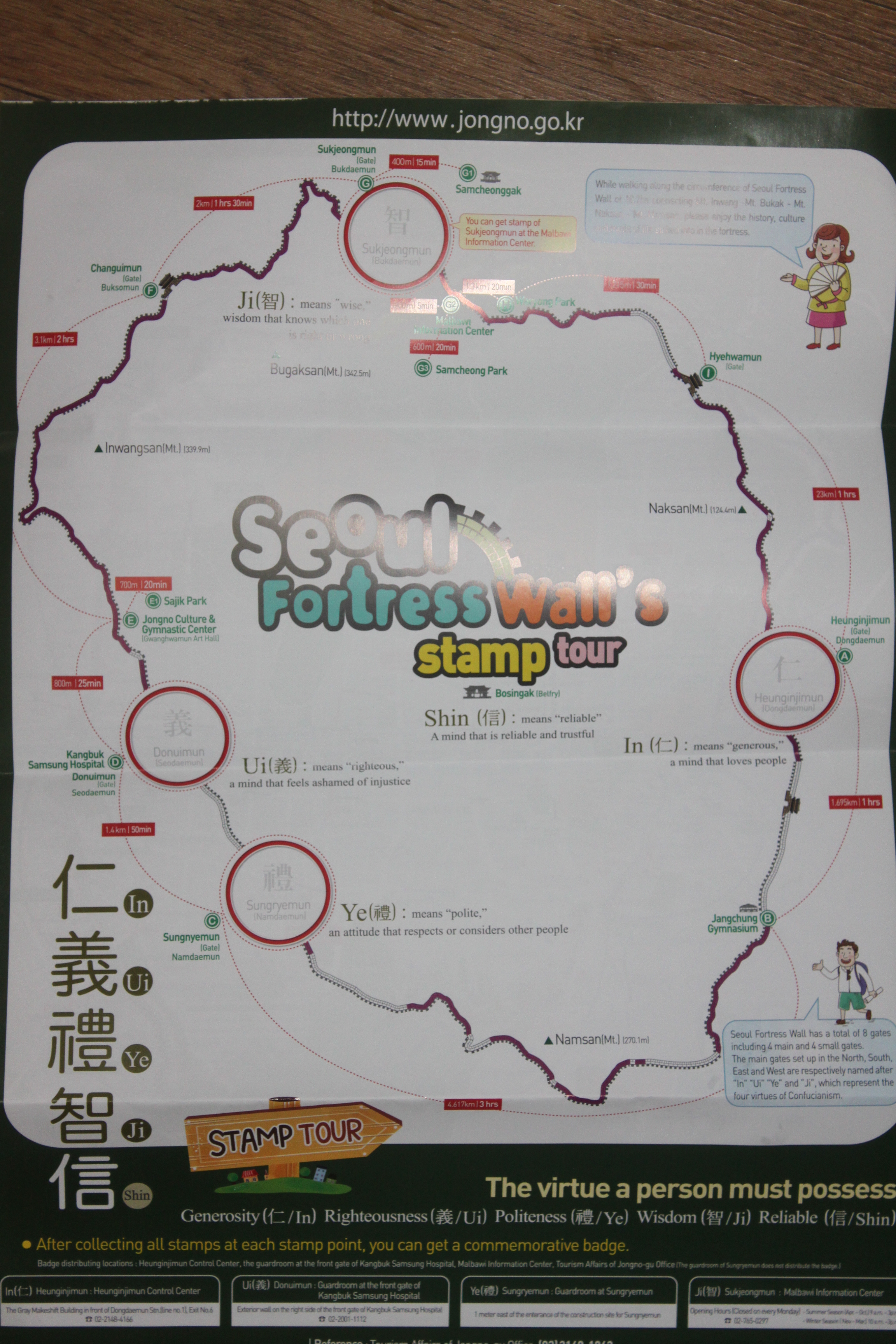
But now a new image for the northern bank of the Han River is emerging and becoming very powerful. The new vision focuses on the fortress wall that has survived in part around old Seoul The new posters, such as this one below, make the fortress wall a defining element for Seoul and go so far as to sketch in the parts that have been razed.

The city of Seoul has put together a very impressive walking tour based around the fortress wall for tourists (and residents). I am delighted as someone who has often walked around the city wall and found it quite beautiful.

The second poster offers stamps for a cultural passport for those who visit each of four designated city gates in the fortress wall. In good Zhu Xi style, each wall is associated with a virtue–as the poster explains.

Even three years ago it would have been hard to imagine the city of Seoul making the fortress wall so central to its own

Read more
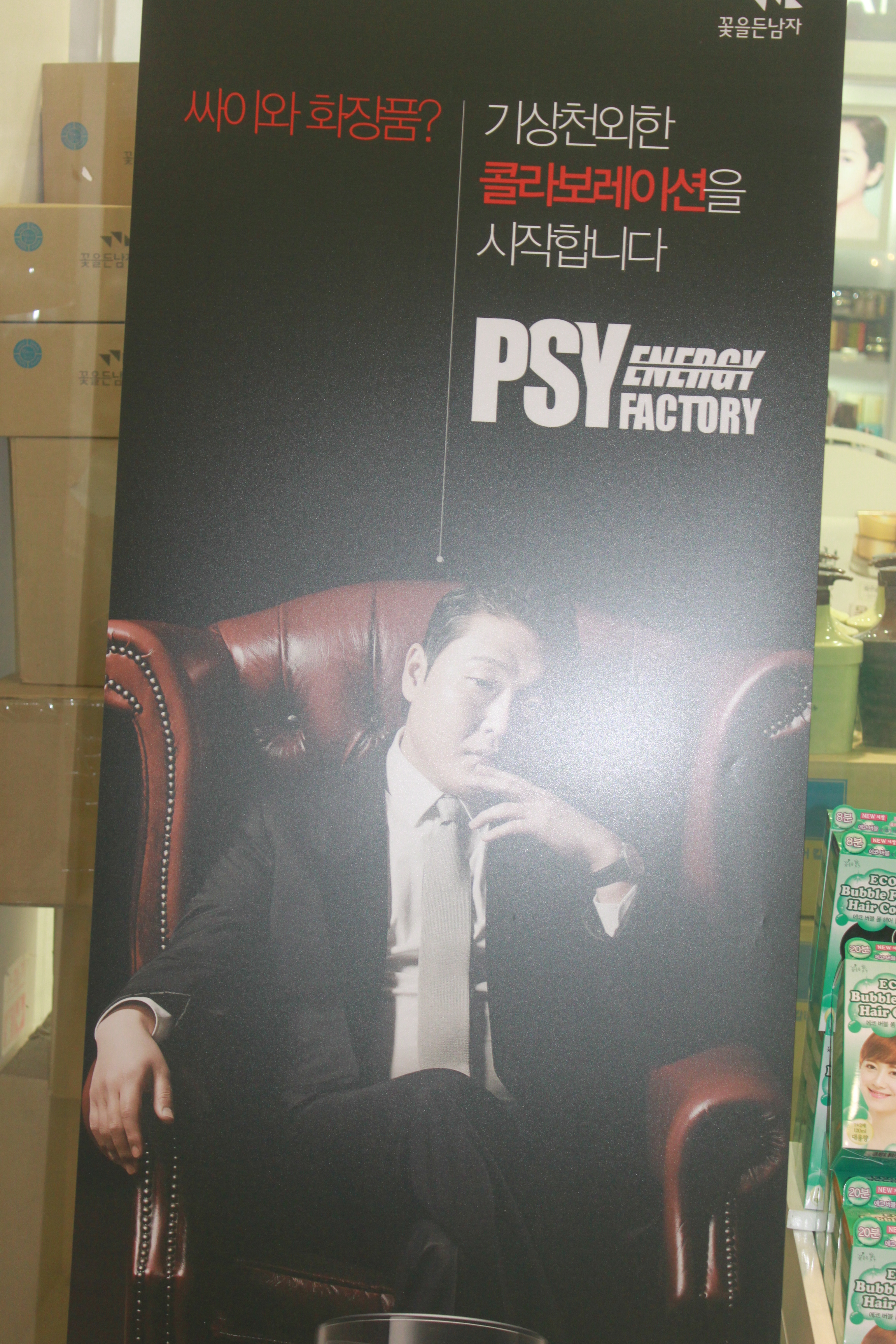
Psy in Korea

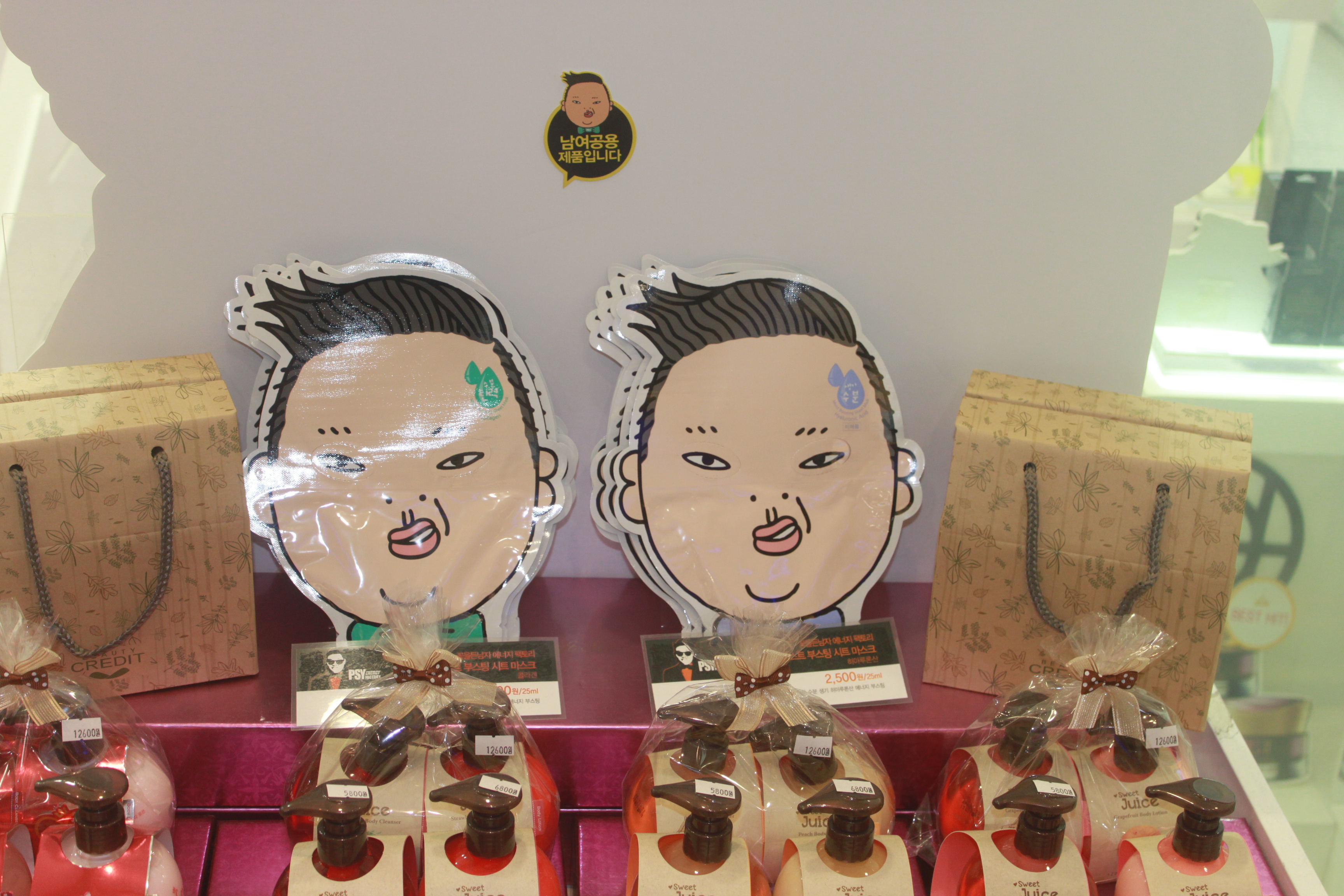
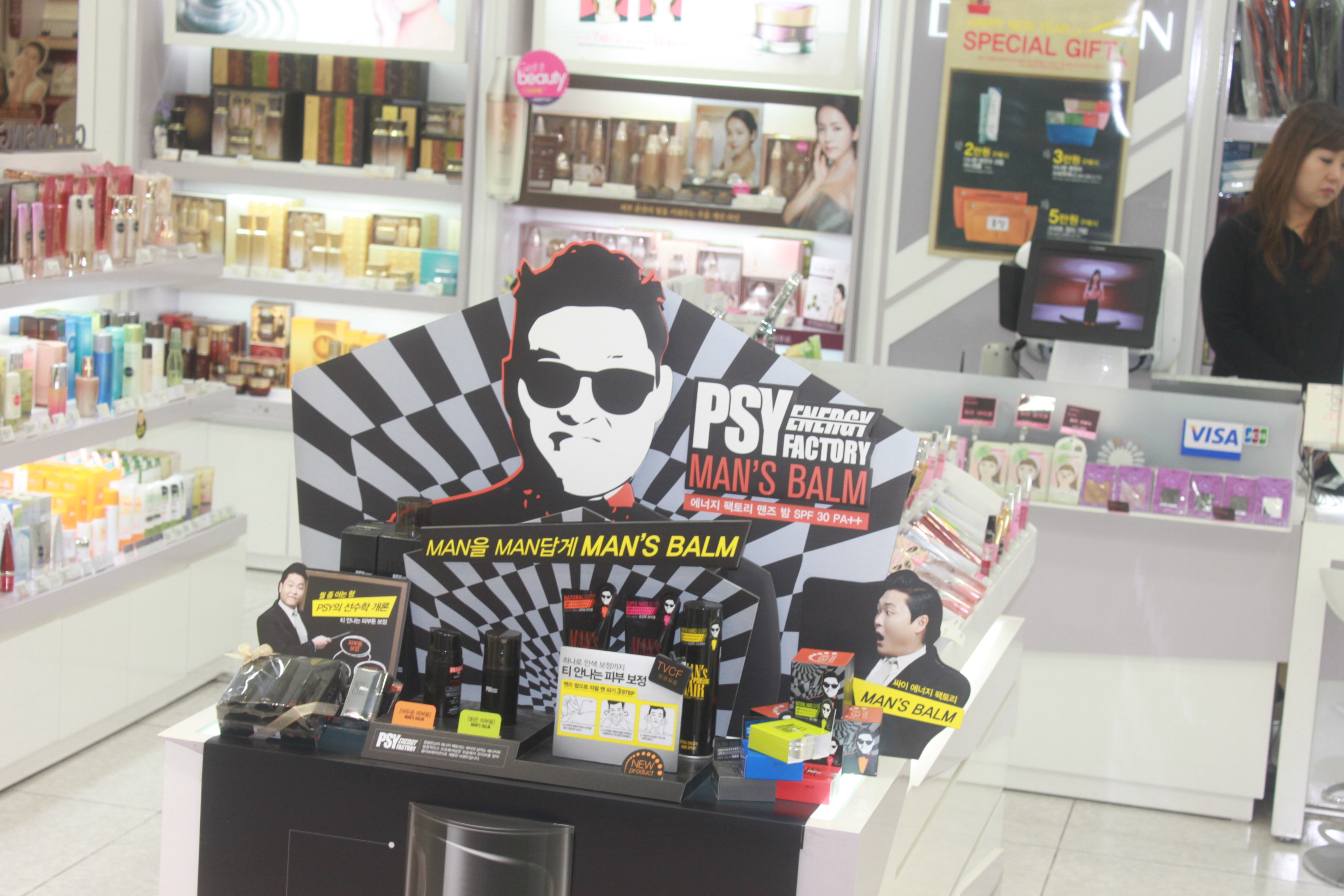
It is remarkable the number of forms Psy has taken in Korea since his success with “Gangnam Style.” You can see him literally on every shelf of the supermarket and every corner of the street.

IMG_5249

IMG_5250

Read more