Emanuel speaks about cooperation in East Asia for “young ambassadors”

Emanuel speaks about cooperation in East Asia for “Young Ambassadors”

August 6, 2014 


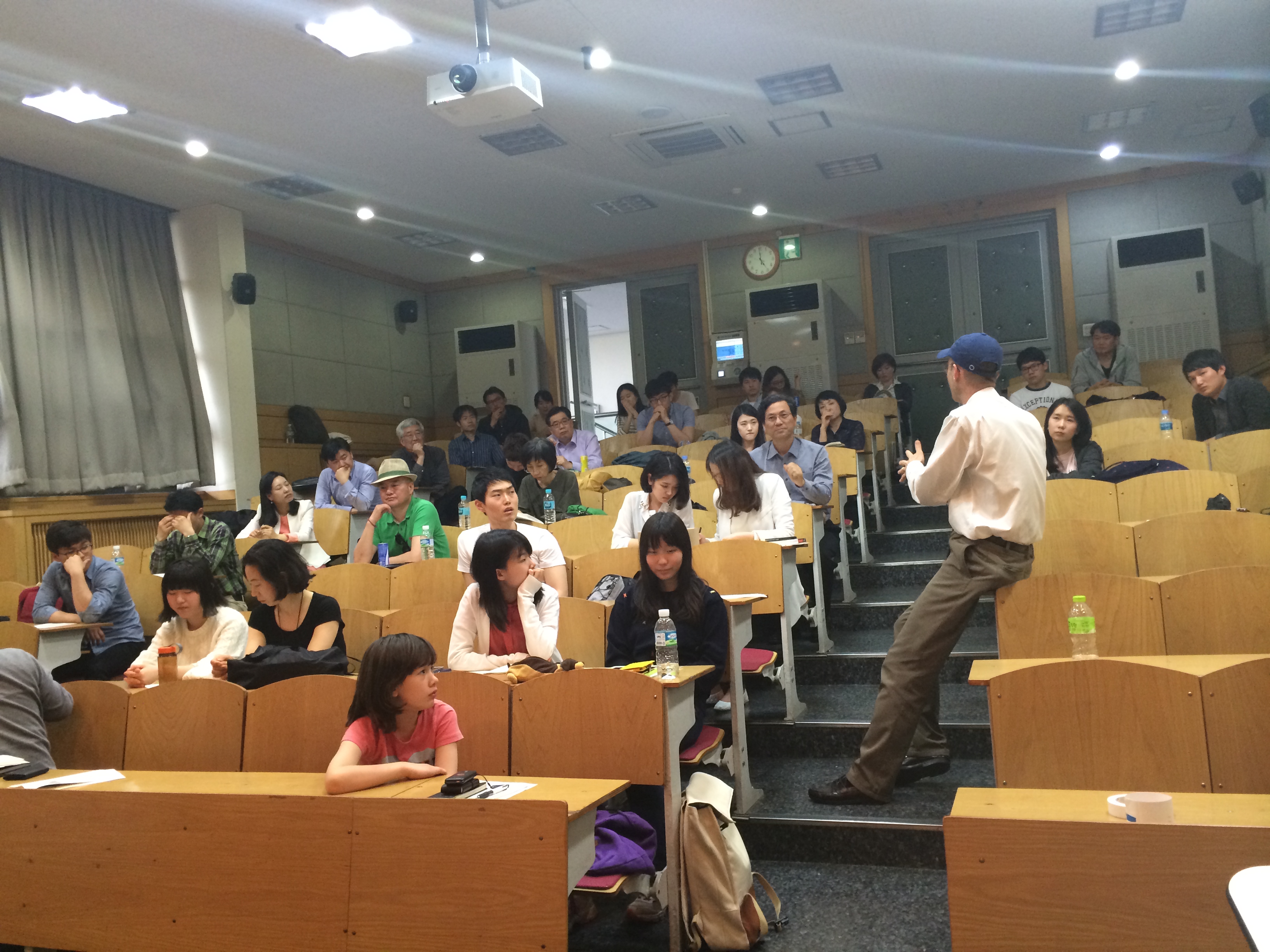
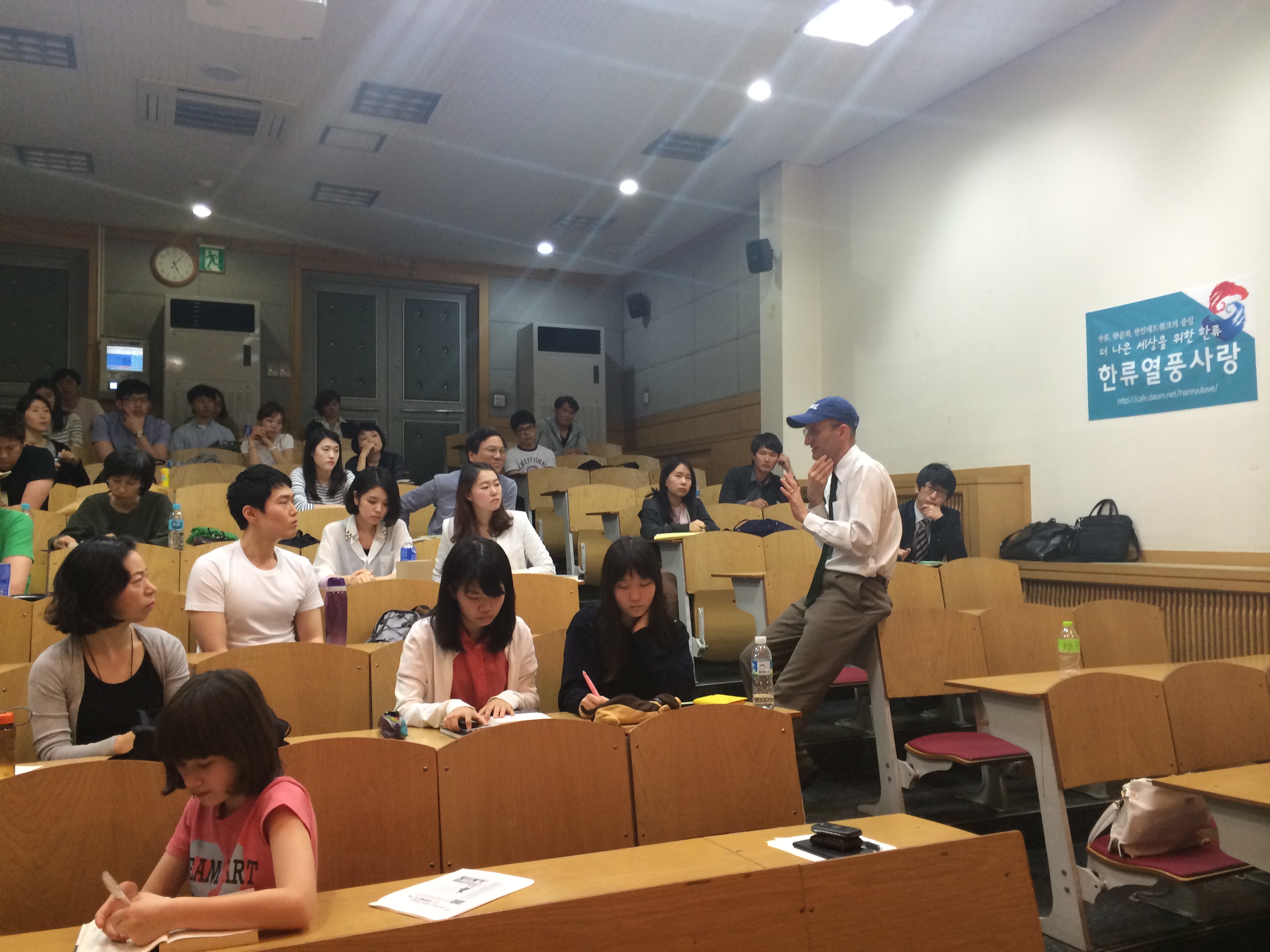
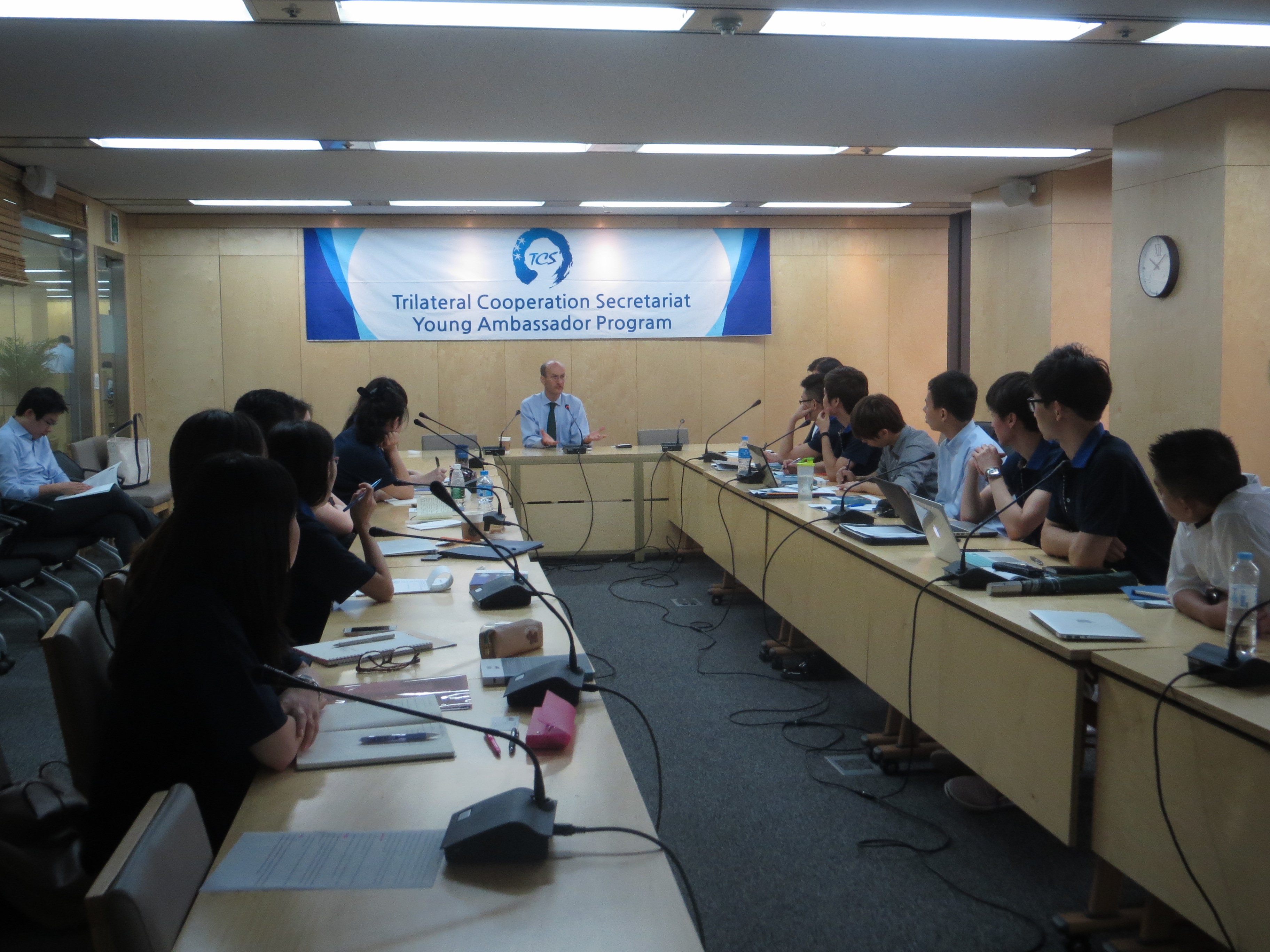
Emanuel led a discussion at the Trilateral Cooperation Secretariat (for cooperation between China, Japan and Korea) on Wednesday, August 6 (2014) on the topic of regional cooperation in East Asia. The discussion involved the members of this year’s Young Ambassador Program. Each year, a group of fifteen outstanding youth from China, Japan and Korea with a deep commitment to improving relations between the nations and promoting meaningful integration are selected for a four day program of activities and lectures by the Trilateral Cooperation Secretariat. As the only organization run jointly by the governments of China, Japan and Korea, the Secretariat plays a critical role in facilitating greater understanding and cooperation.

Emanuel leads students from China, Japan and Korea in a discussion of cooperation in East Asia at the Young Ambassadors Program at the Trilateral Cooperation Secretariat in Seoul.

Emanuel talked about the challenges of globalization and its causes, focusing on the impact of technology on globalization and addressing directly the completely unprecedented challenges of climate change and digitization that we face. He discussed with the students the effectiveness of current mechanisms for international cooperation in East Asia. The students, in turn, made concrete proposals for new approaches to the promotion of substantial cooperation and offered their opinions of existing institutions.

The seminar was also an opportunity to introduce Emanuel’s new book “Searching for Truth on Both Sides of the Ocean” (跨海求真),a book that raises a variety of mechanisms for promoting international cooperation in East Asia.

창조적인한반도통일 (아시아인스티튜트 와 Foreign Policy in Focus) 7월 4일금요일오후 4:00-6:00 @ 시민청

AI logo small 

FPIFD


창조적인한반도통일

“Unifying the Korean Peninsula as a Creative Act


(영어세미나동시통역제공)

공개


7월 4일금요일오후 4:00-6:00


서울시청

시민청

지하2워크샵룸


Town House Meeting

타운하우스미팅

사회: 임마누엘페스트라이쉬

아시아인스티튜트소장


한반도의통일은광범위한파급효과와함께  한반도에근본적으로큰의미가될지정학적변화를가져오게될것입니다.

Read more

아시아인스티튜트 의 “작은 세미나” (고등학생을 위해서)

고등학생위주의 토론:

“작은 세미나” (고등학생을 위해서)
“교육에는 ‘무엇’ 이 없다”

2014년 5월 27일 (화) 오후 6시

“지시인으로 산다는 것은 무거운 것이다”

2014년 6월 3일 (화) 오후 6시

“언론, 잃어버리다”

2014년 6월 10일 (화) 오후 6시

2014년 6월 17일 (화) 오후 6시
“문화와 관습, 우리가 신경써오지 않았던 것들”

관심이 있는 고등학생들 EPASTREICH@GMAIL.COM로 연락 주세요

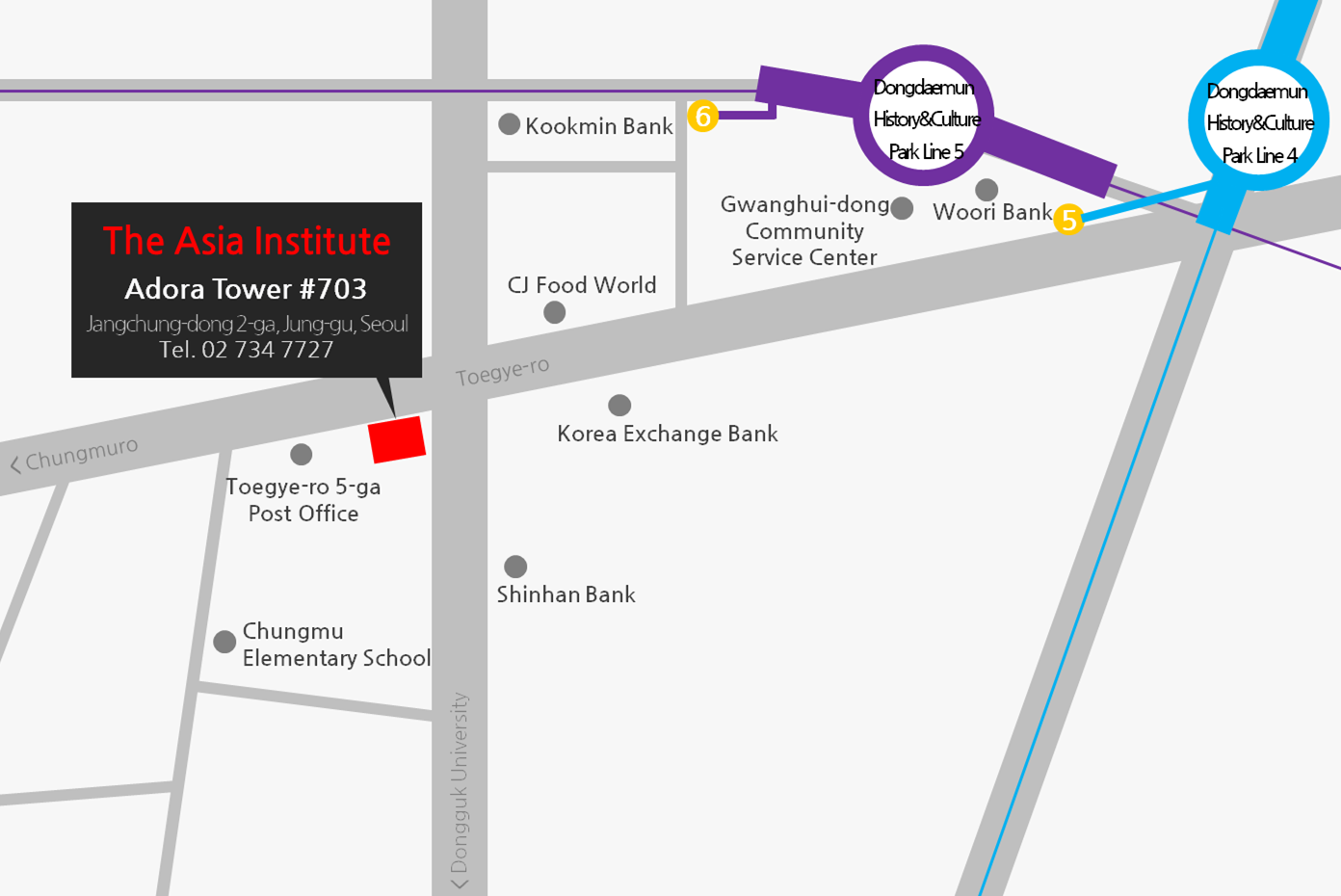
Asia Institute map with #

“A DREAM OF TRUE COLLABORATION FOR KOREA AND AFRICA” (Asia Institute Seminar with KISSA)

AI logo small

20120228001013_0


“A DREAM OF TRUE COLLABORATION FOR KOREA AND AFRICA”


Friday, June 27, 2014


Haggai Kennedy Ochieng (Kenya)
Ph.D. candidate at Kyung Hee University

Joa Lee (Korea)
International Program Coordinator Kyung Hee University


Moderated by Emanuel Pastreich, Director of the Asia Institute


There is tremendous potential for collaboration between Africa and Korea that could contribute positively to the Earth’s future. Korea has a rich tradition of public planning, a wide range of technologies and a strong tradition of competence, hard work and professionalism. The nations of Africa also have much to offer Korea, not just in terms of natural resources, but also in terms of cultural diversity, sustainable lifestyles and new perspectives on self and society. The challenge is making sure that the collaboration between Korea and Africa can fulfill the dreams of both Koreans and Africans and lead to a truly win-win partnership. A young Korean with experience in Africa (Joa Lee) and an African with experience in Korea (Kennedy Ochieng) share their perspectives on the potential of the relationship and lead a discussion on this critical topic.

Read more

Emanuel’s presentation “The United States Re-Balancing in East Asia: Climate Change and Durable Commitment” (May 17, 2014 @ HUFS)

“East Asia in a Changing International System”

Saturday, May 17, 2014

KOREA INTERNATIONAL STUDIES ASSOCIATION

Hankuk University of Foreign Studies,

Graduate School Bldg. 226

Plenary Panel 2:

11:15-12:15


 “Environmental Change and the Future of East Asia”


Chair and Discussant: Mason Richey

Emanuel Pastreich

(Asia Institute, Director; Professor, Kyung Hee Univ.)

“The United States Re-Balancing in East Asia: Climate Change and Durable Commitment”

Rasmus Karlsson

(HUFS)

“Festina Lente as a Key to Global Decarbonization

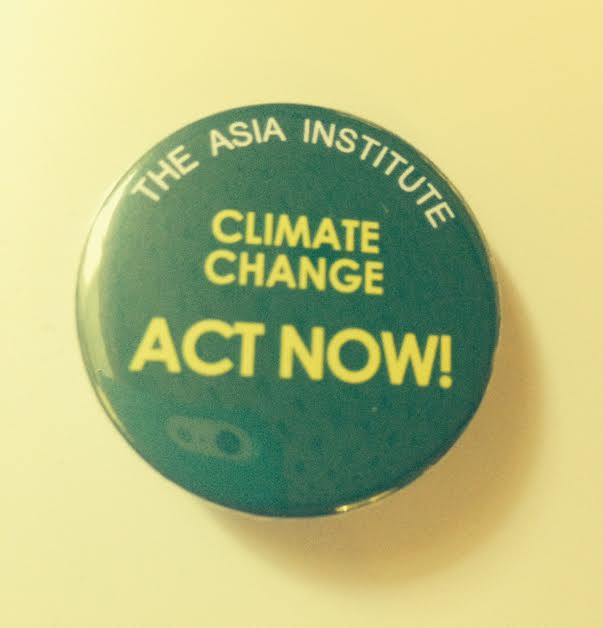
“Climate Change: Act Now!” Pin from the Asia Institute

The Asia Institute released its “Climate Change: Act Now!” pin today. The pin is a chance for our friends to show the world that they are committed to making the small steps necessary to move the world in a sustainable direction.


The pin is just a 2000 Won donation away. Come to our next event and get one.


climate change act now!

For a list of actions you can take, see Emanuel’s article:


“16 Steps to address the environmental crisis”

Discussion on “Another Republic of Korea” sponsored by Naver Book Club & The Asia Institute

“Another Republic of Korea” Discussion at Sookmyung University 

April 26, 2014


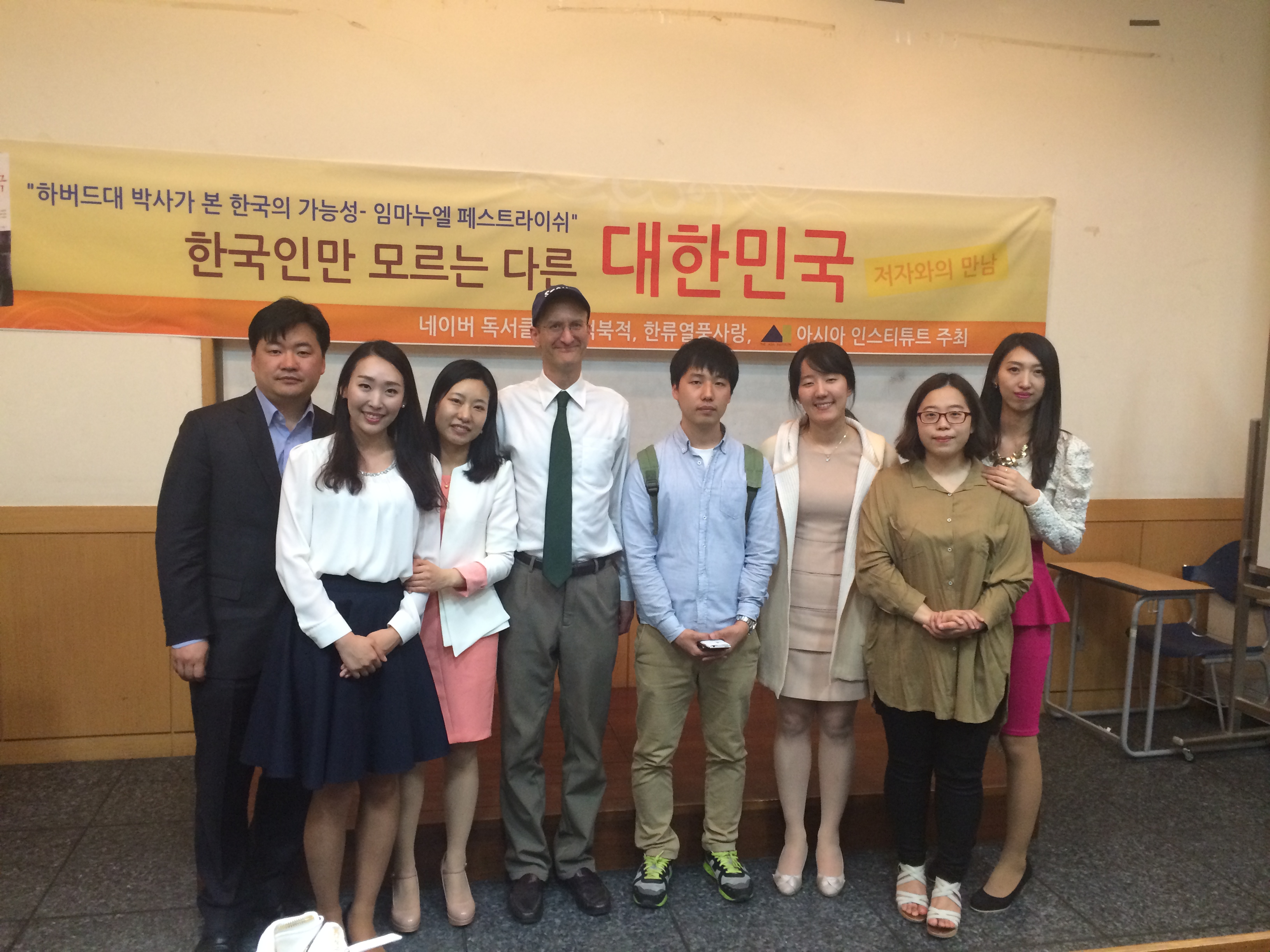
On April 26, 2014, the Naver Book Club and the Asia Institute joined forces to host a discussion on “Another Republic of Korea” (다른 대한민국) that built on Emanuel’s recent book in Korean by that title. The talk was a chance for a diverse audience, including many high school students, to discuss how Korea could become a more dynamic, more responsive and more human society.


Much of the discussion between the members of the audience concerned the larger symbolic meaning of the sinking of the Sewol Ferry sinking  and the needless deaths of so many students. It was a rather emotional moment in which Koreans from different backgrounds expressed their profound disappointment with the culture of contemporary Korea and their worries about the future that awaits us.


The event ceased to be a lecture after the first ten minutes

IMG_7771

The organizers
The organizers


“미국의 동아시아 재균형” (인사이트 2014년 4월 27일)

“미국의 동아시아 재균형”

인사이트

2014년 4월 27일

【Emanuel Pastreich 경희대 국제대학 교수】

2014년 3월 26일 아시아인스티튜트는 워싱턴에서 세미나를 열었습니다. 특히 미국의 동북아에서의 역할을 100년 단위로 토론했습니다. 특히 발표자들은 한중미일이 협력해서 어떻게 기후변화에 대처할 수 있는지를 고민 했습니다.

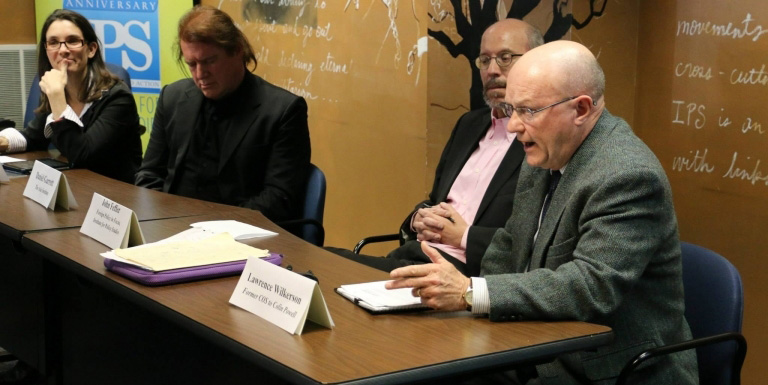
북한전문가이며 저자인 존 페퍼 (John Feffer), 미국무부 장관 전 보좌관 로렌스 윌커슨(Lawrence Wilkerson), 미국무부 전 참모총장(former Secretary of State Colin Powell’s chief of staff), 코네티컷대학교 역사학과 교수 알렉시스 더든(Alexis Dudden), 전외교관 겸 아시아인스티튜트 연구원(Daniel Garrett)들이 모여서 이 주제를 토론했습니다.

 워싱턴에서 열린 아시아인스티튜트 세미나에서 Alexis Dudden, Daniel Garrett, John Feffer, Lawrence Wilkerson의 모습
워싱턴에서 열린 아시아인스티튜트 세미나에서 Alexis Dudden, Daniel Garrett, John Feffer, Lawrence Wilkerson의 모습


이 세미나는 건설적이며 집중적인 방식으로 미국과 동아시아의 긴밀한 관계를 증진시켜나가기 위한 아시아 인스티튜트의 노력에 바탕을 두고 있습니다. 아시아 전환(Pivot to Asia)은 미국 경제, 정치, 안보 문제에 있어 필수적입니다.

이 지역 재균형은 항공모함 순찰이나 미사일 방어 기술 수출의 결과로 일어나는 것이 아닙니다. 전문가를 비롯한 다양한 분야의 사람들이 미국과 동아시아를 잇는 긴밀한 인적 네트워크를 구축하는 것이야말로 가장 의미 있는 효과를 가져올 것입니다.

동아시아는 유럽과 중동에 비해 너무도 오랫동안 미국의 관심에서 소외되어 왔습니다. 미국인들에게 아시아는 그들이 소비하는 제품들이 만들어지는 곳 정도로 여겨질 뿐이고, 동아시아 언어를 유창하게 구사하는 것이나 아시아 미디어에는 별다른 관심이 없습니다.

그래서 미국과 아시아의 관계는 제한적입니다.

미국은 동아시아의 정부, 대학, 비정부 기구의 수많은 컨퍼런스와 회의, 협업 프로젝트에 크게 관여하지 않습니다. 고위급 관료가 무역 협정 논의를 위해 가끔씩 방문하지만, 미국의 고등학생 축구부나 체스 챔피언이 도쿄나 베이징을 찾는 일은 드뭅니다.

동아시아와의 일상적인 관계나 과학에서 지방 정부 교류에 이르기까지 다양한 분야의 협력이 부재한 상황은 전문가가 보기에 매우 안타깝습니다.

아시아 전환은 이전의 미국과 아시아의 관계와는 근본적으로 다릅니다. 오늘날 미국은 70년대 아시아 재단 활동처럼 해외개발과 자금, 노하우를 동아시아에 일방적으로 베풀 필요가 없습니다.

미국은 동아시아 국가를 동등한 파트너로 인식하고, 심지어 몇몇 분야에서는 이들 국가가 미국을 앞선다는 것을 주지해야 합니다.

미국은 동아시아 국가들과 많은 것을 주고받을 수 있으며, 단기적으로는 정치적인 긴장에 직면할지라도 항상 장기적인 관계를 염두에 두어야 합니다.

장기적인 관계를 만들기 위해 미국은 지난 50년간의 유럽과 유지해온 관계처럼 동아시아 국가들과 동등한 파트너가 되어야 합니다.

어떤 사람들은 100년을 내다보는 장기 계획의 실효성을 의심합니다. 지난 20년간 미국의 미래를 구상함에 있어 단기적인 생각이 지배적이었습니다. 장기적인 계획을 불신하는 접근법은 비단 외교 정책에만 국한된 것이 아닙니다.

사고의 전환

미국 문화 전반에 퍼져있는 이 불신은 소비자의 태도로 국제 관계를 바라보도록 종용합니다. 다른 나라와의 관계에서 개인의 인지도를 높여 어떻게 이득을 얻을 것인지에 대한 고려가 중시되는 것입니다.

기후변화처럼 30~50년에 걸쳐 서서히 일어나는 대규모 안보 위협을 감안할 때, 지금은 사고의 전환이 절실합니다. 데이빗 몽고메리가 자신의 저서 『흙』(Dirt)에서 이야기했듯, 해마다 1퍼센트의 표토가 유실되고 있습니다.

이는 별로 크지 않은 수치 같지만, 그 속도대로라면 50년 후엔 표토의 절반이 유실될 것입니다. 인간 생존에서 表土가 갖는 중요성, 표토가 복원되는 데 100년의 시간이 걸리는 것을 고려한다면, 이는 북핵 문제보다 더 심각한 문제일 것입니다.

그러나 이러한 위기는 단기적인 사고에서는 간과되기에 십상입니다.

우리의 상상력을 사로잡는 수많은 신기술이 순식간에 기적과도 같은 일을 만들어 낼 수 있는 오늘날, 미사일 방어 프로그램으로는 막기 어려운 장기적인 위협이 서서히 다가오고 있다는 것은 비극이 아닐 수 없습니다.

그러한 위협은 우리 눈에 잘 보이지 않습니다. 식물들은 정지해 있는 것처럼 보이지만, 이는 느린 움직임을 포착하지 못하는 우리의 눈이 만들어내는 착각입니다. 자연환경 속에서 속도가 느린 변화에 무감각한 것은 치명적입니다.

제가 알기에 미국의 싱크탱크처럼 100년 단위로 안보와 국제 사회 참여에 대한 논의를 하는 기관이 별로 없습니다. 이런 점에서 장기적인 안보에 대한 논의는 다른 국가들의 관점을 확장시키는 데 도움을 줄 것입니다.

7대손 원칙

장기적인 안보를 생각함에 있어 ‘7대손 원칙’이라 불리는 인디언들의 전통을 참고할 필요가 있습니다. 즉, 우리는 우리의 결정이 7대손, 즉 먼 후세에게 어떤 영향을 미칠지 고려해야 합니다.

2014년 미국토목학회는 미국의 사회 기반 시설 품질에 D+를 주었습니다. 하지만 여기에 ‘7대손 원칙’을 적용해보면, F를 받았어야 하는 건지도 모릅니다.

아시아에서 미국의 역할을 생각할 때, 저는 어릴 적 아버지가 들려주신 말씀을 떠올립니다. 아버지는 일 년 이상 같은 일을 하지 말라고 말씀하셨습니다.

이는 전직의 말씀 아니고 한 조직에서 계속 같은 직위에 머물지라도, 지속적으로 혁신하고 자신의 업무 방식을 변화시키며, 새로운 현안과 상황에 적응하라는 의미였습니다.

미국도 끊임없이 한국 및 일본과 공조하며, 동아시아 기후변화 위협에 대한 포괄적이며 장기적인 전략을 수립해야 합니다.

동북중국 사막화는 동아시아 생태계를 파괴하고 있습니다. 미세먼지에 인한 공해는 위협적인 수준에 다다랐으며, 경제 구조의 재조정까지 요할 정도입니다. 해양사막화도 심각합니다. 진정한 행동이 촉구되는 때입니다.

그리고 미국은 한중일 그리고 다른 아시아 국가들과 공조하여 후쿠시마 원전 사태에 대처하기 위한 백년대계를 세워야 합니다. 아시아인스티튜트도 이 문제에 적극적입니다. 이는 기자회견이나 정치적 쇼로는 해결할 수 없습니다.

많은 사람이 오랜 기간에 걸쳐 구체적이고 집중적인 프로젝트 속에서 협력해야 합니다.

그러나 동아시아의 압도적인 안보 위협을 목도하며, 미국의 많은 사람들은 실제적인 것보다 새로운 위협에 더 신경을 씁니다. 그들은 새로운 냉전을 상정하면서, 미 국방부의 기존 구조를 정당화합니다.

오늘날의 현실적인 위협에 맞춰 제도와 이론을 개선하기 위한 사고의 재조정이나 구조 개편에는 관심이 없습니다. 냉전구도는 국내 경제와 사회는 물론 국가 안보에 대한 사고를 크게 왜곡시켰습니다.

우리는 30~50년의 시간을 두고 동아시아 기후변화에 대처할 수 있는 계획을 세워야 합니다. 그러한 장기 환경 프로젝트는 경제에 새로운 안정을 가져다줄 것이며, 장기적인 인적 관계를 강화할 것입니다. 이는 궁극적으로 국제 관계 안정화에도 기여할 것입니다.

미국은 동아시아 국가들과 공조하여, 이 분야에 대처하기 위한 관리 모델로서 아시아 사이버스페이스 행정에 대한 근본적인 합의를 이끌어낼 수 있을 것입니다. 정보 보전과 인터넷 중립성의 확보를 통해, 미국은 동아시아와 협력적인 관계를 맺어야 합니다.

마지막으로 미국은 한중일 그리고 다른 국가와 공조하여 통일 한반도의 미래를 함께 구축해나가야 합니다. 이는 사회, 경제의 기존 구분을 뛰어넘는 새로운 제도와 문화를 만드는 희망이 될 것입니다.

한반도 평화 구축에 미국이 기여할 수 있는 부분은 많습니다. 이는 6자 회담 참여와 같은 외교 분야에만 국한되지 않습니다. 생태 운동가, 도시 계획자, 고교 교사, 비정부 기구 활동가 등 다양한 미국인들이 동아시아와 한반도 미래에 기여할 수 있습니다.

이 세미나는 동아시아에서 미국의 역할을 고민하는 도전적인 토론의 장이 될 것입니다. 많은 사람들의 관점과 제언이 새로운 미래로 향하는 길을 만들어내기를 희망합니다.


링크 
Read more

“Looking at Reunification through a Range Finder” (Business Korea)

“Looking at Reunification through a Range Finder”


Business Korea

April 17, 2014


In the recent back and forth between pundits over how to get the Six Party Talks back on track and over the pros and cons of President Park Geun-hye’s recent speech in Dresden, the problem of developing a long-term vision for the security of a unified Korea that involves the military has been overlooked. Hoping to address this critical point, The Arirang Institute and the Asia Institute held a seminar on April 9 at the University of North Korean Studies, bringing together leading experts, including current military commanders, for an honest discussion of the larger implications of reunification for the region.

Daniel Pinkston, renowned North Korea expert and current deputy project director for Northeast Asia at the International Crisis Group, opened the discussion with the topic of conditions for integrating North Korea into the larger regional security architecture. Pinkston stressed that the biggest barrier is simply the uncooperative behavior of North Koreans. He suggested that there is an unfortunate tendency for Pyongyang officials to project their own paranoia on the rest of the world, thereby blocking new avenues for dialog. Pinkston suggested that there is tremendous potential for cooperative approaches to security that would bring North Korea back into the region in a serious manner, but stressed that deterrence will still be necessary as long as the North continues is provocations.

Tak Sung-han, the head of North Korean research at the Korea Institute for Defense Analyses, drew attention to the misunderstanding of the North Korean nuclear weapons programs found among analysts outside of Korea. He described how the current program for economic growth in Pyongyang, the “Byungjin” policy, combines the development of nuclear weapons and economic advancement as part of one program. North Koreans have been told by their government, Tak explained, that such weapons can be developed without any additional burdens to the economy. Therefore, unlike pundits in the international community who think North Korea must make a choice between either the economy or the military, many Pyongyang bureaucrats assume that the two must advance together. “Nuclear weapons,” Dr. Tak explained, “are not just a means to get some foreign currency, but a goal that is part of a comprehensive developmental strategy.”

Dr. Emanuel Pastreich, director of the Asia Institute, suggested that the primary problem is that we have become so accustomed to North Korea as the central issue in security for the region that we are blind to profound shifts such as the development of drones or the encroachment of deserts and other forms of climate change that are transforming the equation. Pastreich noted that because North Korea “serves as the bad boy and the explicit threat, Pyongyang has become the keystone in an imbricated security architecture that assures stability in Northeast Asia. To start hacking away at the foundations of such architecture, even if the intentions are good, is perceived as risky business.”

Michael Lammbrau, Seoul Bureau Representative of the Arirang Institute, spoke about the power of social networks and how it is not enough to merely connect with each other online, through Facebook and Twitter, but rather that individuals and groups must actually connect in person in order to build trust, understanding, and a sense of shared sacrifice between diverse groups of individuals on controversial topics.

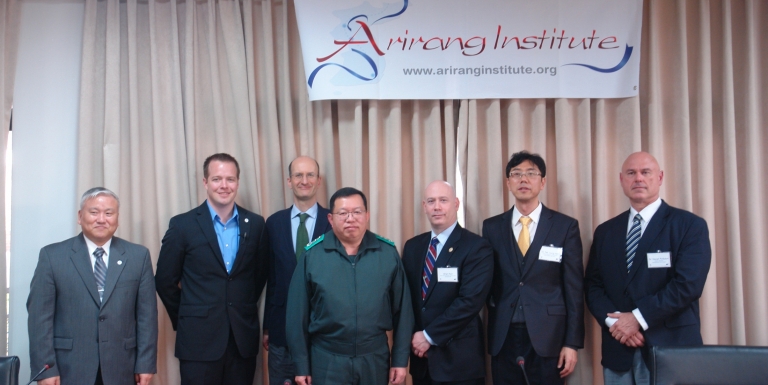
Left to right: Rev. Joseph Park; Michael Lammbrau, Arirang Institute; Emanuel Pastreich, Asia Institute; General Chun In-Bum, ROK Army; Bryan Port, USFK; Tak Sung-Han, Korea Institute for Defense Analyses; Daniel Pinkston, International Crisis Group. - See more at: http://www.businesskorea.co.kr/article/4141/military-assessment-looking-reunification-through-range-finder
Left to right: Rev. Joseph Park; Michael Lammbrau, Arirang Institute; Emanuel Pastreich, Asia Institute; General Chun In-Bum, ROK Army; Bryan Port, USFK; Tak Sung-Han, Korea Institute for Defense Analyses; Daniel Pinkston, International Crisis Group.

Read more