“Wasted potential in a coffee shop” (JoongAng Daily March 28, 2016)

JoongAng Daily

“Wasted potential in a coffee shop”

March 28, 2016


Emanuel Pastreich


I spent a few hours in a coffee shop in Gangnam last week finishing up some paperwork and reading a book. The coffee shop was beautifully appointed with comfortable leather chairs, oak woodwork and the café latte was served to me in a delicate porcelain cup. As I was the only customer in the coffee shop for most of the time, I had a chance to talk with the young man who served me.

A thoughtful young man with an inquisitive mind, he made several remarks about Korean culture that I found quite insightful and I was tempted to ask him to sit down with me at the table for a bit, although I feared that might not be an appropriate request.

In any case, I threw a glance at him every 20 minutes or so and saw him sitting behind the counter looking vaguely bored as he fiddled with his smartphone.

By the time I left the café I felt deeply disturbed by what I witnessed and I have to admit that I no longer feel comfortable drinking coffee at coffee shops as I did before. Here I found an extremely talented young man, a product of Korea’s excellent educational system, who was literate and insightful, but who is working in a position that offers him no opportunities to learn new skills, no chances to work together on a common project with his peers, no chance to learn from a senior employee and no opportunity to offer his ideas as to what innovations can be carried out in the company.

Read more

“젊은이들에게 도전의 기회를 주자” (중앙일보)

중앙일보

“젊은이들에게 도전의 기회를 주자”

2016년 3뤌 26일

임마누엘 패스트라이쉬


나는 지난주 서울 강남에 있는 커피숍에서 몇 시간을 보냈다. 문서 업무를 끝냈고 독서도 했다. 그 커피숍은 편안한 가죽 의자, 오크를 활용한 인테리어, 우아한 도자기 잔에 담긴 카페 라테 등 설비가 아름다웠다. 내가 있었던 대부분의 시간에 커피숍 손님은 나 혼자였기에 서빙을 하는 젊은이와 이야기할 기회가 있었다.

그는 생각이 깊고 탐구심이 많은 젊은이였다. 대화 중 그는 한국 문화에 대해 여러 번 통찰력 있는 말을 했다. 적절하지 못한 요청일 수도 있다는 생각도 들었지만 나는 그에게 내 테이블에 앉아 잠시 이야기를 나누자고 청했던 것이다.

한 20분마다 그를 쳐다봤는데 젊은이는 카운터 뒤에 앉아 약간 따분해 보이는 얼굴로 스마트폰을 만지작거렸다.

카페를 나올 무렵이 됐을 때 나는 그곳에서 목격한 것 때문에 마음이 많이 아팠다. 그전과 달리 나는 커피숍에 앉아 커피를 마시는 게 더 이상 편하지 않게 됐다. 강남 커피숍에서 내가 발견한 것은 한국의 탁월한 교육체제의 산물인 지극히 재능 있는 젊은이였다.

Read more

“Distinguishing science from technology” (JoongAng Daily March 7, 2016)

JoongAng Daily

“Distinguishing science from technology”

March 7, 2016

Emanuel Pastreich

I worked very closely with several national research institutes in Daedeok Valley back in 2008-10, and I participated in many heated conversations with the researchers working there about the future of Korea’s science and technology. At the time the researchers lamented the fact that Korea had lost the Ministry of Science and Technology that they associated with Korea’s rapid industrialization and long-term support of research.

But I must admit that I had a very different idea concerning this issue which I did not dare tell anyone. I felt that rather than reestablishing the Ministry of Science and Technology, Korea rather should split the “science” and “technology” apart and create a Ministry of Education and Science and a Ministry of Industry and Technology.

Read more

“ ‘Tokyo As a Leader for Peace, for Human Rights, and for the Environment’: Interview With Hattori Ryoichi, the Internationalist Japanese Progressive”

The Huffington Post

“ ‘Tokyo As a Leader for Peace, for Human Rights, and for the Environment’: Interview With Hattori Ryoichi, the Internationalist Japanese Progressive”

February 23,2016


Emanuel Pastreich


One of the most articulate defenders of workers’ rights in a conservative age, Hattori Ryoichi has served as a meaningful democratic alternative in Japan. Hattori served in the Japanese House of Representatives as a representative for Osaka’s third district (elected in 2009). He currently serves as director of international relations for the Social Democratic Party (Shaminto).

Hattori has engaged in a wide range of actions to defend Japan’s constitutional commitment to peace and opposes sending the self -defense forces overseas.

A close friend of former prime minister Hatoyama Yukio, Hattori has thrown himself into promoting close exchanges with the other nations of Asia, especially Korea and China. He has led delegations of Japanese politicians and NGO members to Korea and China to promote a broader dialog. Hattori is an outspoken advocate for a full accounting for Japanese crimes during the colonial period, seeking proper compensation for all victims of Japanese imperialism, not just for Japanese citizens.

Hattori fought for the removal of the Futenma U.S. Marine base in Okinawa and he opposes the construction of a new base at Henoko. He has argued for the revision of the US-Japan agreement on bases, and for compensation for the victims of accidents and U.S. military wrongdoing related to the bases.

Hattori attended Kyoto University in the 1960s but had no particular commitment to social justice. He saw the efforts of Chinese students to change society when he visited China in 1969 and decided that he had a duty to do his best for society. He left college his sophomore year to work with underpaid laborers and never looked back.

Read more

“Announcing My Candidacy for President of Facebook” (Huffington Post February 20, 2016)

Huffington Post

“Announcing My Candidacy for President of Facebook”

February 20, 2016


Emanuel Pastreich


Dear Citizens of Facebook:

Facebook is much more than Mark Zuckerberg’s server farms and his army of coders. Facebook is the most effective means today for people to communicate with each other and to form networks for collaboration beyond national borders. Facebook is an unprecedented international network of people who could make a tremendous contribution to solving the challenges of our age, if permitted. The time has come for us to declare our independence from the empire that controls us.

The Internet is often conceptualized as a series of separate layers that range from Layer 1, the physical connections of wires and cables that support our communications, to Layer 7, which is the operation of applications over the Internet. But the global community of Facebook is at a higher level than Layer 7, the Facebook web application, forming a Layer 8 which is cultural, social, and political in nature and is only tangentially related to the seven layers below.

Read more

“The future of Korea’s exports” (JoongAng Daily February 19, 2016)

JoongAng Daily

“The future of Korea’s exports”

February 19, 2016


Emanuel Pastreich


The record dip in Korea’s exports in January, down 18.5 percent, has sent shivers down the spines of Koreans whose custom it is to measure economic development in terms of trade. The challenge is serious; but will the solution be investing more to promote what Koreans manufacture, or rather, will it be making a fundamental shift in the country’s strategy?

The exponential advancement of technology is changing the world so quickly we can barely keep up. I recently sat on the panel at the seminar “The Future of the Republic of Korea” and heard Global Future Studies Association Chairman Lee Nam-sik remark: “Uber, the world’s largest taxi company, owns no automobiles; Facebook, the world’s greatest media source, creates no content; and Alibaba, the strongest retailer, has no inventory.”

His comment on the paradoxical nature of an information-driven economy came together in my head with the news of Korea’s drop in trade. Would it be possible for Korea in the future to become the biggest trading nation in the world and not export any products?

At the lowest level, the increase in Korean manufacturing in China, Vietnam and elsewhere suggests that this transition is already taking place. Korean companies take advantage of their strengths in finance, marketing and scale of production to create a global manufacturing system. But that trend has had clear negatives for ordinary Koreans who have seen good jobs vanish either because factories have gone abroad or because they have been more completely automated.

What is Korea good at? It is not a particular technology that only Koreans have, but rather the ability of Koreans to build complex integrated systems for the planning of industrial development, design, manufacturing, marketing and sales. In the past, Koreans moved fast to seize opportunities without losing sight of their long-term goals to be successful in shipbuilding, automaking, smartphones and household appliances.

The Korean ability to integrate technologies so as to produce a solution to a complex problem is something that itself can be exported as a package.

Let me give an example. One of the largest emerging markets in the world over the next 15 years will be the conversion of sprawling cities focused on heavy manufacturing, which were constructed using Western-style automobile-centric city planning, into sustainable eco-cities. There are hundreds of these cities in India, China and elsewhere in the developing world that will become uninhabitable in the near future because of pollution and other sustainability issues. They will all have to be completely rebuilt as sustainable cities that can support millions of residents.

The market for such projects will be immense, and Korea could be the country that will do the work because Korea is making the same transition. But this work will be a fundamentally different kind of business than the standard export-based growth that many are accustomed to.

First, Korea should rapidly convert all its major cities into the most advanced eco-cities in the world, using Korean technologies to meet its needs and using its strengths in the adoption and implementation. The creation of cities that are truly sustainable is not a matter of obtaining cutting-edge technology, but rather of integrating technology with institutional innovation.

Moreover, the project has much to do with culture: creating a new cultural paradigm that appeals to young people. The eco-city includes the development of new online communities and networks for collaboration – another strong-point for Koreans.

The product is Korea itself.

We must move beyond the terrible irony of Korea producing solar cells for export but not using them domestically.

Read more
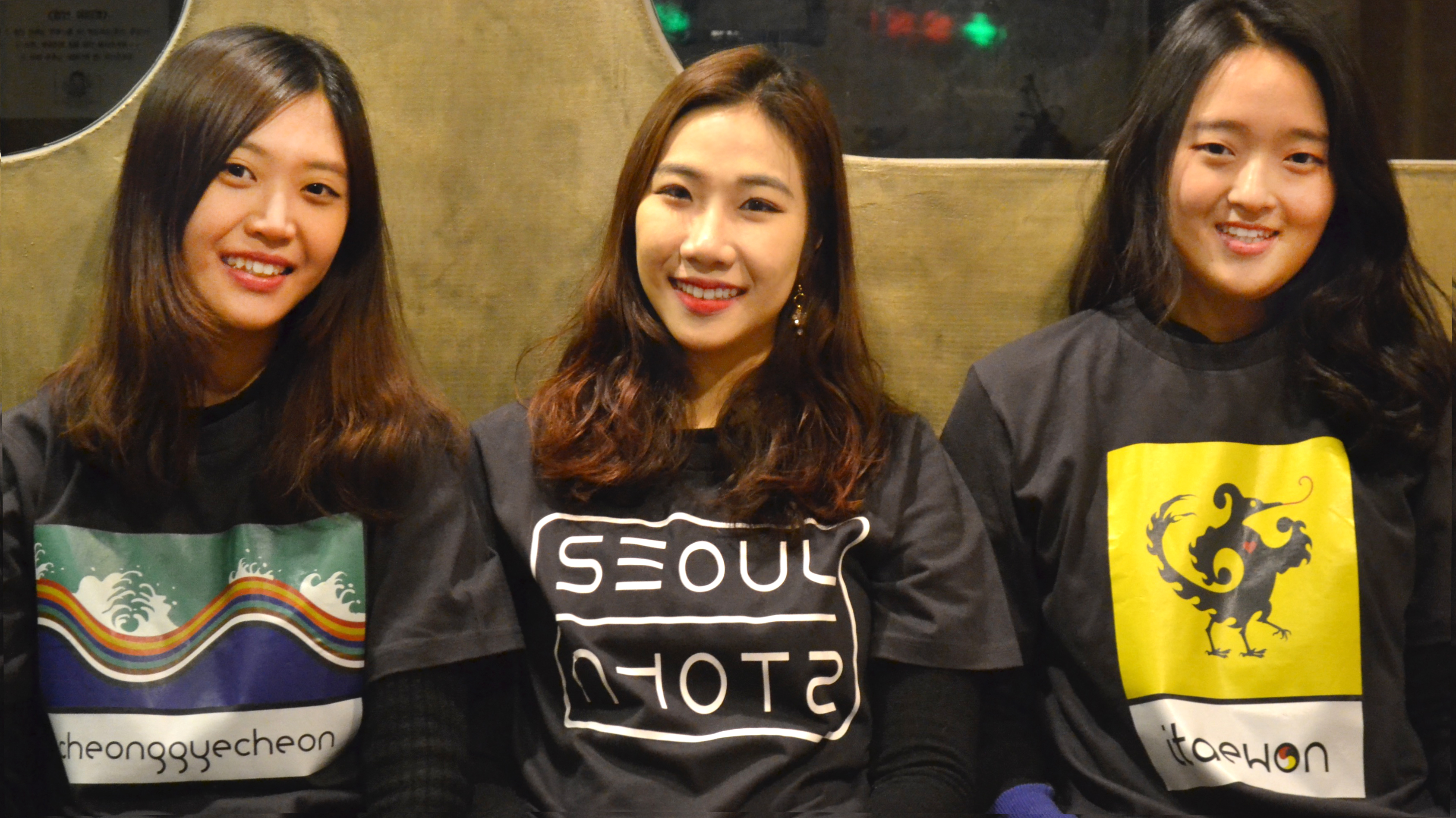
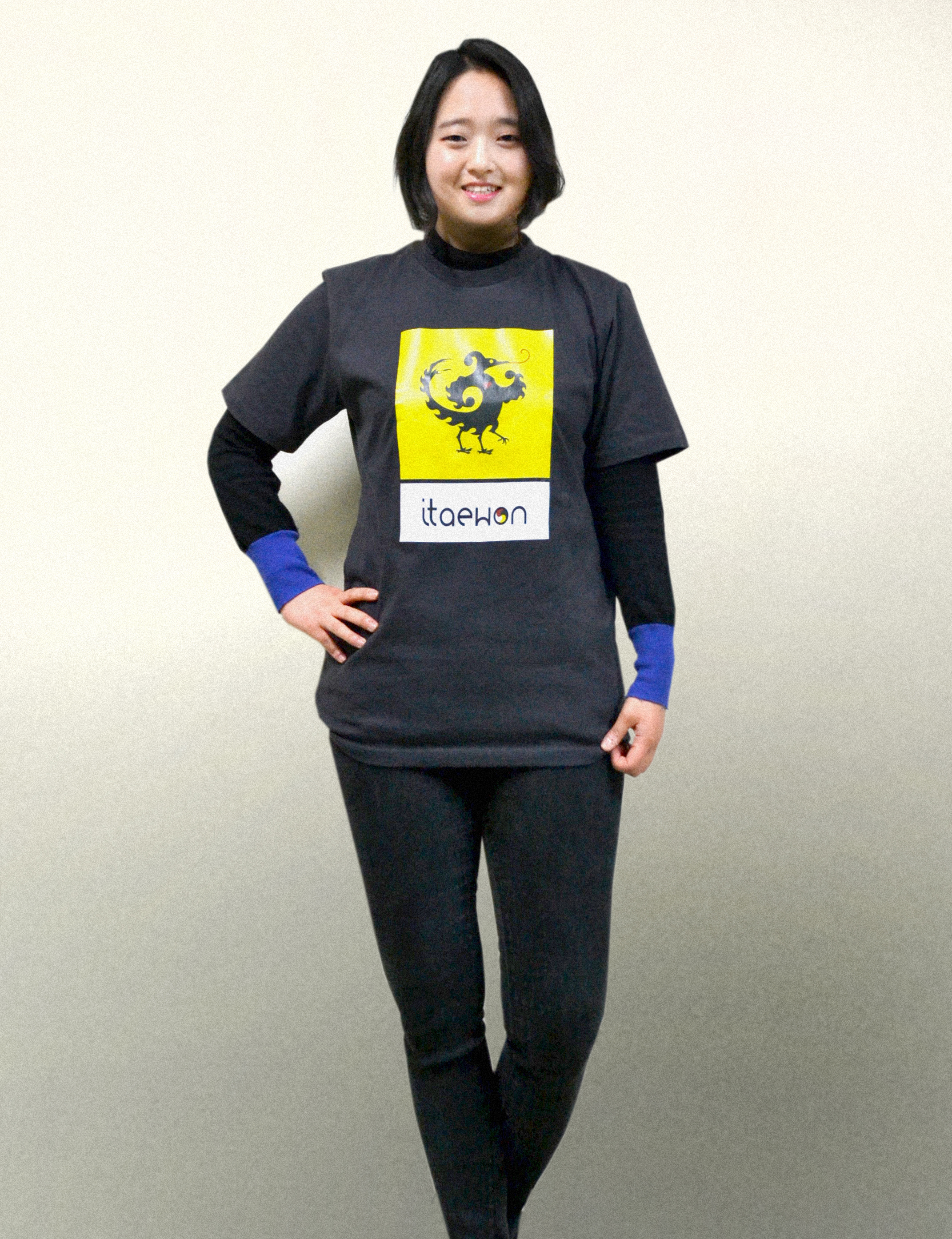
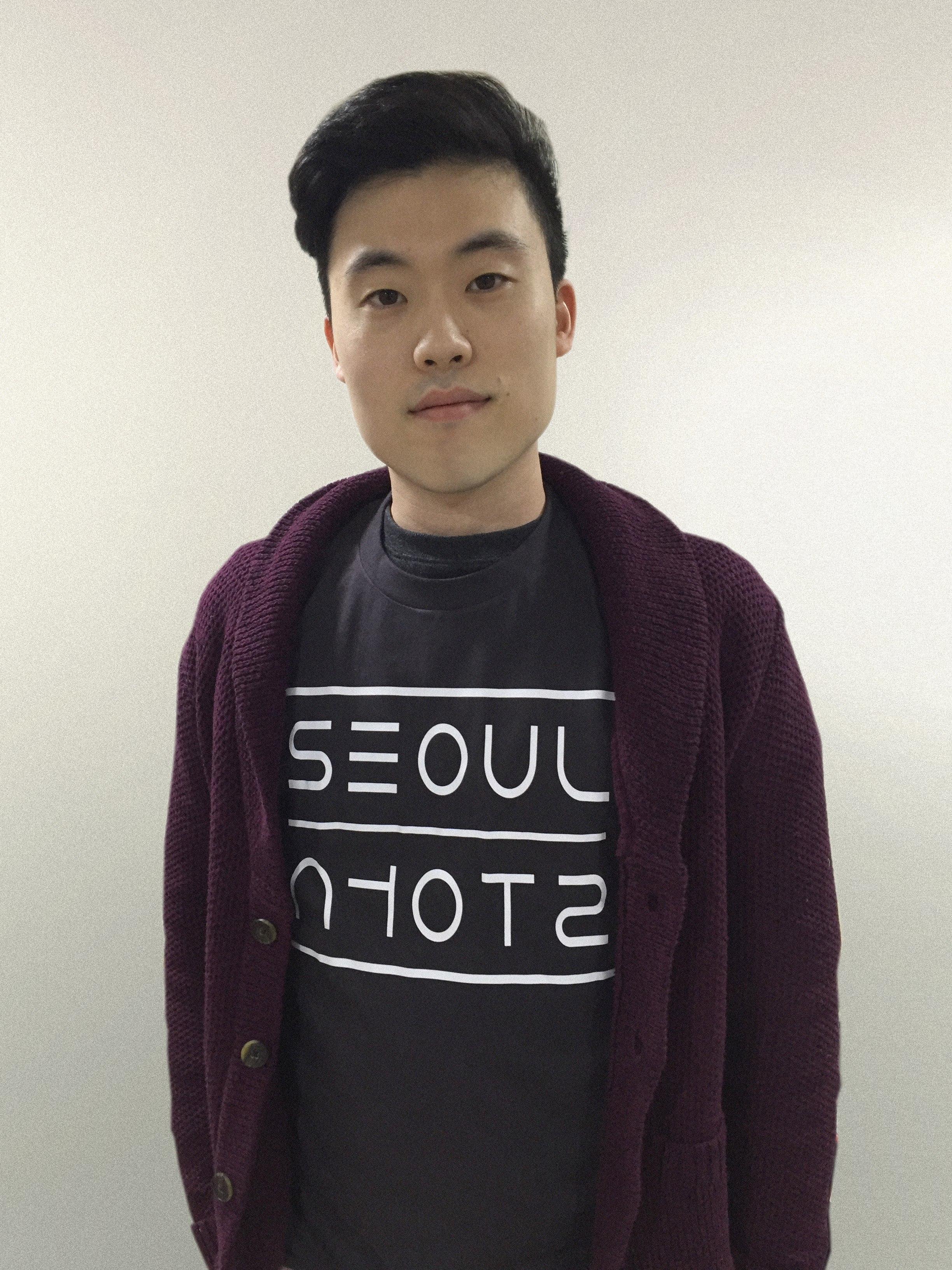
Seoul T-Shirts from Asia Institute

Three new Seoul T-shirts from Asia Institute.
The Itaewon T-shirt features Sam Jok-o, the three legged phoenix accompanied by the triskelion that is a universal symbol for balance and eternity.
The Cheongyecheon T-shirt uses traditional Korean colors in a representation of the ecological elements of the river which defined the city of Seoul since the 14th century.


The Seoul T-shirt features "Seoul" in both Roman and Hangul scripts in a strikingly modern manner.
The Seoul T-shirt features “Seoul” in both Roman and Hangul scripts in a strikingly modern manner.


The first run of Asia Institute T-shirts will be available in high quality cotton at a price of 25,000 Won. Contact us for more information.


“The Bernie Sanders of Korea? An Interview With Ahn Cheol-soo” (The Huffington Post February 12, 2016)


The Huffington Post

“The Bernie Sanders of Korea? An Interview With Ahn Cheol-soo”

February 12, 2016

Emanuel Pastreich


I had the first opportunity to talk at length with Ahn Cheol-soo when I made a presentation in front of him and the faculty of the Seoul National University Graduate School of Convergence Science and Technology back in 2012. Ahn served as the dean at the time and he sat across from me as I spoke about possible international collaboration with MIT and Yale University. He did not say a word the whole time. But his silence was remarkably powerful. So completely focused was he on what I said that I was forced to do my best to present the material in more carefully and accurately.

Ahn was unusual even for an academic. He has strong administrative skills and a tremendous sense of self-confidence, but unlike similar personalities, he is not interested in hearing his own voice and is uncomfortable getting undue attention. But beneath the placid surface there is a tremendous energy that keeps pushing him forward. That force is the combination of responsibility, fascination with how things work and considerable ambition. But you have to look very carefully to spot it.

He is profoundly shy. If it were not for his plans and his dreams he would probably just as well just sit and listen. It is still hard to imagine him shaking hands with hundreds of people at local community centers, but that is exactly what he does now, and even more.

A native of Busan, Ahn was originally trained as a medical doctor but later developed the V3 anti-virus software. He became a remarkable business innovator who founded one of the most successful anti-virus software companies in Korea, AhnLab. Ahn is famous for his unrelenting schedule of constant work and reading that left everyone else behind in the dust.

Ahn became immensely popular because of his books. There were many young people, who wanted Ahn to enter the Seoul mayoral election in 2011. He ultimately backed the NGO leader Park Wonsoon who was elected as Mayor in an irregular election. Ahn then decided in 2012 to run for president and in the end joined the Democratic Party (then known as NPAD), backing his formal rival Moon Jaein in his bid for the presidency. Moon Jaein was not successful and Ahn found himself very out of place in the rather cozy Democratic Party, best known for its colossal ineffectiveness.

It was then that he made up his mind to launch a third party, the “People’s Party.” He has referred to himself as a “Bernie Sanders of Korea” but has taken the distinctly different approach of leaving the Korean Democratic Party behind and setting out with both conservatives and liberals to chart a new course.

I had a chance to catch up with Ahn recently and here is what he had to say about this new gambit.

Emanuel Pastreich:

Why did you decide to start a new political party at this moment in time?

Ahn Cheol-soo:

I first got involved in politics because I was affected by the passion shown by ordinary people when they demanded that we must end this doddering way of politics in Korea.
I feel I have been entrusted by the citizens with a mission.

Read more

” ‘3년간 한국정치 밑바닥까지 경험했다’ | 안철수 인터뷰” (허핑턴포스트 2016년 2월 12일)

허핑턴포스트

” ‘3년간 한국정치 밑바닥까지 경험했다’ | 안철수 인터뷰”

2016년 2월 12일


나는 안철수를 2012년에 처음 만났다. 당시 서울대학교 융합과학기술대학원장이던 그와 교수진 앞에서 프리젠테이션을 했기 때문이다. 그는 내가 MIT, 예일 대학교와 국제 협력을 할 수도 있을 거라고 말하는 내 맞은 편에 앉아 있었다. 그는 내내 한 마디도 하지 않았지만, 그의 침묵은 놀랄 정도로 강력했다. 그는 나의 말에 완전히 집중하고 있어서, 나는 더 조심스럽고 정확하게 프리젠테이션을 해야만 했다.

안철수는 학자로서도 흔치 않은 사람이었다. 행정 능력이 뛰어났고 자신감이 아주 강했지만, 그와 비슷한 성격의 다른 사람들과는 달리 자기 목소리를 듣는 것에 관심이 없었고 지나친 관심을 받으면 불편해 했다. 그렇지만 차분한 표면 아래에는 그를 앞으로 계속 밀어붙이는 엄청난 에너지가 있다. 그것은 책임감, 일이 진행되는 방식에 대한 매료, 상당한 야망이 합쳐진 힘이다. 그렇지만 그 힘은 주의깊게 살펴야 발견할 수 있다.

그는 굉장히 수줍음이 많다. 그의 계획과 꿈이 없었더라면 그는 그냥 가만히 앉아서 귀를 기울였을 것이다. 그가 지역 주민 회관에서 수백 명의 사람들과 악수를 하는 것은 아직도 상상하기 어렵지만, 지금 그가 하고 있는 게 바로 그런 일이며, 심지어 그 이상을 하고 있다.

부산 출신인 그는 원래 의사가 되기 위한 공부를 했으나 V3 백신 소프트웨어를 만들었다. 그는 한국에서 가장 성공한 안티 바이러스 소프트웨어 기업 중 하나인 안랩을 창립한 대단한 비즈니스 혁신가가 되었다. 그는 쉴 새 없이 일하고 누구보다 책을 많이 읽는 것으로 유명하다.

안철수는 책을 내서 굉장한 인기를 얻었다. 2011년에 그가 서울 시장 선거에 출마하기를 바랐던 젊은이들이 많았다. 그는 NGO 출신인 박원순을 지원했고, 박원순이 시장으로 당선되었다. 2012년에는 대선에 출마하기로 결심했다가 민주당에 입당, 라이벌이었던 문재인을 지원했다. 문재인은 당선되지 못했으며, 안철수는 무능하기로 유명한 새정치민주연합이 불편해졌다.

그래서 그는 국민의 당을 창당하기로 결심했다. 그는 스스로를 ‘한국의 버니 샌더스’라고 부른 바 있으나 새정치민주연합을 떠나 보수와 진보를 모아 새로운 길을 모색하는 그의 접근 방식은 샌더스와는 상당히 다르다.

최근 안철수를 다시 만나 그의 새로운 행보에 대해 이야기를 들어볼 기회가 있었다.


Read more

국제미래학회, ‘대한민국의 미래 메가 컨퍼런스 및 대토론회’ 개최

“국제미래학회, ‘대한민국의 미래 메가 컨퍼런스 및 대토론회’ 개최”

KNS NEWS

2016년 02월 03일

미래

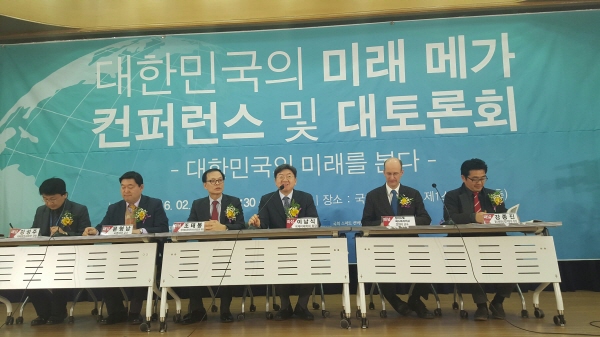
‘대한민국의 미래 메가 컨퍼런스 및 대토론회’가 미래창조과학부와 국제미래학회의 주최로 지난 2일 오후 국회의원회관 제1소회의실에서 개최됐다.

300명의 학자와 관계인사가 참석한 가운데 열린 이날 토론회는 국내 최초로 발간된 한국 미래 예측서 ‘대한민국 미래보고서’의 출간기념으로 각 분야를 대표하는 14명의 전문가들이 대한민국의 미래 변화 동인과 분야별 미래변화 내용을 각각 발표했다.

이어, 6개 부처 미래관련 부서의 국장들이 대한민국의 미래 발전을 위한 다양한 의견을 도출하는 정책 대토론회를 펼쳤다.

이 자리에 정의화 국회의장은 축사를 통해 “지난 세대의 번영과 다음 세대의 희망을 함께 말하고 책임져야할 시대적 과제를 안고 있다”며 “이번 행사에서 미래를 예측해 내는 지혜를 보였으면 한다”고 말했다.

첫 번째 주제발표에 나선 진대제 전 정보통신부 장관은 “요즘 한국사회가 무기력한 느낌이 드는데 성숙단계를 지나 노숙단계에 빠져든 것은 아닌 지 점검해야 한다”며 “정부는 성장동력을 키우는데 많은 일을 해야 한다”고 강조했다.

이어 안종배 한세대학교 교수는 “시대변천에 따른 인류의 핵심욕구는 농업시대는 생리적욕구였지만 정보화사회에서는 창의욕구가 필요하다”며 “이런 원천적 욕구를 사회발전의 동인으로 삼아야한다”고 말했다.

김경훈 한국트렌드연구소장은 미래 메가트렌드를, 김용현 세계미래포럼 대표는 인구변화에 따른 사회경제를, 안양옥 한국교총 회장은 대한민국 인성 교육의 미래를, 문영호 한국과학기술정보연구원 부원장은 대한민국의 핵심 미래기술을, 이주연 아주대 교수는 한국 미래 융합산업을, 남윤자 서울대 교수는 대한민국 옷의 미래와 라이프를, 엄길청 경기대 교수는 한국 미래 경영과 사회를, 이재홍 한국게임학회 회장은 한국 미래 스토리텔링을, 박경식 미래전략정책연구원 원장은 한국 미래 직업의 변화를, 소재학 동양미래예측연구소 소장은 동양예측으로 본 대한민국의 미래 산업을 각각 발표했다.

이날 ‘대한민국 미래 메가컨퍼런스’에서는 참석한 전문가들은 “미래는 어느 한 분야의 발전으로만 이루어지지 않는다. 기술이 발전하면, 사람들의 삶이 변하고, 사회의 구조가 변화하며 이로써 또다시 새로운 기술이 태동한다”며 “모든 것이 유기적으로 연결되어 하나의 생태계처럼 변화한다. 따라서 어느 한 분야만 잘 알아서는 미래를 효과적으로 준비할 수 없다. 곧 모든 것이 연결되고 융합되는 미래를 뜻한다”고 전제하고 이렇게 미래를 유기적으로 연결해서 조망할 수 있도록 조명했다.

이어 진행된 ‘국가발전을 위한 정책 대토론회’는 이남식 국제미래학회 회장(계원예술대 총장)이 좌장을 맡아 미래사회의 예측방법에 대한 설명을 하며 정책 토론을 이어갔다.

손석준 미래창조과학부 팀장은 “기술과 혁신의 역작용이 고용이나 불평등의 문제로 나타나 담당부서의 한 사람으로써 책임감이 크다”고 지적했고 문형남 숙명여대 교수는 “외국에 비해 한국의 미래기획이나 전략이 미약하다”며 “미래는 예측과 전략이 중요하다”고 말했다.

조태봉 한국문화콘테츠라이센싱협회장은 “문화콘텐츠분야는 한류와 함께 크게 성장할 가능성이 크다”고 말했고 임마뉴엘 페스트라이쉬 교수는 “변화는 빨리 느끼지 못하는 것”이라며 “국가는 전반적인 문제인식이 먼저 있어야 한다”고 지적했다.

강종진 울산문화산업개발원장은 “변화와 미래의 예측은 우리부터 또는 내 안에서 찾아야하고 인재를 소중히 생각해 내고 키울 수 있어야 한다”고 말했다.

이번 행사는 미래창조과학부와 국제미래학회가 공동으로 주최했으며 국회 스마트컨버전스 연구회, 아주대학교 LINC사업단, 국가산업융합지원센터가 공동주관하고 기획재정부, 교육부, 산업통상자원부, 고용노동부, 문화체육관광부, 클린콘텐츠국민운동본부 등이 후원했다.

한편, 이번 행사를 기획하고 진행한 안종배 교수는 “급변의 시대에 국가나 기업·기관 그리고 개인도 미래를 미리 준비하지 못하면 생존하기 힘들어 지고 있다”며 “본 컨퍼런스는 현재 우리나라가 세계적인 추세에서 어느 지점에 와 있고 미래에 어떤 변화가 예측되며, 우리 정부와 사회 각 분야에서 어떤 계획을 가지고 또 실행하고 있는지 살펴보고 우리의 실정에 맞는 대한민국의 미래를 준비하는 데 도움이 될 것”이라고 말했다.

Read more