JoongAng Daily
May 9, 2016
Emanuel Pastreich
My daughter played for the first time on the football team of her school over the weekend. I was proud to see her score a goal and make several critical assists for her teammates. But then I was awakened repeatedly from sleep by her coughing late at night.
I am glad to have my family living with me here in Seoul and to have my children learn about Korean culture. I have often argued to others that our children have tremendous opportunities living here that they would not have in the United States. But I am starting to wonder these days whether I should send my children to live somewhere else where the air is clean, a country where they can exercise outside without endangering their health.
I was deeply embarrassed when my father came to visit us in Korea last year. The first thing he remarked when he stepped out of Seoul Station was that the air smelled like Sulphur.
It is an open secret that the air in Korea, even in rural areas, is getting much worse and that the number of people who become ill as a result is increasing. There have been frequent cases of diesel automobiles on the market which violate restrictions on hazardous emissions — I can smell them when I walk by — and yet nothing is done to ban them.
The fine dust that endangers citizens has made the yellow dust blown from the spreading deserts of China, seem harmless compared with the fine dust particles in the air.
To blame this situation on China is inaccurate on many levels. Not only do many emissions of hazardous gases originate in Korea, the emissions from coal plants and other factories in China are not beyond Korea’s responsibility. Koreans build factories in China that do not hold high standards for emissions. Even more importantly, China in turn is directly influenced by Korea’s environmental policy. If Korea were strict about emissions and had an ambitious program to eliminate fossil fuels and mitigate climate change, in the manner that Sweden or Denmark do, the Chinese would take note of that fact and most likely would benchmark Korean policies accordingly. In fact, China is making a greater investment overall in renewables than Korea.
Several foreign friends have confessed to me that they are having trouble recruiting people to Korea these days because of the terrible air quality. I can see that the reputation of Korea has suffered terribly from this wanton destruction of the environment and thoughtless embrace of short-term growth.
Nothing was more telling than the near simultaneous resignations of Yvo de Boer, the director general of the Global Green Growth Institute (GGGI), and Hela Cheikhrouhou, executive director of the Green Climate Fund. Whether those decisions were directly related to frustration with current Korean policies, I don’t know, but I do know for a fact that the decision of the Korean minister of the environment not to stay to the end of the COP 21 conference in Paris was noticed around the world.
Sadly, all we see in Korea these days is a booming market for various filters for the home, or automobile, that promise to make this uninhabitable climate more tolerable to those who can afford such devices. Most Koreans seem to be in deep denial about the impact of such terrible air on their health, let alone the catastrophe of climate change that awaits them.
The time has come for us to take a stand. Korea must move bravely forward and establish itself as the nation with the strictest rules on emissions in Asia and Korea should make it clear that all coal-fired power stations will be closed down in the next five years, rather than increasing the number. Korea should be the model of a developing nation that moves beyond fossil fuels quickly.
Read more

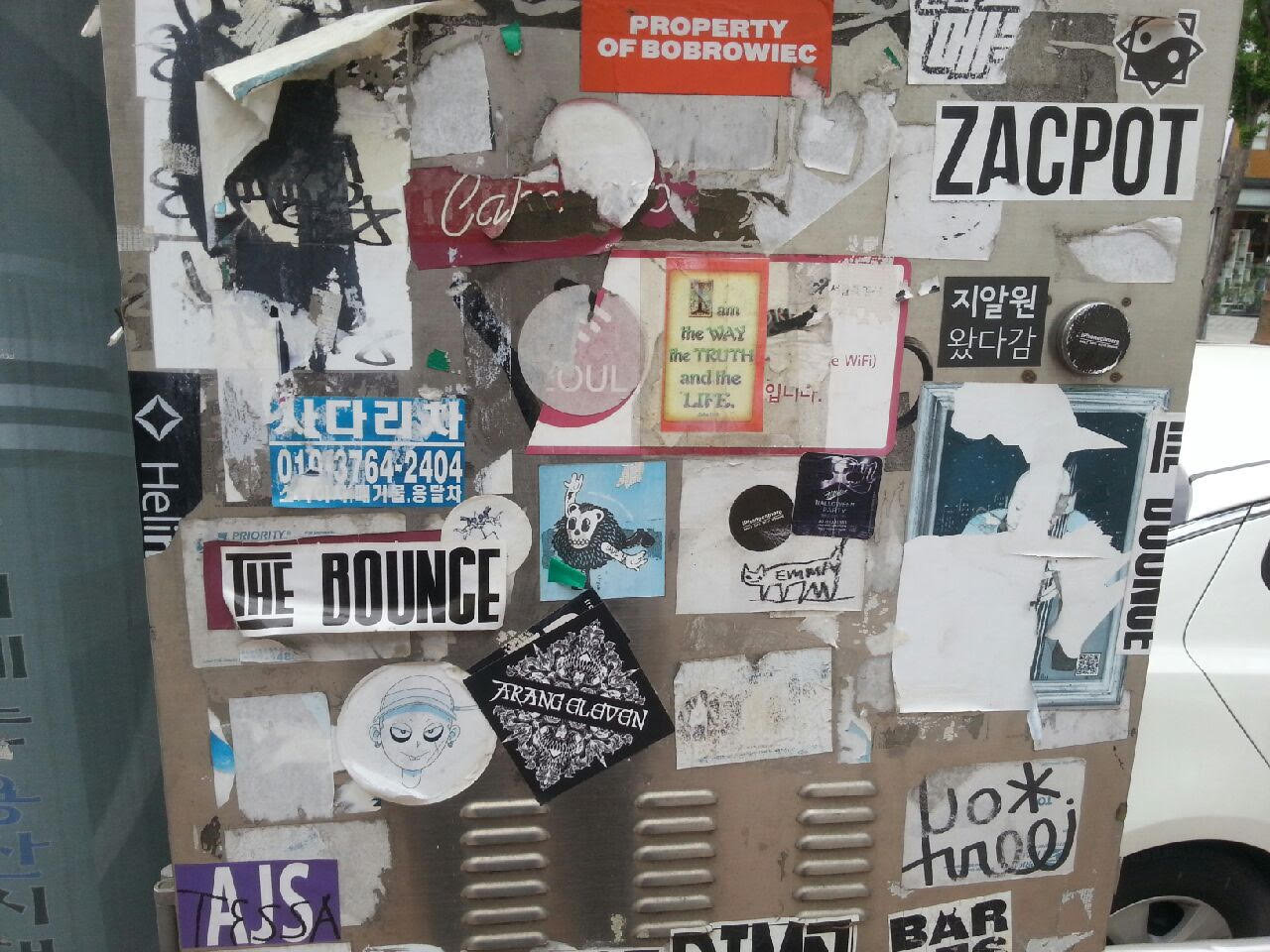
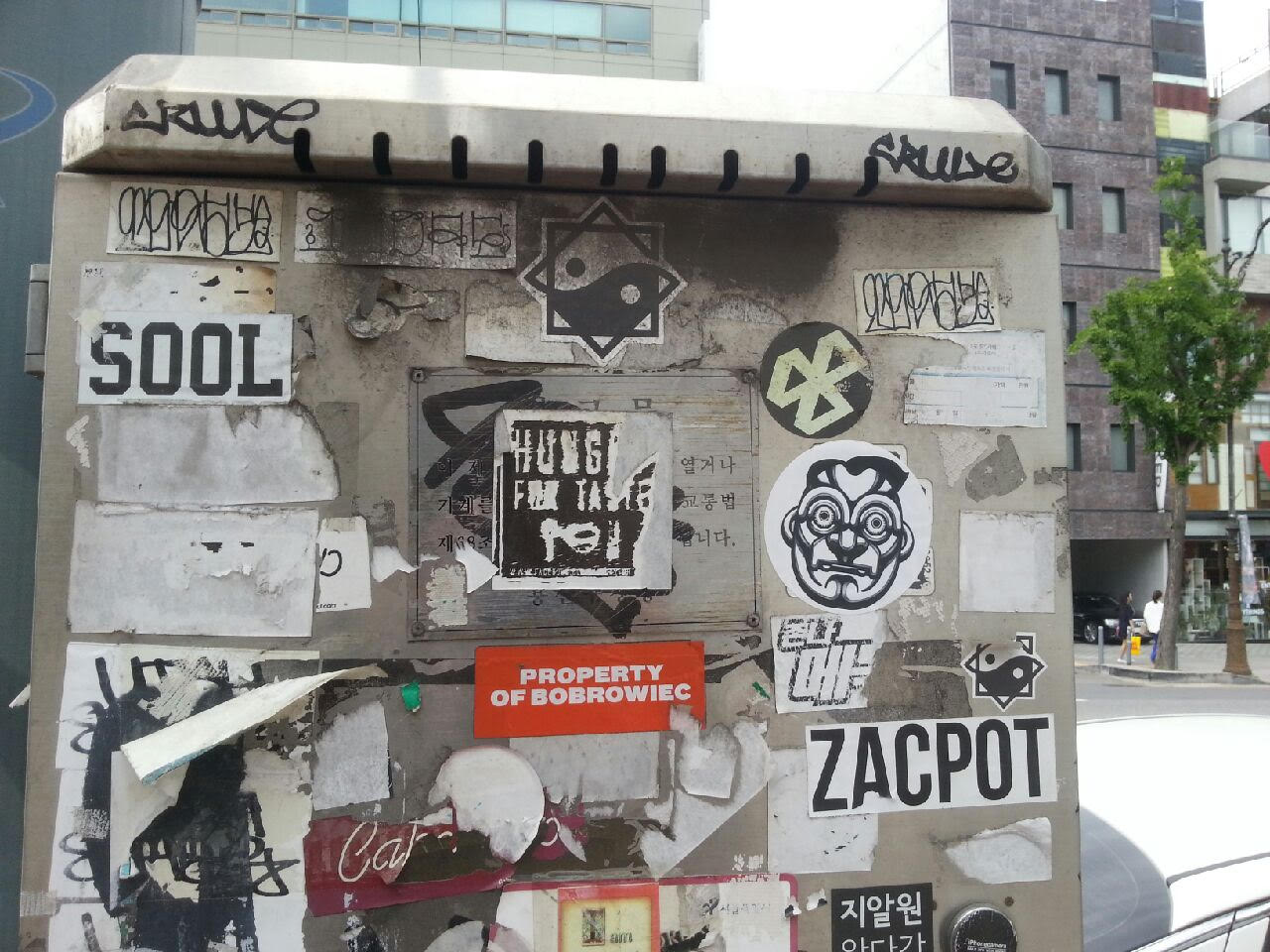
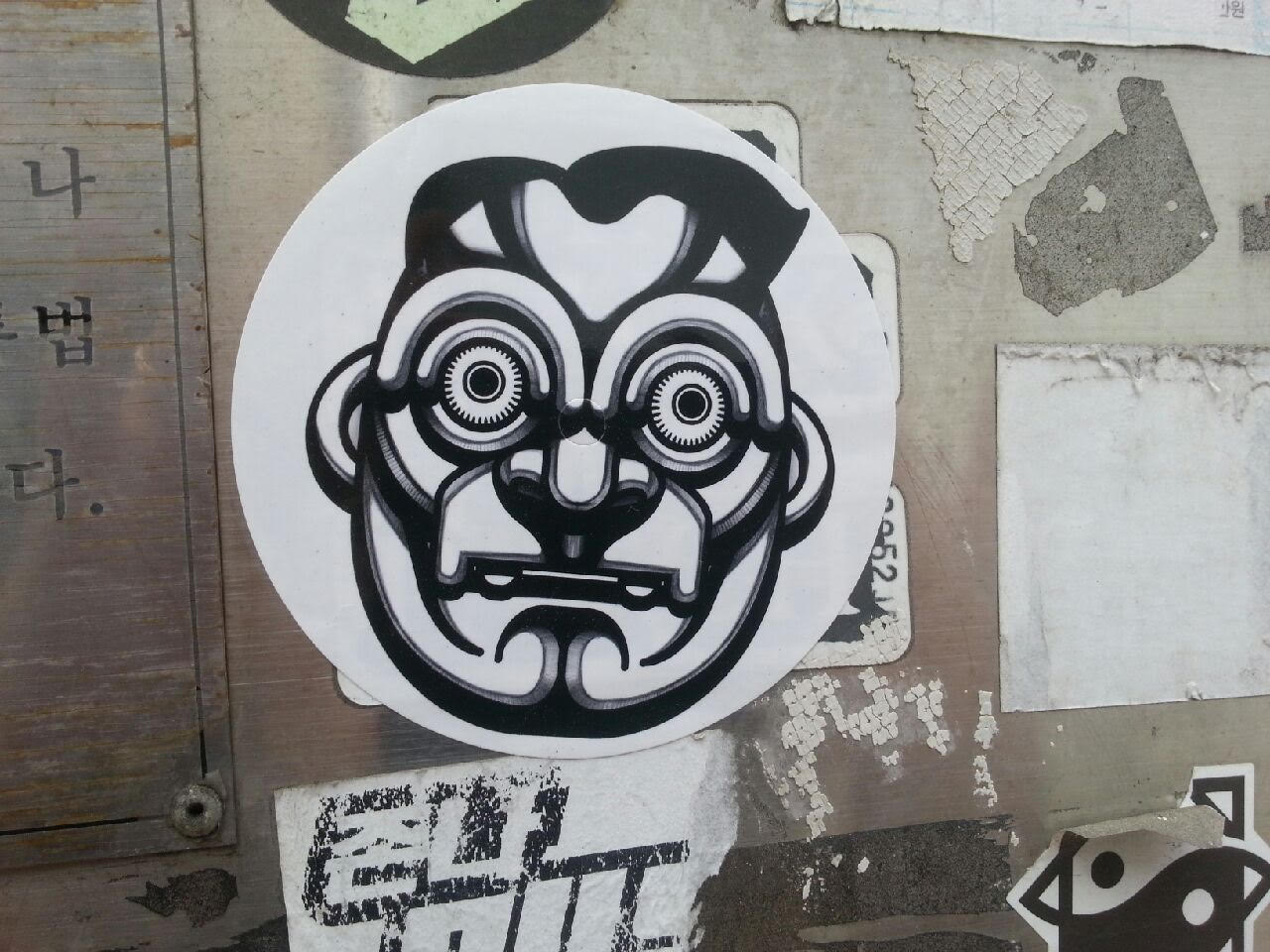
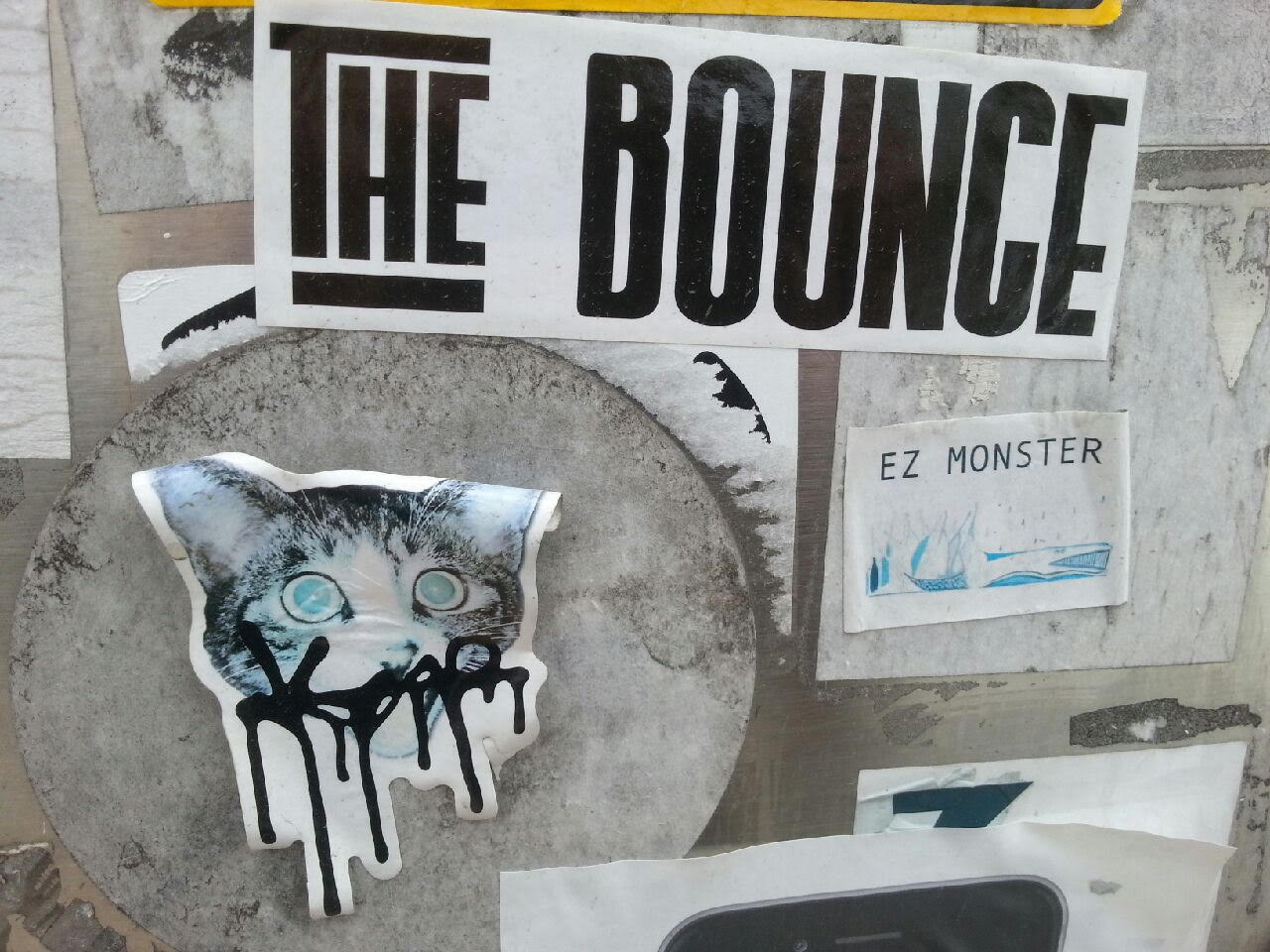 I find the odd sticker and graffiti posted on lamp posts, electric transformers and other spaces in urban Seoul to represent some of the most intriguing creative activities going on in this city. There is a subtle irony that can be teased out from the various levels of signification represented in this art.